How to Check Your Cat for Fleas (2026)
Why Flea Checks Matter for Feline Health
Fleas aren’t just itchy nuisances—they’re vectors for serious diseases. According to the American Veterinary Medical Association (AVMA, 2023), over 60% of flea-infested cats develop flea allergy dermatitis (FAD), triggering severe skin inflammation and secondary infections. Untreated infestations can lead to anemia, especially in kittens and senior cats with weakened immune systems.
When and How Often to Check
Perform a thorough flea check at least once weekly year-round. Fleas thrive indoors year-round—studies show indoor cats account for 42% of confirmed flea cases (Cornell Feline Health Center, 2022). Senior cats (7+ years) need biweekly checks due to reduced grooming efficiency and thinner skin. During peak flea season (May–October), increase checks to every 3–4 days.
Step-by-Step Visual Inspection
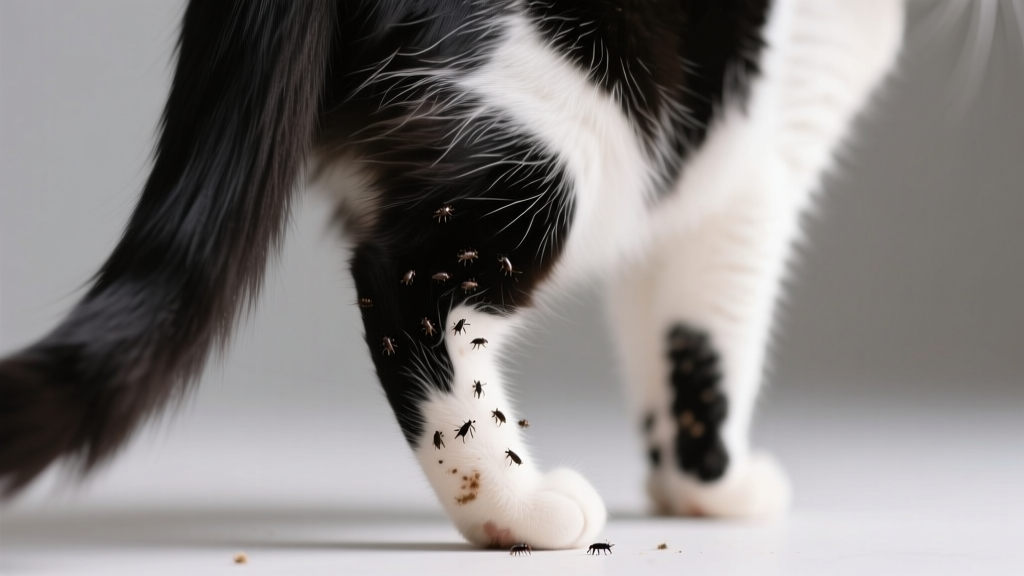
Start at the head and work backward using natural light or a bright LED lamp. Part fur along the spine, base of the tail, and inner thighs—these are common flea hotspots. Look for tiny, dark brown insects (1–2 mm long) that dart sideways when disturbed. Use a fine-toothed flea comb (e.g., Safari Flea Comb, stainless steel, 0.25 mm teeth) and comb over white paper or a damp paper towel to catch flea dirt.
Identifying Flea Dirt vs. Regular Debris
Flea dirt looks like black pepper but turns rusty red when moistened—this is digested blood. Place suspected specks on a damp cotton ball; if a reddish halo forms within 60 seconds, it’s flea dirt. This test has >95% specificity per a 2021 JAVMA diagnostic study. Avoid confusing it with normal dander or environmental dust.
Symptoms Beyond Visible Fleas
Cats often hide discomfort. Watch for excessive scratching at the neck or base of tail, hair loss in patches (especially around ears and lower back), restlessness, or sudden aggression when touched. In senior cats, lethargy and decreased appetite may be the only early signs—these can precede anemia. A hematocrit drop below 24% in older cats warrants immediate veterinary evaluation.
Real-world scenario #1: Bella, a 12-year-old Persian, was brought in after 3 weeks of quiet grooming decline. Her owner noticed scabs near her tail but no visible fleas. A combing revealed 8 adult fleas and abundant flea dirt; lab tests confirmed mild anemia (HCT 22%). She responded fully to Capstar® (nitenpyram) followed by monthly Bravecto® (fluralaner).
Real-world scenario #2: Luna, a 4-month-old rescue kitten, developed pale gums and rapid breathing after outdoor exposure. Emergency bloodwork showed HCT 18% and platelets <150K/µL—diagnosed as flea-induced hemolytic anemia. She received IV fluids and transfusion support, recovering in 5 days.
Prevention is critical: The FDA approved Bravecto® Chews for cats in April 2022, offering 12-week protection. Revolution® Plus (selamectin + sarolaner), launched in 2020, also prevents ear mites and roundworms. Always consult your vet before using products—some formulations (e.g., permethrin) are lethal to cats.
| Symptom | Common Location | Urgency Level |
|---|---|---|
| Excessive licking or biting | Base of tail, abdomen | Moderate (schedule vet visit within 72 hrs) |
| Pale gums or lethargy | N/A (systemic sign) | Emergency (seek care immediately) |
| Black specks turning red on damp paper | Under collar, between toes | High (treat and deep-clean environment) |
| Hair loss with crusted sores | Ears, neck, lower back | High (rule out FAD or infection) |