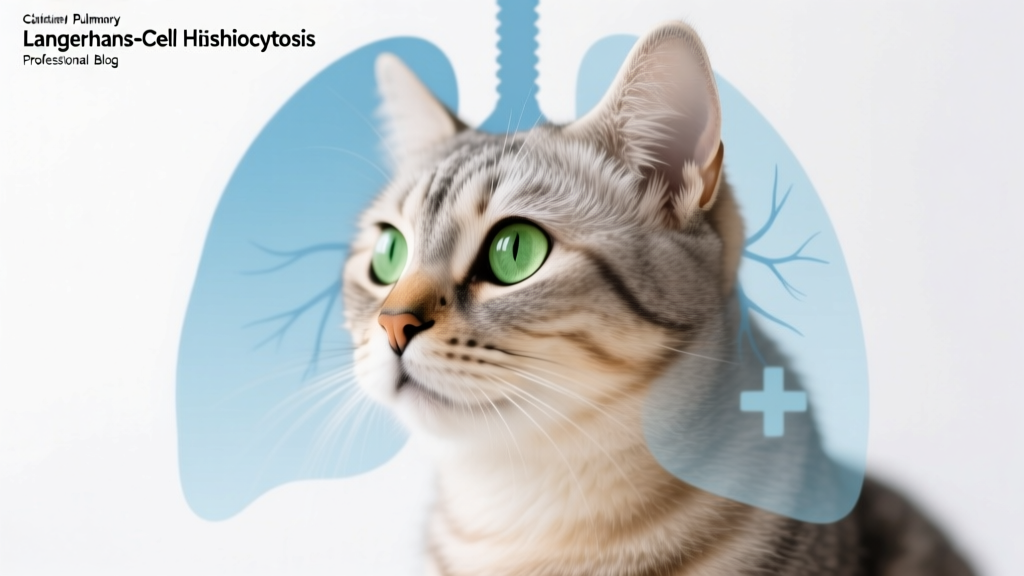
Feline Pulmonary Langerhans Cell Histiocytosis Rare
1) Why This Topic Matters to Cat Owners
When a cat develops a cough, starts breathing faster, or seems less interested in play, it’s natural to worry—especially because breathing changes can feel urgent and scary. Most feline respiratory issues are caused by more common conditions like asthma, infections, heart disease, or even stress-related flare-ups. But there are also rare lung diseases that can look similar at first.
Feline Pulmonary Langerhans Cell Histiocytosis (PLCH) is one of those rare diagnoses. While uncommon, it’s worth understanding because:
- It can mimic other lung problems, delaying the right treatment.
- Early veterinary evaluation improves comfort and safety.
- Knowing warning signs helps you decide when to seek care quickly.
This article explains PLCH in plain language, what signs to watch for, how vets diagnose it, and how to support a cat living with chronic lung disease. If your cat is having breathing trouble, always contact a veterinarian—online information can’t replace an exam and diagnostics.
2) Overview: What Is Feline Pulmonary Langerhans Cell Histiocytosis?
“Histiocytosis” refers to a condition involving histiocytes—immune system cells that normally help defend the body. Langerhans cells are a specific type of immune cell found in tissues that interact with the outside world (like skin and airways). In pulmonary Langerhans cell histiocytosis, these cells accumulate abnormally in the lungs.
In cats, PLCH is considered rare and not fully understood. In simple terms, the lungs develop areas of inflammation and cellular buildup that can:
- Thicken and irritate the airways
- Reduce normal airflow
- Interfere with oxygen exchange
- Lead to scarring or structural changes in lung tissue over time
Because it’s uncommon and can resemble other diseases on X-rays, PLCH usually becomes a consideration only after more common causes have been evaluated or ruled out.
3) Symptoms and Warning Signs to Watch For
Many cats with lung disease try to “hide” symptoms. Subtle changes at home are often the first clues. Contact your veterinarian if you notice any of the following, especially if signs persist more than 24–48 hours or worsen.
Common signs owners may notice
- Coughing (may sound dry, raspy, or like repeated gagging)
- Fast breathing rate while resting or sleeping
- Increased effort to breathe (belly moving more than usual, chest heaving)
- Wheezing or noisy breathing
- Reduced activity, fatigue, or hiding more often
- Decreased appetite or weight loss
- Exercise intolerance (stops playing quickly, seems “winded”)
Signs that suggest more serious breathing compromise
- Open-mouth breathing (in cats, this is an emergency sign unless it’s brief during extreme stress)
- Blue/gray gums or tongue (poor oxygenation)
- Collapse, extreme weakness, or inability to settle
- Breathing rate persistently above normal even at rest
Practical at-home check you can do today
Count your cat’s resting respiratory rate: when your cat is asleep or calmly resting, count breaths (one rise of the chest = one breath) for 15 seconds and multiply by 4.
- Many healthy cats are around 16–30 breaths/minute at rest.
- If your cat is consistently over 30–40 at rest, or the number is rising day-to-day, call your veterinarian.
4) Causes and Risk Factors
For feline PLCH, the exact cause is not well established. It involves abnormal behavior of immune cells in the lungs, but why that happens is still being studied.
Potential contributing factors (not guaranteed causes)
- Immune dysregulation: the immune system may become overactive or misdirected.
- Chronic airway irritation: long-term inflammation might contribute to abnormal cellular changes.
- Environmental exposures: smoke, strong fragrances, dusty litter, aerosols, and poor indoor air quality can worsen many lung conditions and may play a role in ongoing irritation.
Which cats are at risk?
- There isn’t a clear breed, age, or sex pattern established for PLCH in cats due to how rare it is.
- Cats with chronic respiratory signs that don’t respond as expected to standard therapy may be evaluated for less common diagnoses, including PLCH.
If your home has any inhaled irritants (especially tobacco or cannabis smoke), improving air quality is a helpful step for any cat with respiratory disease—regardless of the final diagnosis.
5) Diagnosis: What to Expect at the Vet
Diagnosing a rare lung condition often happens in steps. Your veterinarian’s goal is to stabilize breathing first, then narrow down causes safely.
Your vet may start with
- History and exam: coughing pattern, triggers, appetite/weight changes, exposure to smoke/dust, parasite prevention status
- Resting oxygen measurement (pulse oximetry) and listening to the lungs/heart
- Chest X-rays: can show patterns of airway or lung tissue changes, but many diseases can look similar
Additional tests commonly recommended
- Bloodwork (CBC/chemistry): checks for inflammation, infection clues, overall organ health before medications
- Heartworm testing (region-dependent) and parasite evaluation: lungworms and other parasites can mimic lung disease
- Thoracic ultrasound (in certain cases) to assess pleural space and guide sampling
- CT scan: provides a much clearer picture than X-rays and may identify patterns suggesting a specific diagnosis
Confirming PLCH
A definitive diagnosis typically requires sampling lung tissue or cells, interpreted by a pathologist. Depending on the cat’s stability and the clinic’s resources, this might include:
- Bronchoscopy with bronchoalveolar lavage (BAL): a small camera is used to look into airways and collect fluid for cytology/culture. This can help rule out infections and sometimes shows characteristic inflammatory patterns.
- Lung biopsy (surgical or minimally invasive methods when available): may be needed for a firm diagnosis of PLCH.
Safety comes first. Cats with breathing difficulty may need oxygen support and stabilization before advanced procedures. Your veterinarian will discuss risks, benefits, and alternatives based on your cat’s current breathing status.
6) Treatment Options (Medical, Surgical, Home Care)
Because PLCH is rare, treatment plans are individualized. The goals are to improve breathing comfort, reduce inflammation, manage complications, and maintain good quality of life.
Medical management (most common approach)
- Anti-inflammatory or immunosuppressive medications: often considered to reduce abnormal immune-driven inflammation. Your veterinarian will choose the medication and dosage based on diagnostics and response.
- Inhaled therapy: in some cats with chronic airway inflammation, inhaled medications (via a feline spacer mask) may help reduce systemic side effects compared to oral drugs.
- Bronchodilators: may be used if airway narrowing or spasm is contributing to breathing difficulty.
- Antibiotics: only if infection is suspected/confirmed (for example, based on culture results). Not every cough needs antibiotics.
- Oxygen therapy: for flare-ups or during hospitalization.
Surgical options
Surgery is not commonly a “cure” for a diffuse lung disease, but it may be recommended for:
- Biopsy to confirm diagnosis when other tests are inconclusive
- Localized lung lesions (uncommon) if there is a discrete mass-like area and the specialist believes removal could help
Home care: practical steps that help right away
- Improve indoor air quality:
- No smoking or vaping indoors (and ideally not around the cat at all)
- Avoid scented candles, plug-ins, incense, aerosols, strong cleaning products
- Use a HEPA air purifier in the main resting area
- Choose low-dust litter and pour gently to reduce airborne particles.
- Reduce stress:
- Keep routines consistent
- Provide a calm, cool resting spot (heat can worsen breathing effort)
- Track symptoms:
- Resting respiratory rate daily for 1–2 weeks, then a few times weekly
- Cough frequency (a simple note on your phone helps)
- Appetite and weight (weekly weigh-ins are useful)
- Give medications exactly as prescribed and ask your veterinarian before changing doses. Many respiratory drugs must be adjusted carefully.
7) Prevention Strategies and Early Detection Tips
Because the underlying cause of PLCH isn’t well defined, there’s no guaranteed prevention. What you can do is reduce respiratory irritation and catch changes early.
Actionable prevention-minded habits
- Maintain year-round parasite prevention recommended by your veterinarian (helps prevent parasites that can mimic or worsen lung disease).
- Keep vaccines current to reduce risk of respiratory infections.
- Schedule routine wellness exams: subtle weight loss or mild breathing changes can be detected earlier.
- Know your cat’s baseline: normal appetite, play level, and resting breathing rate.
- Air quality audit: remove smoke exposure, reduce dust, and avoid strong fragrances.
8) Prognosis and Quality of Life Considerations
Prognosis with PLCH can vary depending on how advanced the lung changes are, how well the cat responds to therapy, and whether complications develop. With chronic lung disease, the focus is often on management rather than a simple cure.
Quality of life goals
- Comfortable breathing at rest
- Stable appetite and body weight
- Normal grooming and interest in interaction
- Fewer flare-ups requiring emergency care
How owners can support long-term comfort
- Attend all recheck appointments (medications often need fine-tuning).
- Ask about a written “flare plan” so you know what to do if coughing or breathing rate increases.
- Discuss medication side effects to watch for, and request periodic lab monitoring if your cat is on long-term systemic therapy.
If your cat has a chronic respiratory diagnosis, don’t hesitate to ask for referral to an internal medicine specialist or a veterinary teaching hospital. Advanced imaging and specialized sampling can be especially helpful with rare lung conditions.
9) When to Seek Emergency Veterinary Care
Breathing concerns can escalate quickly in cats. Seek urgent or emergency care right away if you notice:
- Open-mouth breathing or panting that isn’t immediately tied to brief stress and doesn’t resolve quickly
- Blue/gray gums, tongue, or very pale gums
- Severe effort to breathe: pronounced belly movement, extended neck, elbows held away from the body
- Collapse, extreme weakness, or inability to stand
- Rapid breathing at rest that is persistently high or suddenly worse
At home, avoid forcing your cat into a carrier if it triggers panic and worsens breathing. Keep your cat calm, minimize handling, and call the clinic for advice on the safest way to transport. Many hospitals can prepare oxygen support on arrival.
10) FAQ: Common Questions from Cat Owners
1) Is pulmonary Langerhans cell histiocytosis cancer?
PLCH involves abnormal accumulation of immune cells in the lungs. It isn’t always described the same way as a typical cancer, but it can behave seriously because it affects lung function. Your veterinarian or specialist can explain where your cat’s case falls on the spectrum based on biopsy/cytology results and imaging.
2) Can PLCH be mistaken for asthma?
Yes. Many lung conditions share similar signs like coughing and wheezing. Some cats initially treated for asthma may not respond as expected, which prompts additional diagnostics (CT, BAL, biopsy) to look for other causes, including rare diseases.
3) What should I track at home to help my vet?
- Resting respiratory rate (daily during flare-ups)
- Coughing episodes (frequency, time of day, triggers)
- Appetite and weight
- Energy level and tolerance for play
- Any exposure changes (new litter, renovations, smoke exposure, new cleaners)
4) Will my cat need lifelong medication?
Some cats with chronic lung disease do best with long-term therapy, while others can step down to the lowest effective dose or intermittent treatment based on symptoms. Never stop or change medications without veterinary guidance; sudden changes can cause relapse or side effects.
5) Are there safe home remedies for coughing?
It’s best to avoid home remedies unless your veterinarian approves them. Human cough medications can be dangerous for cats, and delaying proper diagnosis can allow serious disease to progress. What you can safely do is reduce dust and irritants, run a HEPA purifier, and monitor resting breathing rate.
6) Should I see a specialist?
If signs are persistent, imaging is unclear, or your cat isn’t responding to standard therapy, a referral to a veterinary internal medicine specialist is often helpful. They can offer advanced imaging and airway/lung sampling to reach a more precise diagnosis.
If your cat is coughing, breathing faster than usual, or seems to be working harder to breathe, schedule a veterinary visit as soon as possible. Rare conditions like feline pulmonary Langerhans cell histiocytosis can’t be diagnosed at home, but early evaluation can make a big difference in comfort and safety.
For more caring, veterinarian-informed cat health guidance, visit catloversbase.com and explore our growing library of feline wellness resources.