Feline Gnathostoma: Migratory Larval Nematode
1. Why this topic matters to cat owners
Most cat parents think of parasites as “worms in the poop,” but some parasites behave very differently. Gnathostoma is a type of parasitic roundworm (nematode) that can migrate through the body instead of staying quietly in the intestines. While gnathostomiasis is not one of the most common feline parasite problems everywhere, it’s important because it can cause confusing, shifting symptoms, and it’s closely tied to outdoor exposure and hunting. In some regions, it can also affect people, so understanding prevention protects both cats and families.
If your cat goes outdoors, hunts, or has access to raw fish or raw meat, learning the basics of Gnathostoma can help you recognize warning signs early and get the right veterinary care before complications develop.
2. Overview: what is feline gnathostomiasis?
Gnathostoma is a genus of parasitic roundworms. Cats (along with dogs and various wildlife species) can become infected by eating intermediate or paratenic hosts that carry the larvae. The key feature that makes this parasite challenging is the larva’s ability to migrate through tissues.
In plain language: instead of staying in one place, the immature worm can travel under the skin and through different body tissues. This migration can trigger inflammation, swelling, pain, and sometimes damage to the organs or nervous system depending on where the larva travels.
Common points cat owners should know:
- Gnathostoma infections are often associated with eating prey or raw/undercooked animal tissue (especially from aquatic or wetland food chains in certain regions).
- Signs can be vague or come and go because the larva moves.
- Diagnosis may take time and sometimes requires ruling out other causes.
- Prompt veterinary evaluation is recommended whenever migrating swellings, unexplained skin lumps, or recurring painful areas occur.
3. Symptoms and warning signs to watch for
Symptoms vary depending on where larvae migrate and how your cat’s immune system responds. Some cats show mild signs; others may become quite uncomfortable.
Skin and soft tissue signs (common)
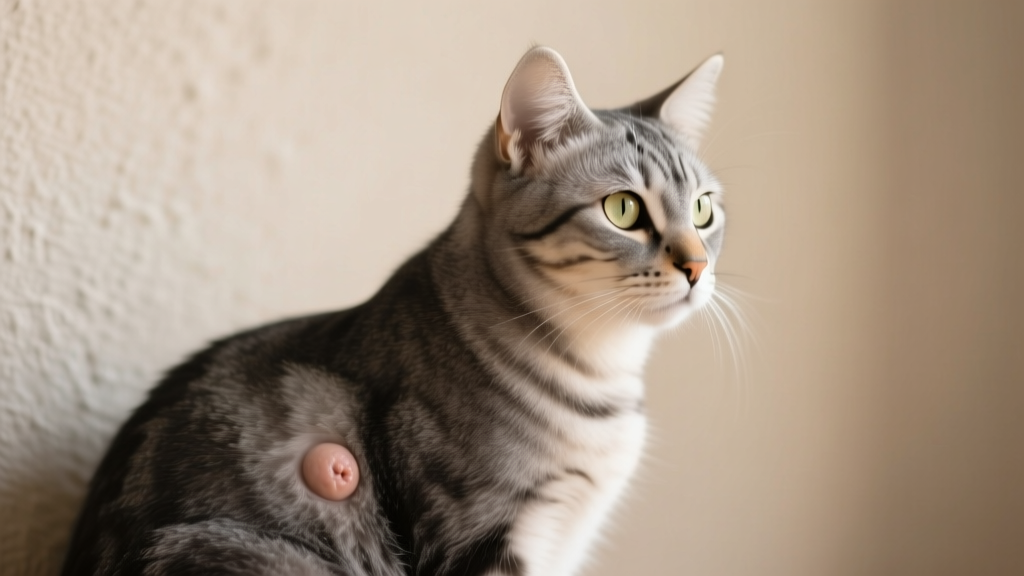
- Intermittent swelling that seems to appear, reduce, and reappear in a different spot
- Firm or tender lumps under the skin
- Itchy or painful areas; some cats overgroom or react when touched
- Redness, warmth, or localized inflammation
- Drainage tracts or small wounds that ooze (less common, but possible)
General or systemic signs
- Lethargy or reduced interest in play
- Decreased appetite
- Fever (may be mild and intermittent)
- Weight loss if illness is prolonged
Respiratory, eye, or neurologic signs (more urgent)
These are less common but more concerning because they may suggest migration into sensitive tissues.
- Coughing or breathing changes
- Squinting, eye redness, eye pain, cloudiness, or sudden vision problems
- Wobbliness, weakness, head tilt
- Seizures or sudden behavior changes
Practical at-home tip: If you notice a swelling or lump, take a quick photo and jot down the date, size, and location. If it “moves” or a new one appears, this timeline can be extremely helpful to your veterinarian.
4. Causes and risk factors
Cats typically become infected by eating something that contains Gnathostoma larvae. The parasite’s life cycle involves multiple hosts, and infection risk depends heavily on your cat’s lifestyle and environment.
Common risk factors
- Outdoor access, especially near ponds, lakes, marshy areas, or waterways
- Hunting and scavenging (frogs, fish, birds, reptiles, small mammals)
- Eating raw or undercooked fish/meat (including “treats” or homemade raw diets that aren’t properly formulated and frozen/handled)
- Living in or traveling to endemic regions (your vet will know what’s common locally)
- Stray/feral exposure or recent adoption of a cat with unknown history
How infection happens (plain-language version)
Larvae enter the cat’s body when infected prey or raw tissue is eaten. From there, larvae may move through the stomach wall and migrate into tissues. This wandering causes inflammation and the shifting clinical signs that can be so puzzling.
Owner action you can take today: If your cat hunts or roams, schedule a wellness visit to review parasite prevention appropriate for your region and your cat’s habits.
5. Diagnosis: what to expect at the vet
Diagnosing Gnathostoma can be tricky because many conditions can cause lumps, swelling, or inflammation (allergies, abscesses, other parasites, foreign bodies, tumors). Your veterinarian’s job is to narrow down the most likely causes and confirm when possible.
What your veterinarian may ask
- Does your cat go outdoors or hunt?
- Any access to raw fish or raw meat?
- Have you traveled with your cat or moved recently?
- How long have the lumps/swelling been happening, and do they change locations?
- Any coughing, eye issues, or neurologic signs?
Common diagnostic steps
- Physical exam with careful palpation of lumps and evaluation for pain, fever, or dehydration
- Basic lab work (CBC/chemistry). Some parasitic infections can be associated with increased eosinophils (a type of white blood cell), but this is not specific.
- Fine-needle aspirate (FNA) of a lump to examine cells and inflammation; occasionally larvae are detected directly, but not always.
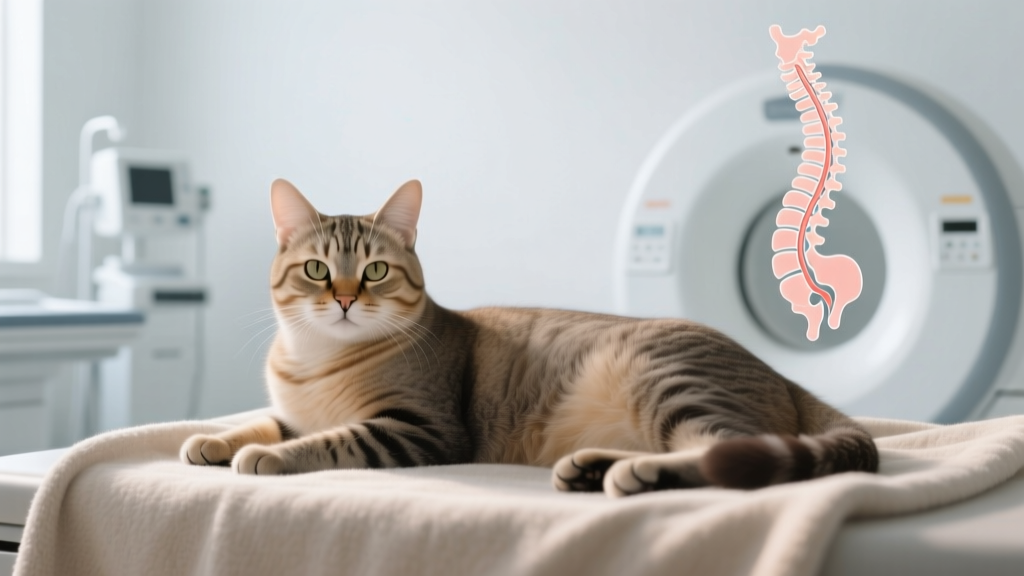
- Imaging such as ultrasound or radiographs if deeper tissue involvement is suspected
- Biopsy in select cases to identify parasite tracks/larvae or rule out cancer
- Specialized testing (varies by region). Some areas have access to serology or referral lab tests; your vet will advise what’s realistic and useful.
What to expect emotionally: It’s normal for diagnosis to take more than one visit, especially if symptoms are intermittent. Bringing photos, dates, and notes can shorten the time to a clear plan.
6. Treatment options (medical, surgical, home care)
Treatment depends on where the larvae are located, how severe the symptoms are, and whether your veterinarian can confidently diagnose Gnathostoma versus another condition.
Medical treatment
Veterinarians may use antiparasitic medications aimed at migrating larvae. The exact choice and dosing schedule are case-dependent and should be prescribed by your veterinarian. In some situations, your vet may also use:
- Pain relief/anti-inflammatory medications to keep your cat comfortable
- Antibiotics if secondary infection is suspected (for example, from skin damage or draining tracts)
- Supportive care such as fluids or appetite support if your cat is dehydrated or not eating
Important safety note: Do not give human pain relievers. Many are dangerous to cats. Always consult your veterinarian.
Surgical or procedural options
If a larva is localized and accessible (for example, within a discrete skin nodule), your veterinarian may recommend:
- Removal of the nodule and extraction of the parasite when feasible
- Exploration and flushing if there’s a tract or pocket of inflammation
Not every case is a surgical candidate—migrating larvae aren’t always easy to “catch” in one location.
Home care and monitoring
- Give all medications exactly as directed and finish the full course unless your vet instructs otherwise.
- Prevent licking/overgrooming of irritated skin (an e-collar may be needed temporarily).
- Keep your cat indoors during recovery to reduce stress, prevent injury, and avoid reinfection.
- Track changes: note appetite, energy, swelling size/location, and any new signs like coughing or eye squinting.
Immediate, practical comfort steps: Provide a quiet room, easy access to litter and water, and a soft resting area. If your cat is picky due to discomfort, ask your vet about safe appetite support options rather than switching diets abruptly.
7. Prevention strategies and early detection tips
Because infection often involves hunting or ingestion of raw prey, prevention focuses on reducing exposure and catching problems early.
Prevention you can start now
- Keep cats indoors or use supervised outdoor time (catio, leash/harness) to reduce hunting.
- Avoid feeding raw or undercooked fish/meat unless you’re working with a veterinarian or veterinary nutritionist and using appropriate sourcing/handling protocols.
- Secure trash and compost to prevent scavenging.
- Schedule routine wellness exams so subtle changes are caught early.
- Use veterinarian-recommended parasite prevention based on your cat’s lifestyle and local risks.
Early detection tips
- Do a quick weekly hands-on check: gently feel along your cat’s neck, shoulders, sides, belly, and legs for new lumps or tender areas.
- Watch for pattern changes: “lumps that come and go,” shifting discomfort, or recurring swelling deserves a vet visit.
- Keep a simple health log on your phone with photos and dates.
8. Prognosis and quality of life considerations
Many cats do well with timely veterinary care, especially when the problem is recognized before sensitive organs are involved. Prognosis depends on:
- Location of larval migration (skin/subcutaneous tissue is usually less risky than eyes or nervous system)
- Number of larvae and the degree of inflammation
- How quickly treatment begins
- Your cat’s overall health and any underlying disease
Quality of life is a central goal. Pain control, itch control, and reducing stress at home matter just as much as eliminating the parasite. If your cat seems uncomfortable between visits, call your veterinary clinic—adjusting medications or adding supportive care can make a big difference.
9. When to seek emergency veterinary care
Contact an emergency veterinary clinic right away if your cat has any of the following:
- Trouble breathing, open-mouth breathing, or persistent coughing with distress
- Sudden weakness, collapse, severe lethargy, or inability to stand
- Seizures, severe disorientation, or rapidly worsening neurologic signs
- Eye emergencies: sudden squinting, pawing at the eye, cloudiness, a bulging eye, or sudden vision loss
- Severe pain (crying out, hiding and growling when touched, hunched posture that doesn’t improve)
- Rapidly expanding swelling, extensive facial swelling, or swelling that interferes with eating
For non-emergency concerns—like recurring small lumps, intermittent swelling, or mild appetite changes—schedule a veterinary appointment promptly. Migratory issues are easier to manage when caught early.
10. FAQ: common questions from cat owners
Can indoor-only cats get Gnathostoma?
It’s much less likely, but not impossible. Risk increases if an indoor cat is fed raw/undercooked fish or meat, or if they occasionally escape outdoors and hunt. If your cat is truly indoor-only and eats a commercial cooked diet, the odds are low, but any unexplained, recurring swelling should still be checked by a veterinarian.
Is Gnathostoma contagious from cat to cat?
Direct “cat-to-cat” spread is not the typical route. Infection usually happens when a cat eats an infected host (prey/raw tissue). That said, multiple pets in the same household may share the same risk factors (outdoor access, hunting), so talk to your veterinarian about prevention strategies for all pets.
Can people get Gnathostoma from cats?
Gnathostoma can infect people in some regions, most commonly through ingestion of raw or undercooked intermediate hosts (such as certain fish or other animals), rather than from casual contact with pets. Good hygiene is still wise: wash hands after handling litter, outdoor gear, or anything contaminated. If you have concerns about human exposure, consult your physician and let them know about your cat’s diagnosis and your household’s dietary habits.
Will a routine dewormer fix it?
Not necessarily. “Deworming” is not one-size-fits-all, and medications vary in what parasites they treat. Some products target intestinal worms and may not be appropriate for migrating larvae. Your veterinarian will choose a treatment plan based on your cat’s symptoms, exam findings, and local parasite patterns.
What should I bring to the vet appointment?
- Photos of lumps/swelling (especially if they come and go)
- Dates and notes on where the swelling appeared and how long it lasted
- A list of foods/treats (including any raw items)
- Information about outdoor access, hunting behavior, and recent travel
- A list of current medications and preventives
How can I reduce risk if my cat insists on going outside?
Consider supervised options like a catio or leash walks, keep vaccinations and parasite prevention current, and reduce hunting opportunities (dawn/dusk curfews, bell collars where safe, enriched indoor play to reduce prey drive). The most effective step is limiting unsupervised roaming.
If you suspect your cat may have a migratory parasite or you’re seeing unexplained lumps, swelling, or recurring painful areas, schedule a veterinary visit. With the right plan, many cats recover well and return to their normal routines.
For more trustworthy, cat-parent-friendly health guides and prevention tips, visit catloversbase.com.