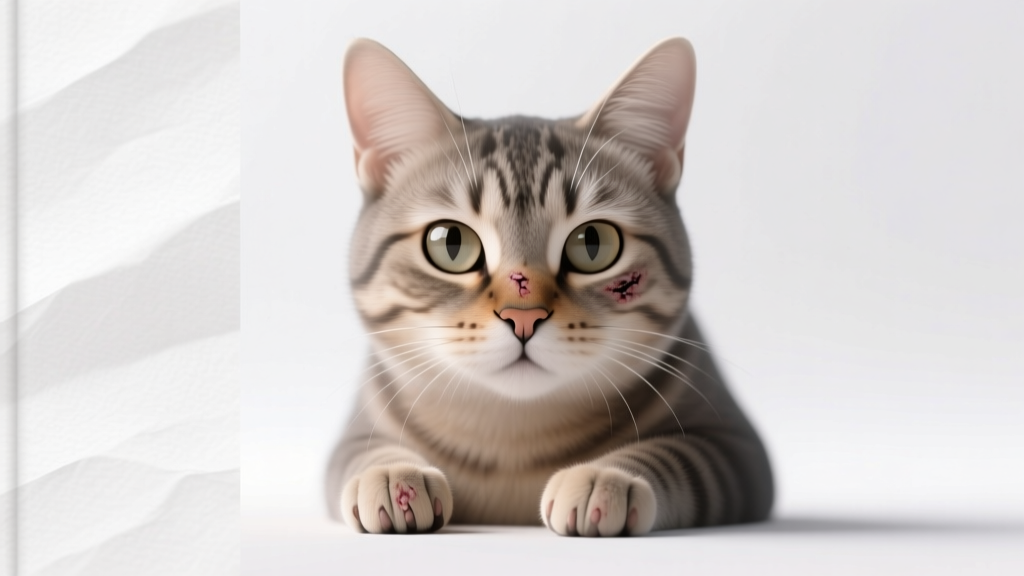
Feline Paraneoplastic Pemphigus: Cancer Skin Blistering
1. Why this topic matters to cat owners
Most cat parents are familiar with common skin issues like fleas, allergies, or the occasional scab from play. Paraneoplastic pemphigus (sometimes called paraneoplastic pemphigus foliaceus-like disease in cats) is different: it’s a rare but serious skin condition linked to an underlying cancer. Instead of being “just a skin problem,” it can be a visible clue that something deeper is happening inside the body.
The good news is that noticing skin changes early and getting veterinary care promptly can reduce discomfort, prevent infections, and sometimes lead to earlier detection of an internal tumor. If your cat develops sudden crusting, painful sores, or blisters—especially around the face, feet, or nipples—this is one of the conditions your veterinarian may consider among other more common causes.
2. Overview: what is feline paraneoplastic pemphigus?
Paraneoplastic pemphigus is an uncommon autoimmune skin disease that occurs because of an underlying tumor (neoplasia). “Paraneoplastic” means the symptoms are caused indirectly by cancer—often through immune system changes—rather than the tumor physically spreading to the skin.
In simple terms:
- Your cat develops a tumor somewhere in the body (commonly certain thymus tumors or other internal cancers).
- The tumor disrupts immune regulation.
- The immune system mistakenly targets proteins that help skin cells stick together.
- Skin layers separate, leading to blisters, erosions, crusts, and ulcers.
Because the skin barrier is damaged, cats are also at risk for:
- Secondary bacterial infections
- Dehydration (if large areas are affected)
- Pain and poor appetite
This condition is rare in cats, and many skin diseases look similar. That’s why a veterinary exam and diagnostic testing are essential—home diagnosis isn’t reliable or safe.
3. Symptoms and warning signs to watch for
Skin lesions from paraneoplastic pemphigus can appear suddenly and may progress quickly. They often involve the face and areas exposed to friction, but any region can be affected.
Common signs cat owners may notice
- Crusty scabs (yellow-brown crusts) that keep returning
- Blisters (may be hard to see because they rupture easily)
- Raw, weeping skin or open sores
- Ulcers around the mouth, lips, nose, or genital area
- Redness and swelling, especially on the face
- Footpad involvement: cracking, crusting, pain, or limping
- Nail bed inflammation or loss of claws in severe cases
- Hair loss around affected sites
- Itching may be mild in some cats, but discomfort can be significant
Whole-body signs that suggest more than a simple skin issue
- Decreased appetite or trouble eating (especially with mouth lesions)
- Lethargy, hiding, or reduced social behavior
- Weight loss
- Fever (sometimes)
- Enlarged lymph nodes noticed by your veterinarian
Practical at-home checks you can do today
- Look at your cat’s chin, lips, nose bridge, eyelids, and ear edges once a week.
- Gently check footpads for cracks, crusting, or tenderness.
- Monitor eating: dropping food, pawing at the mouth, or reduced grooming can signal pain.
- Take clear photos of new lesions every 2–3 days to document changes for your vet.
4. Causes and risk factors
Paraneoplastic pemphigus is driven by an abnormal immune response associated with an underlying tumor. The exact mechanism can vary, but the end result is immune-mediated damage to the connections between skin cells.
Potential underlying cancers linked with paraneoplastic skin disease
- Thymoma (a tumor of the thymus, located in the chest; a well-known association in cats for paraneoplastic syndromes)
- Other internal tumors may be involved, though associations are less common and can vary by case
Risk factors
- Middle-aged to older cats are more likely to have neoplasia overall.
- A history of unexplained weight loss or chronic illness may raise suspicion.
- No specific breed predisposition is consistently proven, but any cat can be affected.
Cat owners sometimes worry they “caused” this by diet or grooming products. This condition is not caused by poor care, and it is not contagious to people or other pets. The most helpful step is prompt veterinary evaluation.
5. Diagnosis: methods and what to expect at the vet
Because many skin diseases look alike, diagnosis usually requires multiple steps. Your veterinarian’s goal is to (1) confirm an autoimmune blistering disease and (2) find or rule out an underlying tumor.
Your vet visit may include
- Full physical exam including oral exam and lymph node check
- Skin cytology (pressing tape or a slide to the skin to look for bacteria/yeast and inflammatory cells)
- Skin biopsy (often essential): small skin samples are taken and sent to a veterinary pathologist
- Bacterial culture if infection is suspected or lesions are not responding to antibiotics
- Bloodwork and urinalysis to evaluate overall health before immune-suppressing medications
- Imaging to look for underlying cancer:
- Chest X-rays
- Ultrasound
- CT scan (especially helpful for thymus/chest masses)
Why biopsies matter
Autoimmune blistering diseases can mimic ringworm, severe allergies, mites, bacterial infections, or other pemphigus variants. A biopsy provides the best chance of a clear diagnosis and guides treatment choices. Your vet may recommend stopping certain medications before biopsy (or timing the biopsy strategically) because steroids can reduce diagnostic accuracy.
6. Treatment options (medical, surgical, and home care)
Treatment has two major goals: control the immune-mediated skin damage and address the underlying tumor. Your cat’s plan will be individualized based on overall health, cancer type/location, and severity of skin lesions.
Medical management
- Immunosuppressive medications to reduce autoimmune attack:
- Corticosteroids (e.g., prednisolone) are commonly used.
- Additional immunosuppressants may be added if steroids alone are not enough or to reduce steroid side effects (your vet will choose based on your cat’s needs).
- Antibiotics if secondary bacterial infection is present (often guided by cytology/culture).
- Pain control (very important for mouth/foot lesions). Never give human pain meds to cats.
- Topical therapy in select cases:
- Medicated wipes or gentle antiseptic rinses recommended by your vet
- Topical steroids may be used cautiously on limited areas
Surgical and cancer-directed therapy
- Tumor removal (for example, surgery for a thymoma when feasible) can be a key step and may significantly improve the skin disease in some cats.
- Oncology treatments such as chemotherapy or radiation may be recommended depending on tumor type.
- Your vet may refer you to a veterinary dermatologist and/or oncologist for advanced care.
Home care that helps right away (with vet guidance)
- Prevent licking and scratching: use an e-collar or soft recovery collar if your cat is traumatizing lesions.
- Keep lesions clean and dry: gently remove debris only if your vet has shown you how; avoid harsh soaps or hydrogen peroxide.
- Support eating:
- Offer soft, smelly foods warmed slightly (if mouth lesions are present).
- Use shallow bowls to reduce lip/nose friction.
- Track comfort: appetite, litter box habits, grooming, and mobility (especially if paws hurt).
- Medication routine: give meds exactly as prescribed and don’t stop steroids suddenly unless your vet instructs you to.
Safety note
Because these cats may be immunosuppressed, monitor closely for infection and keep up with veterinary rechecks. Ask your vet before introducing supplements, essential oils, or new topical products—some are toxic or irritating to cats.
7. Prevention strategies and early detection tips
There is no guaranteed way to prevent paraneoplastic pemphigus, but you can improve the odds of early detection and reduce complications.
- Schedule routine wellness exams (at least yearly, twice yearly for seniors). Many cancers are easier to manage when found early.
- Don’t ignore “minor” facial crusting that persists beyond 1–2 weeks or recurs repeatedly.
- Act quickly on painful lesions of the mouth or feet—these often require prescription pain relief and targeted treatment.
- Keep parasite prevention current so fleas/mites don’t confuse the picture or worsen skin trauma.
- Document changes with photos and notes (when it started, where it spread, appetite changes, any new medications).
8. Prognosis and quality of life considerations
Prognosis depends on two main factors: how well the underlying cancer can be treated and how responsive the skin disease is to immune therapy. Some cats improve significantly when the tumor is treated and the immune response settles down. Others may have ongoing flare-ups that require long-term medication.
Quality of life can often be supported by focusing on:
- Comfort: pain control, gentle skin care, and protecting lesions
- Nutrition: maintaining calorie intake, especially if mouth lesions make eating difficult
- Infection prevention: early treatment of secondary infections
- Monitoring medication side effects:
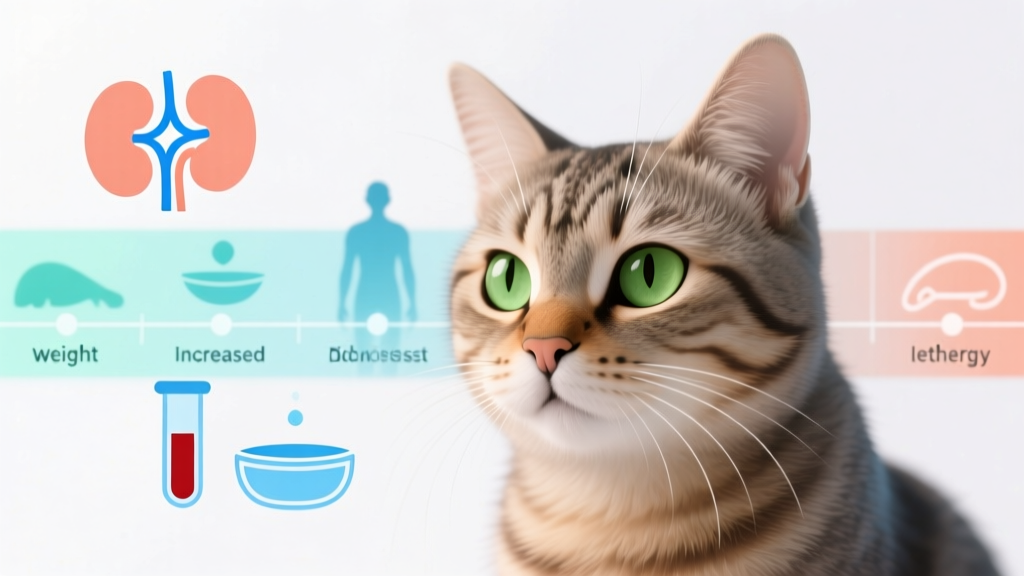
- Increased thirst/urination, increased appetite, weight changes
- Higher infection risk
- Changes in behavior or energy
Many cats do best with a team approach: primary veterinarian plus a dermatologist and oncologist when needed. Regular rechecks and lab monitoring are not “extra”—they’re how we keep treatment as safe and effective as possible.
9. When to seek emergency veterinary care
Contact an emergency clinic or urgent vet service right away if you notice:
- Trouble breathing, open-mouth breathing, or sudden rapid breathing (especially relevant if a chest mass is suspected)
- Not eating for 24 hours (or significantly reduced intake in a cat with mouth lesions)
- Severe lethargy, collapse, or weakness
- Rapidly spreading skin loss, extensive open sores, or significant swelling of the face
- Pus, strong odor, fever, or heat at lesions suggesting serious infection
- Signs of dehydration: sticky gums, sunken eyes, very low urine output
- Uncontrolled pain (crying, hiding, aggression when touched, limping severely)
If you’re unsure, call your veterinary clinic—describing symptoms and sending photos can help them triage appropriately.
10. FAQ: common questions from cat owners
Is paraneoplastic pemphigus contagious to people or other pets?
No. This is an immune-mediated condition linked to cancer. It does not spread between animals or to humans. That said, secondary infections on the skin can involve bacteria, so basic hygiene (hand washing after medicating or cleaning lesions) is still a good practice.
Could this just be allergies or fleas instead?
Yes—many cats with crusting and sores have allergies, fleas, mites, or infections. That’s why diagnosis is so important. If your cat’s skin disease is severe, unusual in location (like footpads and mouth), or not improving with standard treatment, your vet may recommend biopsies and cancer screening.
Will my cat need to be on steroids long-term?
Some cats require long-term immune therapy; others can taper down once the underlying tumor is treated and the skin stabilizes. Steroids must be used carefully in cats, with monitoring for side effects and infections. Never adjust the dose without veterinary guidance.
What does a skin biopsy involve, and is it painful?
A biopsy typically involves taking several small skin samples under sedation or anesthesia. Your cat should not feel pain during the procedure, and pain relief is provided afterward as needed. The information gained from biopsy often outweighs the short-term inconvenience.
If my cat has a tumor, does that automatically mean a poor outcome?
Not automatically. Some tumors are treatable or removable, and some cats respond well when the cancer is addressed. The outcome depends on tumor type, location, overall health, and response to therapy. Your veterinarian can give the most accurate guidance after imaging and biopsy results.
What can I do today while waiting for the vet appointment?
- Prevent scratching/licking (use a cone if needed).
- Keep your cat indoors and comfortable, away from rough play or irritants.
- Take photos and write down changes in appetite, energy, and lesion locations.
- Do not apply human creams, peroxide, alcohol, or essential oils.
- Schedule a veterinary visit as soon as possible—these cases do best with early intervention.
If your cat has persistent crusting, painful sores, or sudden widespread skin lesions, a veterinary exam is the safest next step. With prompt care, many cats can be kept comfortable while your veterinarian works to identify the cause and build an effective treatment plan.
For more practical, vet-guided cat health articles and supportive care tips, visit catloversbase.com.