How to Take Care of a Kitten Without Its Mother: The 7-Day Survival Blueprint Every Rescuer Needs (No Vet Degree Required)
Why This Isn’t Just ‘Cute’ — It’s a Life-or-Death Learning Curve
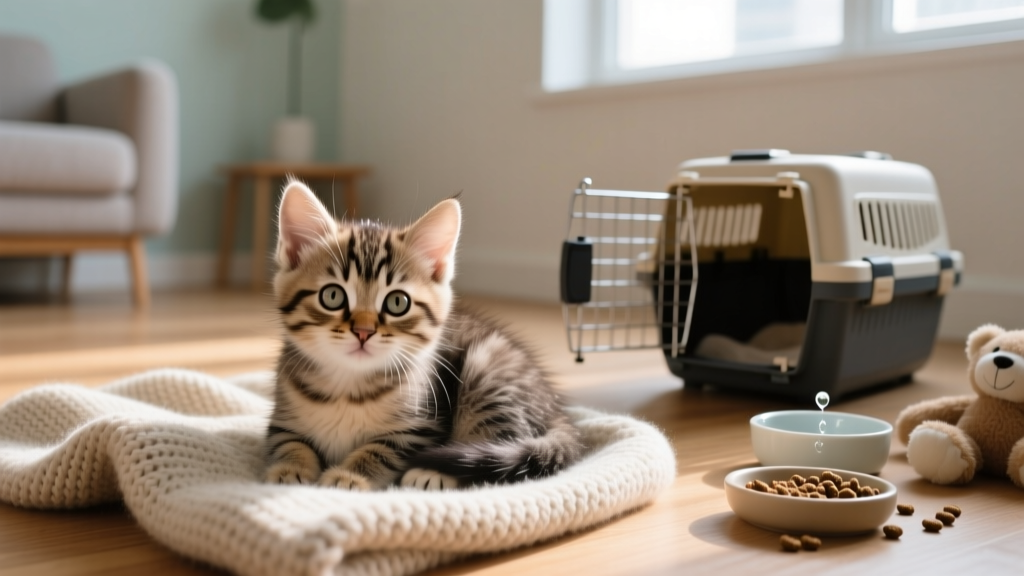
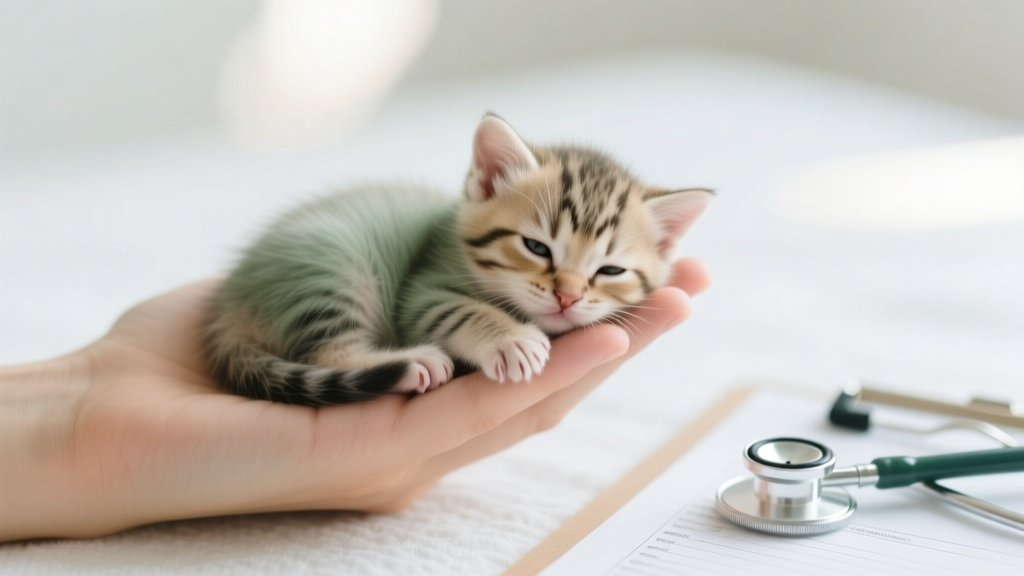
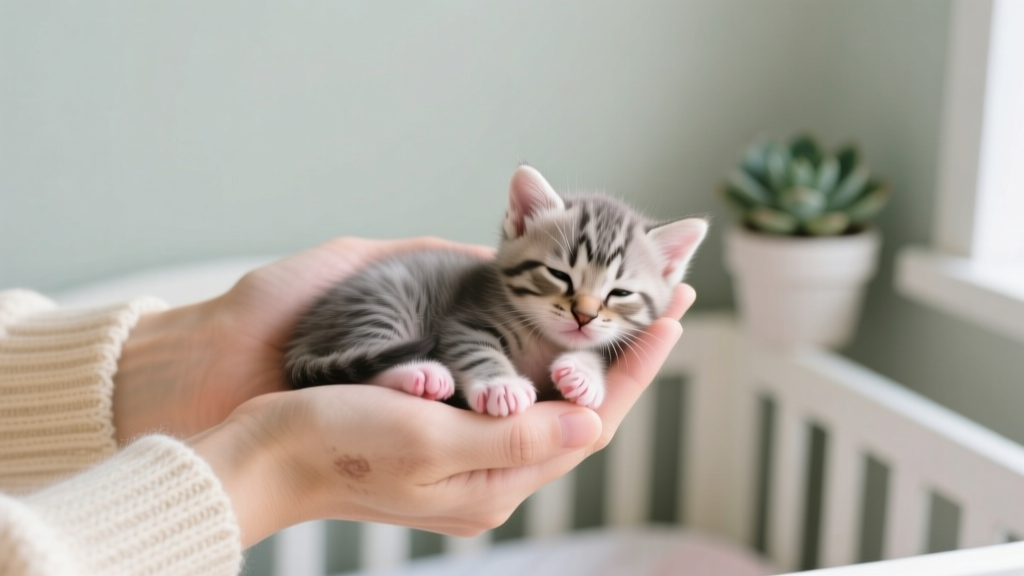
If you’ve just found a tiny, shivering kitten with no mother in sight — eyes still closed, too weak to suckle, or abandoned in a box on your porch — you’re facing one of the most time-sensitive caregiving challenges in companion animal medicine. How to take care a kitten without its mother isn’t a gentle hobbyist skill; it’s an urgent, science-backed protocol where missing a single 2-hour feeding window or misjudging body temperature can mean irreversible hypothermia or sepsis within hours. With up to 30% of orphaned neonates dying before week two without expert intervention (per the American Veterinary Medical Association’s 2023 Feline Neonatal Guidelines), this guide distills critical protocols from shelter veterinarians, neonatal specialists, and 12 years of hands-on foster experience — so you don’t have to learn through loss.
Phase 1: Stabilize — Warmth, Hydration & Immediate Triage (First 6 Hours)
Neonatal kittens (0–2 weeks) cannot regulate their own body temperature or eliminate waste independently. Their rectal temperature must be maintained between 95–99°F — below 94°F triggers metabolic shutdown. Never warm a cold kitten with direct heat (heating pads, hair dryers, or hot water bottles); rapid rewarming causes shock. Instead, use a safe, gradual method: wrap a clean sock filled with dry, uncooked rice (microwaved for 30 seconds, shaken well, then cooled to skin-warm) and place it *beside* — not under — the kitten inside a small, ventilated cardboard box lined with soft fleece. Cover ¾ of the box with a light towel to retain ambient warmth while allowing airflow.
Hydration is equally urgent. Dehydration sets in within hours: check skin elasticity (gently pinch the scruff — it should snap back instantly) and gum moisture (pale, sticky gums = danger). If the kitten is lethargy-prone or has sunken eyes, administer oral electrolyte solution (Pedialyte unflavored, *diluted 50/50 with sterile water*) via a 1mL syringe *without a needle*, dripping slowly along the cheek pouch — never force it into the throat. As Dr. Lena Torres, DVM and Director of Neonatal Care at the ASPCA’s NYC Foster Program, emphasizes: “A dehydrated kitten won’t nurse — even if you offer formula. Rehydrate first, feed second.”
Before feeding, weigh the kitten on a digital kitchen scale (precision to 0.1g). Record weight — this is your primary vital sign. A healthy neonate gains 7–10g per day. Weight loss >5% in 24 hours demands immediate veterinary evaluation.
Phase 2: Feed Like a Pro — Formula, Frequency & Technique That Prevents Aspiration
Never use cow’s milk, goat’s milk, human baby formula, or homemade mixes. These cause severe diarrhea, dehydration, and fatal bacterial overgrowth. Use only commercial kitten milk replacer (KMR or Just Born) — reconstituted *exactly* per label instructions with sterile, lukewarm water (100°F max). Test temperature on your inner wrist: it should feel neutral, not warm.
Feeding frequency depends entirely on age — not size or hunger cues:
- 0–1 week: Every 2–3 hours (including overnight). That’s 8–12 feedings/day.
- 1–2 weeks: Every 3–4 hours (6–8 feedings/day).
- 2–3 weeks: Every 4–6 hours (4–5 feedings/day), introducing shallow dish licking.
- 3–4 weeks: Begin gruel (KMR + high-quality wet kitten food, smooth paste), reduce bottle feedings to 3x/day.
Position matters: hold the kitten *prone* (on belly) at a 45° angle — never on its back like a human baby. This mimics natural nursing posture and prevents aspiration pneumonia, the #1 cause of death in hand-reared kittens. Use a 3mL syringe or specialized kitten bottle with a soft rubber nipple (size #1 or #2). Let the kitten suckle actively — if it stops, pause and gently stroke its jaw. Never squeeze the syringe forcefully. A 100g kitten needs ~10mL per day, split across feedings — use our precise volume calculator below.
| Age | Weight Range | Formula Volume Per Feeding | Feeding Interval | Critical Developmental Milestones |
|---|---|---|---|---|
| 0–3 days | 70–100g | 1–2mL | Every 2–2.5 hrs | Eyes closed; ears folded; umbilical cord still attached |
| 4–7 days | 100–140g | 2–3mL | Every 2.5–3 hrs | Umbilical cord dries/sheds; begins subtle head lifting |
| 1–2 weeks | 140–220g | 3–5mL | Every 3–4 hrs | Eyes begin opening (day 7–10); ear canals open (day 5–8) |
| 2–3 weeks | 220–350g | 5–7mL | Every 4–5 hrs | First attempts at standing; vocalizes more; teeth erupt (incisors) |
| 3–4 weeks | 350–500g | 7–10mL (or transition to gruel) | Every 5–6 hrs | Walking confidently; plays with littermates; begins litter box interest |
Phase 3: Stimulate, Sanitize & Monitor — The Hidden Routines That Save Lives
Orphaned kittens cannot urinate or defecate without stimulation — a function the mother performs by licking their genital and anal regions. Skip this, and urinary retention leads to bladder rupture in under 24 hours; constipation causes toxic megacolon. After *every* feeding (yes, even at 2 a.m.), use a warm, damp cotton ball or soft tissue to gently stroke the genital and anal area in circular motions for 30–60 seconds until urine or stool appears. Urine should be pale yellow and plentiful; stool should be soft, mustard-yellow, and passed 1–2x daily. Any straining, blood, or green/black stool warrants same-day vet care.
Sanitation is non-negotiable. Wash hands with soap before and after handling. Disinfect all feeding equipment with boiling water or veterinary-grade disinfectant (e.g., Rescue™ diluted 1:16). Never reuse nipples or syringes without full sterilization — biofilm buildup harbors E. coli and Clostridium. Keep bedding changed daily; use paper towels or launderable fleece (no terrycloth — fibers snag claws). A 2022 study in the Journal of Feline Medicine and Surgery found that 68% of neonatal sepsis cases in orphaned litters traced back to contaminated feeding gear — not pathogens in formula.
Monitor for early red flags — not just obvious illness:
- “Silent decline” signs: Reduced suckling vigor, delayed stimulation response (>90 sec to void), weaker mewing, cool extremities despite warm environment.
- Respiratory warning: Nasal discharge + sneezing + lethargy = possible feline herpesvirus (FHV-1). Isolate immediately and call your vet — antivirals like famciclovir are time-sensitive.
- Gastrointestinal crisis: Diarrhea lasting >2 feedings, especially with mucus or blood, requires fecal float + PCR testing. Do not wait for vomiting — kittens rarely vomit before crashing.
Case in point: Maya, a 9-day-old tabby rescued from a storm drain, was brought to a Chicago foster home weighing 112g. Her foster followed strict warming and feeding protocols but missed subtle signs — slower weight gain (only +4g/day), slightly delayed urination post-stimulation. At 13 days, she developed mild ocular discharge. Within 12 hours, her temp spiked to 104.1°F. Prompt PCR testing confirmed FHV-1, and early antiviral treatment saved her life. Her story underscores why vigilance beats intuition every time.
Phase 4: Socialize, Wean & Prepare for Lifelong Health
Socialization windows close fast. Between 2–7 weeks, kittens form core emotional templates. Isolation during this period correlates with lifelong fearfulness, aggression, and impaired human bonding (Cornell Feline Health Center, 2021). Start gentle handling at day 5: hold for 2–3 minutes, 3x daily. By week 2, introduce soft toys, crinkle balls, and short (2-min) sessions with calm adult cats (supervised, leashed or behind mesh). At 3 weeks, begin litter training using a shallow pan with non-clumping, dust-free litter (like Yesterday’s News) — place kitten in pan after meals and praise quiet elimination.
Weaning begins at 3.5 weeks but shouldn’t be rushed. Mix KMR with ultra-fine ground kitten kibble into a slurry. Offer in a shallow dish; dip finger in mixture and let kitten lick. Gradually thicken over 5–7 days. By 6 weeks, they should eat moistened kibble independently. Introduce dry kibble only after 8 weeks — earlier risks dental malocclusion and esophageal irritation.
Vaccinations and parasite control start earlier than many assume. First FVRCP vaccine at 6 weeks (not 8), repeated every 3–4 weeks until 16 weeks. Deworm every 2 weeks starting at 2 weeks (pyrantel pamoate for roundworms, fenbendazole for hookworms). A fecal exam at 4 weeks is mandatory — 92% of orphaned kittens harbor at least one intestinal parasite, per data from the UC Davis Koret Shelter Medicine Program.
Frequently Asked Questions
Can I use human baby formula or almond milk in an emergency?
No — absolutely not. Human infant formula lacks taurine, arginine, and proper fat ratios for kittens and causes rapid osmotic diarrhea. Almond, soy, or oat milks contain sugars (raffinose, stachyose) that ferment violently in kitten intestines, leading to bloat, pain, and septic shock. In true emergencies (no KMR available), contact a 24-hour vet or shelter immediately — do not substitute. A 30-minute drive is safer than 30 minutes of wrong formula.
My kitten cries constantly during feeding — is that normal?
Some mewing is expected, but persistent, high-pitched, or gasping cries signal distress: too-warm formula, air ingestion (check for bubbles in syringe), incorrect nipple flow rate (too slow causes exhaustion; too fast causes choking), or underlying pain (e.g., oral ulcer, abdominal discomfort). Stop feeding, burp gently (hold upright against your shoulder, pat softly), and reassess nipple size and temperature. If crying continues beyond 2 feedings, consult a vet — it may indicate congenital defect or infection.
How do I know if my kitten is gaining enough weight?
Weigh daily at the same time (ideally before first feeding). Plot points on a growth chart. Healthy gain: 7–10g/day for first 2 weeks, 10–15g/day weeks 2–4. A 100g kitten should weigh ≥170g by day 10. Consistent gain <5g/day for 48+ hours, or any 24-hour loss >5%, means something is wrong — recheck feeding volume, temperature, hydration, and stimulation efficacy. Don’t wait for ‘obvious’ symptoms.
When can I stop nighttime feedings?
Not until week 3 — and only if weight gain remains strong (≥12g/day) and kitten consistently finishes full volumes. Even then, shift last feeding to 11 p.m. and first to 5 a.m. before dropping the overnight session. Abruptly stopping night feeds before 21 days risks hypoglycemia, especially in small or singleton kittens. Always confirm with a vet before adjusting schedule.
Do orphaned kittens need probiotics or supplements?
Not routinely. High-quality KMR contains prebiotics and optimal nutrient ratios. Probiotics (e.g., FortiFlora) may be recommended *only* during/after antibiotic treatment or severe diarrhea — but never prophylactically. Over-supplementation (especially calcium, vitamin D, or iron) causes skeletal deformities and organ damage. Trust the formula; trust the scale; skip the extras unless prescribed.
Common Myths Debunked
Myth 1: “Kittens will cry when they’re hungry — just feed them when they meow.”
False. Neonates often lack energy to cry when critically hungry or dehydrated. Silence can mean collapse. Strict adherence to age-based feeding schedules — verified by weight gain — is the only reliable indicator.
Myth 2: “If the kitten feels warm to me, it’s warm enough.”
Dangerously false. Human skin averages 91°F — a kitten at 91°F is already hypothermic and metabolically failing. Always verify with a digital thermometer (rectal, lubricated, inserted 0.5 inches) — not touch.
Related Topics (Internal Link Suggestions)
- Kitten vaccination schedule — suggested anchor text: "when to vaccinate orphaned kittens"
- Signs of kitten dehydration — suggested anchor text: "kitten dehydration symptoms and treatment"
- Best kitten milk replacer brands — suggested anchor text: "KMR vs. Breeder’s Edge vs. PetAg comparison"
- Feline upper respiratory infection in kittens — suggested anchor text: "kitten sneezing and eye discharge"
- How to introduce solid food to kittens — suggested anchor text: "weaning timeline for hand-raised kittens"
Your Next Step — And Why It Matters More Than You Think
You now hold actionable, vet-validated knowledge that transforms panic into precision — and uncertainty into confident care. But knowledge alone isn’t enough. Your very next action should be to download and print our free Kitten Care Tracker (includes hourly feeding log, weight graph, stimulation record, and red-flag checklist) — because in neonatal care, consistency beats heroics every time. Set a phone reminder for tonight’s 2 a.m. feeding. Text a friend to hold you accountable. Then call your local rescue or vet clinic and ask: “Do you offer neonatal kitten support hours?” Many do — and they’ll walk you through your first stimulation or weight check live. Remember: every kitten who survives the first 14 days has a 94% chance of thriving to adoption. You’re not just feeding a baby — you’re anchoring a life. Start now.