How to Take Care a Kitten: The 7 Non-Negotiable Health & Safety Steps Every New Owner Misses (And Why Skipping #3 Doubles Vet Bills in Month One)
Why Getting Kitten Care Right in the First 8 Weeks Changes Everything
If you’re wondering how to take care a kitten, you’re not just learning routines—you’re building the biological, emotional, and immunological foundation that will shape their entire life. Kittens under 12 weeks old have immature immune systems, undeveloped social filters, and zero tolerance for nutritional gaps or environmental stress. According to the American Veterinary Medical Association (AVMA), nearly 40% of kitten mortality in the first two months is preventable—and most cases stem from avoidable oversights in temperature regulation, parasite treatment, or inappropriate feeding. This isn’t about perfection—it’s about precision at the right moments. What feels like ‘just a few days’ delay in deworming or socialization can trigger lifelong anxiety, digestive disorders, or vaccine failure. Let’s fix that—starting with what actually matters, not what Pinterest says.
1. The First 72 Hours: Stabilize, Observe, and Protect
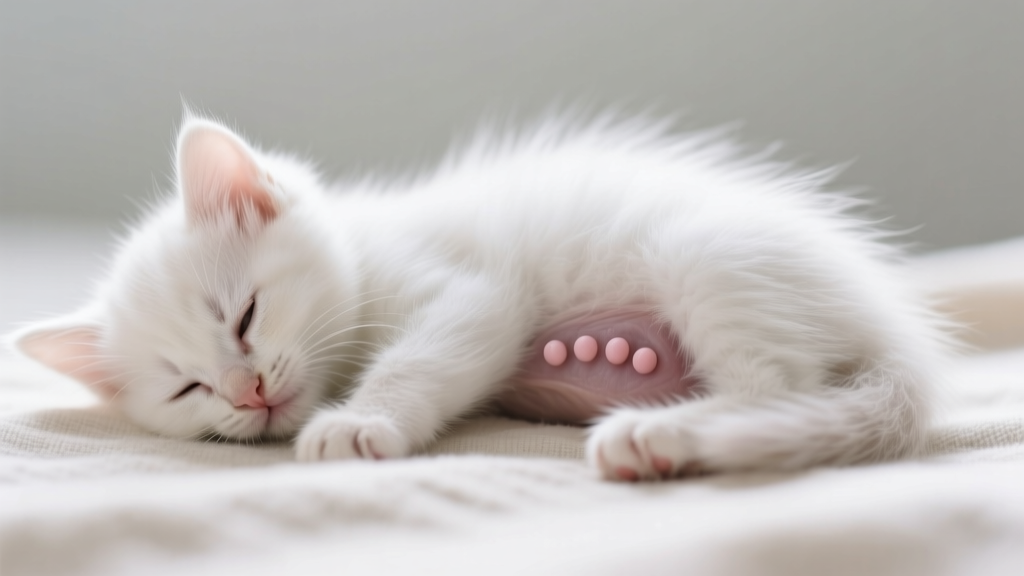
Your kitten’s first three days are a neurological and physiological triage window. They’re not ready for cuddles—they’re wired for survival. Dr. Lena Torres, DVM and founder of the Feline Neonatal Care Initiative, stresses: ‘A kitten’s core body temperature must stay between 95–99°F for the first 10 days. Below 94°F? That’s hypothermia—and it shuts down digestion, immunity, and even the ability to nurse.’
Here’s your evidence-backed action plan:
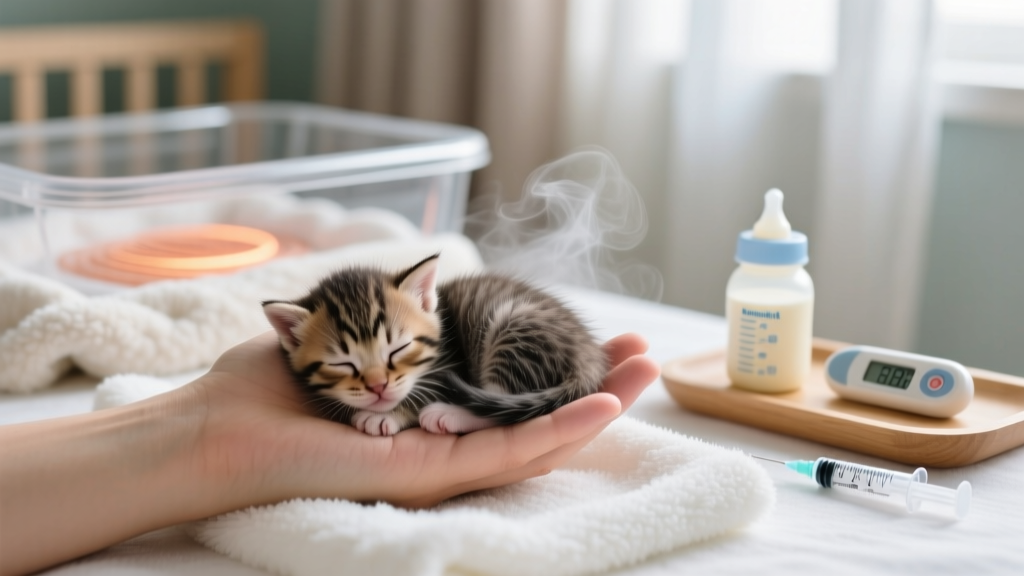
- Temperature control: Use a digital thermometer (not glass) rectally every 4–6 hours for neonates (<2 weeks). Place on a heating pad set to LOW *under half* a towel-lined box—not direct contact—to allow escape. Never use hot water bottles (burn risk) or human blankets (overheating).
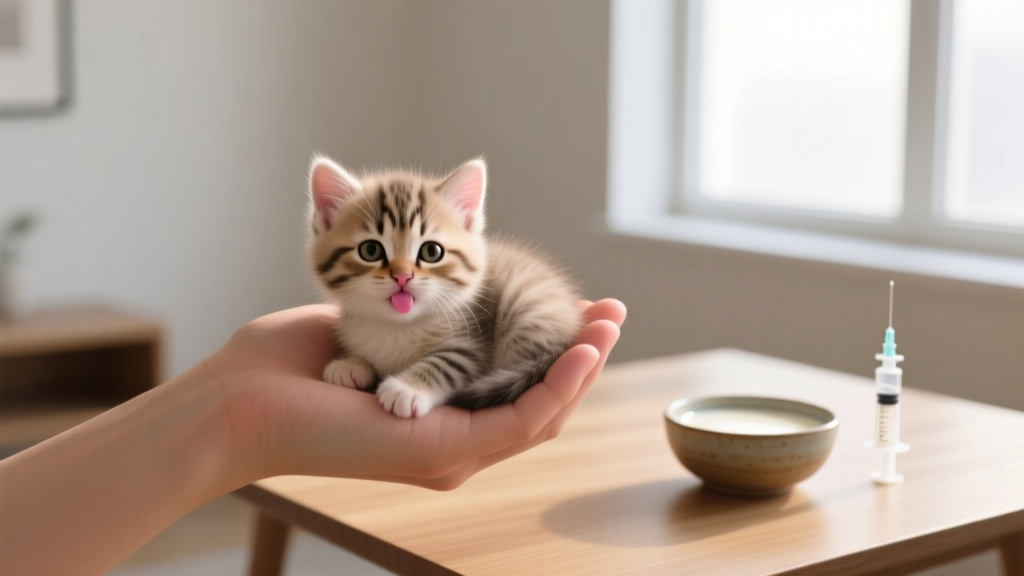
- Hydration & feeding: If orphaned or rejected, use kitten milk replacer (KMR) warmed to 98–100°F—not cow’s milk, soy, or homemade formulas (all cause fatal diarrhea). Feed every 2–3 hours for kittens under 2 weeks; use a 1–3 mL syringe (no nipples) to avoid aspiration. Weigh daily: they should gain 10–15g/day. A 24-hour weight loss >10% demands immediate vet assessment.
- Stool & urine monitoring: Stimulate urination/defecation after each feeding (until ~3 weeks) using warm, damp cotton ball gently rubbed over genital/anal area. Normal stool: yellow-mustard, soft but formed. Green, watery, or bloody stool = call your vet within 1 hour.
Real-world example: Maya, a first-time foster in Portland, assumed her 10-day-old kitten ‘just wasn’t hungry’ when he slept through feedings. At 36 hours, she noticed cool ears and shallow breathing. Emergency vet visit revealed severe hypoglycemia and dehydration—both fully preventable with consistent temp/weight tracking. She now keeps a laminated ‘First 72-Hour Log’ beside her bed.
2. The Critical 2–8 Week Window: Vaccines, Parasites, and Social Wiring
This phase is where ‘cute’ meets clinical urgency. Between 2–8 weeks, kittens transition from maternal antibodies (which block vaccines) to independent immunity—and that narrow gap is where parvovirus, panleukopenia, and feline herpesvirus strike hardest. Simultaneously, their brain’s socialization window slams shut at week 7. Miss it, and shyness becomes lifelong fear aggression.
Vaccination timing isn’t flexible—it’s physics. Maternal antibodies wane unevenly; vaccinating too early yields zero protection, too late leaves them exposed. The AVMA’s 2023 Feline Vaccination Guidelines recommend:
- First FVRCP (feline distemper/herpes/calicivirus) at 6 weeks—not earlier, unless high-risk shelter environment (then 4 weeks with vet approval).
- Boosters every 3–4 weeks until 16 weeks minimum—even if they ‘look fine.’ A single dose at 8 weeks gives <12% seroconversion (per Cornell Feline Health Center study).
- Rabies only at 12–16 weeks (species-specific vaccine required; no exceptions).
Parasite control is equally non-negotiable. Over 85% of kittens under 6 months carry roundworms or hookworms—often asymptomatic until anemia or intestinal obstruction develops. Deworming must begin at 2 weeks, repeat at 4, 6, and 8 weeks, then monthly until 6 months. Use fenbendazole (Panacur) or pyrantel pamoate—never over-the-counter dog products (toxic to cats).
Socialization isn’t ‘playing.’ It’s structured, low-stress exposure: 3+ people/day (different ages, voices, clothing), 2+ safe surfaces (carpet, tile, cardboard), gentle handling of paws/ears/tail for 5 seconds daily. Stop at first sign of flattened ears or tail flicking—pushing causes trauma, not trust.
3. Nutrition Beyond ‘Kitten Food’: Decoding Labels, Portion Sizes, and Transition Traps
‘Kitten food’ on the bag doesn’t guarantee adequacy. The AAFCO statement must read: ‘Formulated for growth and reproduction’—not ‘all life stages.’ Why? Kittens need 30% protein (dry matter basis), taurine ≥0.2%, DHA for neural development, and calcium:phosphorus ratio of 1.2:1. Many ‘premium’ brands fall short here.
Avoid these hidden pitfalls:
- Free-feeding dry kibble: Causes rapid weight gain, urinary crystals (especially in males), and dental plaque before teeth are mature. Kittens need 4–6 small meals/day of moisture-rich food (canned or rehydrated freeze-dried).
- Supplementing with calcium or vitamins: Can cause skeletal deformities (e.g., hypertrophic osteodystrophy) and vitamin A toxicity. Balanced commercial diets provide all needed nutrients—if fed correctly.
- Transitioning too fast: Switch foods over 10 days—not 7. Start with 90% old / 10% new on Day 1; increase new by 10% daily. Diarrhea on Day 3? Pause and hold at Day 2 ratio for 2 more days.
Portion control is science, not guesswork. Use this formula: Kitten weight (kg) × 200 kcal/kg = daily calories. Example: 0.8 kg kitten needs ~160 kcal/day. A 3-oz can of Wellness CORE Kitten has 110 kcal—so she needs ~1.5 cans + ¼ tsp of kitten-specific probiotic paste (for gut microbiome seeding).
| Age | Critical Action | Tools Needed | Red Flag Outcome if Missed |
|---|---|---|---|
| 0–2 weeks | Rectal temp checks every 4–6 hrs; stimulate elimination after each feed | Digital thermometer, KMR, syringe, scale (0.1g precision) | Hypothermia → sepsis; failure to pass meconium → toxic megacolon |
| 2–4 weeks | First deworming (fenbendazole); begin gentle handling + visual/auditory exposure | Fenbendazole suspension, soft brush, white noise app | Roundworm migration → pneumonia; poor handling → bite inhibition failure |
| 4–6 weeks | Introduce shallow litter box (non-clumping, unscented); start weaning to gruel (KMR + wet food) | Paper-based litter, ceramic dish, stainless steel spoon | Litter aversion → chronic inappropriate elimination; malnutrition → stunted growth |
| 6–8 weeks | First FVRCP vaccine; microchip implantation; begin nail trims (1 claw/day) | Vet-certified vaccine, ISO microchip scanner, kitten clippers | Parvovirus exposure → 90% mortality; unchipped kitten → 92% lower return rate if lost (ASPCA data) |
| 8–12 weeks | Spay/neuter consultation; introduce scratching post + interactive wand toy | Vet consult notes, sisal post, Da Bird wand | Early puberty → spraying/aggression; lack of prey-drive outlets → redirected biting |
4. Reading the Unspoken: Behavioral Signals That Predict Health Crises
Kittens don’t ‘act sick’—they hide illness until collapse. What looks like ‘sleepiness’ may be ketoacidosis. ‘Hiding’ could mean abdominal pain. Learn the 5 silent distress signals:
- Ears held sideways/back: Not just ‘grumpy’—indicates pain (dental, ear infection) or fever. Check ear temperature with infrared thermometer (normal: 100–102.5°F).
- Third eyelid protrusion: A pale pink membrane covering inner corner of eye = dehydration, neurological issue, or systemic infection. Requires vet within 24 hours.
- Slow blink frequency drop: Healthy kittens blink 15–20 times/minute. Below 5 = stress or ocular discomfort (check for discharge or squinting).
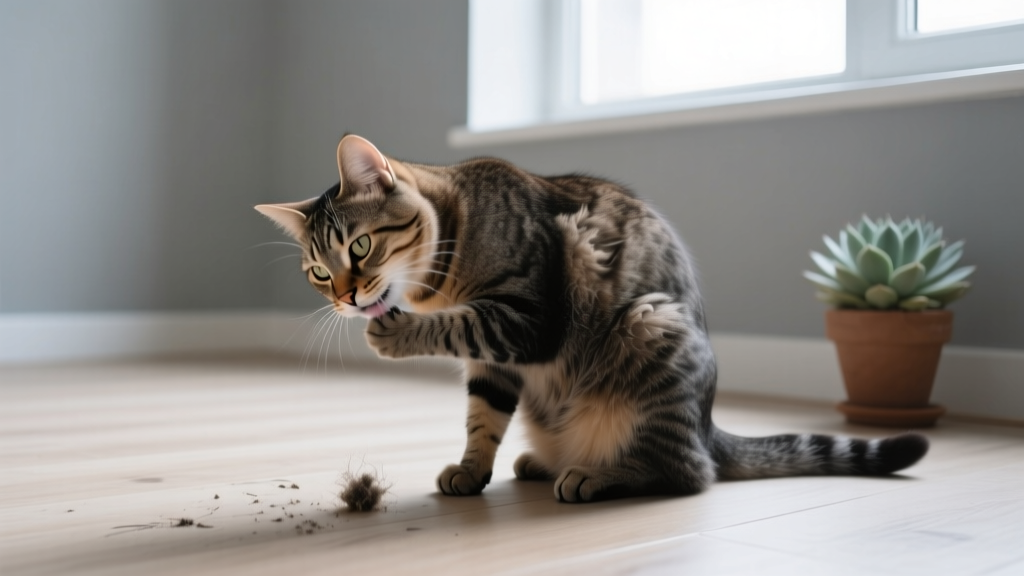
- Over-grooming one spot: Licking belly or paws excessively = abdominal pain or flea allergy dermatitis.
- Stiff, low tail carriage: Not relaxed ‘question mark’ tail—indicates fear or GI discomfort. Correlate with appetite changes.
Case study: When 9-week-old Jasper stopped chirping at birds outside the window—a behavior he’d done daily—his owner assumed boredom. Within 36 hours, he vomited bile and refused food. Bloodwork revealed early pancreatitis, likely triggered by dietary inconsistency. Early behavioral shift was his only warning.
Frequently Asked Questions
When should I take my kitten to the vet for the first time?
Within 24–48 hours of bringing them home—even if they seem perfect. This establishes baseline vitals (temperature, weight, hydration, parasite screening) and lets the vet assess developmental milestones. Waiting until ‘something seems wrong’ risks missing subtle issues like heart murmurs or congenital defects.
Can I bathe my kitten?
No—unless directed by a vet for medical reasons (e.g., pesticide exposure). Kittens cannot regulate body temperature well, and bathing strips protective skin oils. Clean soiled areas with warm, damp cloth only. Full immersion increases hypothermia and stress-induced cardiomyopathy risk.
Is it safe to let my kitten sleep in my bed?
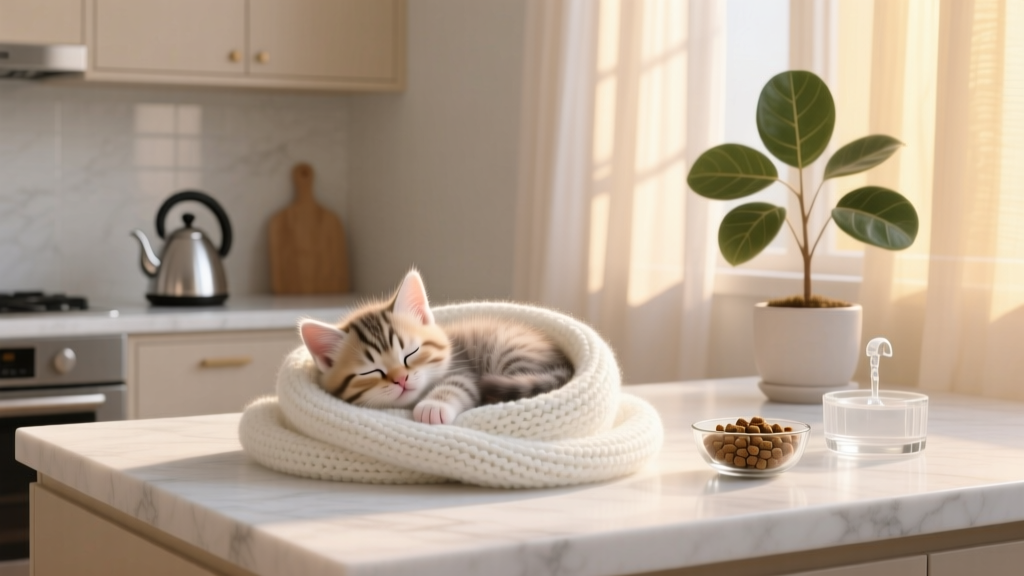
Not until they’re 12+ weeks old and fully vaccinated, dewormed, and flea-treated. Human bedding harbors dust mites, allergens, and pathogens kittens can’t fight. Also, accidental smothering or falls are leading causes of kitten injury in first month. Use a cozy, enclosed cat bed beside your bed instead.
How do I stop my kitten from biting during play?
Biting is normal—but redirectable. Never use hands as toys. When biting occurs, immediately freeze, withdraw attention for 20 seconds, then offer a wand toy. Reward gentle mouthing of toys with treats. Consistency for 10–14 days rewires the association. If biting breaks skin, consult a veterinary behaviorist—this may indicate pain or neurodevelopmental issues.
What human foods are toxic to kittens?
Strict no-list: onions/garlic (hemolytic anemia), grapes/raisins (acute kidney failure), chocolate (theobromine toxicity), xylitol (hypoglycemia/seizures), alcohol, caffeine, macadamia nuts. Even tiny amounts can be fatal. Keep all human food secured—and assume curiosity equals consumption.
Common Myths
Myth 1: “Kittens don’t need vaccines if they stay indoors.”
False. Indoor kittens are exposed to pathogens via your shoes, clothing, or airborne viruses from open windows. Panleukopenia virus survives on surfaces for up to 1 year. Unvaccinated indoor kittens have 7x higher fatality rates if exposed.
Myth 2: “Mother’s milk gives lifelong immunity.”
Maternal antibodies fade by 12–16 weeks—and they actively block vaccine efficacy before then. Relying on ‘mom’s protection’ leaves kittens vulnerable during peak susceptibility (6–12 weeks), when disease transmission is highest.
Related Topics
- Kitten Vaccination Schedule — suggested anchor text: "kitten vaccination timeline"
- Best Kitten Food Brands (Vet-Approved) — suggested anchor text: "top vet-recommended kitten food"
- How to Litter Train a Kitten Fast — suggested anchor text: "litter training a kitten in 3 days"
- Signs of Sick Kitten (Early Warning Guide) — suggested anchor text: "kitten sickness symptoms checklist"
- When to Spay/Neuter a Kitten — suggested anchor text: "optimal spay age for kittens"
Your Next Step Starts Today—Not Tomorrow
You now hold the precise, time-sensitive framework that separates thriving kittens from those struggling silently. how to take care a kitten isn’t a vague concept—it’s a sequence of biologically timed interventions, each with measurable outcomes. Don’t wait for ‘perfect conditions.’ Print the Care Timeline Table. Buy the digital scale and thermometer tonight. Call your vet tomorrow to book that first exam—and ask specifically for a neonatal assessment, not just a ‘wellness check.’ Your kitten’s resilience, trust, and longevity aren’t built in months. They’re forged in the first 8 weeks. Start now.