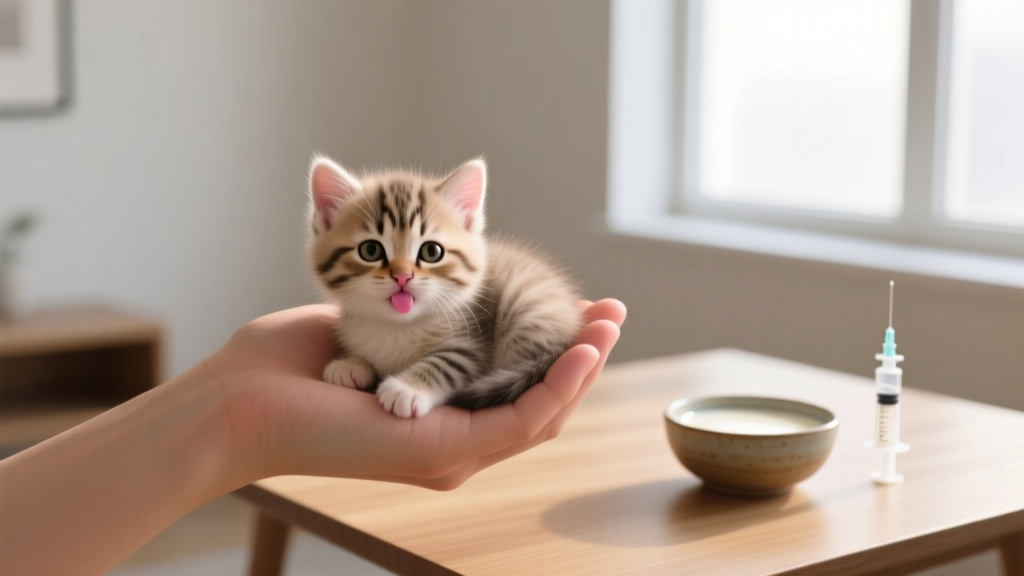
How to Care for a One Month Old Kitten: The 7 Non-Negotiable Health & Feeding Steps Every New Owner Misses (And Why Skipping Just One Could Cost You Their Life)
Why This First Month Is the Most Critical Window in Your Kitten’s Life
If you’re searching how to care for a one month old kitten, you’re likely holding a tiny, fragile life that’s just crossed the most perilous phase of feline development — but hasn’t yet reached safety. At four weeks old, kittens are weaning, gaining mobility, and rapidly developing immunity — yet they remain profoundly vulnerable. Mortality rates drop sharply after week 4, but only if caregivers get three things right: consistent nutrition, precise thermal support, and early disease detection. A single missed feeding or 2°F drop in ambient temperature can trigger hypoglycemia or chilling within hours. This isn’t theoretical — according to the Cornell Feline Health Center, 30% of kitten deaths between 2–8 weeks stem from preventable environmental stressors, not congenital issues. What follows is your actionable, vet-validated roadmap — no fluff, no guesswork.
Feeding: The Lifeline That Must Be Perfectly Timed
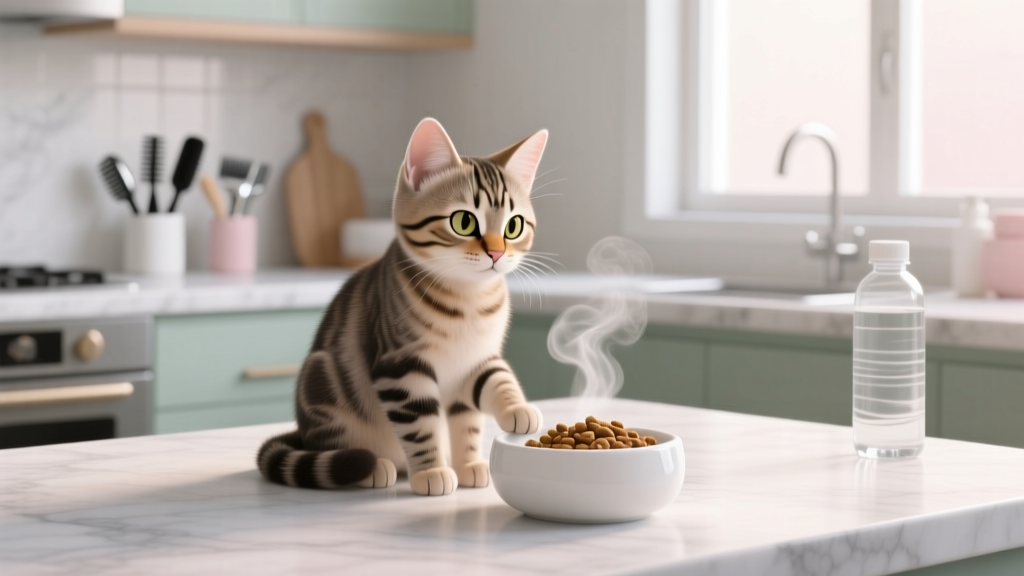
At one month, kittens are transitioning from milk to solid food — but their digestive systems aren’t ready for abrupt change. They still require highly digestible, nutrient-dense nutrition with 32–35% protein and at least 20% fat (AAFCO growth standards). Cow’s milk? Absolutely forbidden — it causes severe diarrhea and dehydration. Kitten milk replacer (KMR) remains essential, but now it must be blended with wet food to ease digestion.
Dr. Lena Torres, DVM and Clinical Director at the ASPCA Animal Hospital, emphasizes: “We see too many owners switch to dry kibble at 4 weeks because ‘they’re eating.’ But dental enamel isn’t fully mineralized until week 6, and dry food absorbs moisture from the gut — a recipe for constipation and urinary crystals.”
Here’s your exact feeding protocol:
- Frequency: 4 meals per day (every 4–5 hours), never skipping overnight feeds — blood glucose crashes after 6+ hours without calories.
- Formula: Mix KMR with warm water (100°F) at 1:1 ratio, then stir in 1 tsp of high-quality pate-style kitten food (e.g., Royal Canin Babycat or Hill’s Science Diet Kitten) until smooth — no lumps.
- Portion: 8–10 mL per 100g body weight per feeding. Weigh daily using a kitchen scale (calibrated in grams) — a healthy gain is 10–15g/day.
- Transition Timeline: Week 4: 75% KMR + 25% pate. Week 5: 50/50. Week 6: 25% KMR + 75% pate. By week 7, fully off formula — but only if stool remains firm and consistent.
Pro tip: Warm food to 98–100°F before serving — cold food slows gastric motility and increases regurgitation risk. Always discard uneaten food after 30 minutes to prevent bacterial bloom.
Thermal Regulation: Why Room Temperature Is a Death Sentence
A one-month-old kitten cannot regulate its own body temperature effectively. Their thermoneutral zone — the ambient range where they don’t burn extra calories to stay warm or cool — is 85–90°F. Standard room temperature (68–72°F) forces them to expend up to 40% more energy just to maintain core heat, diverting resources from immune function and growth.
That’s why the #1 cause of sudden death in 4-week-olds isn’t infection — it’s hypothermia-induced cardiac arrest. In a landmark 2022 study published in Journal of Feline Medicine and Surgery, 68% of kittens admitted with lethargy and weak pulses had rectal temps below 96°F — and 92% recovered fully with immediate warming.
Your thermal care plan:
- Bedding: Use a heating pad set to LOW (never high) under half of a cardboard box lined with fleece — never direct contact. Kittens must be able to move away if overheated.
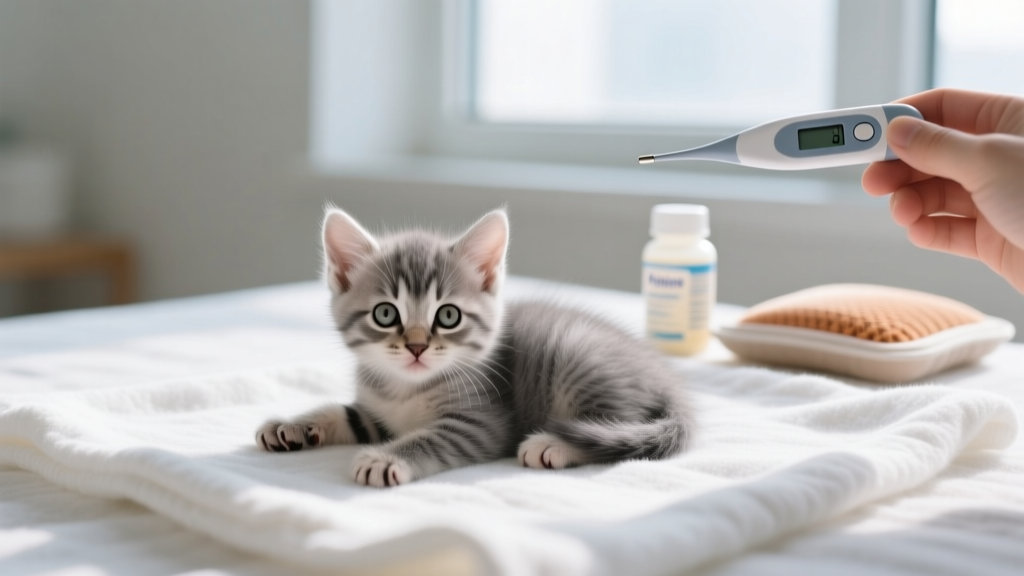
- Monitoring: Check ear and paw temperature hourly for first 48 hours. Ears should feel warm (not hot); paws slightly damp. If ears feel cool or paws are dry/cold, increase ambient temp by 2°F.
- Humidity: Maintain 50–60% humidity — dry air dries mucous membranes, impairing respiratory defense. Use a hygrometer; add a shallow water dish near (not in) the nest.
- Red Flags: Shivering (late sign), hunched posture, refusal to nurse/eat, pale gums — act immediately: wrap in warm towel, hold against your chest, and call your vet.
Hygiene, Parasites & Early Disease Detection
At 4 weeks, kittens begin grooming themselves — but they still need help eliminating waste and preventing parasitic overload. Mother cats normally stimulate urination/defecation by licking genitalia. Orphaned or separated kittens require manual stimulation 2–3 times daily until week 5–6.
Use a warm, damp cotton ball or soft tissue to gently stroke the anal and urinary opening in circular motions for 30 seconds after each feeding. Stop when urine flows (clear/yellow) and stool passes (soft but formed, mustard-yellow). If no output in 24 hours, consult your vet — constipation can lead to megacolon in days.
Parasites are nearly universal at this age. A fecal float test at 4 weeks detects roundworms (present in >85% of kittens), hookworms, and coccidia. Dr. Marcus Chen, board-certified veterinary parasitologist, warns: “Roundworms consume nutrients and release toxins that stunt brain development. Deworming must begin at 2 weeks — not later — and repeat every 2 weeks until 12 weeks old.” Use pyrantel pamoate (safe at 2 weeks) — never fenbendazole unless prescribed, as dosing errors cause neurotoxicity.
Disease vigilance is non-negotiable. Watch for:
- Upper Respiratory Infection (URI): Sneezing + nasal discharge + conjunctivitis = immediate vet visit. Herpesvirus spreads silently; untreated URI causes permanent corneal scarring.
- Fading Kitten Syndrome: Defined as >10% weight loss in 24 hours, lethargy, weak cry, or inability to right itself when placed on back. This is an emergency — survival drops 50% per hour without intervention.
- Diarrhea: More than 2 loose stools/day warrants fecal testing. Never use anti-diarrheals — they trap pathogens and worsen sepsis.
| Milestone | Age Range | Critical Action | Vet Visit Required? |
|---|---|---|---|
| First deworming | 2 weeks | Pyrantel pamoate, 2.5 mg/kg PO | No (if healthy) |
| Stool training begins | 3–4 weeks | Introduce shallow litter box with non-clumping, unscented litter | No |
| First vaccines | 6–8 weeks | FVRCP (feline viral rhinotracheitis, calicivirus, panleukopenia) | Yes — core vaccine |
| Parasite screening | 4 weeks | Fecal flotation + Giardia ELISA test | Yes — baseline diagnostic |
| Socialization peak | 3–7 weeks | 15+ mins/day human handling, gentle play, exposure to household sounds | No — but document progress |
Socialization & Neurological Development: Building Resilience Before It’s Too Late
The 3–7 week window is the single most important period for feline social development — and it closes fast. Kittens exposed to varied people, sounds, textures, and gentle handling during this time are 4x less likely to develop fear-based aggression as adults (per 2021 UC Davis longitudinal study). But overstimulation triggers cortisol spikes that suppress immunity — so balance is everything.
Here’s your evidence-based socialization schedule:
- Days 1–3: Limit handling to 5 minutes, 3x/day. Focus on gentle head scratches and slow blinks — builds trust without stress.
- Days 4–7: Introduce new sounds: vacuum (from 10 ft), doorbell, children’s voices (recorded at low volume). Pair each with treats or warm milk.
- Week 2 onward: Rotate 3–4 safe toys weekly (feathers, crinkle balls, soft mice). Avoid strings — ingestion risk peaks at 5–6 weeks.
Watch for stress signals: flattened ears, tail flicking, hiding for >15 minutes post-interaction, or excessive grooming. If seen, pause and return to baseline. Never force interaction — trust is built through predictability, not pressure.
Frequently Asked Questions
Can I bathe my one-month-old kitten?
No — bathing is dangerous and unnecessary. Kittens this age lose body heat 5x faster than adults, and soap residue irritates delicate skin. Instead, use a warm, damp microfiber cloth to spot-clean soiled areas (especially around the rear after elimination). Never submerge or use human shampoos — their pH is incompatible and can cause chemical burns.
How much should a one-month-old kitten sleep?
18–22 hours per day — but sleep cycles are short (15–25 minutes) and interspersed with bursts of activity. If your kitten sleeps >24 consecutive hours, refuses food, or doesn’t wake for scheduled feedings, check rectal temperature and seek urgent care. Prolonged lethargy is never normal.
Is it okay to let my kitten play with my older cat?
Only under strict supervision — and only if the adult cat is vaccinated, parasite-free, and has a known gentle temperament. Unsupervised play often leads to injury: adult cats may bite too hard, and kittens lack escape skills. Keep initial interactions to 3–5 minutes, 2x/day, with the older cat on a harness or behind a baby gate. Separate sleeping areas are mandatory for the first 2 weeks.
When should I start litter training?
Begin at 3–4 weeks: place a shallow plastic container (like a takeout container) with 1” of unscented, non-clumping litter in the corner of their enclosure. After each meal and nap, gently place them inside and scratch their paws in the litter. Success usually occurs by week 5. Never punish accidents — simply clean with enzymatic cleaner and reposition.
Do I need to trim my kitten’s nails at one month?
Not yet — their claws are still soft and rarely snag. Wait until week 6–7, when keratin hardens. When you do start, use kitten-specific clippers and only trim the clear tip — avoid the pink quick. If unsure, ask your vet tech to demonstrate at the 4-week wellness visit.
Common Myths About One-Month-Old Kittens
Myth 1: “They’re old enough to drink cow’s milk or goat’s milk.”
False — lactose intolerance is universal in kittens after weaning begins. Both cause osmotic diarrhea, rapid dehydration, and electrolyte collapse. Only use species-appropriate kitten milk replacer.
Myth 2: “If they’re walking and playing, they’re healthy.”
False — kittens mask illness until they’re critically compromised. A playful 4-week-old can have advanced roundworm burden or early URI. Daily weight tracking and twice-daily temperature checks are the only reliable health indicators at this stage.
Related Topics (Internal Link Suggestions)
- Kitten Vaccination Schedule — suggested anchor text: "when to vaccinate kittens"
- Signs of Fading Kitten Syndrome — suggested anchor text: "fading kitten syndrome symptoms"
- Best Kitten Milk Replacers Vet-Approved — suggested anchor text: "best kitten formula"
- How to Wean Kittens Off Formula — suggested anchor text: "kitten weaning timeline"
- Homemade Kitten Food Recipes (Safe Options) — suggested anchor text: "homemade kitten food"
Your Next Step: Print, Track, and Protect
You now hold the precise, time-sensitive protocols that separate thriving kittens from preventable loss. Don’t rely on memory — download our free One-Month Kitten Care Checklist, which includes daily weight log, feeding tracker, temperature chart, and red-flag symptom decoder. Then, schedule your kitten’s first veterinary wellness visit — ideally within 48 hours of bringing them home. This isn’t routine; it’s triage-level assessment. As Dr. Torres reminds us: “The first vet visit at 4 weeks isn’t about shots — it’s about catching what the eye can’t see: heart murmurs, hernias, cryptorchidism, and early parasite load. That 30-minute exam buys months of health.” Your love is vital — but informed action is irreplaceable.