Feline Vestibular Disease: Head Tilt and Balance Issues
1. Introduction: Why head tilt and wobbliness matter
Seeing your cat suddenly tilt their head, stumble, or act like the room is spinning can be frightening. Many owners worry it’s a stroke, a seizure, or that their cat is in severe pain. One common cause of these “drunk-looking” balance problems is feline vestibular disease, a condition that affects the body’s balance system. The good news is that many cases are treatable, and some improve dramatically with supportive care.
This topic matters because vestibular signs can appear quickly and look dramatic, yet the outcome can be very good when a cat is evaluated promptly and cared for safely at home. The key is knowing what to watch for, what counts as an emergency, and what your veterinarian needs to sort out the cause.
2. Overview: What vestibular disease is (plain-language explanation)
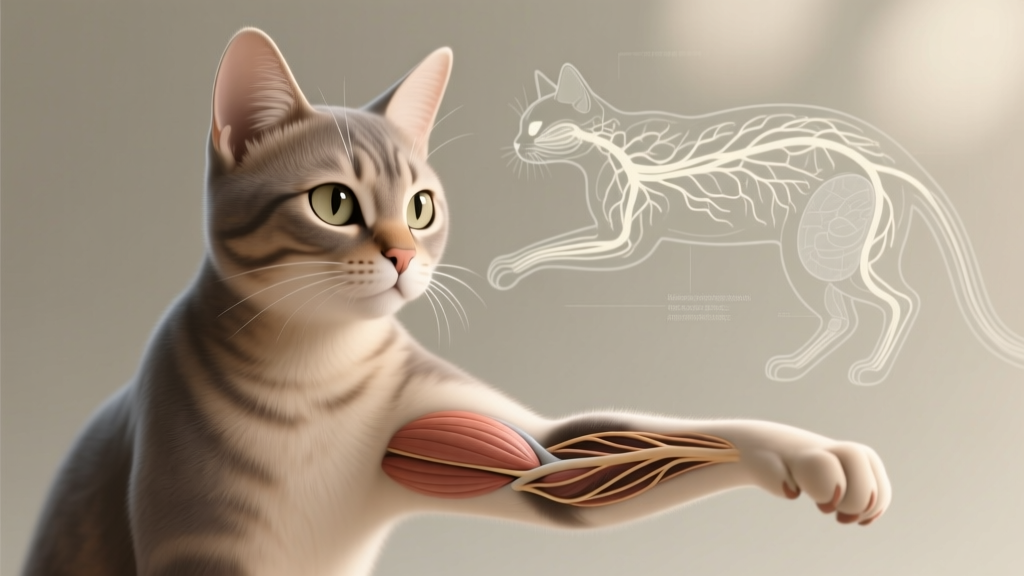
Your cat’s ability to stay upright and coordinated depends on a “balance network” called the vestibular system. It includes:
- Inner ear structures (especially the semicircular canals), which sense motion and head position
- Vestibular nerve, which carries balance information to the brain
- Brainstem and cerebellum, which process that information and coordinate eye and body movements
When something interrupts this system, your cat may feel intense dizziness (vertigo). That can cause a head tilt, loss of balance, nausea, and abnormal eye movements. Vestibular disease isn’t a single diagnosis—it’s a set of signs that can come from problems in the inner ear (peripheral vestibular disease) or in the brain (central vestibular disease).
Peripheral vestibular disease (inner ear/nerve) is more common and often has a better prognosis. Central vestibular disease (brain) can be more serious and needs thorough evaluation, but many central causes are still treatable when caught early.
3. Symptoms and warning signs to watch for
Vestibular signs can range from mild to severe. Many cats show symptoms suddenly, even if they seemed normal earlier that day.
Common signs of vestibular disease
- Head tilt (often toward the affected side)
- Loss of balance, wobbling, stumbling, or falling
- Circling or leaning to one side
- Nystagmus (rapid, involuntary eye movement—side-to-side or up-and-down)
- Disorientation or acting “confused”
- Nausea: drooling, lip-licking, vomiting, decreased appetite
- Reluctance to move due to dizziness
Signs that suggest a more serious (central) problem
- Weakness in the legs, trouble standing even with support
- Seizures
- Marked lethargy or difficulty staying alert
- Abnormal pupil size or poor pupil response to light
- Nystagmus that changes direction depending on head position, or vertical nystagmus
- Head pressing or significant behavior change
If your cat is showing any vestibular signs, contact a veterinarian the same day. Even if it turns out to be a benign cause, your cat can feel very unwell from dizziness and nausea.
4. Causes and risk factors
Vestibular disease can be triggered by a range of conditions. Your veterinarian’s job is to determine whether the issue is peripheral or central and identify the underlying cause.
Peripheral (inner ear) causes
- Middle/inner ear infection (otitis media/interna):
- May start as an external ear infection or occur deeper in the ear
- Can be associated with debris, odor, ear scratching, or pain (but not always)
- Inflammatory polyps (more common in younger cats):
- Benign growths that can extend from the middle ear to the throat region
- May cause noisy breathing, swallowing changes, or recurrent ear issues
- Trauma to the head/ear (falls, accidents)
- Ototoxicity (damage from certain medications/chemicals getting into the ear):
- This is why you should never put human ear drops or unapproved products in a cat’s ear
- Risk increases if the eardrum is ruptured
- Idiopathic vestibular syndrome:
- Means no cause is found despite evaluation
- Can improve on its own over days to weeks with supportive care
Central (brain) causes
- Inflammation or infection affecting the brain (e.g., meningoencephalitis; certain viral, bacterial, protozoal, or fungal infections)
- Tumors involving the brain or inner ear region
- Stroke or vascular events (less common in cats than some owners fear, but possible)
- Toxin exposure affecting the nervous system
Risk factors
- History of chronic ear problems
- Young cats with suspected nasopharyngeal polyps
- Senior cats (higher risk of tumors and some neurologic diseases)
- Outdoor access (higher risk of trauma, infections, toxin exposure)
5. Diagnosis: What to expect at the vet
Because vestibular signs can look similar across different conditions, a veterinary exam is essential. Expect your veterinarian to focus on two questions: Where is the problem located? (ear vs brain) and what caused it?
History questions your vet may ask
- When did symptoms start? Did they come on suddenly or gradually?
- Any vomiting, appetite changes, or recent falls/trauma?
- Any ear scratching, odor, discharge, or prior ear infections?
- Current medications, including any ear products used at home
- Indoor/outdoor status and possible toxin exposure
Physical and neurologic examination
- Otoscope exam to evaluate the ear canal and eardrum
- Neurologic checks (gait, reflexes, posture, cranial nerve function)
- Eye evaluation for nystagmus and pupil responses
- Blood pressure and basic vitals
Diagnostic tests that may be recommended
- Ear cytology (microscope exam of ear debris) and/or culture to guide antibiotic choice
- Bloodwork and urinalysis to assess overall health and rule out metabolic contributors
- Imaging:
- CT scan can be helpful for middle/inner ear disease
- MRI is best for evaluating brain and inner ear soft tissues
- Skull radiographs are less detailed but may be used in some settings
- Advanced sampling in select cases (for example, cerebrospinal fluid analysis) when central disease is suspected
If your cat is very nauseated or unable to stand safely, your vet may start supportive treatment right away while diagnostics are underway.
6. Treatment options: medical care, procedures, and home support
Treatment depends on the cause and severity. Many cats benefit from a combination of medications and careful home management to prevent injury while balance returns.
Medical treatment
- Anti-nausea medication:
- Helps with vomiting, drooling, and appetite loss
- Often improves comfort quickly
- Motion-sickness/vertigo support:
- Your veterinarian may prescribe medications to reduce dizziness and improve function
- Antibiotics or antifungals:
- Used when infection is suspected or confirmed
- Deep ear infections can require longer treatment than routine outer ear infections
- Pain control:
- Not every vestibular case is painful, but ear inflammation can be
- Anti-inflammatory medications:
- Used selectively depending on the underlying cause and your cat’s health status
Surgical/procedural options
- Polyp removal:
- Polyps may be removed via traction/avulsion or more advanced surgery (your vet will discuss the best approach)
- Some cats experience temporary vestibular signs after removal as the area heals
- Middle ear procedures:
- In chronic or severe middle ear disease, referral surgery may be considered
Home care: practical steps you can start today (after speaking with your vet)
- Create a safe recovery space:
- Use a small room or large crate where your cat can’t fall from furniture
- Block stairs and keep lighting soft to reduce disorientation
- Prevent falls:
- Remove jumping opportunities (cat trees, shelves) temporarily
- Use rolled towels or small bolsters around bedding for “bumpers”
- Make food and water easy:
- Offer shallow bowls
- Try smelly, palatable foods (warm wet food slightly) if appetite is low
- Support the litter box routine:
- Use a low-entry box
- Place puppy pads nearby in case your cat can’t make it in time
- Handle gently:
- Carry your cat with full-body support
- Avoid quick head movements that can worsen dizziness
- Give medications exactly as prescribed:
- Don’t stop antibiotics early
- Don’t use leftover ear drops or human medications
If your cat isn’t eating for more than 24 hours, contact your veterinarian promptly. Cats can develop serious complications from prolonged appetite loss.
7. Prevention strategies and early detection tips
Not all vestibular disease is preventable, but you can reduce risk and catch problems earlier.
- Check ears regularly:
- Look for redness, odor, discharge, head shaking, or sensitivity
- Schedule a vet visit if anything seems off
- Use only vet-approved ear products:
- Never put hydrogen peroxide, essential oils, or human ear drops into your cat’s ears
- If the eardrum is damaged, some products can worsen hearing and balance issues
- Address upper respiratory and chronic inflammation issues with your veterinarian, especially in young cats prone to polyps
- Reduce trauma risks:
- Keep cats indoors or supervise outdoor time
- Secure windows and balconies
- Senior wellness exams:
- Older cats benefit from regular checkups and baseline lab work to catch changes early
8. Prognosis and quality of life
Prognosis depends on the underlying cause, how quickly treatment starts, and whether the disease is peripheral or central.
- Idiopathic vestibular syndrome:
- Often improves noticeably within a few days
- Many cats recover well over 1–3 weeks, though a mild head tilt can persist
- Ear infections:
- Generally good with appropriate treatment
- Chronic or deep infections may take longer and sometimes recur
- Polyps:
- Many cats do very well after removal
- Recurrence is possible; follow-up matters
- Central causes (tumor, inflammation, stroke):
- Outcome varies widely
- Early imaging and targeted treatment provide the best chance for a good quality of life
Even when the head tilt doesn’t fully resolve, many cats adapt beautifully. The biggest quality-of-life goals are keeping your cat comfortable (controlling nausea), preventing falls, and ensuring they eat, drink, and use the litter box safely.
9. When to seek emergency veterinary care
Vestibular disease should be evaluated promptly, and some situations require emergency care the same day or immediately.
- Sudden onset of severe rolling, inability to stand, or repeated falling
- Seizures or collapse
- Severe lethargy, unresponsiveness, or trouble waking up
- Difficulty breathing or blue/pale gums
- Continuous vomiting or signs of dehydration (sticky gums, sunken eyes)
- Recent trauma (fall, hit by car) plus vestibular signs
- Known or suspected toxin exposure
- One-sided weakness or rapidly worsening neurologic signs
If you’re unsure, call an emergency clinic or your regular veterinarian for guidance. It’s always appropriate to seek professional help when balance and neurologic signs appear.
10. FAQ: Common questions from cat owners
Can vestibular disease go away on its own?
Some cases—especially idiopathic vestibular syndrome—can improve significantly with time and supportive care. Even then, your cat should be examined by a veterinarian to rule out infection, polyps, toxins, and central neurologic disease. Supportive medications for nausea can make a big difference in comfort and recovery.
Is a head tilt always permanent?
No. Many cats regain normal head posture as the vestibular system recovers. If the underlying cause damages the inner ear or nerve, a mild residual tilt can remain. Most cats adapt well and live comfortably with it.
How is vestibular disease different from a seizure?
Vestibular episodes usually cause dizziness, head tilt, nystagmus, and unsteady walking. Seizures often involve loss of consciousness, paddling, stiffening, jaw chomping, drooling, or loss of bladder/bowel control. Sometimes the signs can overlap or be hard to interpret at home, so a veterinary exam is the safest approach.
Should I try cleaning my cat’s ears at home if I suspect an ear infection?
Skip at-home ear cleaning until your veterinarian checks the ears. If the eardrum is ruptured, putting cleaners or drops into the ear can worsen pain and balance issues. Your vet can confirm whether cleaning is safe and prescribe the correct medication.
What can I do right now while I’m waiting for a vet appointment?
- Keep your cat in a small, quiet, well-lit room away from stairs
- Remove access to furniture and high perches to prevent falls
- Offer water and small amounts of strongly scented wet food
- Do not give human medications or leftover pet meds
- If symptoms are severe (rolling, collapse, repeated vomiting), go to an emergency clinic
Will my cat need a referral for advanced imaging like MRI or CT?
Sometimes, yes. If your veterinarian suspects middle/inner ear disease that isn’t responding as expected, or if there are signs suggesting a central brain problem, a referral for CT/MRI can provide critical information and guide treatment. Your vet will help you weigh cost, benefits, and urgency.
If your cat develops head tilt, wobbliness, or unusual eye movements, trust your instincts and contact your veterinarian. With the right evaluation and supportive care, many cats recover well and return to their normal routines.
For more practical, vet-informed cat wellness guides and health resources, visit catloversbase.com.