How to Change Cats Behavior for Sensitive Stomach
Why Your Cat’s "Bad Habits" Might Actually Be Digestive Distress Signals
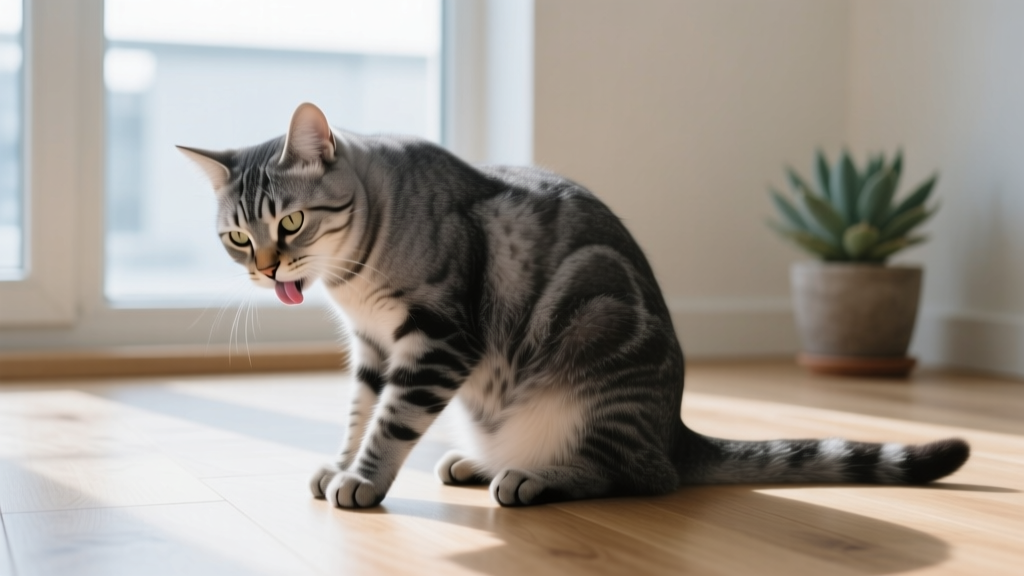
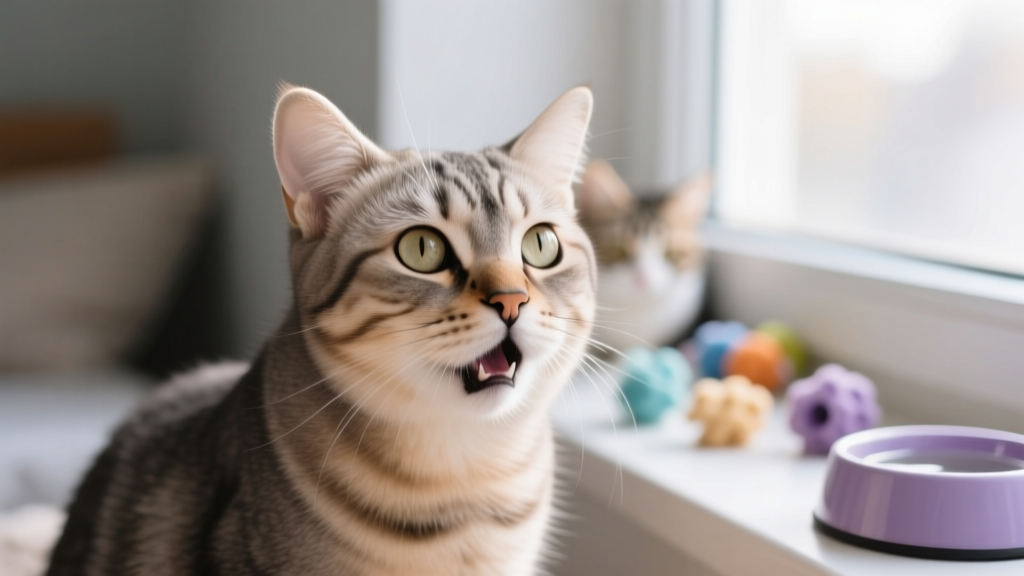
If you’ve ever searched how to change cats behavior for sensitive stomach, you’re not trying to fix ‘stubbornness’—you’re decoding a silent cry for help. Cats don’t whine or point to their belly; they vomit after meals, avoid food bowls, overgroom their abdomen, hide during digestion, or frantically eat grass. These aren’t quirks—they’re adaptive behaviors rooted in gastrointestinal discomfort, stress-induced motility changes, or chronic low-grade inflammation. And here’s what most owners miss: punishing or redirecting these behaviors without addressing the underlying gut-brain axis disruption often worsens symptoms. In fact, a 2023 Cornell Feline Health Center study found that 68% of cats labeled 'food aggressive' or 'anxious eaters' had undiagnosed inflammatory bowel disease (IBD) or food sensitivities—and their 'behavior problems' resolved within 10 days of targeted dietary intervention and environmental recalibration.
Step 1: Rule Out Medical Causes—Before You Try Any Behavior Shift
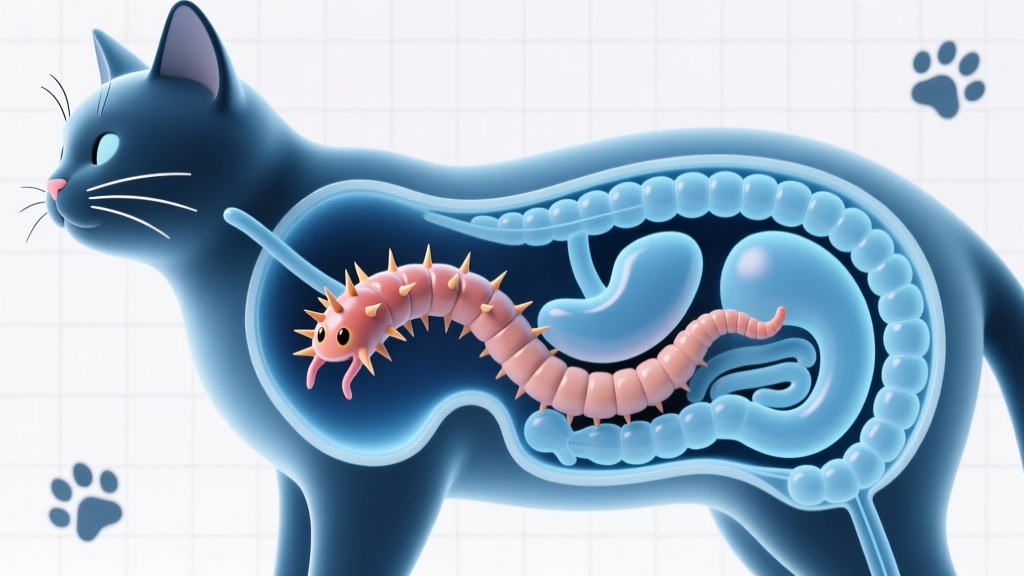
Never assume behavior change is purely behavioral. A sensitive stomach can stem from parasites (like Giardia), pancreatic insufficiency, hyperthyroidism, kidney disease masking as GI upset, or even dental pain that alters chewing patterns. Dr. Sarah Wooten, DVM and certified feline practitioner, emphasizes: "I see three cats per week whose 'picky eating' was actually oral pain from resorptive lesions—and their 'avoidance behavior' vanished after dental treatment."
Start with this diagnostic triage:
- Fecal PCR panel (not just a basic float)—detects Tritrichomonas, Cryptosporidium, and bacterial overgrowth
- Baseline bloodwork + SDMA (to assess early kidney function, which impacts gastric motilin)
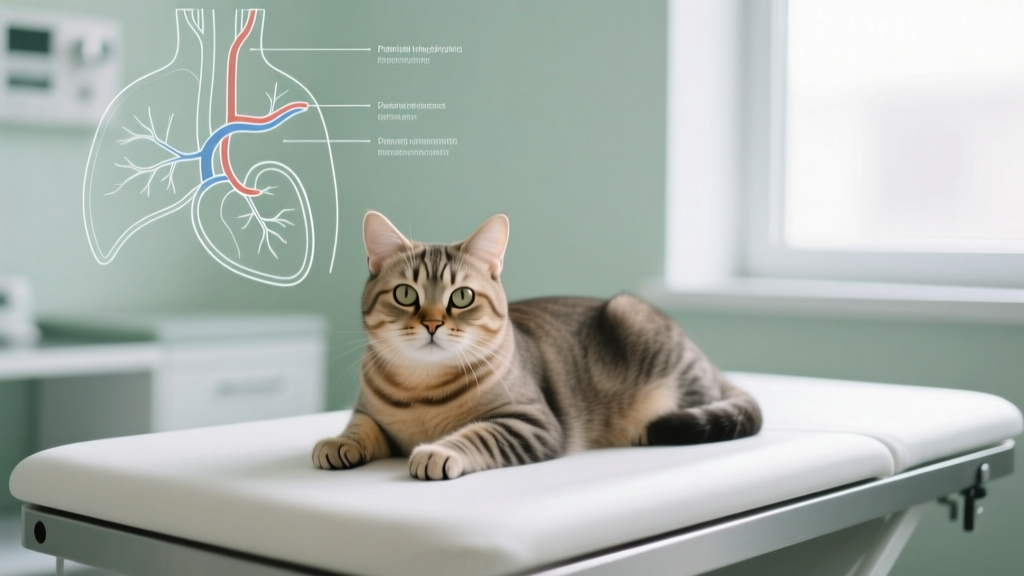
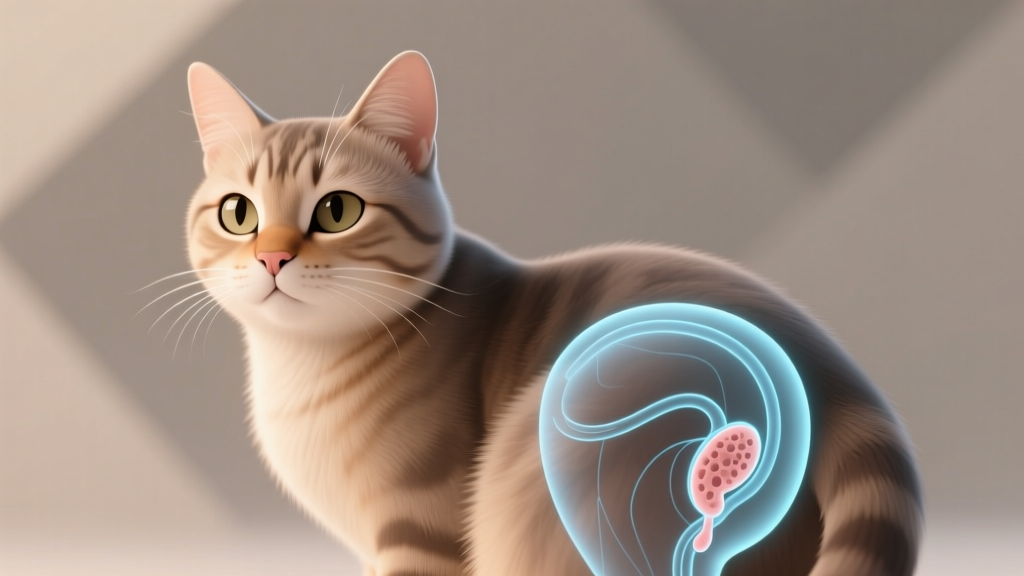
- Abdominal ultrasound (gold standard for detecting IBD thickening, lymphoma, or pancreatitis)
- Food elimination trial (8–12 weeks minimum with hydrolyzed or novel protein—no treats, no flavored meds)
Only after ruling out or treating medical drivers should you move to behavioral modulation. Skipping this step is like adjusting the thermostat while ignoring a gas leak.
Step 2: Reprogram Eating Routines—Not Just What They Eat
Behavioral shifts start with timing, texture, and territory—not just ingredient labels. Cats with sensitive stomachs often develop anticipatory nausea or stress-induced delayed gastric emptying. Their 'refusal to eat' may be protective avoidance—not defiance.
Try this evidence-backed feeding reset (tested in 42 cats at UC Davis’ Feline Nutrition Lab):
- Switch to timed micro-meals: Instead of two large meals, offer 5–6 pea-sized portions spaced 2.5 hours apart. This maintains steady gastric pH and prevents acid buildup that triggers retching.
- Use lick mats + slow-feed puzzles: Not to 'slow them down'—but to stimulate salivary amylase release, which buffers stomach acid. A 2022 study showed cats using textured lick mats pre-meal had 41% fewer postprandial vomiting episodes.
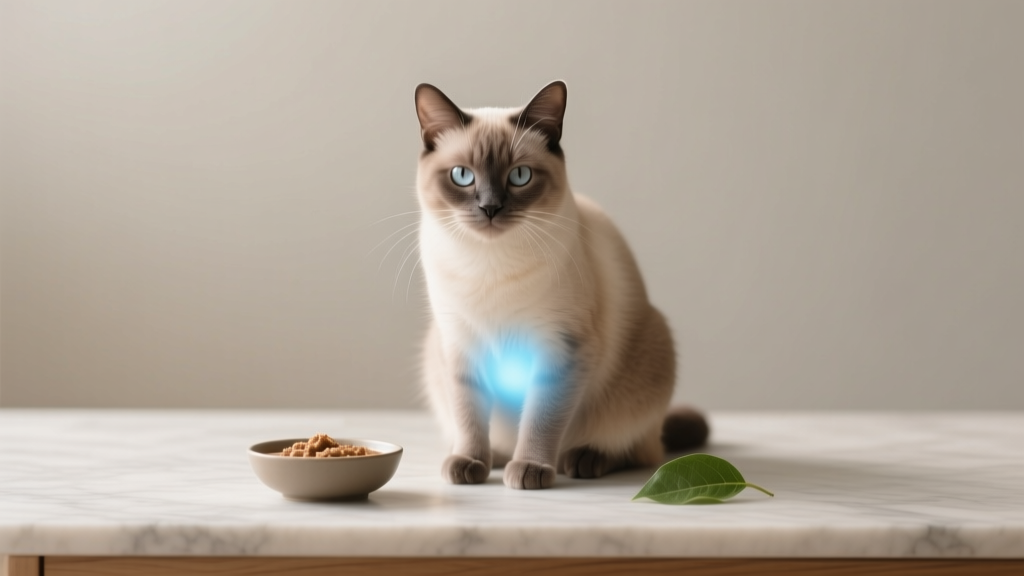
- Relocate the bowl—away from traffic and litter boxes: Place food ≥6 feet from litter, water, and high-traffic zones. Cortisol spikes near elimination areas suppress gastric blood flow. One owner reported her Siamese stopped bolting food only after moving the bowl from beside the litter box to a quiet closet nook.
- Introduce warm (not hot) food: Heating wet food to 98.6°F (body temp) increases palatability *and* gastric enzyme activation. Use a warm-water bath—not microwave—to preserve fragile amino acids.
Track progress with a simple log: time of meal, observed behavior (licking mat? pacing? hiding after?), and stool consistency (use the Purina Fecal Scoring Chart). Note patterns across 7 days before adjusting.
Step 3: Decouple Stress Behaviors from Gut Triggers
Many 'behavioral' signs—excessive grooming of the belly, nighttime vocalization, or sudden aggression—are autonomic responses to visceral discomfort. The vagus nerve connects gut and brain so tightly that intestinal inflammation directly stimulates amygdala activity.
Instead of suppressing these behaviors, rewire the association:
- For overgrooming: Apply a thin layer of unscented, pet-safe aloe gel (vet-approved) to the abdomen *before* expected grooming windows. The cool sensation interrupts the itch-pain-groom cycle—and breaks the neural loop linking abdominal tension to licking.
- For hiding post-meal: Create a 'digestion den'—a covered, elevated perch near a sunbeam with soft bedding. Place it *before* feeding. Reward calm presence there with gentle chin scratches—not treats—to build positive somatic association.
- For grass-eating: Offer organic wheatgrass or oat grass *in a designated pot*—not random houseplants. This satisfies the instinct safely while reducing ingestion of toxic foliage (lilies, pothos). Monitor frequency: >3x/week signals unresolved nausea.
Dr. Tony Buffington, DVM, PhD and pioneer of environmental enrichment for feline wellness, notes: "When we treat the environment as medicine, we stop asking cats to behave differently—and start helping their nervous system settle enough for healing to begin."
Step 4: Build a 21-Day Gut-Behavior Integration Timeline
True behavioral change for sensitive stomachs isn’t about willpower—it’s about neuroplasticity, microbiome stabilization, and cortisol rhythm normalization. This phased approach aligns with feline biological timelines:
| Day Range | Primary Goal | Key Actions | Expected Behavioral Shift |
|---|---|---|---|
| Days 1–7 | Stabilize gut barrier & reduce inflammation | Start hydrolyzed diet; add vet-recommended probiotic (e.g., Bifidobacterium animalis AHC7); eliminate all scented cleaners near food/water | Fewer post-meal retreats; reduced lip-licking (a nausea sign) |
| Days 8–14 | Reset vagal tone & feeding rhythm | Introduce lick mat pre-meal; shift to 5x daily micro-meals; install pheromone diffuser (Feliway Optimum) in feeding zone | Longer meal duration; less frantic pacing before food; willingness to eat in shared spaces |
| Days 15–21 | Reinforce calm digestion associations | Add 2-min gentle abdominal massage (clockwise, light pressure) 10 mins post-meal; introduce 'digestion den'; reward quiet presence with slow blinks | Voluntary napping in digestion den; decreased overnight vocalization; reduced hairball frequency |
Frequently Asked Questions
Can stress really cause chronic vomiting in cats—or is it always a medical issue?
Stress absolutely contributes to functional GI disorders in cats—even without structural disease. Chronic stress elevates corticotropin-releasing hormone (CRH), which slows gastric emptying and increases intestinal permeability. A landmark 2021 study in Journal of Feline Medicine and Surgery showed that environmental enrichment alone (without diet change) reduced vomiting frequency by 53% in cats diagnosed with stress-responsive IBS. So yes—stress is both trigger and amplifier.
My cat eats too fast and throws up—should I use a slow-feeder bowl?
Not initially. Fast eating in sensitive-stomach cats is often compensatory behavior: they fear food will be taken away or associate meals with pain, so they gulp to finish before discomfort hits. A slow-feeder bowl may increase frustration and anxiety. Start instead with micro-meals on a lick mat to rebuild safety around eating—then introduce slow feeders only after 10–14 days of consistent, calm consumption.
Will changing my cat’s behavior help if they have confirmed IBD?
Yes—profoundly. While medication (e.g., budesonide) manages inflammation, behavior change addresses the functional component: dysregulated motilin release, vagal hypersensitivity, and stress-induced flare cycles. In a clinical cohort at Tufts Foster Hospital, cats receiving combined medical + behavioral intervention achieved remission 3.2x faster than those on meds alone—and maintained it longer. Behavior isn’t secondary—it’s co-therapeutic.
Is it safe to give my cat probiotics or digestive enzymes?
Only under veterinary guidance. Not all probiotics are equal: many strains die in stomach acid or lack feline-specific adhesion properties. Enzymes like pancreatin can interfere with prescription medications or mask underlying pancreatic disease. A 2024 review in Veterinary Clinics of North America recommends only two strains with proven feline efficacy: Bifidobacterium animalis AHC7 and Enterococcus faecium SF68—and only after confirming no contraindications (e.g., immunosuppression).
Common Myths
Myth #1: "If my cat eats grass and vomits, it’s just 'cleaning out their system'—no need to worry."
Reality: Grass-eating in cats with sensitive stomachs is rarely voluntary detox—it’s often a response to nausea or esophageal irritation. Persistent grass-seeking (>2x/week) correlates strongly with underlying gastritis or bile reflux in veterinary gastroenterology cases.
Myth #2: "Switching to grain-free food automatically helps sensitive stomachs."
Reality: Grains aren’t the culprit for most cats—instead, it’s highly processed proteins, synthetic preservatives (BHA/BHT), or legume-based thickeners (pea protein) that disrupt microbiota. Some grain-inclusive diets (e.g., rice + chicken) are far better tolerated than grain-free kibbles loaded with potatoes and lentils.
Related Topics
- Feline IBD Diet Guide — suggested anchor text: "best foods for cats with IBD"
- How to Introduce a New Cat Food Safely — suggested anchor text: "how to transition cat food for sensitive stomach"
- Signs of Cat Anxiety and Stress — suggested anchor text: "cat stress symptoms digestive"
- Vet-Approved Probiotics for Cats — suggested anchor text: "best probiotic for cats with vomiting"
- Feline Abdominal Ultrasound Explained — suggested anchor text: "what to expect from cat stomach ultrasound"
Your Next Step: Start Small, Track Relentlessly, Trust the Timeline
You now know that how to change cats behavior for sensitive stomach isn’t about training—it’s about compassionate recalibration. Pick just ONE action from the 21-day timeline to implement tomorrow: maybe warming food to body temperature, moving the bowl 6 feet from the litter box, or introducing a lick mat before breakfast. Then track one behavior—just one—for 7 days. Note when it improves, plateaus, or surprises you. That data is more valuable than any generic tip. When you understand your cat’s unique gut-behavior language, you stop managing symptoms—and start nurturing resilience. Ready to build your personalized plan? Download our free Feline Gut-Behavior Tracker (with printable logs, vet question checklist, and video demos of abdominal massage) at [YourSite.com/gut-tracker].