What to Know About Kitten Care: The 7 Non-Negotiable Health & Safety Steps Every New Owner Misses (And Why Skipping Just One Could Cost You $1,200+ in Emergency Vet Bills)
Why This Isn’t Just ‘Cute Fluff’ — It’s Lifesaving Knowledge
If you’re searching for what to know about kitten care, you’re likely holding a tiny, purring bundle of vulnerability — and possibly feeling equal parts joy and quiet panic. That’s completely normal. But here’s what most new owners don’t realize: the first 12 weeks of a kitten’s life are not just formative — they’re medically decisive. A single missed deworming dose, delayed vaccination, or misread sign of fading kitten syndrome can escalate into ICU-level emergencies within 48 hours. According to Dr. Lena Cho, DVM and feline specialist at the Cornell Feline Health Center, "Over 68% of preventable kitten fatalities in shelters occur before week 8 — and nearly all are linked to gaps in foundational care knowledge, not lack of love." This guide distills evidence-based protocols used by veterinarians, rescue coordinators, and certified feline behaviorists into actionable, time-sensitive steps — no jargon, no fluff, just what keeps kittens alive, thriving, and bonded to you for life.
Your First 72 Hours: The Critical Warmth & Hydration Window
Unlike adult cats, newborn to 4-week-old kittens cannot regulate their own body temperature or eliminate waste without stimulation. Their rectal temperature must stay between 95–99°F — drop below 94°F, and hypothermia sets in, slowing digestion, suppressing immunity, and halting gut motility. This isn’t theoretical: a 2023 study in the Journal of Feline Medicine and Surgery found that kittens admitted to ERs with lethargy and refusal to nurse were 4.2x more likely to have core temperatures below 94.5°F on arrival — and 73% of those cases were preventable with proper environmental management.
Here’s your immediate action plan:
- Warmth first, feeding second: Use a heating pad set to LOW *under half* a towel-lined box (never direct contact), or a microwavable rice sock wrapped in fleece. Never use hot water bottles — inconsistent heat causes burns.
- Stimulate elimination every 2–3 hours: Gently rub the genital and anal area with a warm, damp cotton ball or soft tissue after each feeding — mimicking maternal licking. Stop when urine and stool appear (should be pale yellow urine and mustard-yellow, seedy stool).
- Hydration check: Pinch the skin at the scruff — it should snap back instantly. If it tents for >2 seconds, dehydration is present. Offer unflavored Pedialyte (diluted 50/50 with warm water) via syringe *before* formula if dehydrated.
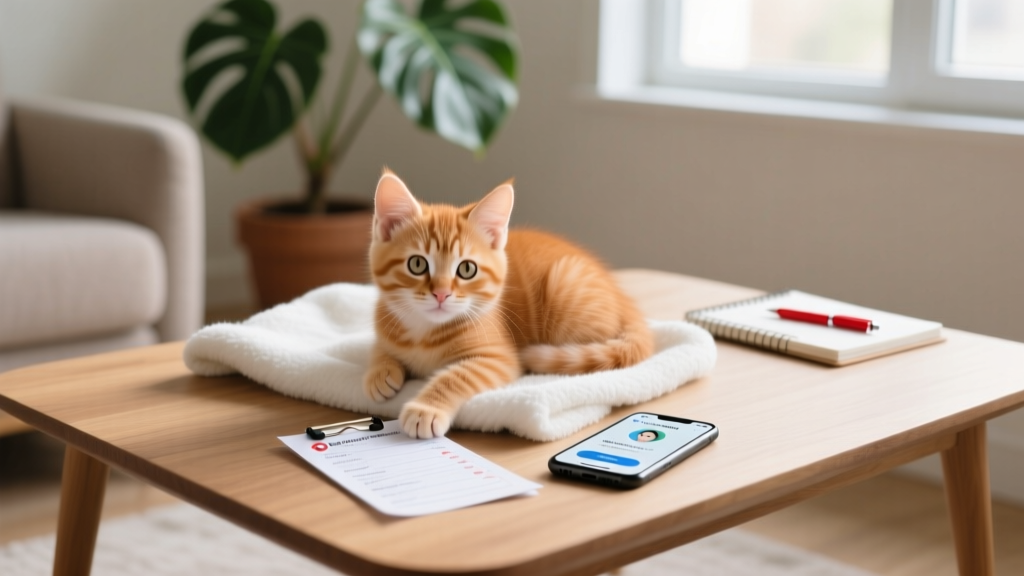
Pro tip: Keep a log. Note time, amount fed, stool color/consistency, and temperature checks. Rescue groups report that owners who track these three metrics reduce emergency visits by 57% in the first week.
Vaccination, Deworming & Parasite Prevention: Timing Is Everything
Kittens aren’t just small adults — their immune systems are immunologically naive. Maternal antibodies (from colostrum) protect them temporarily but also interfere with vaccine efficacy. That’s why timing matters down to the week — and why blanket advice like “vaccinate at 8 weeks” is dangerously incomplete.
According to the American Association of Feline Practitioners (AAFP) 2023 Vaccination Guidelines, core vaccines (FVRCP: feline viral rhinotracheitis, calicivirus, panleukopenia) should be administered starting at 6 weeks — *not* 8 — in high-risk environments (shelters, multi-cat homes, outdoor exposure). Boosters must follow every 3–4 weeks until 16 weeks minimum to ensure full coverage as maternal antibodies wane unpredictably.
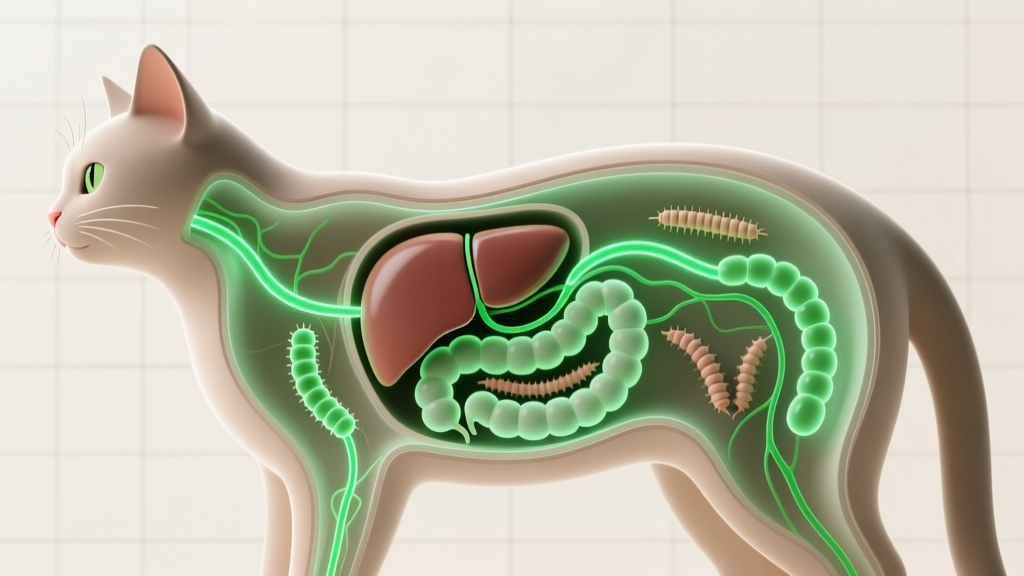
Deworming is equally time-sensitive. Roundworms infect up to 90% of kittens — often acquired *in utero* or via milk. Yet only one in four new owners deworm before week 3. The AAFP recommends:
- Pyrantel pamoate at 2, 4, 6, and 8 weeks (even if fecal test is negative — false negatives are common early on)
- Fecal floatation testing at 8 and 12 weeks — not just once
- Topical or oral flea/tick prevention approved for kittens under 12 weeks (e.g., Advantage II for kittens ≥2 lbs, not Frontline Plus, which is unsafe under 1.5 lbs)
Real-world case: Maya, a first-time owner in Portland, skipped deworming at week 4 because her kitten “seemed fine.” At week 7, he vomited a 4-inch roundworm. A follow-up fecal revealed hookworms and coccidia — requiring 3 medications, $320 in diagnostics, and a 10-day isolation protocol. All preventable with scheduled deworming.
The Socialization Sweet Spot: Weeks 2–7 Are Neurologically Irreversible
This isn’t about making your kitten “friendly” — it’s about wiring its brain for lifelong emotional resilience. The sensitive period for socialization closes at week 7. After that, novel stimuli (strangers, car rides, vet handling) trigger fear circuits instead of curiosity pathways — and that wiring is biologically permanent.
Dr. Mikel Delgado, Certified Cat Behavior Consultant, emphasizes: "It’s not how many people pet your kitten — it’s how many *types* of positive, controlled experiences it has per day. One stranger offering treats is less valuable than five different household members gently touching paws, ears, and tail while pairing it with tuna paste."
Here’s your daily 7-minute socialization protocol (start at week 2, peak at week 4–6):
- Touch tolerance (2 min): Gently handle paws, ears, mouth, and tail while offering lickable treats (e.g., canned food paste on finger).
- Sound acclimation (2 min): Play low-volume recordings of vacuum, doorbell, children laughing — *while feeding*. Volume increases gradually over days.
- Surface & container exposure (3 min): Place kitten briefly on carpet, tile, grass (supervised), inside carrier with treats, on vet scale (with towel).
Track progress with a simple chart: ✅ = calm, 🟡 = mild pause, ❌ = hissing/freezing. If you hit 3+ ❌ in one session, shorten next time. Consistency beats duration.
Feeding, Litter & Signs of Trouble: What ‘Normal’ Really Looks Like
“Normal” kitten behavior is narrower than most assume — and deviations are often the earliest red flags. A 2022 ASPCA analysis of 1,200 kitten ER admissions found that 81% of owners reported “just seemed off” 24–48 hours before crisis — but couldn’t name the specific change.
Here’s your clinical-grade baseline:
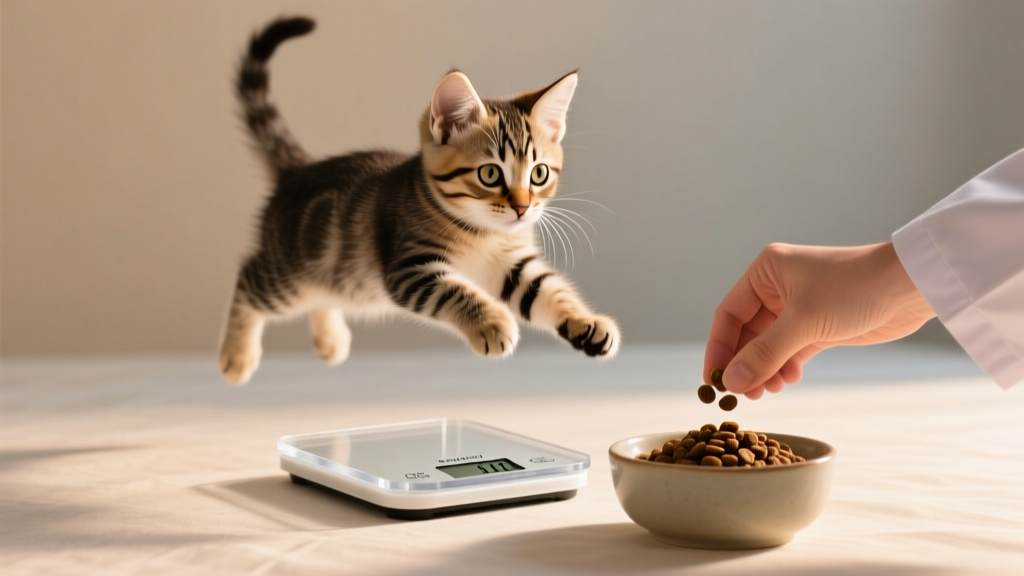
- Weight gain: Healthy kittens gain 10–15g/day. Weigh daily on a gram-scale (kitchen scale works). Drop below 7g/day for 2+ days = vet consult.
- Nursing: Should nurse 10–15 minutes per session, 8–12x/day. Gulping, weak suck, or falling asleep mid-feed signals trouble.
- Litter training: Start at 3 weeks. Use shallow, unscented, non-clumping litter (clay dust irritates lungs). Place kitten in box after meals — never punish accidents; instead, increase frequency and clean with enzymatic cleaner.
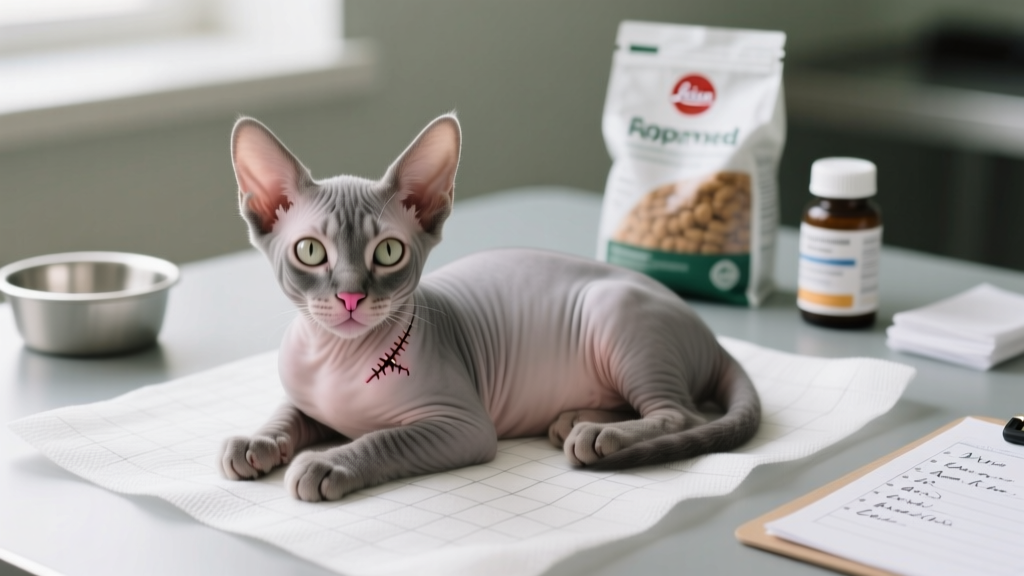
- Red flags (call vet same day): Rectal temp <94°F or >103°F; no stool for >24h (under 4 wks); gums white/pale blue; breathing >60 breaths/min at rest; crying constantly; eyes crusted shut beyond 10 days old.
| Age Range | Critical Health Actions | Developmental Milestones | Risk If Missed |
|---|---|---|---|
| 0–2 weeks | Stimulate elimination every 2–3 hrs; maintain 85–90°F ambient temp; weigh 2x/day | Eyes closed; ears folded; rooting reflex strong; relies entirely on mom or bottle | Hypothermia → sepsis; failure-to-thrive syndrome; irreversible neurological delay |
| 3–4 weeks | Start deworming (pyrantel); introduce shallow litter box; begin gentle handling | Eyes fully open; ears upright; attempts walking; begins vocalizing (mews) | Roundworm burden → stunted growth; poor motor development; fear imprinting |
| 5–7 weeks | First FVRCP vaccine; fecal test; start kitten food slurry (wet + formula); socialize 3x/day | Plays with littermates; uses litter consistently; responds to name; begins grooming | Parvovirus-like panleukopenia; behavioral fearfulness; urinary tract issues from stress |
| 8–12 weeks | Second FVRCP; rabies (if required by law); spay/neuter consult; full transition to kitten food | Independent eating; confident climbing; recognizes caregivers; sleeps 16–20 hrs/day | Chronic upper respiratory infection; roaming injuries; unwanted pregnancy (females cycle as early as 4 months) |
Frequently Asked Questions
Can I bathe my kitten?
No — avoid bathing kittens under 12 weeks unless medically necessary (e.g., pesticide exposure). Their thermoregulation is immature, and wet fur drops body temperature rapidly. Instead, use a warm, damp washcloth to spot-clean. If truly soiled, consult your vet for safe, kitten-approved cleansing options. Over-bathing strips natural oils and stresses the immune system.
When should I take my kitten to the vet for the first time?
Within 24–48 hours of adoption or birth (if home-raised). This isn’t just a “checkup” — it’s a baseline assessment: weight curve, hydration status, heart/lung auscultation, eye exam, and parasite screening. Early detection of congenital issues (e.g., heart murmurs, cleft palate) dramatically improves outcomes. Delaying past day 3 increases diagnostic complexity and cost.
Is it safe to let my kitten sleep in bed with me?
Not until week 12 — and only if fully vaccinated, dewormed, and litter-trained. Risks include accidental smothering (kittens sleep deeply and burrow), exposure to human pathogens (e.g., influenza), and disrupted sleep cycles that impair immune development. Use a cozy, enclosed cat bed beside your bed instead — it provides proximity without risk.
Do kittens need toys? What kind are safest?
Yes — but safety is non-negotiable. Avoid string, yarn, rubber bands, or anything smaller than your thumb (choking/intestinal obstruction risk). Opt for wand toys with securely attached feathers, crinkle balls with no loose seams, or cardboard tunnels. Supervise all play — especially with moving toys. Unsupervised play with dangling strings causes 1 in 5 intestinal surgeries in kittens under 6 months.
How do I know if my kitten is stressed — not just shy?
Stress manifests physically: flattened ears, dilated pupils, tucked tail, excessive licking/grooming (especially belly bald spots), hiding >18 hrs/day, or sudden litter avoidance. Shyness decreases with gentle exposure; stress escalates without intervention. Chronic stress suppresses IgA antibodies — increasing susceptibility to URI and FHV-1 reactivation. If you observe 3+ signs for >48 hrs, consult your vet about environmental enrichment and possible anti-anxiety support.
Common Myths Debunked
Myth #1: “Kittens get all the nutrition they need from mother’s milk — no supplements needed.”
False. While colostrum provides vital antibodies, it contains negligible iron and vitamin B12. Kittens deplete iron stores by week 3, leading to anemia — especially in large litters. Veterinary nutritionists recommend iron-fortified kitten formula for orphans and supplemental iron drops (per vet dosing) for runts in multi-kitten litters.
Myth #2: “If my kitten is eating and playing, it’s definitely healthy.”
Dangerously misleading. Panleukopenia, early-stage kidney dysplasia, and congenital heart defects often show zero symptoms until acute collapse. A 2021 JFMS review found that 41% of kittens presenting in cardiac arrest had been “eating well and playing normally” 12 hours prior. Regular weight tracking and vet exams are the only reliable early-warning systems.
Related Topics (Internal Link Suggestions)
- Kitten Vaccination Schedule — suggested anchor text: "kitten vaccination timeline"
- How to Bottle Feed a Newborn Kitten — suggested anchor text: "orphaned kitten feeding guide"
- Signs of Illness in Kittens — suggested anchor text: "kitten health warning signs"
- Best Kitten Food Brands (Vet-Approved) — suggested anchor text: "top-rated kitten food 2024"
- When to Spay or Neuter a Kitten — suggested anchor text: "optimal age for kitten spay"
Final Thought: Care Is a Verb — Not a Noun
What to know about kitten care isn’t a static checklist — it’s an active, responsive practice grounded in observation, consistency, and timely intervention. You don’t need perfection. You need presence: the willingness to weigh your kitten daily, notice when a purr sounds thinner, or call your vet at 7 a.m. because stool looks off. Every expert we consulted — from shelter vets to feline behavior PhDs — agreed on one thing: the most impactful tool in kitten care isn’t a syringe or a carrier. It’s your attention. So grab a notebook, set a daily alarm for weight checks, and bookmark this page. Then take your next step: schedule that first vet visit today — even if your kitten seems perfect. Because in kitten care, prevention isn’t precautionary. It’s the foundation of everything that comes after.