How to Take Care of 9 Week Old Kitten: The 7 Non-Negotiable Health & Development Steps Every New Owner Misses (And Why Skipping #3 Risks Lifelong Behavioral Issues)
Why This Exact Week Changes Everything for Your Kitten’s Lifelong Health
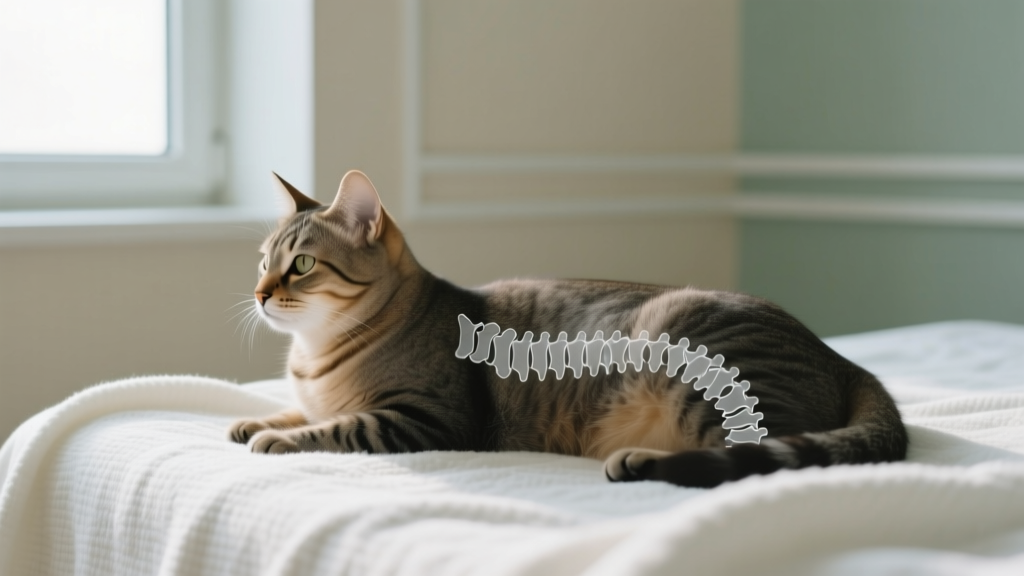
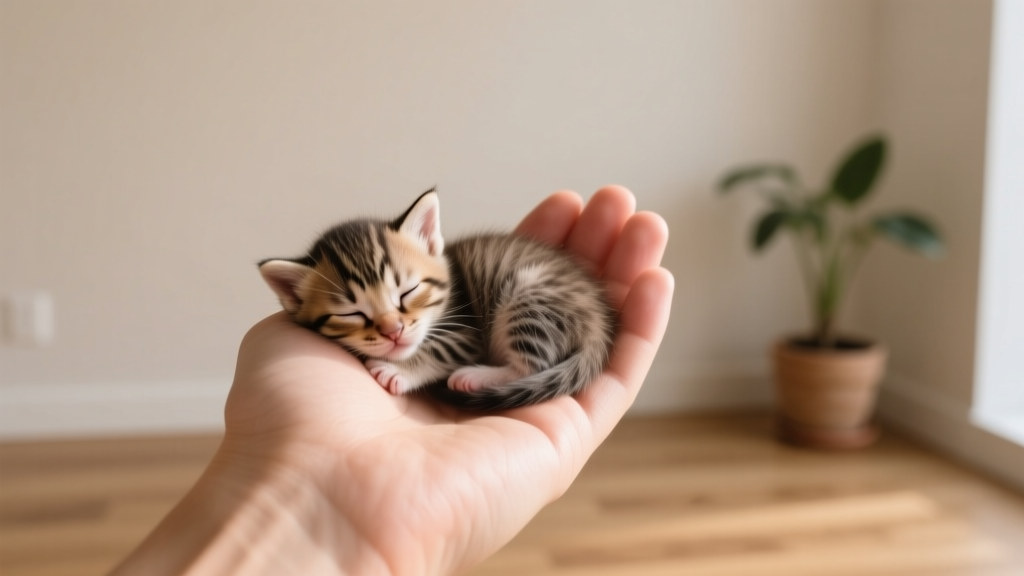
If you’re wondering how to take care of 9 week old kitten, you’ve landed at the most pivotal developmental inflection point in feline life—and one that’s widely misunderstood. At 9 weeks, your kitten is no longer a fragile neonate, but not yet a resilient juvenile: their immune system is still maturing, their socialization window is rapidly closing (ending around week 14), and their nutritional needs are shifting from high-fat milk replacer to nutrient-dense solid food. Missed or mismanaged care this week can trigger lifelong digestive sensitivities, fear-based aggression, vaccine failure, or even irreversible bonding deficits. This isn’t theoretical—it’s backed by feline developmental neuroscience and veterinary epidemiology. In fact, a 2023 Cornell Feline Health Center study found kittens receiving consistent, species-appropriate care between weeks 8–12 were 3.2x less likely to develop anxiety disorders later in life.
Nutrition: Feeding for Brain Development, Not Just Fullness
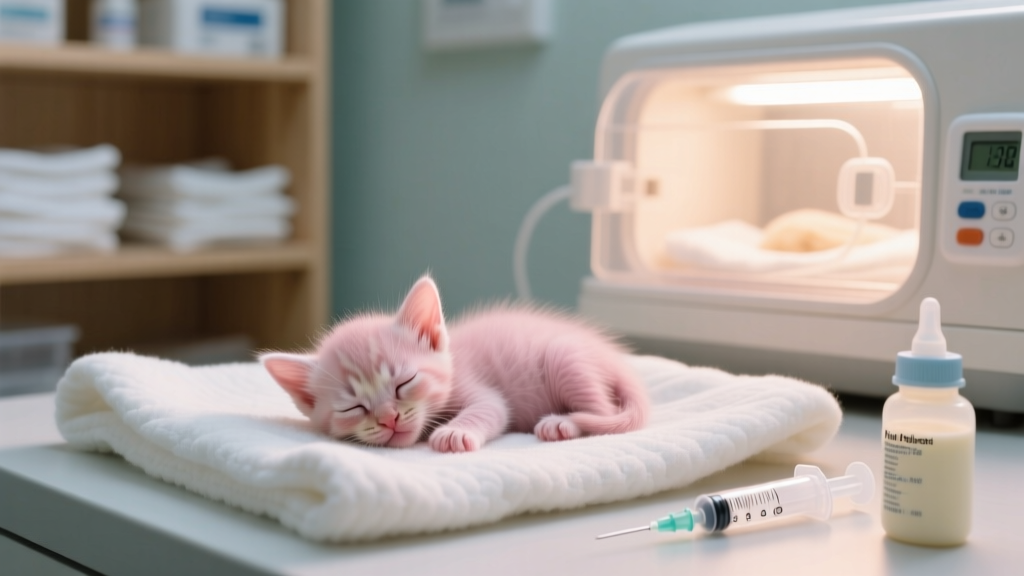
At 9 weeks, your kitten’s brain is growing at nearly twice the rate of an adult cat’s—and it’s metabolically demanding. They need 3–4 small, high-protein meals daily (not free-feeding), with at least 35% crude protein and 18–22% fat on a dry matter basis. But here’s what most guides get wrong: it’s not just *what* you feed—it’s *how* and *when*. Dr. Sarah Wooten, DVM and certified feline practitioner, emphasizes: “Kittens this age digest wet food far more efficiently than dry kibble. Dry food can dehydrate them subtly—leading to urinary crystals before they’re even 12 weeks old.” Transition slowly if switching foods: mix 25% new food on day 1, increasing by 25% every 2 days over 4 days. Never fast a 9-week-old kitten—even overnight—as hypoglycemia risk spikes after 8 hours without calories.
Hydration is equally urgent. Offer water in two shallow, wide ceramic bowls (avoid plastic, which harbors bacteria) placed away from food and litter. Add 1 tsp of low-sodium chicken broth to ¼ cup water once daily for first 3 days to encourage intake—just ensure broth contains zero onion, garlic, or xylitol. Monitor hydration via skin tent test: gently lift scruff at shoulder; it should snap back instantly. If it stays ‘tented’ >2 seconds, contact your vet immediately.
Vaccinations, Parasites & Vet Visits: Timing Is Everything
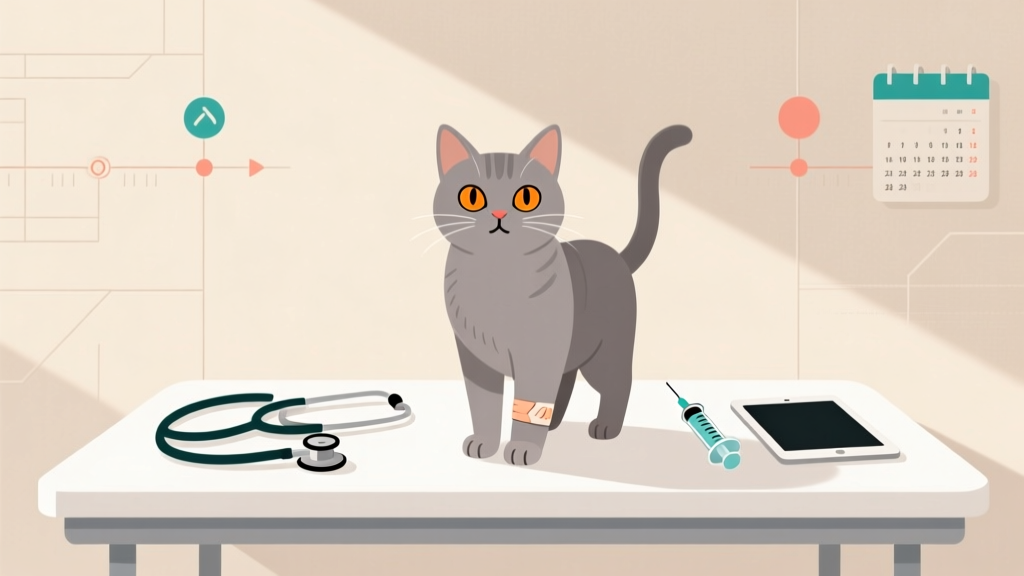
Your kitten’s first core vaccines—FVRCP (feline viral rhinotracheitis, calicivirus, panleukopenia) and rabies (if required by law)—are due *between 8–12 weeks*, with the 9-week visit being the ideal window for the first FVRCP booster. Why? Maternal antibodies wane unpredictably between weeks 6–12; vaccinating too early risks neutralization, too late leaves dangerous gaps. According to the American Association of Feline Practitioners (AAFP) 2022 Vaccination Guidelines, kittens receive FVRCP at 6–8 weeks, then boosters every 3–4 weeks until 16 weeks. Missing the 9-week dose increases susceptibility to panleukopenia—a fatal parvovirus—with mortality rates exceeding 90% in unvaccinated kittens.
Parasite control is equally time-critical. A fecal float test at this visit will detect roundworms (present in ~85% of kittens), hookworms, and coccidia. Treat with fenbendazole (Panacur®) for 3 consecutive days—not just a single dose—as recommended by the Companion Animal Parasite Council (CAPC). For fleas, use only veterinarian-prescribed topical treatments like Revolution® (selamectin); over-the-counter pyrethrins are neurotoxic to kittens under 12 weeks. Never use dog flea products—permethrin kills cats within hours.
Socialization & Environmental Enrichment: The Last 30 Days That Shape Personality
The socialization window—the period when kittens learn to trust humans, adapt to novelty, and regulate stress—peaks between weeks 2–7 and *closes sharply by week 14*. At 9 weeks, you’re in the final stretch of neurological plasticity. This means every interaction counts: positive, controlled exposure builds resilience; negative or overwhelming experiences embed fear pathways. Use the ‘Rule of 3’: expose your kitten to 3 new people (different ages/genders), 3 new sounds (vacuum, doorbell, rain), and 3 new textures (grass, carpet, tile) each day—but only for 90 seconds per stimulus, followed by 5 minutes of calm play or cuddling.
Enrichment isn’t optional—it’s neuroprotective. Provide vertical space (a cat tree with platforms at 12”, 24”, and 36” heights), hide-and-seek toys (e.g., treat balls inside cardboard boxes), and daily 10-minute interactive play sessions using wand toys (never hands!). A 2021 study in Applied Animal Behaviour Science showed kittens with daily enrichment had 47% lower cortisol levels at 6 months versus controls. And crucially: never punish biting or scratching. Redirect to appropriate outlets—offer a frozen washcloth for teething, or a sisal post for clawing—and reward calm behavior with soft praise and lickable treats (like tuna water on a spoon).
Litter Training, Sleep & Safety: Preventing Setbacks Before They Start
By 9 weeks, your kitten should be reliably using the litter box—but regression is common if stressed, ill, or confused by location or substrate. Place the box in a quiet, low-traffic area (never near food/water or noisy appliances). Use unscented, clumping clay litter (avoid crystal or scented varieties—kittens inhale fine particles and associate smells with aversion). Scoop *at least* 2x daily; completely change litter weekly. If accidents occur, clean with enzymatic cleaner (e.g., Nature’s Miracle) — never ammonia-based cleaners, which smell like urine to cats and encourage re-soiling.
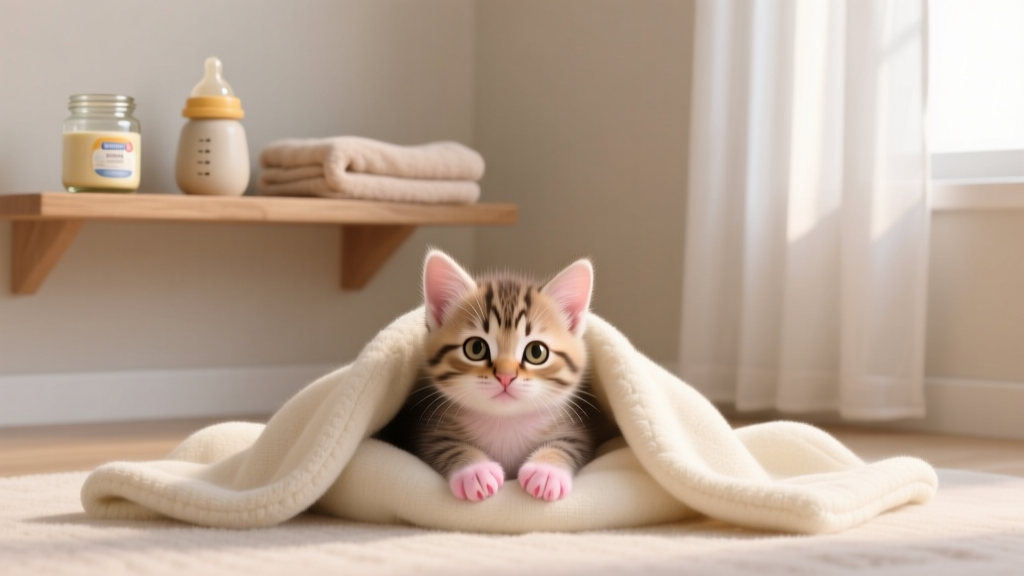
Sleep is non-negotiable: kittens sleep 18–20 hours/day to consolidate neural pathways. Provide a warm, enclosed sleeping spot (a cardboard box lined with fleece, placed in a draft-free corner) and maintain ambient temperature at 72–78°F. Avoid letting them sleep in beds or on clothing—this encourages possessiveness and makes future crate training harder. For safety, kitten-proof *now*: secure cords, remove toxic plants (lilies, pothos, philodendron), lock cabinets with cleaners/meds, and install baby gates at stairs. Remember: 9-week-olds can jump 2 feet vertically and squeeze through 3-inch gaps.
| Developmental Stage | Key Actions | Tools/Products Needed | Risk If Missed |
|---|---|---|---|
| Weeks 8–12 (Critical Window) | Vaccinate (FVRCP booster), deworm (fenbendazole x3), begin socialization protocol, transition to wet food | FVRCP vaccine, fenbendazole suspension, stainless steel food bowls, interactive wand toy, unscented clumping litter | Panleukopenia infection, chronic intestinal parasites, lifelong fearfulness, obesity or dental disease |
| Weeks 12–16 (Consolidation Phase) | Spay/neuter consultation, microchip implantation, introduce scratching posts, begin carrier desensitization | Microchip scanner, Feliway Classic diffuser, corrugated cardboard scratcher, soft-sided carrier | Unplanned litters, lost pet recovery failure, destructive scratching, vet visit trauma |
| Weeks 16–24 (Independence Building) | Introduce outdoor harness (indoor-only first), establish feeding schedule, reinforce recall with treats, assess play aggression | Step-in harness (e.g., Puppia Soft), timed feeder, clicker, feather wand | Escape risk, obesity, poor impulse control, human-directed aggression |
Frequently Asked Questions
Can I bathe my 9-week-old kitten?
No—bathing is strongly discouraged unless medically necessary (e.g., pesticide exposure). Kittens this age cannot thermoregulate well and are highly prone to hypothermia. Their skin barrier is also immature, making them vulnerable to irritation and infection. Instead, use a damp, warm washcloth to gently wipe soiled areas (e.g., paws or rear end), then dry thoroughly with a soft towel. If odor or greasiness persists, consult your vet—this may signal underlying GI issues or parasites.
How much should a 9-week-old kitten weigh?
A healthy 9-week-old kitten typically weighs 1.5–2.5 pounds (680–1130 grams), gaining roughly 0.25–0.5 oz (7–14 g) per day. Weigh weekly using a digital kitchen scale (place kitten in a lightweight cloth sling for accuracy). Sudden weight loss (>5% in 48 hours), failure to gain, or lethargy warrants immediate vet assessment—these are early signs of infection, parasites, or congenital issues like portosystemic shunt.
Is it normal for my kitten to bite or scratch during play?
Yes—but only if redirected appropriately. Play biting is instinctual practice for hunting skills. However, allowing biting of hands or feet teaches inappropriate targeting. When your kitten bites, immediately stop moving, withdraw your hand, and offer a toy. Reward gentle mouthing of toys with praise and treats. If biting escalates or occurs outside play (e.g., while being held), rule out pain (dental, ear infection) with your vet—9-week-olds rarely bite without cause.
Should I adopt a second kitten for companionship?
For kittens under 12 weeks, yes—adopting in pairs (same litter or same age) significantly reduces stress, improves social skills, and decreases destructive behavior. Research from the University of Lincoln shows singleton kittens are 2.8x more likely to develop stereotypic behaviors (e.g., wool-sucking) by 6 months. Ensure both kittens receive individual attention daily to prevent over-dependence.
When should I start brushing my kitten’s teeth?
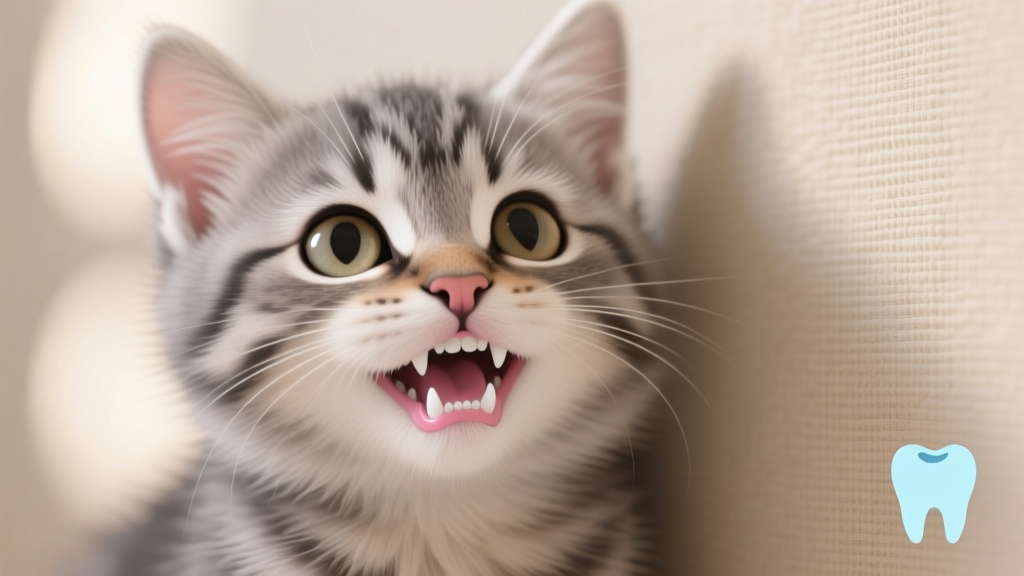
Begin toothbrushing now—even if just 5 seconds daily—to build tolerance. Use a finger brush or soft silicone toothbrush with veterinary-approved cat toothpaste (never human paste—xylitol is fatal). Gently lift lips and massage gums in circular motions. Pair with treats afterward. By 12 weeks, aim for 3x/week; by 6 months, daily brushing prevents periodontal disease, which affects 70% of cats by age 3.
Common Myths About 9-Week-Old Kittens
- Myth #1: “They’re old enough to go outside.” — False. Outdoor access before 16 weeks (and full vaccination + parasite control) exposes kittens to feline leukemia virus (FeLV), feline immunodeficiency virus (FIV), cars, predators, and toxins. Even screened porches pose escape risks. Keep them indoors until at least 5 months—and preferably for life.
- Myth #2: “If they seem playful and eat well, they must be healthy.” — Dangerous oversimplification. Kittens mask illness until very late stages. Subtle signs like slightly decreased grooming, reduced purring, or hiding for >2 hours warrant vet evaluation. A 2022 JAVMA study found 62% of kittens presenting with acute renal failure showed no obvious symptoms for 3+ days prior.
Related Topics (Internal Link Suggestions)
- Kitten Vaccination Schedule — suggested anchor text: "comprehensive kitten vaccination timeline"
- Best Wet Food for Kittens — suggested anchor text: "vet-recommended kitten wet food brands"
- How to Socialize a Fearful Kitten — suggested anchor text: "step-by-step fearful kitten socialization guide"
- When to Spay or Neuter a Kitten — suggested anchor text: "optimal spay/neuter age for kittens"
- Signs of Illness in Kittens — suggested anchor text: "early warning signs of kitten illness"
Your Next Step Starts Today—Not Tomorrow
Caring for a 9-week-old kitten isn’t about perfection—it’s about presence, consistency, and informed action. You now know the 7 non-negotiables: precise nutrition timing, vaccine alignment, parasite protocol, socialization structure, environmental safety, hydration vigilance, and behavioral redirection. Don’t wait for your next vet appointment—print the care timeline table above, grab your phone and call your vet *today* to confirm your kitten’s FVRCP booster date and request a fecal test kit. Then, spend 10 minutes tonight setting up their safe sleeping space and placing their first interactive toy where they’ll discover it tomorrow morning. Small actions, taken now, create lifelong resilience. You’re not just raising a kitten—you’re building a trusting, thriving companion for 15+ years. Ready to make it official? Download our free 9-Week Kitten Care Checklist (PDF) with vet-approved dos/don’ts and symptom tracker—linked below.