Feline Infectious Anemia: Mycoplasma haemofelis Transmission
1. Why this topic matters to cat owners
Most cat owners know to watch for parasites like fleas, keep vaccines up to date, and schedule regular checkups. Feline infectious anemia (often linked to a blood-borne organism called Mycoplasma haemofelis) is a health issue that connects all of those basics in a very real way. This condition can make a cat dangerously weak, reduce oxygen delivery to organs, and trigger sudden illness—sometimes after what seemed like a minor flea problem or a scuffle with another cat.
The reassuring news is that many cats do very well when this infection is recognized early and treated promptly. Understanding how M. haemofelis spreads, which cats are at higher risk, and what signs to watch for can help you protect your cat and seek veterinary care at the right time.
2. Overview: what feline infectious anemia is (plain-language explanation)
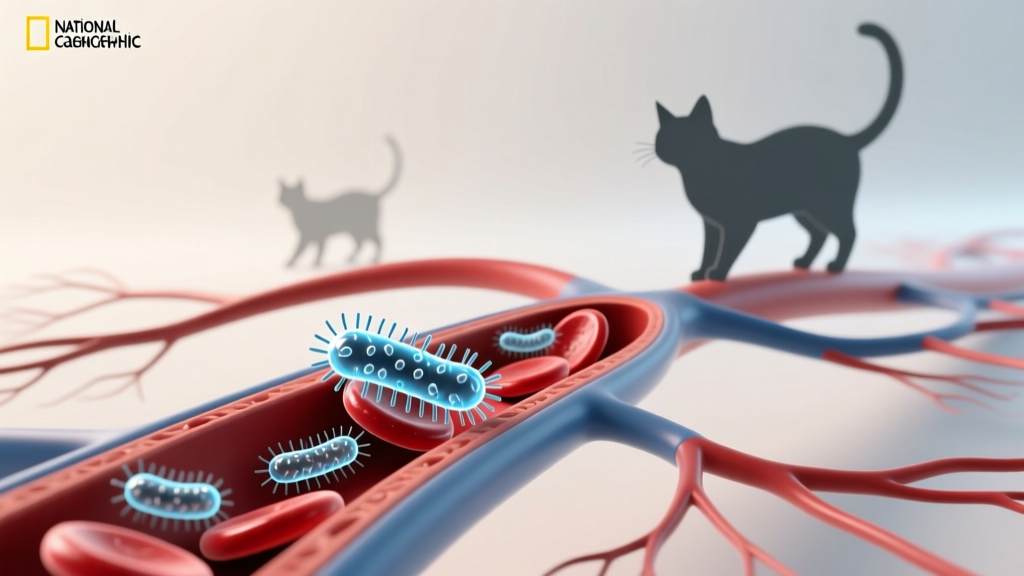
Feline infectious anemia (FIA) is a syndrome in which a cat develops anemia (a low number of red blood cells) due to infection with certain bacteria that attach to the surface of red blood cells. The most common and most clinically significant of these organisms is Mycoplasma haemofelis, sometimes referred to as a “hemotropic mycoplasma” (meaning it targets blood).
Here’s what happens in simple terms:
- Red blood cells carry oxygen from the lungs to the rest of the body.
- M. haemofelis can attach to red blood cells, making them appear abnormal to the immune system.
- The body may remove and destroy infected red blood cells (often in the spleen), which can lead to anemia.
- With fewer red blood cells, your cat may become tired, weak, pale, and short of breath.
Some cats carry the organism with few or no obvious signs, while others become very sick. The difference often comes down to immune status, concurrent illnesses, and stressors.
3. Symptoms and warning signs to watch for
Signs can range from subtle to severe. Call your veterinarian if you notice any of the following, especially if more than one is present or symptoms appear suddenly.
Common symptoms of anemia and hemoplasma infection
- Lethargy or weakness (sleeping more, less interest in play)
- Pale gums (instead of healthy pink)
- Decreased appetite or refusing food
- Weight loss over days to weeks
- Rapid breathing or seeming easily winded
- Fast heart rate (sometimes noticed as pounding heartbeat when held)
- Fever (may feel warm; often comes and goes)
- Jaundice (yellow tint to gums, whites of eyes, or ears—can occur if red blood cells break down)
- Dehydration (dry gums, sunken eyes)
Subtle early clues at home
- Hiding more than usual
- Not greeting you at the door
- Taking breaks during normal activities (jumping up, climbing stairs)
- Gums that look “washed out” under bright light
Practical tip: Once a month, gently lift your cat’s lip and take a quick look at the gum color. You’re not looking for perfection—just learning what “normal pink” looks like for your cat.
4. Causes and risk factors (with a focus on transmission)
Mycoplasma haemofelis is primarily transmitted through exposure to infected blood. The exact routes can vary, and not every exposure leads to illness, but these are the most important factors for cat owners to understand.
How M. haemofelis is thought to spread
- Fleas (suspected major role): Fleas can move between cats and may mechanically transfer infected blood. Flea control is one of the most actionable prevention steps you can take.
- Fight wounds and bite injuries: Outdoor cats or cats that interact aggressively with other cats are at higher risk because bites can introduce blood from an infected cat.
- Blood transfusion (rare, but possible): Donor cats should be screened to reduce risk of transmitting hemoplasmas.
- From mother to kittens (possible): Transmission during pregnancy or nursing is considered possible, though not fully understood.
Cats at higher risk
- Outdoor or indoor-outdoor cats
- Unneutered males (more likely to roam and fight)
- Cats with flea exposure (even “just a few” fleas can matter)
- Cats with weakened immune systems, including those with:
- FIV (feline immunodeficiency virus)
- FeLV (feline leukemia virus)
- Chronic illness, poor nutrition, or significant stress
- Cats with a history of anemia or prior hemoplasma infection
Practical tip: If your cat goes outside, prevention should be layered: reliable flea control + neutering + minimizing opportunities for fighting.
5. Diagnosis: what to expect at the vet
If your veterinarian suspects feline infectious anemia, they’ll focus on confirming anemia, identifying the cause, and checking for underlying conditions that can worsen the illness.
Common tests
- Physical exam: Gum color, heart rate, hydration status, body temperature, and abdominal palpation (the spleen may be enlarged).
- Complete blood count (CBC): Confirms anemia and helps determine severity. It can also show whether the body is trying to regenerate red blood cells (reticulocyte count).
- Blood smear: A technician or veterinarian examines blood cells under a microscope. Sometimes organisms are visible, but they can be missed because levels in the blood fluctuate.
- PCR testing: This is one of the most useful tests for hemoplasmas. PCR detects the organism’s DNA and can help identify M. haemofelis specifically.
- FeLV/FIV testing: These viruses can make infection more severe and affect treatment decisions.
- Biochemistry panel and urinalysis: Evaluates organ function and looks for complications like dehydration or liver stress from red blood cell breakdown.
What the visit may feel like for you and your cat
Most cats need a blood draw and possibly repeat testing over time. If anemia is severe, your cat may be hospitalized for monitoring, supportive care, and (in some cases) a blood transfusion. Your veterinary team should explain results in terms of red blood cell levels and whether your cat is stable or needs urgent support.
Practical tip: Bring a short timeline to the appointment—when you first noticed changes in appetite, energy, gum color, flea exposure, or any recent fights. These details help your veterinarian prioritize the right tests.
6. Treatment options (medical, supportive care, and home care)
Treatment depends on how sick the cat is, how severe the anemia is, and whether there are concurrent diseases such as FeLV or FIV. Always follow your veterinarian’s treatment plan—self-treating anemia at home can delay lifesaving care.
Medical treatment
- Antibiotics: Doxycycline is commonly used to reduce the organism and clinical signs. Your veterinarian will determine the appropriate dose and duration. Some cats need an alternative antibiotic if doxycycline isn’t tolerated.
- Addressing immune-mediated destruction: In select cases, veterinarians may prescribe medications to reduce immune-driven red blood cell destruction. This decision is individualized and based on test results and response to therapy.
- Treating underlying disease: If your cat is FeLV- or FIV-positive or has another illness, managing that condition is part of the overall plan.
Supportive care (often the key to a safe recovery)
- Fluids: If dehydrated, fluids support circulation and organ function.
- Blood transfusion: If anemia is severe or your cat is unstable (weak, collapsing, struggling to breathe), a transfusion can be lifesaving while antibiotics take effect.
- Nutritional support: Appetite stimulants or assisted feeding may be recommended if your cat isn’t eating.
- Pain control and wound care: If fight wounds are involved, those injuries may need treatment too.
Home care you can do immediately (with veterinary guidance)
- Strict rest: Limit running and jumping while anemic; oxygen demands increase with activity.
- Stress reduction: Provide a quiet room, predictable routine, and easy access to food, water, and litter.
- Give medications exactly as prescribed: Don’t stop early because your cat “seems better.” Relapses can occur.
- Support eating: Offer warmed canned food, strong-smelling options, and small frequent meals.
- Monitor gums and breathing: Check gum color daily during recovery and watch for increased effort when breathing.
Medication safety note: Doxycycline can irritate the esophagus if it sticks. Your veterinarian may recommend giving a small amount of water or food after dosing, or using a liquid formulation. Follow their specific instructions.
7. Prevention strategies and early detection tips
Because transmission is closely linked to fleas and blood exposure, prevention focuses on reducing those risks and catching illness early.
Prevention checklist
- Use veterinarian-recommended flea prevention year-round: Ask your vet which product is safest for your cat’s age and health. Avoid using dog flea products on cats.
- Keep cats indoors or supervise outdoor time: Fewer fights, fewer fleas, fewer bite wounds.
- Spay/neuter: Neutered cats are less likely to roam and fight, lowering exposure risk.
- Promptly treat bite wounds: Any puncture wound from a fight warrants a veterinary visit—these can become infected quickly and may signal exposure to blood-borne pathogens.
- Test new cats: For multi-cat households, discuss FeLV/FIV testing and quarantine strategies with your veterinarian.
- Regular wellness exams: Routine bloodwork can detect mild anemia earlier, before a crisis develops.
Early detection tips at home
- Know your cat’s normal gum color and energy level.
- Weigh your cat monthly if possible (a baby scale works well for many cats).
- Watch for “quiet” signs like hiding, reduced grooming, and decreased interest in food.
8. Prognosis and quality of life considerations
Many cats recover well with timely treatment, especially if anemia is caught before it becomes severe. Some cats become carriers, meaning the organism can persist at low levels even after treatment. Those cats may never show signs again, or they may relapse during periods of stress or illness.
Factors that influence prognosis
- Severity of anemia at diagnosis
- Speed of treatment and whether a transfusion was needed
- Presence of FeLV/FIV or other chronic disease
- Ability to control fleas and prevent reinfection
- Household stressors (moves, new pets, conflicts between cats)
Quality of life is often excellent after recovery. Your role is to maintain parasite prevention, reduce fighting risk, and attend rechecks so your veterinarian can confirm red blood cell values are stable.
9. When to seek emergency veterinary care
Anemia can become an emergency because the body may not be getting enough oxygen. Seek urgent veterinary care (same day or emergency clinic) if you notice:
- Very pale or white gums
- Collapse, extreme weakness, or inability to stand
- Labored breathing, open-mouth breathing, or rapid breathing at rest
- Yellow gums/eyes plus lethargy
- Refusing food for 24 hours, especially with low energy
- Known bite wounds plus fever, lethargy, or gum paleness
If you’re unsure, call your veterinarian or an emergency clinic and describe gum color, breathing rate/effort, appetite, and energy level. Those details help triage urgency.
10. FAQ: Common questions cat owners ask
Can humans catch Mycoplasma haemofelis from cats?
This organism is considered specific to cats. The primary concern is your cat’s health and preventing spread between cats. Still, basic hygiene is always smart: wash hands after handling pets and keep wounds clean.
Is feline infectious anemia the same thing as FeLV?
No. FeLV is a virus that can cause anemia and immune suppression, but it is not the same as hemoplasma infection. A cat can have one, the other, or both. This is why veterinarians often test for FeLV/FIV when anemia is found.
If my cat is treated, is the infection gone forever?
Some cats clear the infection to undetectable levels, while others may remain carriers. Being a carrier doesn’t always mean a cat will be sick, but relapse is possible, especially during stress or illness. Follow-up testing and long-term flea control are important.
My cat has fleas—does that mean they will get feline infectious anemia?
Not necessarily. Fleas are a risk factor, not a guarantee. The goal is to reduce risk by using effective flea prevention consistently and treating the home environment if fleas are present. If your cat shows lethargy, pale gums, or poor appetite, contact your veterinarian promptly.
Should I separate my cats if one is diagnosed?
Talk with your veterinarian, especially if your cats sometimes fight. Because transmission is linked to blood exposure (bites, possibly fleas), separation may be recommended during treatment, along with strict flea control for all pets in the household.
What can I do today to lower my cat’s risk?
- Start or update vet-approved flea prevention for every cat in the home.
- If your cat goes outdoors, consider transitioning to indoor living or supervised time.
- Schedule a wellness visit if your cat is due, especially if they’re an outdoor cat or have a history of flea exposure.
- Check gum color and monitor energy level over the next week—early changes matter.
If you’re worried your cat may be anemic or exposed to Mycoplasma haemofelis, the safest next step is always to consult your veterinarian. Early testing and treatment can make a major difference.
For more caring, practical cat health guides and prevention tips, visit catloversbase.com.