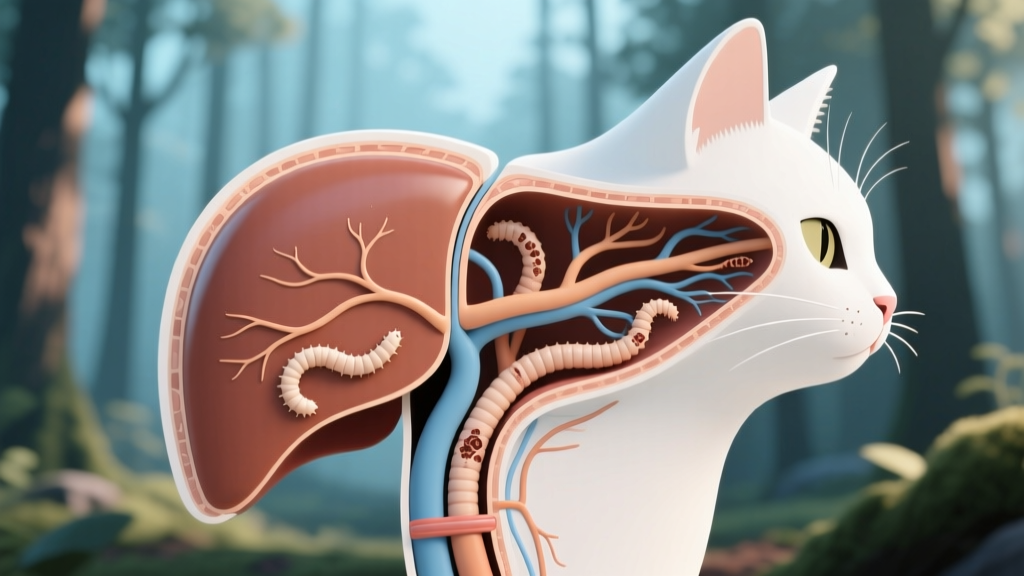
Feline Fasciola: Liver Fluke Biliary Disease
1. Why this topic matters to cat owners
Your cat’s liver and bile ducts do quiet, essential work every day: filtering toxins, helping digest fats, and keeping the body’s chemistry balanced. When those delicate bile ducts become irritated or blocked, cats can feel lousy fast—and the signs can be easy to miss at first. One lesser-known cause of bile duct and liver trouble is a parasite called Fasciola, often referred to as a liver fluke.
Feline fascioliasis (infection with Fasciola species) is uncommon in many areas, but it can occur—especially where cats hunt, roam outdoors, or have access to wetlands or livestock environments. Understanding how liver flukes affect cats helps you spot early warning signs, reduce exposure risks, and seek veterinary care promptly if something seems off.
2. Overview: What is Feline Fasciola (liver fluke) biliary disease?
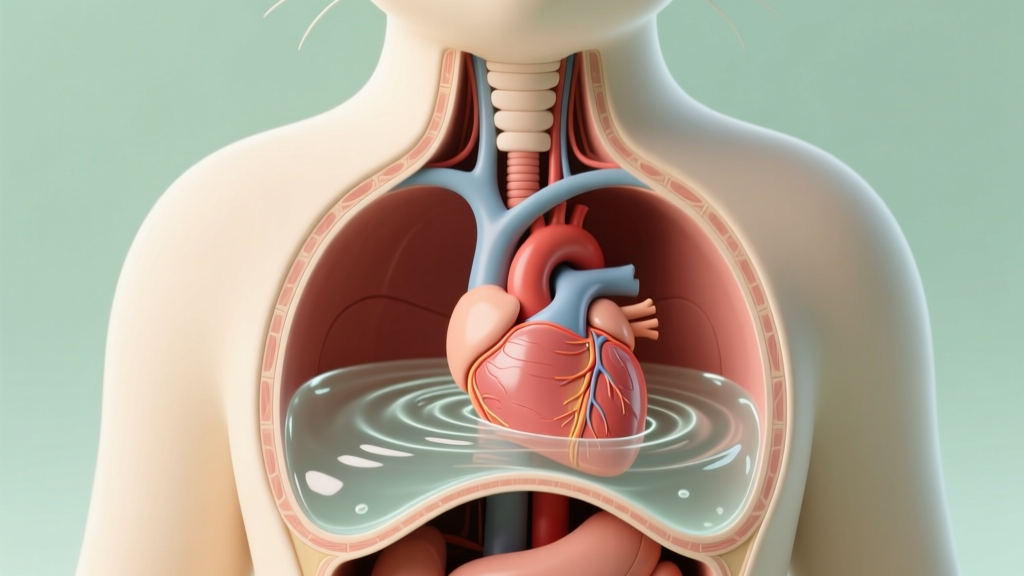
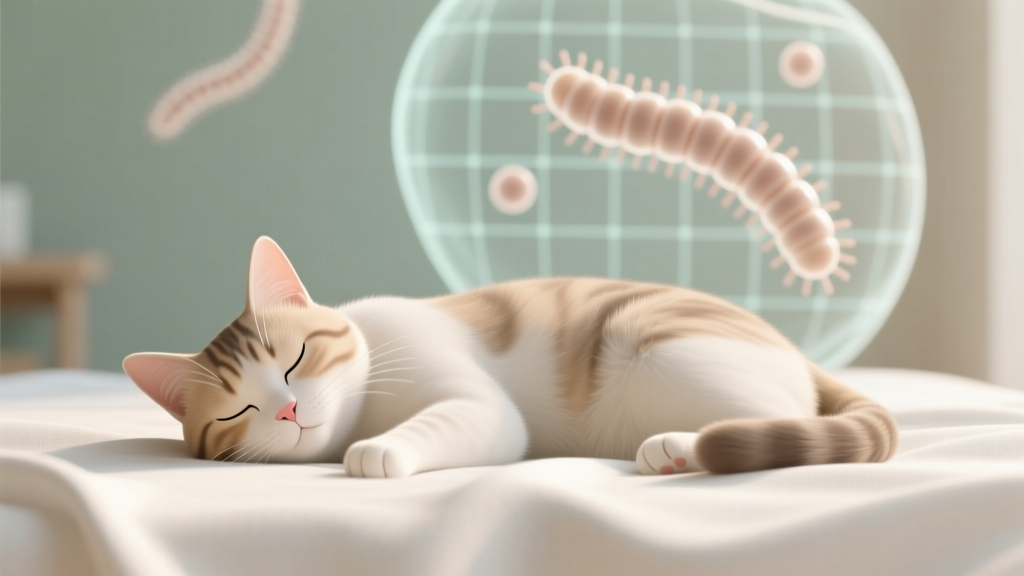
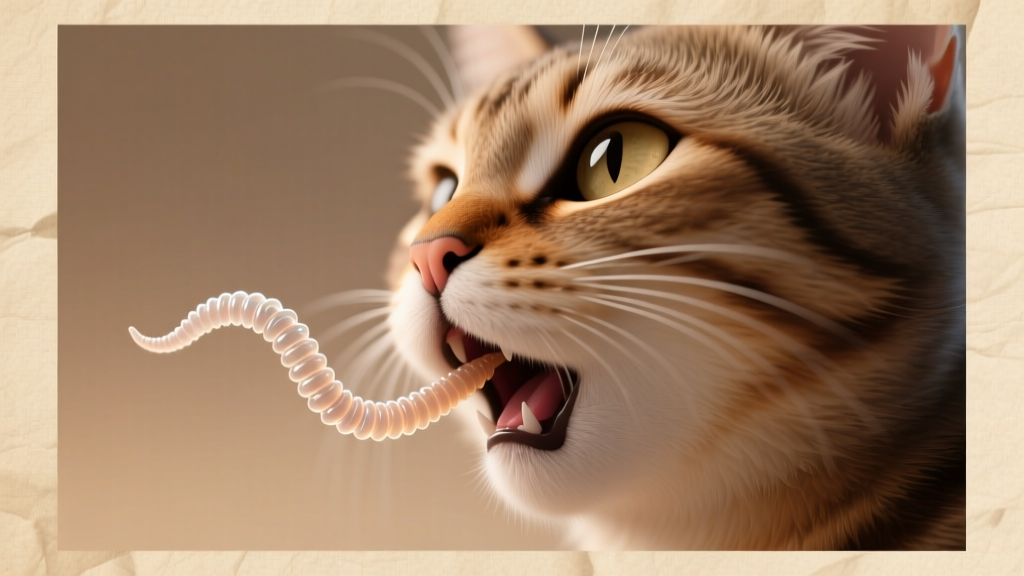
Fasciola are flatworm parasites (trematodes). The two best-known species are Fasciola hepatica and Fasciola gigantica, which primarily infect grazing animals like sheep and cattle. Cats can become accidental or spillover hosts. When a cat gets infected, the immature flukes migrate through tissues and ultimately settle in the bile ducts (the small tubes that carry bile from the liver to the intestines).
In plain language, here’s what can happen:
- The flukes irritate the lining of the bile ducts.
- This triggers inflammation (cholangitis) and may extend into the liver (cholangiohepatitis).
- Over time, scarring and thickening of the ducts can narrow the pathways that bile needs to flow through.
- In heavier infections or severe inflammation, bile flow can slow or stop (cholestasis), leading to jaundice and digestive upset.
Because the liver has a large “reserve capacity,” a cat may seem mostly normal until inflammation or obstruction reaches a tipping point. That’s why even mild, persistent symptoms deserve a veterinary check.
3. Symptoms and warning signs to watch for
Signs vary depending on how many flukes are present, how long the infection has been there, and whether bile ducts are blocked. Some cats show subtle changes first.
Common signs cat owners may notice:
- Decreased appetite or picky eating that persists more than a day
- Weight loss over weeks
- Vomiting (intermittent or frequent)
- Lethargy or less interest in play
- Diarrhea or softer stools (not always present)
- Abdominal discomfort (hunched posture, sensitivity when picked up)
Signs that suggest bile duct/liver involvement:
- Jaundice (yellow tint to gums, whites of the eyes, or inner ear skin)
- Dark urine (often more noticeable in light-colored litter)
- Pale or grayish stools (may indicate reduced bile reaching the intestine)
- Increased thirst or changes in urination
Practical at-home tip: Once a week, take 10 seconds to look at your cat’s gums and eye whites in good light. Subtle yellowing can be easier to catch early this way.
4. Causes and risk factors
Cats don’t catch Fasciola directly from another cat. Infection happens through a complex life cycle that involves freshwater snails and vegetation or water sources.
How cats typically become infected:
- Ingesting infective cysts (metacercariae) on wet plants or in contaminated water
- Eating prey that has been in wet environments (risk varies by region and prey species)
- Living in or visiting areas with wetlands, irrigation ditches, ponds, or livestock pasture runoff
Risk factors:
- Outdoor access, especially unsupervised roaming
- Hunting behavior and eating prey
- Living near sheep/cattle farms or areas where fascioliasis is known in livestock
- Drinking from ponds, puddles, ditches, or other untreated water sources
Indoor-only cats are much lower risk, though not zero risk if they are fed raw plants from outdoor sources or have exposure through unusual routes. If you suspect exposure, your veterinarian can advise based on your location and your cat’s lifestyle.
5. Diagnosis: methods and what to expect at the vet
Because many liver and bile duct conditions share similar symptoms, diagnosis is a step-by-step process. Your vet’s goal is to confirm biliary disease, rule out other causes (like pancreatitis, gallbladder disease, toxins, or other parasites), and identify the safest treatment plan.
At the appointment, expect:
- History questions (outdoor access, hunting, water sources, recent diet changes, travel, exposure to farms/wetlands)
- Physical exam (checking hydration, abdominal discomfort, jaundice, body condition)
Common tests your vet may recommend:
- Bloodwork (CBC and chemistry panel) to assess liver enzymes, bilirubin, inflammation, and overall organ function
- Bile acids testing in some cases to evaluate liver function
- Urinalysis to check bilirubin, hydration status, and rule out other issues
- Abdominal ultrasound to examine the liver, gallbladder, and bile ducts for thickening, dilation, sediment, or obstruction; sometimes flukes are suspected based on duct changes
- Fecal testing (sedimentation techniques may be used because fluke eggs can be heavy and not show on basic flotation tests)
Important nuance: Fluke eggs may not be present early in infection, and shedding can be intermittent. A negative fecal test does not always rule out fascioliasis. Your veterinarian may combine imaging, lab patterns, and exposure history to decide whether treatment is appropriate.
Sometimes additional procedures are needed:
- Fine-needle aspirate or sampling of liver tissue (only when indicated)
- Bile sampling in specialized settings
If your cat is jaundiced, dehydrated, or not eating, your vet may recommend hospitalization for supportive care while diagnostics are underway.
6. Treatment options (medical, surgical, home care)
Treatment has two main goals: eliminate the flukes and support the liver/bile system while inflammation resolves. The exact medication plan should always come from a veterinarian—cats are sensitive to dosing errors, and not all antiparasitic drugs are safe for every cat.
Medical treatment
- Antiparasitic therapy: Your veterinarian will choose an appropriate flukicide/anthelmintic based on suspected species, regional patterns, and your cat’s health status. Follow the dosing schedule exactly and do not substitute livestock products or internet remedies.
- Supportive medications: Depending on severity, your cat may receive:
- Anti-nausea medication to control vomiting and improve appetite
- Appetite stimulants when needed
- Liver support (your vet may recommend supplements such as SAMe/silybin or ursodeoxycholic acid in selected cases; these must be used carefully, especially if obstruction is suspected)
- Pain control if abdominal discomfort is present
- Antibiotics if there is concern for secondary bacterial infection (not every case needs antibiotics)
- Fluids: Dehydrated or very ill cats may need subcutaneous or intravenous fluids.
Surgical or advanced interventions
Surgery is not common for uncomplicated fascioliasis, but it may be considered if there is:
- Gallbladder disease (mucocele, rupture risk)
- Persistent bile duct obstruction that does not improve with medical management
- Severe complications identified on ultrasound
Home care (what you can do safely)
- Give all medications exactly as prescribed and finish the course unless your vet directs otherwise.
- Encourage eating: Offer warmed canned food, strong-smelling options, or vet-approved recovery diets. Do not force-feed unless your veterinarian has shown you how and advised it.
- Hydration support: Provide fresh water in multiple locations; consider a water fountain.
- Monitor output: Note appetite, vomiting, stool color, urine color, and energy level daily during recovery.
- Keep activity calm if your cat seems uncomfortable; stress can worsen nausea.
Avoid: Over-the-counter “liver detox” products, essential oils, human pain medications, or antiparasitic products not prescribed for cats. Many are toxic or can worsen liver strain.
7. Prevention strategies and early detection tips
Prevention is largely about reducing exposure to the parasite’s life cycle and catching liver disease early.
Practical prevention steps:
- Keep cats indoors or use supervised outdoor time (catio, harness/leash).
- Prevent hunting as much as possible; use indoor enrichment (play sessions, puzzle feeders).
- Block access to risky water sources (ponds, ditches, livestock troughs, puddles).
- Avoid feeding raw aquatic plants or foraged greens to cats.
- Ask your vet about parasite control appropriate for your region and your cat’s lifestyle. Routine dewormers for common worms don’t always cover flukes, so tailored guidance matters.
Early detection tips:
- Weigh your cat monthly at home (a baby scale works well). Unplanned weight loss is an early red flag.
- Take note of appetite changes lasting more than 24 hours.
- Look for yellowing of gums/eyes weekly.
- Schedule routine wellness exams; consider periodic bloodwork for senior cats or cats with outdoor exposure.
8. Prognosis and quality of life considerations
Many cats do well when fascioliasis is identified and treated before severe bile duct damage occurs. Prognosis depends on:
- How long the infection has been present
- Degree of bile duct inflammation or blockage
- Whether secondary infections or pancreatitis are involved
- How quickly the cat resumes eating and maintains hydration
Quality of life is a key focus. With proper veterinary treatment and supportive care, cats often regain normal appetite and energy. Some cats may need follow-up lab work and ultrasound checks to ensure liver values normalize and bile flow is improving.
If chronic scarring has developed, your vet may recommend longer-term management (diet adjustments, targeted supplements, periodic monitoring) to keep your cat comfortable and stable.
9. When to seek emergency veterinary care
Contact an emergency clinic or your veterinarian right away if you notice any of the following:
- Yellow gums/eyes (jaundice), especially if worsening
- Not eating for 24 hours (or 12 hours for kittens or cats with known health issues)
- Repeated vomiting or inability to keep water down
- Marked lethargy, collapse, or weakness
- Painful or swollen abdomen
- Very dark urine or very pale/gray stools
- Signs of dehydration (tacky gums, sunken eyes, hiding, minimal urination)
Prompt care is especially important because cats can develop hepatic lipidosis (fatty liver) after even a short period of poor appetite, and jaundice can signal significant bile flow disruption.
10. FAQ: Common questions from cat owners
Can humans catch Fasciola from a cat?
Cats are not typically a direct source of human infection. Human fascioliasis usually comes from ingesting contaminated water or raw aquatic plants. Still, good hygiene is always wise: wash hands after cleaning litter boxes and avoid letting pets drink from untreated water sources.
Is liver fluke disease common in cats?
It’s generally uncommon, but risk rises in certain regions and environments (wetlands, livestock areas) and in cats that roam outdoors or hunt. Your veterinarian is the best source for local risk assessment.
Will a routine fecal test find liver flukes?
Not always. Fluke eggs can be missed on standard fecal flotation. Vets may request a fecal sedimentation test or repeat testing, and they often use ultrasound and bloodwork to support the diagnosis when fecal tests are negative.
Can liver flukes cause long-term liver damage?
They can if inflammation and scarring persist or if obstruction occurs. Early treatment improves the odds of full recovery. Follow-up visits matter, even if your cat seems better, because liver values can lag behind clinical improvement.
What should I feed my cat during recovery?
Follow your veterinarian’s guidance. Many cats do best with a highly palatable canned diet and, in some cases, a prescription hepatic or gastrointestinal diet. The immediate goal is steady calorie intake and hydration. Avoid sudden diet changes unless your vet recommends them.
Should my other pets be treated too?
Usually not automatically. Because Fasciola exposure is environmental, your vet may focus on reducing shared risk factors (outdoor access, water sources) and may recommend screening or targeted treatment based on each pet’s lifestyle and symptoms.
If you suspect your cat has liver or bile duct disease—or you’ve noticed persistent vomiting, appetite loss, or any jaundice—schedule a veterinary visit as soon as you can. Professional diagnosis and a tailored treatment plan make a real difference.
For more trusted, practical cat wellness guidance, visit catloversbase.com for additional cat health resources.