Cat Corneal Endothelial Dystrophy: Inner Eye Layer Disease
1. Introduction: Why This Eye Condition Matters
When your cat’s eyes look clear and comfortable, it’s easy to assume everything is fine. But some eye diseases start subtly—long before your cat seems painful or has obvious vision trouble. Corneal endothelial dystrophy is one of those conditions. It affects the inner “pump” layer of the cornea (the clear window at the front of the eye). When that layer doesn’t work well, fluid builds up in the cornea and it becomes cloudy.
For cat owners, this topic matters because corneal cloudiness can have many causes, some mild and some urgent. Understanding corneal endothelial dystrophy helps you recognize early changes, seek veterinary care promptly, and protect your cat’s comfort and vision. With the right plan—often involving monitoring, eye medications, and good home care—many cats maintain a good quality of life.
2. Overview: What Is Corneal Endothelial Dystrophy?
The cornea is the clear, curved surface at the front of the eye. It has several layers. The deepest layer is the endothelium, a single layer of cells responsible for keeping the cornea properly dehydrated and transparent. Think of it like a tiny pump system: it constantly moves excess fluid out of the cornea.
Corneal endothelial dystrophy is a disease where the endothelial cells do not function normally (and may decrease in number). When that happens, fluid accumulates inside the cornea, leading to:
- Corneal edema (swelling)
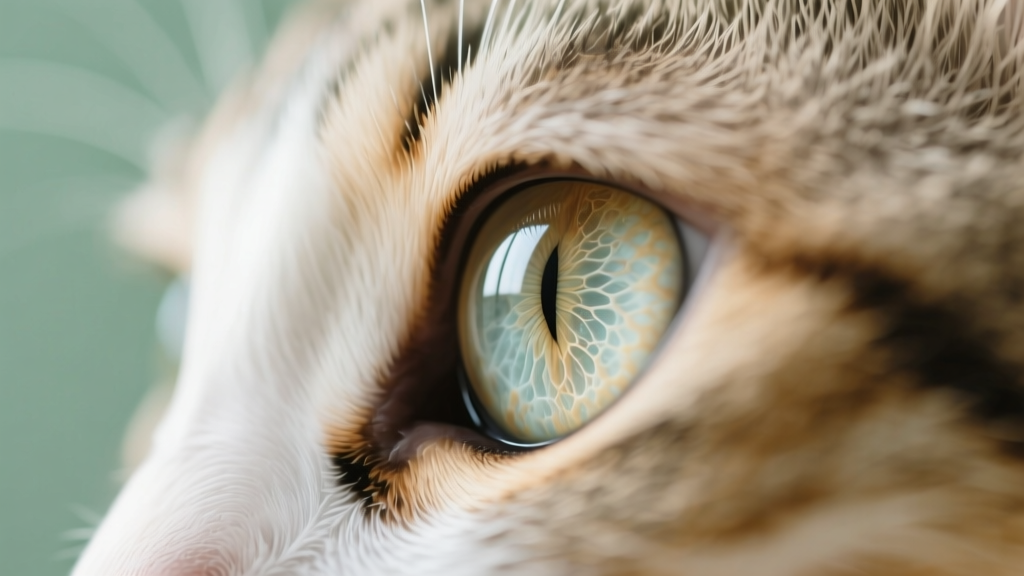
- Cloudy or bluish-looking eyes
- Increased risk of corneal irritation and ulcers
This condition is often discussed more in dogs than cats, but cats can develop endothelial dysfunction and corneal edema that behaves similarly. The key idea for owners: cloudiness from corneal edema is a sign the cornea is waterlogged, and a veterinarian needs to determine why.
3. Symptoms and Warning Signs to Watch For
Some cats act totally normal early on, so your observations at home are valuable. Contact your veterinarian if you notice any of the following, even if your cat seems comfortable.
Common signs
- Cloudy, hazy, or blue-gray appearance of one or both eyes
- “Foggy” cornea that looks worse in certain lighting
- Increased tearing or watery eyes
- Mild squinting or blinking more than usual
- Rubbing at the face/eye (with a paw or against furniture)
- Light sensitivity (hiding, turning away from bright light)
Signs that may suggest complications
- Redness of the white of the eye
- Thick discharge (yellow/green)
- Sudden worsening of cloudiness
- Visible scratch, spot, or divot on the cornea (possible ulcer)
- Behavior changes suggesting pain (hiding, decreased appetite, irritability)
Practical at-home check you can do today
- Look at your cat’s eyes in a well-lit room once daily for a week. Note whether the cloudiness is stable, improving, or progressing.
- Compare both eyes. A difference between eyes is useful information for your vet.
- Take a clear photo (no flash if possible). Photos help your veterinarian track changes over time.
4. Causes and Risk Factors
“Dystrophy” generally implies a disease related to the tissue itself, often with a genetic component. In real-life veterinary practice, though, corneal edema has multiple possible causes. A veterinary exam is needed to sort them out.
Potential causes and contributors
- Primary endothelial degeneration/dystrophy: The endothelial cells fail over time, leading to chronic corneal edema.
- Age-related endothelial decline: Some cats may have reduced endothelial function as they get older.
- Prior eye inflammation (uveitis): Inflammation can damage the endothelium.
- Glaucoma (high eye pressure): Elevated pressure can harm corneal endothelial cells and cause cloudiness.
- Trauma: Scratches or blunt injuries can damage the cornea and internal structures.
- Infection: Some viral or bacterial conditions can be associated with corneal disease; your vet will evaluate the bigger picture.
Risk factors
- Older age (more time for endothelial wear or secondary issues to develop)
- History of eye disease (ulcers, chronic conjunctivitis, uveitis, glaucoma)
- Breed/genetics: Specific feline breed predispositions are not as well-defined as in dogs, but genetics may still play a role.
- Chronic systemic illness that predisposes to inflammation (your vet will guide you if this applies)
5. Diagnosis: What to Expect at the Vet
Because cloudy eyes can indicate several conditions—some requiring urgent treatment—your veterinarian (or a veterinary ophthalmologist) will perform a structured eye exam. If you can, bring photos and a timeline of when you first noticed changes.
Common diagnostic steps
- History and visual inspection: One eye vs both, sudden vs gradual, any trauma, any squinting or discharge.
- Fluorescein stain: A safe dye test to check for corneal ulcers or scratches. Ulcers can be painful and change treatment choices.
- Tonometer reading (eye pressure test): Screens for glaucoma or abnormally low pressure associated with uveitis.
- Schirmer tear test (in some cases): Measures tear production, especially if discharge or dryness is suspected.
- Slit lamp examination: A magnified exam to evaluate corneal layers, edema pattern, and signs of inflammation.
- Ophthalmoscopy: Exam of internal eye structures to look for underlying disease.
What your veterinarian is trying to determine
- Is the cloudiness due to corneal edema, scarring, inflammation, cataract, or something else?
- Is this primary endothelial disease or secondary to glaucoma/uveitis/trauma?
- Is there an active ulcer or infection that needs immediate treatment?
If the situation is complex or not improving, a referral to a veterinary ophthalmologist may be recommended for advanced testing and specialized treatment planning.
6. Treatment Options: Medical, Surgical, and Home Care
Treatment depends on the cause and severity of the edema, whether one or both eyes are affected, and whether complications (like ulcers) are present. Your veterinarian will tailor therapy for your cat.
Medical management (often first-line)
- Hypertonic saline eye drops or ointment: These products draw fluid out of the cornea and may reduce cloudiness. Your veterinarian will tell you which concentration and how often to apply.
- Lubricating drops/gel: Help protect the corneal surface, especially if the cornea is irritated.
- Pain control: If there is discomfort or an ulcer, your vet may prescribe pain medication. Never give human pain relievers to cats unless specifically directed—many are toxic.
- Antibiotic eye medication: Used if there is a corneal ulcer or high risk of infection.
- Anti-inflammatory medications: Only when appropriate and safe. Some anti-inflammatory eye drops are not used if an ulcer is present, so this decision must be made by a veterinarian.
- Treatment for underlying disease: If glaucoma or uveitis is involved, controlling that condition is crucial.
Surgical/procedural options (case-dependent)
Surgery is not required for every cat, and availability varies by region. If edema is severe or progressive, or if painful complications recur, your ophthalmologist may discuss options. These can include procedures to improve comfort or manage the corneal surface. In specialty settings, advanced corneal procedures may be considered based on the individual case and the suspected underlying problem.
Because procedures differ widely and must be matched to the exact diagnosis, the most helpful next step is often an ophthalmology consult if medical therapy is not controlling the condition.
Home care that makes a real difference
- Use an e-collar (cone) if your cat is rubbing the eye. Rubbing can turn mild disease into a painful ulcer quickly.
- Give medications exactly as prescribed. Eye meds work best when consistently dosed.
- Keep the eye area clean using a damp cotton pad and warm water (or vet-approved saline). Wipe gently; don’t press on the eye.
- Reduce irritants: Avoid dusty litter, strong sprays, smoke, and grooming products near the face.
- Separate pets if needed to prevent play scratches to the eye while healing.
If you’re struggling to apply eye drops, ask your veterinary team to demonstrate. Small technique tweaks—like positioning your cat on a non-slip surface or wrapping in a towel—can dramatically reduce stress for both of you.
7. Prevention Strategies and Early Detection Tips
True dystrophies are not always preventable, but you can reduce complications and catch changes early.
Steps you can start today
- Check your cat’s eyes weekly for cloudiness, redness, squinting, or discharge.
- Schedule routine wellness exams, especially for senior cats. Eye pressure checks may be recommended if glaucoma is a concern.
- Act quickly on squinting. Squinting is one of the most reliable signs of eye pain.
- Protect from trauma: Trim sharp nails (including those of housemate cats), and supervise interactions if play gets rough.
- Manage underlying health issues: If your cat has chronic inflammatory conditions, follow your vet’s plan to lower flare-ups that could affect the eyes.
Early detection tip
- If cloudiness comes and goes or seems worse at certain times of day, document it. Patterns can help your veterinarian differentiate corneal edema from other causes.
8. Prognosis and Quality of Life Considerations
The outlook depends on the underlying cause, how early it’s caught, and whether complications occur. Many cats do well with monitoring and supportive care, especially if the eye remains comfortable and ulcers are prevented.
Quality of life goals
- Comfort first: A pain-free eye is the top priority.
- Protect the cornea: Preventing ulcers often prevents the biggest setbacks.
- Preserve vision when possible: Some cats maintain functional vision even with mild-to-moderate corneal haze.
If vision becomes reduced, most cats adapt extremely well at home when their environment stays consistent. Keep furniture in familiar locations, block access to hazards (stairs, balconies), and use night lights in dim hallways.
9. When to Seek Emergency Veterinary Care
Some eye issues can worsen quickly. Seek urgent veterinary attention (same day, emergency clinic if needed) if you observe:
- Sudden, severe squinting or the eye kept closed
- Rapidly increasing cloudiness over hours to a day
- A visible spot, scratch, or “dent” on the cornea (possible ulcer)
- Marked redness or swelling of the eye
- Thick yellow/green discharge
- Obvious vision loss (bumping into objects, disorientation) that appears suddenly
- Unequal pupil size or a very large, fixed pupil
- Signs of significant pain: hiding, growling when touched, not eating
If you’re unsure whether it’s an emergency, call your veterinary clinic and describe the symptoms. Eye problems are one area where “waiting to see” can lead to more discomfort and more complicated treatment.
10. FAQ: Common Questions Cat Owners Ask
Can corneal endothelial dystrophy make my cat blind?
It can reduce vision if the cornea becomes very cloudy, but the degree varies. Some cats have mild haze with minimal visual impact. The biggest risks to vision are often related complications, such as corneal ulcers, scarring, or uncontrolled glaucoma. A veterinarian can help estimate risk based on exam findings.
Is a cloudy eye always corneal endothelial dystrophy?
No. Cloudiness can come from corneal edema, corneal scarring, inflammation inside the eye (uveitis), glaucoma, cataracts, and other issues. Because the treatments differ, any new cloudiness should be examined by a veterinarian.
Is this condition painful for cats?
The edema itself may be mildly irritating, but pain usually becomes more obvious if there is an ulcer, significant inflammation, or high eye pressure. Squinting, rubbing, and avoiding light are strong clues that your cat is uncomfortable and needs prompt veterinary care.
What can I do at home while waiting for the vet appointment?
- Prevent rubbing with an e-collar if your cat is pawing at the eye.
- Keep your cat indoors and away from rough play.
- Do not use leftover eye meds from another pet or an old prescription unless your veterinarian advises it.
- Take a photo of the eye and note when changes started.
Are human eye drops safe for cats?
Some products can be harmful or worsen certain eye problems. Even simple-looking drops can be unsafe if the cornea is ulcerated or if the medication contains ingredients not appropriate for cats. Only use eye medications that your veterinarian has prescribed or approved for your specific cat.
Will my cat need lifelong treatment?
Some cats require ongoing management, especially if the endothelial function continues to decline or if there’s an underlying condition like glaucoma. Others may need intermittent treatment during flare-ups. Your veterinarian will usually recommend rechecks to monitor comfort, eye pressure, and corneal health.
If your cat’s eye looks cloudy, don’t blame yourself—many eye conditions are subtle at first. What helps most is noticing changes early, getting a proper diagnosis, and following the treatment plan closely. For more practical, vet-informed cat health guidance, visit catloversbase.com and explore our growing library of feline wellness resources.