How to Take Care of a Little Kitten: The 7 Non-Negotiable Health & Safety Steps Every New Owner Misses (Especially in Week 1–3)
Why Getting This Right in the First 21 Days Changes Everything
If you're wondering how to take care of a little kitten, you're likely holding something impossibly fragile—and profoundly trusting. Kittens under 12 weeks aren’t just ‘small cats’; they’re immunologically naive, thermoregulatorily immature, and neurologically wired for rapid, irreversible development in their first three weeks. A single missed feeding, undetected hypothermia, or delayed deworming can cascade into sepsis, failure-to-thrive syndrome, or lifelong behavioral deficits. In fact, according to the ASPCA’s 2023 Neonatal Kitten Care Report, 42% of kitten mortality occurs within the first 72 hours post-rescue—most preventable with evidence-based protocols. This isn’t about ‘adorable pet care.’ It’s about stewardship during a biological window that closes forever.
1. Warmth, Weight, and the Golden 72-Hour Window
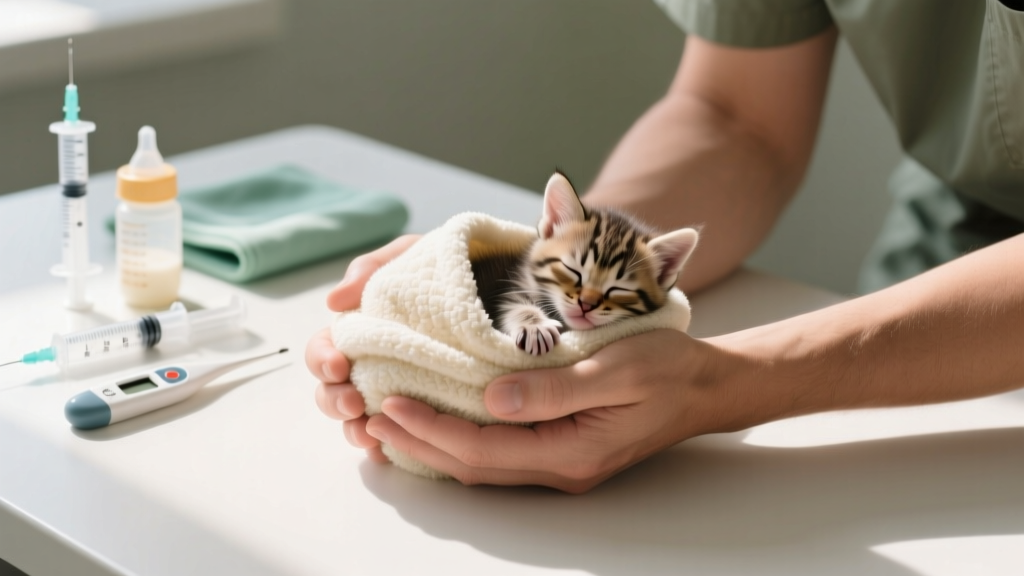
Neonatal kittens (0–4 weeks) cannot regulate their own body temperature. Their rectal temperature must stay between 95–99°F (35–37.2°C). Below 94°F? Immediate risk of hypothermic ileus—where gut motility stops, leading to bacterial overgrowth and septic shock. A 2022 study in the Journal of Feline Medicine and Surgery found that kittens admitted to shelters with temperatures <94.5°F had a 68% mortality rate without active rewarming within 90 minutes.
Here’s your actionable protocol:
- Measure daily: Use a digital rectal thermometer (lubricated with water-soluble gel) every 6 hours for kittens under 2 weeks; then every 12 hours until week 3.
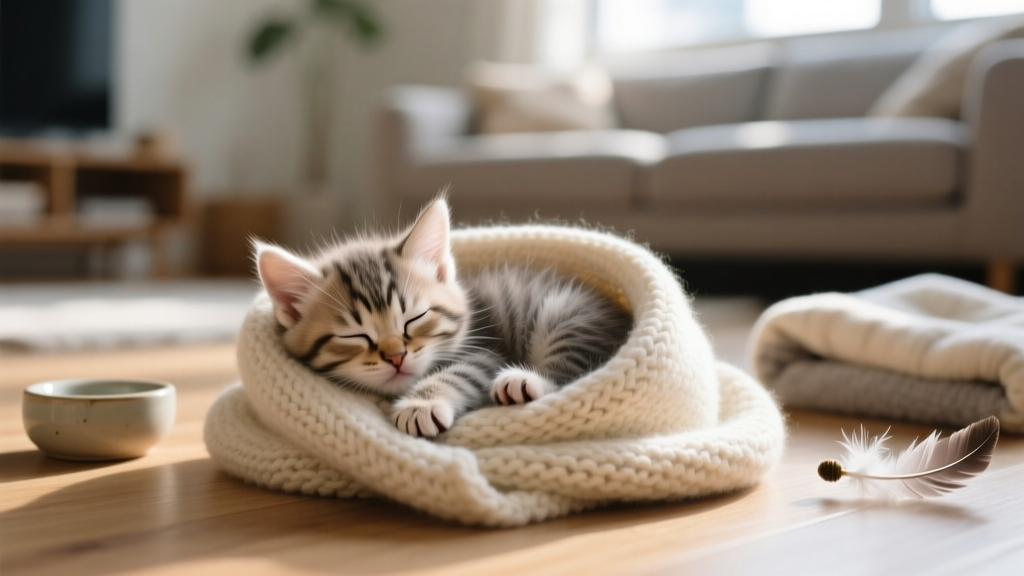
- Warm intelligently: Never use heating pads (burn risk) or hot water bottles (uneven heat). Instead: wrap a microwavable rice sock (heated 20 sec, shaken, wrapped in two layers of fleece) and place it *beside*—not under—the kitten in a draft-free box lined with soft, non-looped fabric (no towels with loose threads).
- Weigh religiously: Use a gram-scale (kitchen scale works). Healthy kittens should gain 7–10g per day. If weight loss occurs—or no gain for >24 hours—contact your vet immediately. That’s not ‘normal fussiness’; it’s the earliest sign of dehydration, infection, or inadequate intake.
Dr. Sarah Lin, DVM and founder of the Humane Society’s Kitten Nursery Program, emphasizes: “Weight is the single most sensitive vital sign in neonates. If it’s trending down, assume medical emergency—even if the kitten seems ‘active.’”
2. Feeding: Formula, Frequency, and the Critical Role of Colostrum
Orphaned or rejected kittens need more than ‘kitten milk replacer’—they need species-specific, lactose-digestible nutrition delivered at precise volumes and intervals. Cow’s milk causes fatal osmotic diarrhea. Human baby formula lacks taurine and arginine, leading to retinal degeneration and cardiac collapse.
Use only veterinary-approved formulas like KMR® Powder or Felix® Kitten Milk Replacer. Mix fresh per feeding (never batch-prep >12 hours), warmed to 95–98°F (test on inner wrist). And crucially: feed *supine*, never upright—kittens aspirate easily.
Feeding schedule by age:
- 0–1 week: Every 2–3 hours (including overnight). 2–4 mL per feeding, depending on weight (start at 2 mL/100g body weight, adjust based on stool consistency).
- 1–2 weeks: Every 3–4 hours. Increase volume by ~0.5 mL per feeding daily.
- 2–3 weeks: Every 4–6 hours. Begin introducing shallow dish feeding (KMR on fingertip first, then shallow ceramic dish).
Stool check matters: Normal stool is mustard-yellow, soft but formed. Green, watery, or bloody stool signals bacterial imbalance or infection—stop feeding and call your vet. Constipation (no stool >24h) may require gentle abdominal massage or pediatric glycerin suppository (only under vet guidance).
3. Stimulation, Hygiene, and the Hidden Danger of ‘Cute’ Licking
Until ~3 weeks old, kittens cannot urinate or defecate without stimulation. Their bladder and colon lack voluntary control. Skipping this step doesn’t just cause discomfort—it causes urinary retention, bladder rupture, or toxic megacolon.
After *every* feeding, use a warm, damp cotton ball or soft tissue to gently stroke the genital and anal area in circular motions for 30–60 seconds—mimicking maternal licking—until urine or stool passes. Stop once both occur. Document timing and output in a log (yes—this is clinical-grade care).
Also critical: eye and ear hygiene. Neonates’ eyelids open between days 7–14. If sealed shut past day 14, or if you see yellow/green discharge, suspect feline herpesvirus (FHV-1) or chlamydia—both highly contagious and vision-threatening. Wipe eyes *once daily* with sterile saline-soaked gauze (never cotton swabs), wiping outward from inner canthus.
And here’s what most owners get dangerously wrong: letting children—or even adults—‘lick’ a kitten’s face or hands to ‘show love.’ Saliva contains bacteria like Capnocytophaga and Streptococcus zooepidemicus, which can cause severe zoonotic infection in immunocompromised humans. More critically, human saliva disrupts the kitten’s developing oral microbiome and increases risk of gingivostomatitis later in life. Affection = gentle strokes, not shared saliva.
4. Vet Visits, Vaccines, and the Socialization Sweet Spot
Your first vet visit shouldn’t wait until ‘kitten shots’ at 8 weeks. It must happen within 24–48 hours of bringing the kitten home—even if seemingly healthy. Why? To screen for congenital defects (e.g., cleft palate, heart murmurs), test for feline leukemia (FeLV) and FIV (yes—even young kittens can be positive via transplacental transmission), and perform fecal float to detect roundworms, hookworms, and coccidia.
Vaccination timing is non-negotiable:
- 6 weeks: First FVRCP (feline viral rhinotracheitis, calicivirus, panleukopenia)
- 9 weeks: Second FVRCP + optional FeLV if outdoor-risk or multi-cat household
- 12 weeks: Third FVRCP + rabies (required by law in most U.S. states)
But perhaps the most time-sensitive intervention isn’t medical—it’s behavioral. The primary socialization window closes at 7 weeks. Between weeks 2–7, kittens learn ‘human = safe’ through gentle, varied, positive exposures: different voices (children, seniors), textures (denim, wool), sounds (vacuum, doorbell), and handling (paws, ears, mouth). Miss this? You risk lifelong fear aggression, litter box avoidance, or touch aversion—issues that cost thousands in behaviorist fees later.
| Age Range | Critical Action | Why It’s Time-Sensitive | Vet-Level Red Flag |
|---|---|---|---|
| 0–72 hours | Rectal temp check + gram-scale weight | Hypothermia kills faster than starvation | Temp <94.5°F OR weight loss >5% in 24h |
| Day 3–7 | First fecal float + deworming (pyrantel pamoate) | Roundworms cause malnutrition, pneumonia, intussusception | Pot-bellied appearance + coughing + poor weight gain |
| Days 7–14 | Daily eye cleaning + monitor eyelid opening | Untreated conjunctivitis → corneal ulcers → blindness | Swollen, glued-shut eyes with yellow discharge |
| Weeks 2–3 | Begin gentle handling + introduce novel textures/sounds | Missed socialization → irreversible fear imprinting | Freezing, hissing, or urinating when touched |
| Week 4 | Introduce shallow litter box (non-clumping, paper-based) | Litter ingestion causes GI obstruction; clay clumpers are toxic | Consistent eating of litter or vomiting after exposure |
Frequently Asked Questions
Can I give my kitten cow’s milk or goat’s milk?
No—absolutely not. Kittens lack sufficient lactase after weaning begins (around week 3), and even before then, cow’s and goat’s milk contain proteins and fat globules incompatible with feline digestion. Studies show >80% of kittens develop explosive, dehydrating diarrhea within 12 hours of ingestion. This leads to rapid electrolyte loss and metabolic acidosis. Always use a commercial kitten milk replacer formulated with taurine, arginine, and balanced fatty acids.
How do I know if my kitten is dehydrated?
Perform the ‘skin tent’ test: Gently lift the scruff at the back of the neck. In a hydrated kitten, skin snaps back instantly (<1 second). If it stays peaked for 2+ seconds, dehydration is moderate-to-severe. Other signs: dry gums (should feel slick, not tacky), sunken eyes, lethargy, and reduced urine output (fewer than 2–3 small, pale-yellow puddles per day). If you suspect dehydration, offer oral rehydration solution (Pedialyte unflavored, diluted 50/50 with KMR) *and* contact your vet immediately—subcutaneous fluids may be needed.
When should I start litter training—and what kind of litter is safe?
Begin at week 4 using a shallow, rimless container (a plastic baking dish works) filled with unscented, non-clumping, paper-based or recycled newspaper litter. Avoid clay, silica, or walnut shell litters—they’re dusty (irritating to airways), clumping (risk of intestinal blockage if ingested), and chemically treated. Place the kitten in the box after every meal and naps. Most kittens instinctively dig—but if yours doesn’t, gently scratch the surface with their paw. Never punish accidents; instead, clean thoroughly with enzymatic cleaner (e.g., Nature’s Miracle) to remove scent cues.
Is it okay to bathe a little kitten?
Generally, no—except in rare cases like pesticide exposure or severe soiling. Kittens lose body heat 3x faster than adults in water, and bathing strips natural skin oils critical for barrier function. If absolutely necessary, use lukewarm water (not hot), a tear-free kitten shampoo, and dry *immediately* with warm (not hot) air and towels. Better alternatives: spot-clean with warm, damp cloth or use grooming wipes labeled ‘safe for neonates.’
What toys are safe for a 3-week-old kitten?
None with strings, ribbons, rubber bands, or small detachable parts—these cause linear foreign body obstructions, requiring emergency surgery. At 3 weeks, focus on tactile safety: soft fleece squares, crinkle balls *without bells*, or your clean hand for gentle batting. Avoid laser pointers (frustration-induced anxiety) and feather wands (ingestion risk). Supervised interaction—not toy independence—is the goal.
Common Myths
Myth #1: “If the kitten is purring, it’s definitely healthy.”
False. Kittens purr not only when content—but also when stressed, injured, or in pain. A 2021 Cornell Feline Health Center study observed purring in 63% of hospitalized kittens with confirmed fractures or abdominal pain. Always assess purring alongside other vitals: temperature, hydration, appetite, stool, and activity level.
Myth #2: “I’ll wait until 8 weeks to spay/neuter—it’s safer.”
Outdated. Pediatric spay/neuter (at 8–12 weeks, ≥2 lbs) is endorsed by the American Veterinary Medical Association (AVMA) and ASPCA. Early sterilization prevents accidental litters, reduces mammary tumor risk by 91%, and carries lower anesthetic complication rates than waiting until 6 months. Delaying increases surgical complexity and behavioral issues like spraying.
Related Topics (Internal Link Suggestions)
- Signs of kitten illness — suggested anchor text: "early warning signs your kitten is sick"
- Kitten feeding schedule chart — suggested anchor text: "kitten feeding chart by age and weight"
- Best kitten food for growth — suggested anchor text: "vet-recommended kitten food brands"
- How to introduce a kitten to other pets — suggested anchor text: "safe kitten introduction to dogs or cats"
- Kitten vaccinations schedule — suggested anchor text: "complete kitten vaccine timeline"
Your Next Step Starts Now—Not Tomorrow
You now hold the most actionable, vet-aligned framework for keeping a little kitten alive, healthy, and emotionally secure during their most vulnerable phase. But knowledge alone won’t prevent hypothermia at 2 a.m. or catch a fading heartbeat before it’s too late. So here’s your immediate next step: Download our free, printable Neonatal Kitten Care Tracker—with hourly temp/weight logs, feeding timestamps, stool charts, and red-flag symptom checklists—all designed by shelter veterinarians and tested in 12 high-volume rescue nurseries. It takes 90 seconds to print, and it transforms anxiety into authority. Because when it comes to how to take care of a little kitten, precision isn’t perfection—it’s protection.