Cat Ovarian Cystic Endometrial Hyperplasia Sequence
1. Introduction: Why This Topic Matters
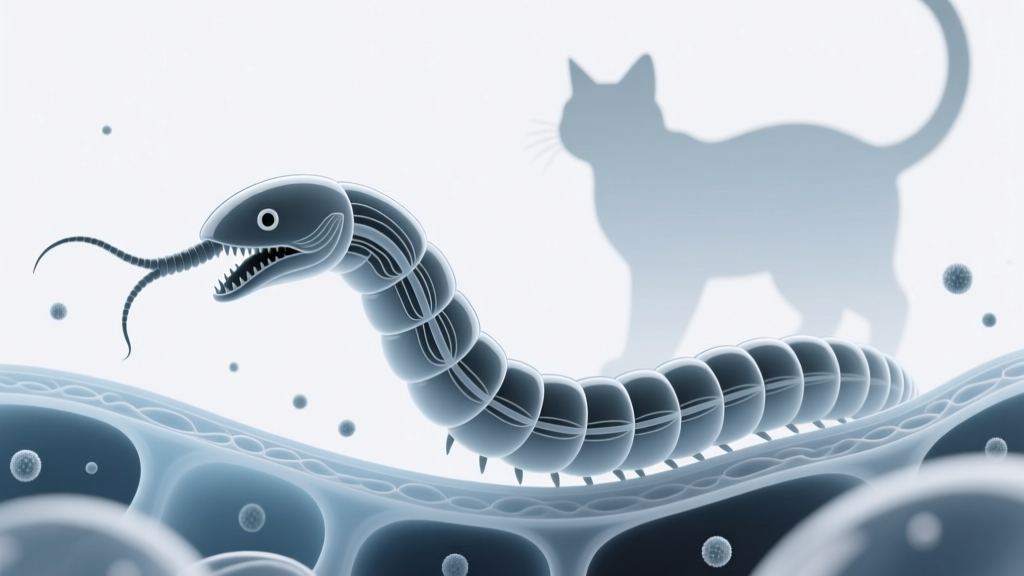
When a cat isn’t spayed, her reproductive system responds to normal hormone cycles throughout her life. Most of the time those cycles pass quietly—maybe with a little extra vocalizing or affection during heat. But in some cats, repeated hormone stimulation can set off a chain of changes in the ovaries and uterus that may become dangerous. One of the classic patterns veterinarians see is the ovarian cystic endometrial hyperplasia sequence, a progression that can end in a serious uterine infection called pyometra.
For cat owners, this topic matters because the early stages can be subtle, and by the time a cat looks very sick, she may need urgent care. The good news is that these conditions are often preventable, and outcomes are usually excellent when treated promptly. This article explains what the sequence is, what signs to watch for, and how you can protect your cat.
2. Overview: What the Ovarian Cystic Endometrial Hyperplasia Sequence Is
The term “ovarian cystic endometrial hyperplasia sequence” describes a related set of hormone-driven changes that can occur in intact (not spayed) female cats:
- Ovarian cysts: Fluid-filled structures on or within the ovaries that can disrupt normal hormone production.
- Cystic endometrial hyperplasia (CEH): Thickening and cyst formation in the lining of the uterus (the endometrium) due to repeated exposure to progesterone and estrogen.
- Progression to uterine inflammation/infection: The altered uterine lining may produce more secretions and provide an environment where bacteria can grow, potentially leading to endometritis or pyometra.
Here’s the plain-language version of what’s happening:
- During normal heat cycles, ovarian hormones prepare the uterus for pregnancy.
- If pregnancy doesn’t occur, the uterus should return to normal for the next cycle.
- Over time, repeated cycles (or abnormal hormone signals from ovarian cysts) can cause the uterine lining to become thickened and “glandular,” producing fluid.
- That fluid and thickened tissue can become a perfect setup for infection, especially if bacteria enter from the vagina.
Cats are induced ovulators, meaning ovulation is triggered by mating. Even without mating, hormonal fluctuations can still contribute to uterine changes over time. Ovarian cysts can also alter hormone levels, creating prolonged or irregular stimulation of the uterus.
3. Symptoms and Warning Signs to Watch For
Signs vary depending on whether the main issue is ovarian cysts, CEH, or an active infection such as pyometra. Some cats show very subtle changes at first.
Possible signs of ovarian cysts or hormone imbalance
- Repeated or prolonged heat behaviors (calling/vocalizing, restlessness)
- Heat cycles that seem too frequent or don’t resolve normally
- Increased affection, rolling, “presenting” posture
- Occasional urine marking
- Hair thinning, coat changes, or overgrooming (less common, can occur with hormone disorders)
Possible signs of cystic endometrial hyperplasia (often mild until infection develops)
- Mild lethargy or “not quite herself” behavior
- Occasional decreased appetite
- Intermittent abdominal discomfort (hiding, less tolerant of handling)
Warning signs that suggest uterine infection (pyometra) may be developing
- Decreased appetite or refusing food
- Lethargy, weakness, or hiding more than usual
- Increased thirst and increased urination
- Vomiting or diarrhea
- Fever (not always present)
- Abdominal enlargement or discomfort
- Vaginal discharge (may be bloody, creamy, yellow/green, or foul-smelling)
Important: Some cats with pyometra have a “closed” cervix, meaning there may be no discharge even though the uterus is filling with infected material. These cats can become very ill quickly, so behavior changes and appetite changes matter.
4. Causes and Risk Factors
The underlying driver of this sequence is usually hormonal stimulation over time. Factors that increase risk include:
- Not being spayed: The most significant risk factor.
- Age: Risk increases with age, but pyometra can occur in younger cats too.
- Ovarian cysts: Can lead to abnormal or prolonged estrogen/progesterone exposure.
- Hormonal medications: In some cases, progestins or other hormone-based treatments used to suppress heat can increase the risk of uterine changes and infection.
- Previous reproductive tract disease: Prior uterine inflammation may predispose to future problems.
Even if your cat seems to have “normal heats,” the uterus is still responding to hormonal cycles. Over months and years, those repeated signals can contribute to CEH.
5. Diagnosis: What to Expect at the Vet
If your veterinarian suspects ovarian cysts, CEH, or pyometra, they’ll typically recommend a combination of history, physical exam, and testing. The goal is to confirm what’s happening and assess how stable your cat is.
Common diagnostic steps
- History and symptom review: Heat cycle patterns, discharge, appetite, thirst, behavior changes, any hormone medications.
- Physical exam: Checking hydration, temperature, abdominal comfort, and overall stability.
- Abdominal ultrasound: Often the most helpful tool for visualizing uterine enlargement, fluid, thickened uterine lining, and sometimes ovarian cysts.
- X-rays (radiographs): Can show an enlarged uterus in some cases, especially if distended.
- Bloodwork (CBC/chemistry): Looks for infection/inflammation, dehydration, kidney stress, and organ function changes.
- Urinalysis: Helps evaluate hydration and kidney function; increased drinking/urination can also point to systemic illness.
- Vaginal cytology or culture: Sometimes used if discharge is present (not always required).
If pyometra is suspected, your vet may treat it as time-sensitive. You might hear terms like “open pyometra” (discharge present) versus “closed pyometra” (no discharge). Both are serious.
6. Treatment Options (Medical, Surgical, Home Care)
Treatment depends on how far along the sequence is and whether infection is present. Your veterinarian will recommend the safest plan for your cat’s condition and future breeding plans (if any).
Surgical treatment
- Spay surgery (ovariohysterectomy): Removal of ovaries and uterus is the most definitive treatment for CEH and pyometra and prevents recurrence.
For pyometra, surgery is often the recommended option because it removes the source of infection and hormone influence. Cats may need stabilization first with IV fluids and medications.
Medical treatment
Medical management may be considered in limited situations (for example, valuable breeding animals) and only under close veterinary supervision. It can carry risks and recurrence is possible.
- Antibiotics: Used when infection is present, but antibiotics alone usually do not resolve pyometra without addressing uterine contents and hormone influence.
- Supportive care: IV fluids, anti-nausea medication, pain relief, appetite support.
- Hormone-modulating medications: In selected cases, drugs may be used to help the uterus expel contents; these require careful monitoring and are not appropriate for every cat.
Home care and recovery support
Whether your cat is treated surgically or medically, home care makes a real difference in comfort and healing:
- Give all medications exactly as prescribed, and don’t stop early even if she seems improved.
- Restrict activity during recovery (often 10–14 days after surgery) and prevent jumping if advised.
- Prevent licking of an incision with an e-collar or recovery suit.
- Monitor appetite, energy, and litter box output daily.
- Offer small, frequent meals if appetite is reduced, and ensure fresh water is always available.
If you notice vomiting, worsening lethargy, swelling/redness at the incision, discharge, or refusal to eat, contact your veterinarian promptly.
7. Prevention Strategies and Early Detection Tips
The most effective prevention is straightforward:
- Spay your cat: Spaying removes the ovaries and uterus, preventing ovarian cysts and uterine disease and eliminating the risk of pyometra.
Actionable steps you can take now
- Track heat cycles: Note start/end dates and behaviors. Prolonged or unusually frequent heats should be discussed with a vet.
- Watch for subtle illness signs: Reduced appetite, increased thirst, and hiding are often early warnings in cats.
- Check for discharge: If your cat is intact, occasionally look for signs of vulvar discharge or staining where she sleeps.
- Avoid hormone suppression unless specifically prescribed: If you’re considering delaying spay, talk with your veterinarian about safer options and the risks of hormonal products.
- Schedule regular exams: Annual or twice-yearly wellness visits help catch patterns and early changes.
If your intact female cat is middle-aged or older and you’re not planning to breed her, speak with your veterinarian about spaying sooner rather than later. Earlier intervention often means lower risk and simpler recovery.
8. Prognosis and Quality of Life Considerations
Prognosis depends on how early the problem is recognized and whether complications have developed.
- Ovarian cysts/CEH without infection: Prognosis is generally excellent, especially if spayed.
- Pyometra treated promptly: Many cats recover well with appropriate stabilization, surgery, and follow-up care.
- Delayed treatment: Risk increases for dehydration, sepsis (body-wide infection), uterine rupture, and organ stress.
Most cats return to a normal, comfortable life after successful treatment. Owners often notice positive changes after spay as well—no more heat-related stress behaviors and fewer hormone-driven swings.
9. When to Seek Emergency Veterinary Care
Contact an emergency veterinarian right away if your intact female cat has any of the following:
- Very low energy, collapse, or severe weakness
- Repeated vomiting or inability to keep water down
- Signs of pain (crying, tense belly, unwilling to move)
- Bloated or rapidly enlarging abdomen
- Fever or very low body temperature (if measured)
- Foul-smelling vaginal discharge, especially with lethargy
- Not eating for 24 hours (or less if she seems unwell)
- Increased drinking/urination plus lethargy in an intact female
If you’re unsure, it’s always safer to call a veterinary clinic for guidance. Pyometra can worsen quickly, and early treatment improves outcomes.
10. FAQ: Common Questions Cat Owners Ask
Can a cat have pyometra without any discharge?
Yes. This is often called a closed pyometra, where the cervix is not open enough for infected fluid to drain. These cats may look sick without obvious discharge. Appetite loss, lethargy, vomiting, increased thirst, and abdominal discomfort are important clues—see a veterinarian promptly.
Is cystic endometrial hyperplasia the same thing as pyometra?
No. CEH is a thickening and cystic change of the uterine lining, often related to repeated hormone exposure. Pyometra is an infection of the uterus. CEH can increase the risk of pyometra, which is why veterinarians often discuss them as part of a sequence.
My cat has frequent heats—does that mean she has ovarian cysts?
Not always. Some cats naturally cycle frequently, and stress, season, and household factors can affect behavior. That said, prolonged or unusually frequent heats can be a sign of ovarian cysts or hormone imbalance. A veterinary exam and ultrasound can help clarify what’s going on.
Can antibiotics cure pyometra without surgery?
Antibiotics may help temporarily, but in many cases they don’t fully resolve pyometra because the uterus remains an infected, fluid-filled organ under hormonal influence. Surgical spay is the most definitive treatment for most pet cats. Your veterinarian can explain whether medical management is appropriate in your cat’s specific situation.
What age should I spay my cat to prevent these problems?
Many cats are spayed around 4–6 months of age, but the ideal timing depends on your cat’s health and your veterinarian’s recommendations. The key prevention point is that spaying before uterine disease develops dramatically reduces risk.
If my cat recovers, can this come back?
If the uterus and ovaries remain in place, recurrence is possible—especially for hormone-driven uterine changes and infection. Spaying removes the source of the problem and prevents future pyometra.
If your cat is intact and showing any concerning signs—especially appetite changes, lethargy, increased thirst, or discharge—schedule a veterinary visit. Getting answers early is one of the best ways to protect her comfort and safety.
For more caring, practical cat health guidance, visit catloversbase.com and explore our growing library of feline wellness resources.