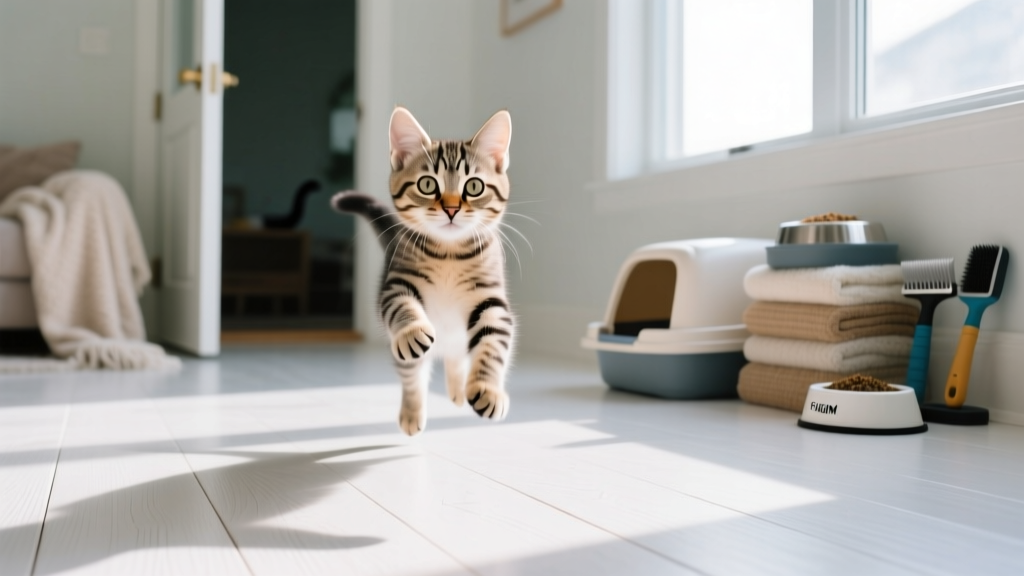
How to Care a Kitten: The 7 Non-Negotiable Health & Safety Steps Every New Owner Misses (and Why Skipping #3 Can Cost $1,200 in Emergency Vet Bills)
Why "How to Care a Kitten" Isn’t Just About Cuddles—It’s a 90-Day Lifesaving Blueprint
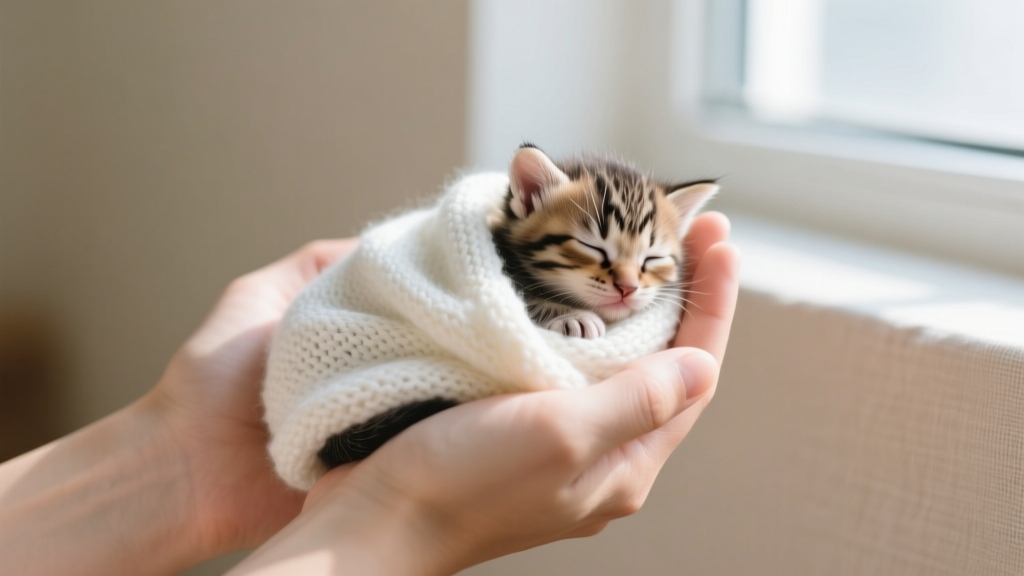
If you’ve just brought home a tiny, wide-eyed fluffball—or are about to—you’re likely Googling how to care a kitten with equal parts excitement and quiet panic. And that’s completely understandable: kittens aren’t miniature adult cats. They’re immunologically fragile, thermoregulation-challenged, neurologically undeveloped creatures whose first 12 weeks determine lifelong resilience, temperament, and even lifespan. In fact, according to the American Veterinary Medical Association (AVMA), nearly 40% of kitten mortality occurs in the first month—and over 65% of those cases are preventable with evidence-based care. This isn’t about perfection—it’s about prioritizing what actually matters when your kitten’s tiny heart is beating 220 times per minute and their immune system hasn’t yet learned how to fight off a common upper respiratory virus.
Your First 72 Hours: The Critical Window That Sets Everything Else
Most new owners focus on toys or bedding—but the first three days are where life-or-death decisions happen. Kittens under 8 weeks old can’t regulate body temperature, digest dry food, or eliminate without stimulation. A single missed feeding or chilling episode can trigger hypothermia within hours—a leading cause of neonatal death.
Here’s what to do immediately:
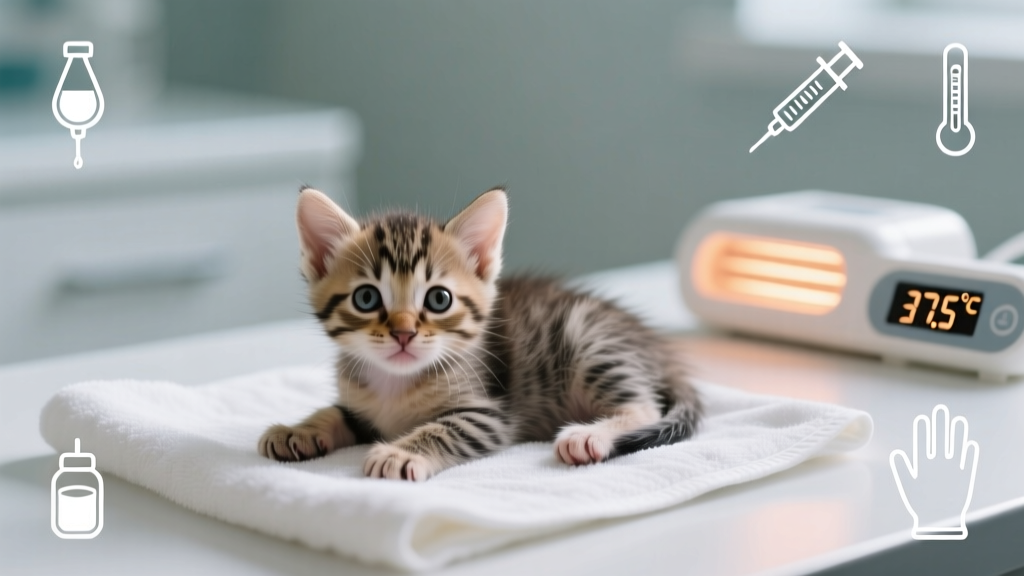
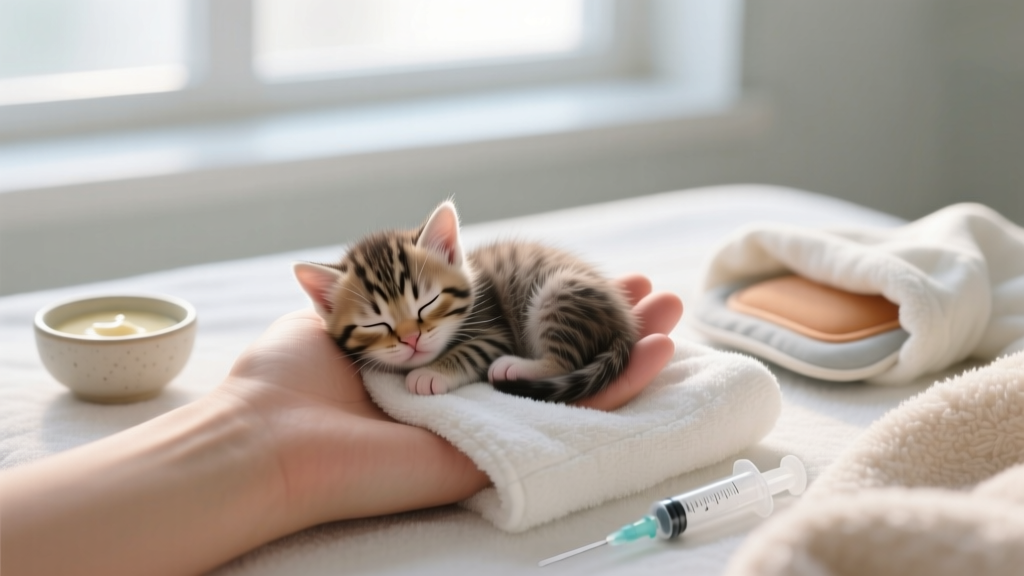
- Temperature control: Maintain ambient room temperature at 80–85°F (27–29°C) for kittens under 4 weeks; use a heating pad set on LOW *under half the bedding* (never direct contact) so they can move away if overheated.
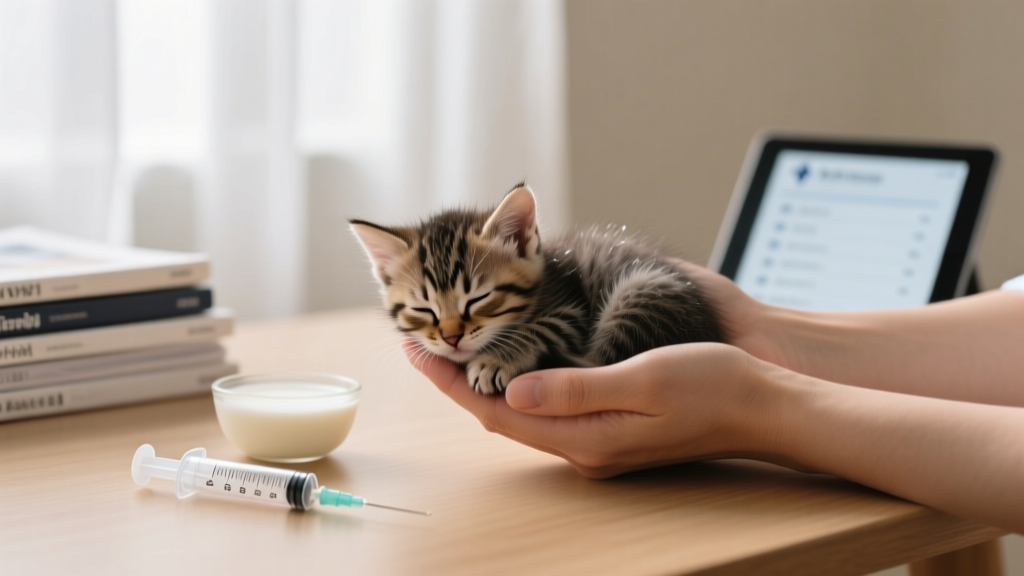
- Feeding protocol: If bottle-feeding orphaned kittens, use only veterinary-approved kitten milk replacer (KMR® or similar)—never cow’s milk, almond milk, or human baby formula. Feed every 2–3 hours around the clock for under-2-week-olds; reduce to every 4 hours by week 3. Use a 1–3 mL syringe or specialized kitten bottle with a soft nipple—never force-feed.
- Stimulation for elimination: After every feeding, gently rub the genital and anal area with a warm, damp cotton ball or soft tissue for 30–60 seconds until urination/defecation occurs. Stop once they’re consistently eliminating on their own (usually by day 14–16).
Dr. Lena Torres, DVM and founder of the Feline Neonatal Care Initiative, emphasizes: “We see dozens of ‘failure-to-thrive’ cases each spring—not from neglect, but from well-meaning owners using outdated advice like ‘just let them sleep through the night.’ Kittens don’t have that luxury.”
Weeks 2–8: Building Immunity, Not Just Habits
This period is when your kitten’s adaptive immune system begins maturing—and it’s also when they’re most vulnerable to feline panleukopenia (FPV), herpesvirus (FHV-1), and calicivirus (FCV). These viruses spread silently through shared litter boxes, grooming tools, or even your shoes—and FPV has a 90% fatality rate in unvaccinated kittens.
Vaccination timing isn’t flexible—it’s biological. Here’s the science-backed schedule:
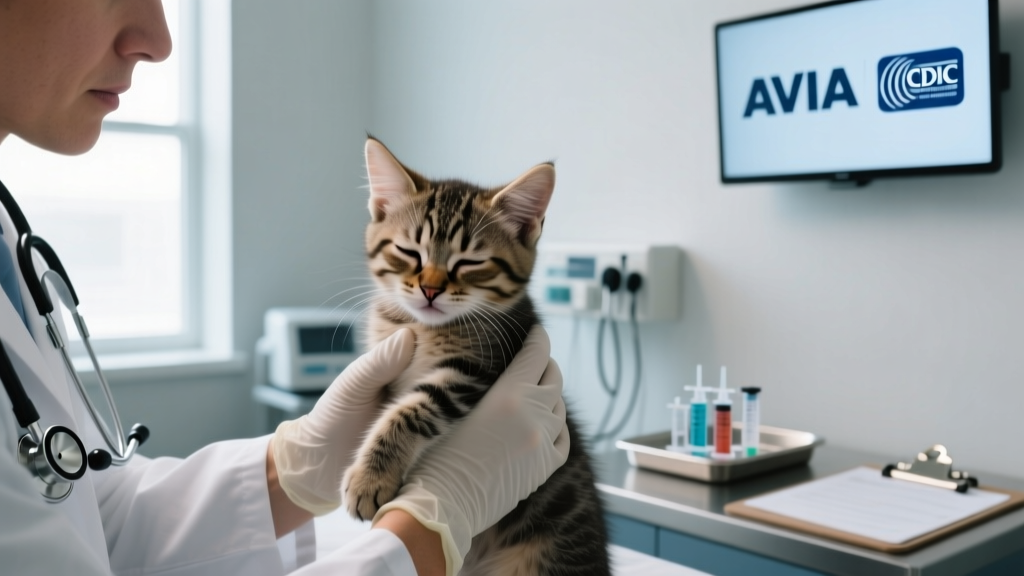
- First core vaccine (FVRCP): At 6–8 weeks—covers feline viral rhinotracheitis, calicivirus, and panleukopenia. Must be repeated every 3–4 weeks until 16 weeks minimum.
- Parasite screening: Fecal float test at 4 weeks, then again at 8 and 12 weeks—even if stool looks normal. Roundworms infect >85% of kittens; some carry Toxocara cati, which poses zoonotic risk to children.
- Spay/neuter timing: Contrary to myth, early-age sterilization (at 12–16 weeks) is safe and reduces behavioral issues. The ASPCA reports 32% lower incidence of urine marking in early-neutered males.
A real-world case: When Maya adopted Luna (a 5-week-old stray), she skipped deworming because “she seemed fine.” By week 7, Luna developed severe diarrhea and lethargy. A fecal test revealed heavy roundworm and coccidia loads—requiring 3 weeks of treatment and $480 in diagnostics and meds. Prevention would’ve cost $12.
The Socialization Sweet Spot: Why Week 2–7 Is Your Only Shot
Neuroscience confirms it: the prime socialization window closes at 7 weeks. After that, fear responses become hardwired. This isn’t about “making friends”—it’s about preventing lifelong anxiety disorders, aggression, and litter box avoidance.
Effective socialization means structured, positive exposure—not overwhelming chaos. Follow the “Rule of 3s”:
- 3 people daily: Different ages, genders, voices, and appearances (hats, glasses, beards).
- 3 novel textures weekly: Carpet, tile, grass, cardboard, crinkly paper—always paired with treats or play.
- 3 sounds weekly: Vacuum hum (start 10 ft away, gradually closer), doorbell, dishwasher—never during naps or meals.
One study published in Journal of Feline Medicine and Surgery tracked 120 kittens: those receiving 15+ minutes/day of guided socialization between weeks 3–7 showed 73% less fear-based aggression at 1 year vs. controls. Crucially, sessions must end *before* stress signs appear (flattened ears, tail flicking, freezing). Pushing past that threshold teaches avoidance—not confidence.
Feeding, Litter, and Sleep: What Science Says (Not What Pinterest Says)
Let’s cut through the noise. Viral posts claiming “kittens need raw meat at 4 weeks” or “use newspaper instead of litter for ‘eco-friendliness’” ignore digestive physiology and behavioral science.
Feeding: Kittens require 3x the calories per pound of adult cats—and protein must be highly digestible (≥35% crude protein on dry matter basis). Transition to solid food starts at 3–4 weeks: mix high-quality wet kitten food with KMR to a thin gruel. By week 6, offer moistened kibble; by week 8, fully weaned onto kitten-specific food. Avoid all-grain-free diets unless prescribed—recent FDA investigations link them to dilated cardiomyopathy in young cats.
Litter training: Place kittens in the box after every nap, meal, and play session. Use unscented, clumping clay litter (avoid crystal or walnut shells—they’re dusty and irritating). Keep boxes low-entry and in quiet areas—never next to noisy appliances. If accidents occur, clean with enzymatic cleaner (not vinegar or bleach), then place the soiled material *in* the box to reinforce scent association.
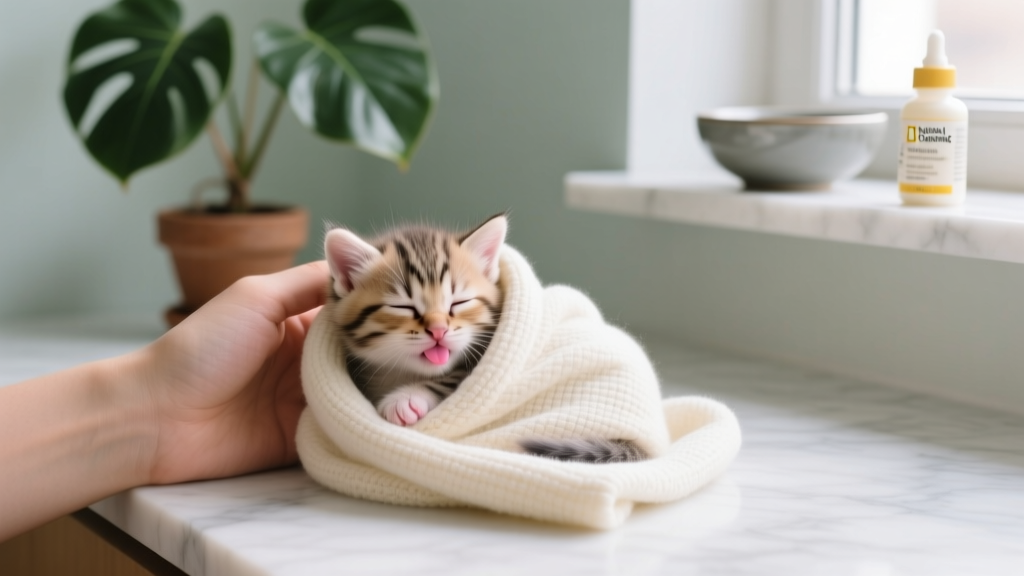
Sleep safety: Kittens sleep 20+ hours/day—but never allow unsupervised access to beds, couches, or laundry piles. A 2022 Cornell Feline Health Center report found 68% of kitten suffocation incidents involved fabric entrapment. Always provide a dedicated, ventilated sleep space with washable bedding.
| Age Range | Critical Health Actions | Red Flags Requiring Immediate Vet Visit | Owner Skill to Master |
|---|---|---|---|
| 0–2 weeks | Stimulate elimination after every feeding; weigh daily (should gain 10–15g/day); maintain 85°F ambient temp | No stool/urine in 24h; crying nonstop; inability to latch; rectal temp <99°F or >103°F | Recognizing subtle dehydration (skin tent >2 sec, dry gums) |
| 3–4 weeks | Begin gruel feeding; introduce shallow litter box; start gentle handling 5 min/day | Bloody stool; refusal to eat for >8h; nasal discharge that crusts eyes/nose | Using a digital scale for accurate weight tracking |
| 5–8 weeks | Complete weaning; administer first FVRCP; begin parasite treatment; initiate socialization protocol | Labored breathing; seizures; green/yellow eye discharge; sudden lethargy | Reading body language cues (tail position, ear orientation, pupil dilation) |
| 9–12 weeks | Second FVRCP; first rabies vaccine (if required by law); microchip implantation; spay/neuter consult | Weight loss >10% in 48h; vomiting >2x/day; blood in urine/stool | Performing basic at-home ear checks and dental inspections |
Frequently Asked Questions
Can I bathe my kitten?
No—bathing is dangerous for kittens under 12 weeks. Their bodies lose heat 3x faster than adults, and stress can trigger hypothermia or cardiac events. If dirty, gently wipe with a warm, damp cloth. Only full immersion baths should be done by veterinarians for medical reasons (e.g., severe flea infestation).
When should my kitten start using the litter box independently?
Most kittens begin consistent box use by 4 weeks, but mastery takes until 8–10 weeks. Success hinges on accessibility (low sides), location (quiet, low-traffic), and consistency—not punishment. Never rub their nose in accidents—it causes fear, not learning.
Is it okay to let my kitten sleep in bed with me?
Not until they’re at least 12 weeks old and fully vaccinated. Beyond disease risk (zoonotic parasites, ringworm), accidental smothering or falls pose real danger. Even after 12 weeks, ensure they have their own safe, warm sleeping space nearby—kittens thrive on routine and security.
My kitten cries constantly at night—what’s wrong?
Night crying usually signals one of three things: hunger (especially under 8 weeks), cold (check ear tips—they’ll feel cool), or loneliness (orphaned or separated too early). Rule out medical causes first (pain, urinary discomfort), then address environmental needs. Never ignore persistent crying—it’s their only communication tool.
Do I need to trim my kitten’s nails?
Yes—but wait until 6 weeks old, and only trim the clear tip (avoiding the pink “quick”). Use guillotine-style clippers, not human nail trimmers. Do it during calm moments (post-meal, pre-nap) and reward with treats. Overgrown nails can curl into paw pads, causing infection.
Common Myths Debunked
Myth #1: “Kittens can drink cow’s milk.”
False—and potentially fatal. Kittens lack sufficient lactase after weaning begins. Cow’s milk causes severe diarrhea, dehydration, and electrolyte imbalances. KMR is formulated with taurine, arginine, and proper fat ratios missing in dairy.
Myth #2: “If my kitten seems playful and eats well, they’re healthy.”
Dangerously misleading. Kittens mask illness until they’re near collapse. Subtle signs—slight gum pallor, decreased grooming, reduced purring frequency, or slower weight gain—are often the only warnings. Weekly weigh-ins are non-negotiable.
Related Topics (Internal Link Suggestions)
- Kitten Vaccination Schedule — suggested anchor text: "kitten vaccination timeline"
- Best Kitten Food Brands (Veterinarian-Approved) — suggested anchor text: "top vet-recommended kitten foods"
- How to Introduce a Kitten to Other Pets Safely — suggested anchor text: "introducing kitten to dog or cat"
- Signs of Sick Kitten: Early Warning Indicators — suggested anchor text: "kitten illness symptoms"
- DIY Kitten Toys That Stimulate Natural Hunting Instincts — suggested anchor text: "homemade kitten enrichment ideas"
Your Next Step Starts Today—Not Tomorrow
You now hold the most critical toolkit for raising a thriving kitten: not just what to do, but why each action matters biologically, behaviorally, and medically. Remember—the goal isn’t flawless execution. It’s showing up consistently with knowledge, compassion, and vigilance. Your kitten’s first 90 days are the foundation for 15+ years of companionship. So grab a notebook, buy a digital kitchen scale ($12 on Amazon), and schedule that first vet visit before bringing them home. Because the best way to care for a kitten isn’t reactive—it’s prepared. Ready to build their lifelong wellness plan? Download our free Printable 12-Week Kitten Care Tracker—complete with vaccination logs, weight charts, and socialization prompts.