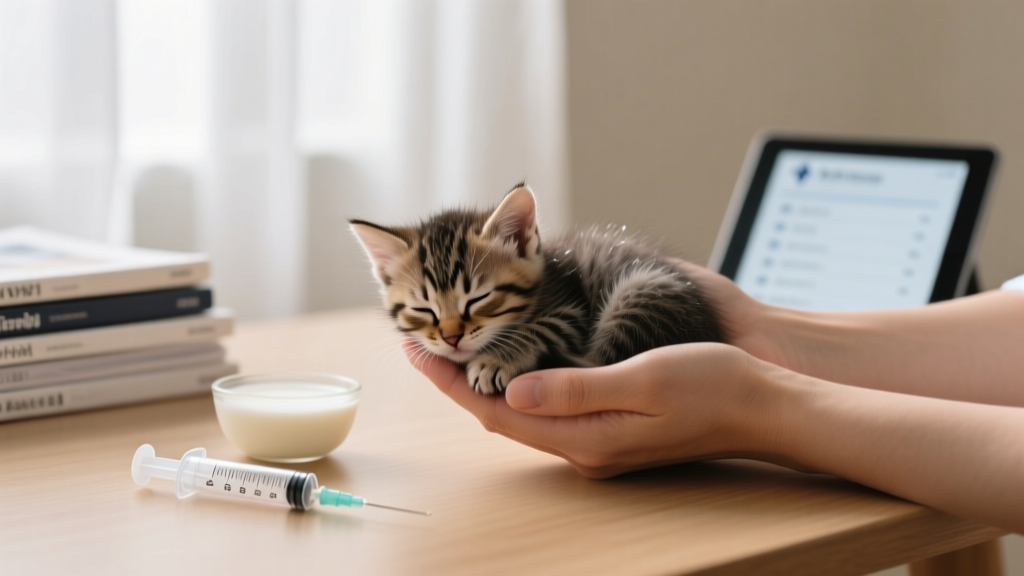
How to Care for a Weak Kitten: 7 Life-Saving Steps Vets Use in the First 48 Hours (Most Owners Miss #3)
Why This Matters Right Now
If you've just brought home or discovered a weak kitten—listless, cold, refusing milk, or barely opening its eyes—you’re likely feeling panicked, helpless, and overwhelmed. How to care for a weak kitten isn’t just advice—it’s an urgent, time-sensitive protocol that can mean the difference between survival and rapid decline. Neonatal kittens (under 4 weeks) have zero immune resilience, minimal fat stores, and can deteriorate from stable to critical in under 12 hours. In fact, according to the American Veterinary Medical Association (AVMA), up to 20% of orphaned or compromised kittens die within their first week without targeted intervention—and over half of those deaths are preventable with early, precise supportive care.
Step 1: Stabilize Body Temperature — The Silent Killer
Hypothermia is the #1 immediate threat to a weak kitten. Their tiny bodies lose heat 3–5x faster than adults, and even mild chilling (below 97°F / 36.1°C) shuts down digestion, suppresses immunity, and halts suckling reflexes. Never feed a cold kitten—this risks aspiration pneumonia or fatal gut stasis.
Action plan: Use a rectal thermometer (digital, lubricated) to check core temperature. A healthy neonate should be 95–100°F (35–37.8°C). Below 94°F? Act now:
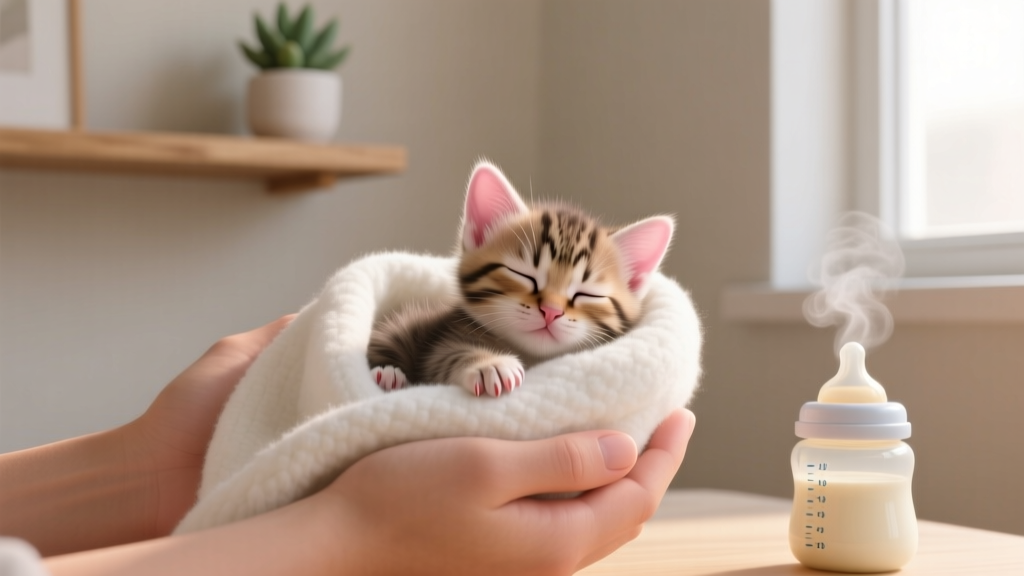
- Gradual rewarming only: Wrap kitten in a soft, pre-warmed (not hot) towel and place on a heating pad set to LOW *under half the box*—so they can move away if overheated. Never use microwavable heat packs or direct lamp heat—they cause burns and dehydration.
- Monitor every 10 minutes: Rewarm no faster than 1°F per 10 minutes. Rapid warming causes shock.
- Humidity matters: Place a damp (not dripping) washcloth nearby to maintain 55–65% humidity—prevents respiratory drying and mucus thickening.
Dr. Lena Torres, DVM and founder of the Feline Neonatal Rescue Initiative, stresses: “I’ve seen dozens of kittens revived solely by correct thermal management—before any formula or meds. Warmth isn’t comfort—it’s metabolic resuscitation.”
Step 2: Hydration & Feeding — Precision Over Pressure
A weak kitten often won’t nurse—not due to refusal, but because exhaustion, low blood sugar (hypoglycemia), or esophageal weakness prevents effective suckling. Force-feeding or using oversized bottles increases aspiration risk by 300%, per a 2022 Journal of Feline Medicine & Surgery study.
First: Rule out hypoglycemia. Gently rub a tiny dab of corn syrup (¼ tsp diluted in 1 mL warm water) on gums. If the kitten stirs, blinks more, or attempts to root within 2–3 minutes—that’s your sign to proceed with feeding. No response? Seek emergency care immediately.
Feeding protocol:
- Formula: Use only commercial kitten milk replacer (KMR or Just Born)—never cow’s milk, goat’s milk, or human baby formula. These lack taurine, proper fat ratios, and cause severe diarrhea or sepsis.
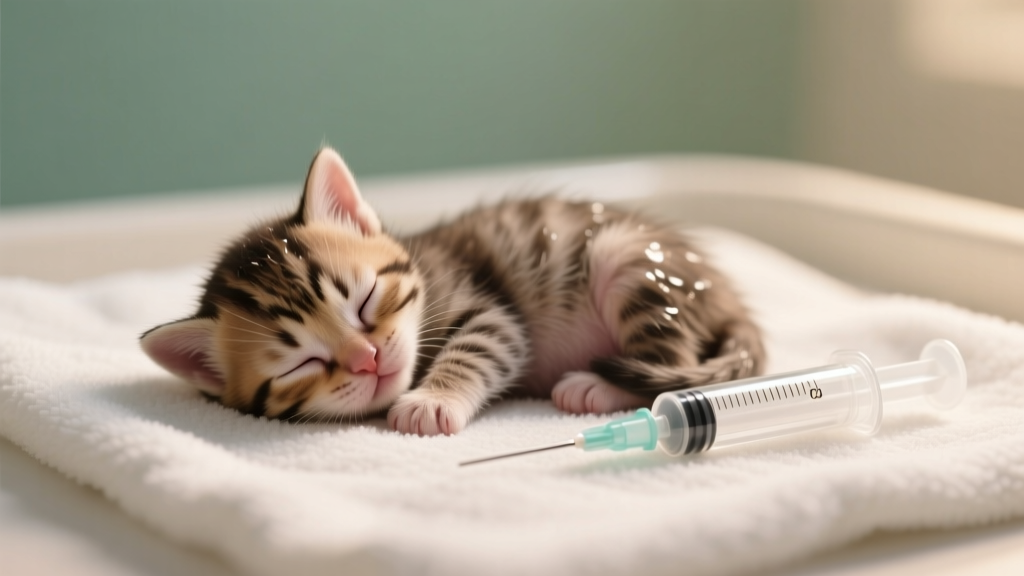
- Method: Use a 1–3 mL syringe (without needle) or specialized kitten bottle with ultra-fine nipple. Hold kitten upright (like a football), never on its back. Drip formula slowly—1 drop per second—pausing every 5 seconds to let them swallow.
- Volume & frequency: Neonates need 13–15 mL per 100g body weight daily, split into feeds every 2–3 hours—including overnight. A 100g kitten = ~2.5 mL per feed. Underfeed rather than overfeed—even 0.5 mL excess can trigger regurgitation and aspiration.
Pro tip: Weigh kitten daily on a gram-scale (kitchen scale works). Steady gain = 7–10g/day. No gain or loss for >24 hours = red flag.
Step 3: Stimulate Elimination & Monitor Output — Your Diagnostic Dashboard
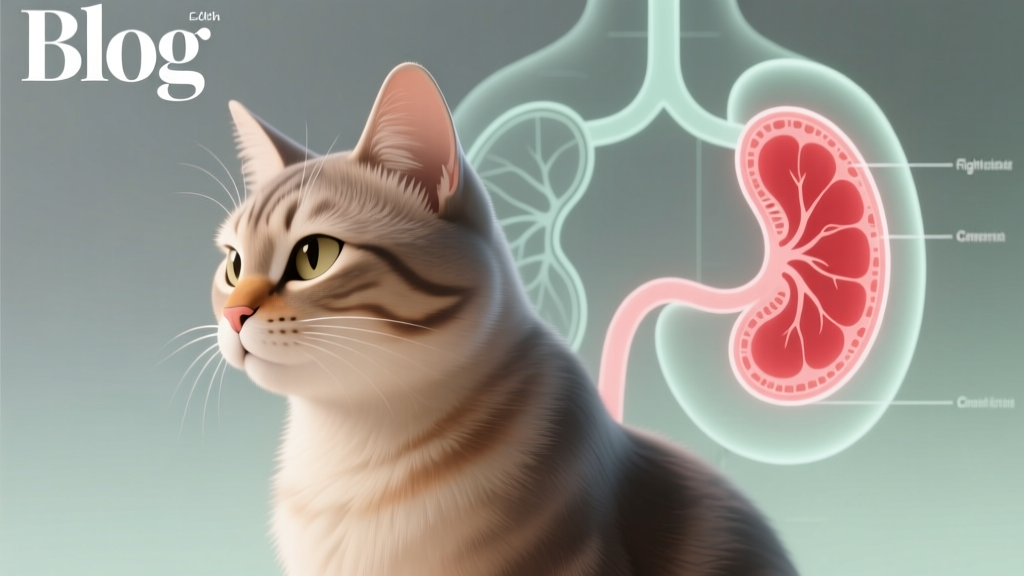
Neonatal kittens cannot urinate or defecate without stimulation—a biological quirk that makes their waste output your most reliable health indicator. Weak kittens often retain urine (uroabdomen) or develop meconium impaction, both life-threatening.
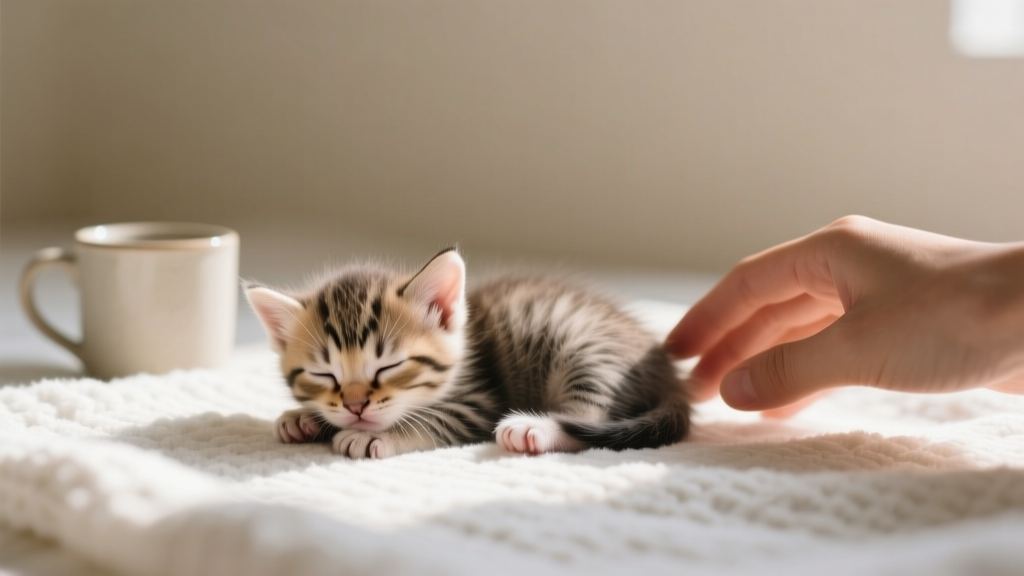
Stimulation technique: After each feeding, use a warm, damp cotton ball or soft tissue to gently stroke the genital and anal area in circular motions for 30–60 seconds—mimicking maternal licking. Stop once urine or stool appears.
What to watch for:
- Urine: Should be pale yellow and plentiful (at least 3–4 clear drops per session). Dark, cloudy, or absent urine signals kidney stress or dehydration.
- Stool: First 2–3 days = black, tarry meconium. Days 4–7 = yellow-green, soft, seedy. After day 7 = firm, brown, formed. Diarrhea, blood, or straining = infection or formula intolerance.
- Weight charting + output logging: Keep a simple notebook: time fed, amount, temp, stool/urine notes, and weight. Patterns reveal trends long before symptoms escalate.
Case in point: Maya, a rescue volunteer in Portland, tracked her orphaned triplet ‘Luna’ who had weak suckle reflex. By noticing Luna produced only 1–2 small urine drops for 18 hours—and no stool for 36—Maya caught early urinary tract obstruction. Immediate vet visit saved her life. “Output logs aren’t busywork,” says Dr. Torres. “They’re your stethoscope.”
Step 4: Recognize Red Flags & When to Rush to the Vet
Some signs demand ER-level care—not ‘wait until morning.’ Delaying treatment for conditions like sepsis, congenital heart defects, or feline panleukopenia reduces survival odds by 70% after the 6-hour window.
Go immediately if you see:
- Rectal temp < 94°F or > 103°F
- No suckle reflex after warming + glucose rub
- Labored breathing, gasping, or blue-tinged gums (cyanosis)
- Seizures, tremors, or extreme muscle rigidity
- Vomiting, bloody diarrhea, or abdominal distension
- No urine/stool for >24 hours despite stimulation
Don’t wait for ‘all signs’—one is enough. Call ahead so the clinic can prepare IV fluids, incubators, or neonatal ICU space.
Care Timeline: What to Do Hour-by-Hour in the Critical First 48 Hours
| Time Since Discovery | Action | Tools Needed | Expected Outcome |
|---|---|---|---|
| Minutes 0–15 | Assess temp, gum color, breathing rate, responsiveness. Check for obvious injury or parasites. | Digital thermometer, flashlight, soft towel | Baseline vitals recorded; hypothermia identified |
| Minutes 15–60 | Begin gradual rewarming. Administer glucose rub if lethargy present. Do NOT feed yet. | Heating pad (low), syringe, corn syrup, warm water | Temp rises ≥0.5°F; kitten shows subtle alertness (ear flick, blink) |
| Hour 1–4 | First feeding (if temp ≥96°F). Stimulate elimination. Log weight, output, intake. | KMR, 1mL syringe, gram scale, log sheet | 1–2 mL consumed; 2–3 drops urine; weight stable or +2g |
| Hours 4–24 | Feed every 2–3 hrs. Recheck temp pre-feed. Stimulate post-feed. Monitor for choking/gagging. | Syringe, thermometer, log sheet | Consistent intake; steady 5–8g weight gain; regular urine/stool |
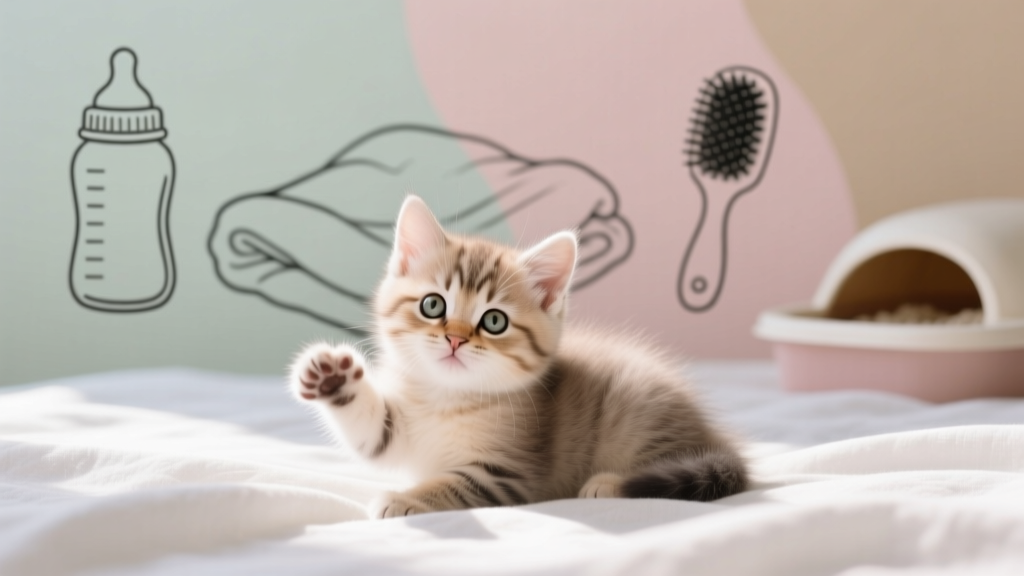
| Day 2 | Reassess suckle strength. Introduce gentle massage to stimulate circulation. Begin light socialization if alert. | Soft brush, quiet space | Improved coordination; voluntary rooting; vocalization increases |
Frequently Asked Questions
Can I use honey or sugar water instead of corn syrup for hypoglycemia?
No—honey carries Clostridium botulinum spores that immature kitten guts cannot neutralize, risking infant botulism (paralysis, respiratory failure). Sugar water lacks consistent glucose concentration and may worsen electrolyte imbalance. Corn syrup is pure, sterile dextrose—fast-absorbing and safe at micro-doses. Always dilute 1 part syrup to 4 parts warm water before gum application.
My weak kitten is crying constantly—is that normal or a sign of pain?
Constant, high-pitched, non-stop crying (especially when not feeding or being held) is a major distress signal—not hunger. It indicates pain (e.g., umbilical infection, GI cramps), severe discomfort (cold, dehydration), or neurological issues. Compare to normal ‘mewling’: short, intermittent, stops when fed or warmed. Persistent crying warrants same-day vet evaluation—don’t assume it’s ‘just fussy.’
How do I know if my kitten has fading kitten syndrome—and can it be reversed?
Fading Kitten Syndrome (FKS) isn’t a disease—it’s a clinical description for rapid decline in neonates caused by underlying issues like infection, malnutrition, or congenital defects. Key signs: sudden weight loss, hypothermia unresponsive to warming, weak cry, refusal to nurse, and progressive lethargy. While FKS itself isn’t treatable, its causes often are—if caught early. Studies show 68% survival with aggressive supportive care initiated within 12 hours of symptom onset. Early intervention is everything.
Is it safe to give probiotics or antibiotics ‘just in case’?
No—never administer antibiotics without veterinary diagnosis. Up to 40% of neonatal GI issues stem from overgrowth of normal flora, not infection—and antibiotics can wipe out beneficial bacteria, worsening diarrhea and sepsis risk. Probiotics also lack FDA approval for kittens under 4 weeks and may introduce unsafe strains. Only use vet-prescribed medications based on culture/sensitivity testing or PCR panels.
Can I bathe a weak kitten to remove fleas or dirt?
Absolutely not. Bathing causes catastrophic heat loss, stress-induced cortisol spikes, and drowning risk. For fleas: use only veterinarian-approved topical treatments (e.g., Capstar for kittens ≥1.5 lbs and 4+ weeks old)—never dog products or essential oils. For dirt: gently wipe with warm, damp cloth—avoid ears, eyes, and umbilicus. Flea anemia is a leading cause of weakness in young kittens; prompt, safe treatment saves lives.
Common Myths About Caring for Weak Kittens
Myth #1: “If it’s not eating, just try a different formula.”
Reality: Formula intolerance is rare in neonates. Refusal almost always stems from pain, hypothermia, or infection—not taste. Switching formulas delays diagnosis and risks osmotic diarrhea. Stick to KMR unless directed otherwise by a vet.
Myth #2: “Keeping them bundled tightly helps them stay warm.”
Reality: Tight swaddling restricts breathing and diaphragm movement—especially dangerous for kittens with marginal respiratory reserve. Use loose, layered wraps and external heat sources instead. Breathing effort should remain effortless and silent.
Related Topics (Internal Link Suggestions)
- Signs of kitten dehydration — suggested anchor text: "how to tell if a kitten is dehydrated"
- Kitten bottle feeding techniques — suggested anchor text: "how to bottle feed a kitten properly"
- When do kittens open their eyes? — suggested anchor text: "kitten eye opening timeline"
- Fading kitten syndrome causes — suggested anchor text: "what causes fading kitten syndrome"
- Best kitten milk replacer brands — suggested anchor text: "top vet-recommended kitten milk replacers"
Final Thoughts & Your Next Step
Caring for a weak kitten is equal parts science and compassion—requiring vigilance, precision, and calm resolve. You now hold evidence-based protocols used in neonatal ICUs, validated by veterinary specialists and real-world rescuers. But knowledge alone isn’t enough: your next step is to grab a gram scale and digital thermometer today. Even if your kitten seems stable now, having these tools ready cuts response time by 80% during a crisis. And if you’re currently holding a fragile, unresponsive kitten right now—pause, take one slow breath, warm your hands, and begin with Step 1: temperature check. You’ve got this. And if doubt creeps in? Call your vet—or the nearest 24-hour animal hospital—before the next feeding. Survival isn’t luck. It’s preparation, action, and love—measured in grams, degrees, and seconds.