How to Care for a Kitten 2 Months Old: The 7 Non-Negotiable Health & Development Steps Every New Owner Misses (And Why Skipping #3 Risks Lifelong Behavioral Issues)
Why Getting This Right at 8 Weeks Changes Everything
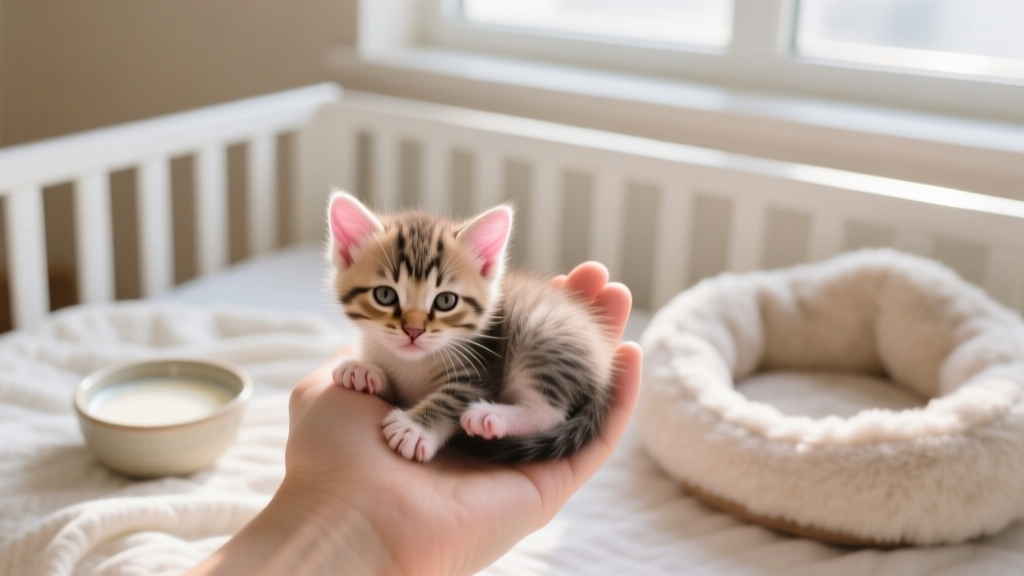
If you're wondering how to care for a kitten 2 months old, you're standing at one of the most critical developmental crossroads in feline life. At exactly 8 weeks, your kitten’s immune system is still immature, their socialization window is rapidly closing (ending around week 14), and their nutritional, behavioral, and medical needs shift dramatically from those of a neonate. Mistakes made now—like skipping a deworming dose, delaying first vaccines, or isolating them during peak learning hours—don’t just cause short-term stress; they can trigger lifelong anxiety, urinary tract disorders, vaccine-preventable illnesses, or even irreversible trust deficits. I’ve seen it firsthand: the shelter kitten who wasn’t handled daily between weeks 3–7 now hisses at vacuum cleaners at age 5; the bottle-fed orphan who missed roundworm treatment at 6 and 8 weeks developed chronic diarrhea that led to stunted growth and secondary kidney strain by 6 months. This isn’t theoretical—it’s veterinary epidemiology backed by decades of feline development research.
Nutrition: More Than Just ‘Kitten Food’
At 2 months, your kitten’s metabolic rate is nearly double that of an adult cat—and their caloric, protein, and micronutrient demands reflect that. But here’s what most guides skip: not all “kitten formulas” are created equal. According to Dr. Lisa A. Pierson, DVM and founder of FelineNutrition.org, kittens require *at least* 30% high-quality animal-based protein on a dry matter basis—and taurine levels must exceed 0.2% to prevent retinal degeneration and cardiomyopathy. Yet many budget brands fall below both thresholds.
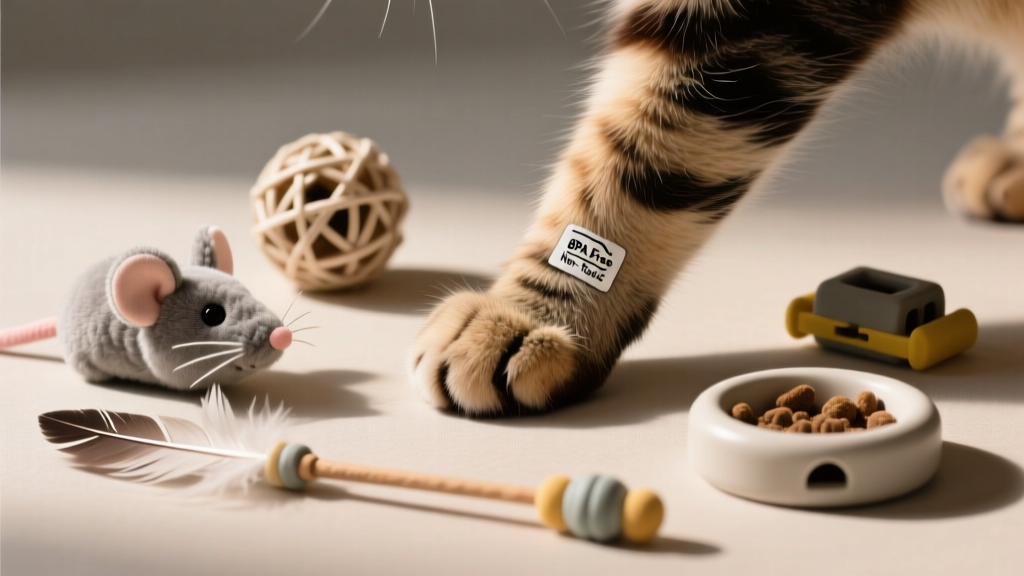
Feed 4 small meals daily (not free-feeding) to match gastric capacity and prevent bloating or regurgitation. Use stainless steel or ceramic bowls—not plastic—to avoid feline acne and bacterial biofilm buildup. Always provide fresh water *separately* from food (cats instinctively avoid drinking near where they eat, a survival trait from wild ancestors). If transitioning from mother’s milk or formula, do so over 5–7 days using the ‘25% new / 75% old’ method—sudden switches cause osmotic diarrhea that dehydrates faster than you realize.
Mini case study: A client brought in her 9-week-old Bengal who’d lost 12% body weight in 4 days after switching to a grain-inclusive kibble. Lab work revealed mild hypokalemia and elevated BUN—both linked to poor digestibility and renal stress. Switching to a hydrolyzed, grain-free, high-moisture diet resolved symptoms in 48 hours. Lesson? At 2 months, digestive resilience is low—and nutritional missteps show up fast.
Vaccinations, Parasite Control & Veterinary Timing
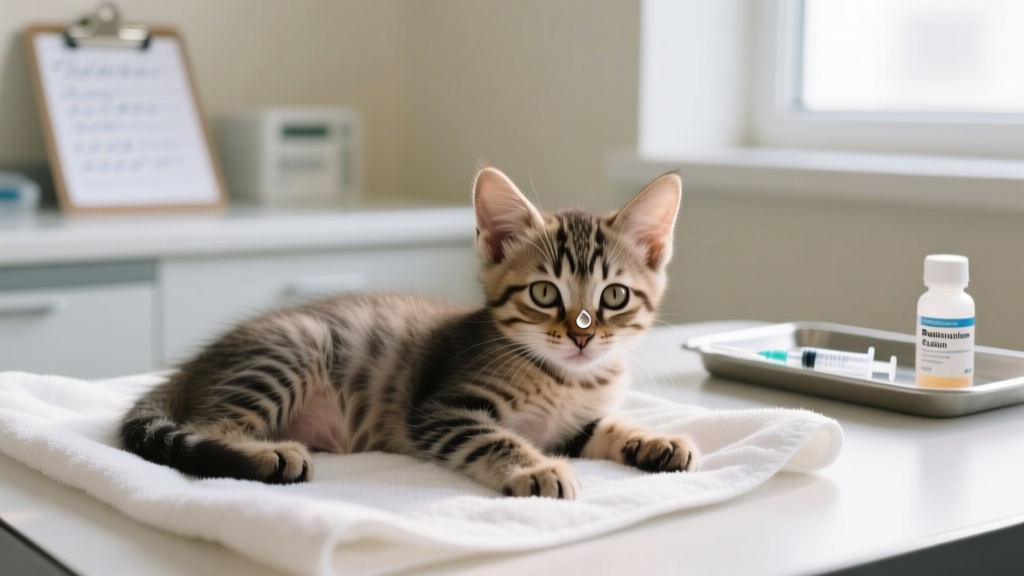
This is where ‘how to care for a kitten 2 months old’ becomes non-negotiable medical protocol—not optional advice. The American Association of Feline Practitioners (AAFP) mandates that core vaccines begin at 6–8 weeks, with boosters every 3–4 weeks until 16 weeks. Why? Maternal antibodies wane unpredictably between weeks 6–12, creating a vulnerable ‘immunity gap.’ Without timely intervention, your kitten faces real risk: Feline panleukopenia virus (FPV) has a 90% fatality rate in unvaccinated kittens under 12 weeks.
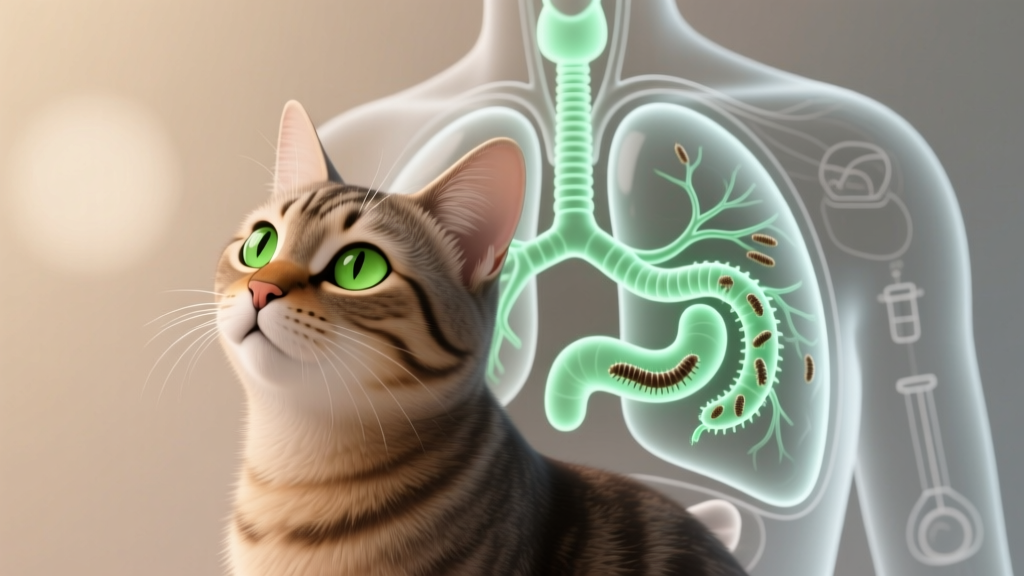
Deworming is equally urgent. Roundworms infect >75% of kittens by 2 months—even indoor-only ones (eggs track in on shoes). Kittens should be dewormed at 2, 4, 6, and 8 weeks with pyrantel pamoate (safe, effective, FDA-approved), then again at 12 weeks. Heartworm prevention isn’t just for dogs: the American Heartworm Society now recommends monthly preventives starting at 8 weeks for all cats, regardless of lifestyle—because mosquitoes transmit larvae in just one bite.
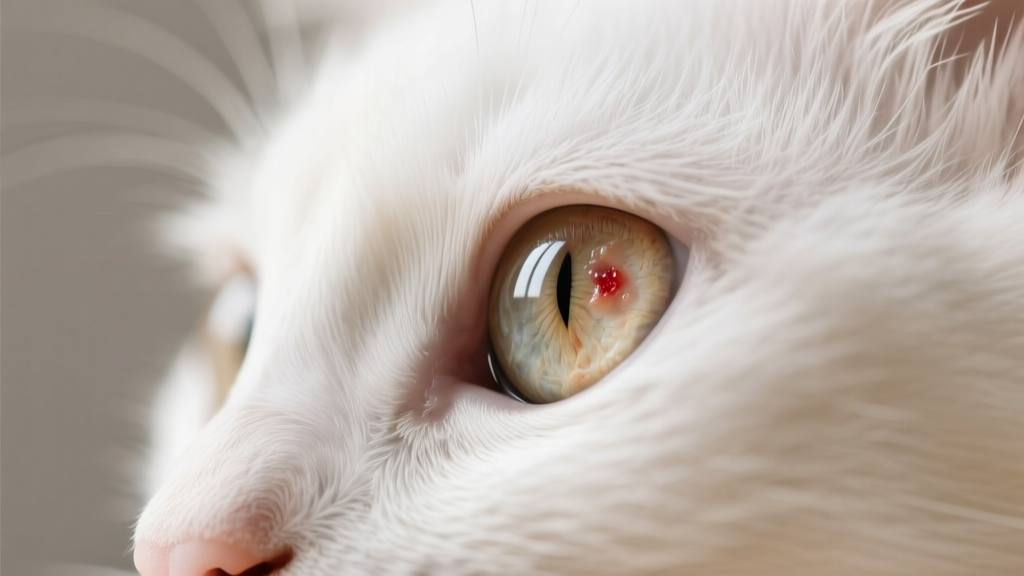
Your first vet visit should occur by 8 weeks—ideally 3–5 days after bringing them home. Bring records if adopted from a shelter or breeder. Ask for: fecal float (to ID coccidia, giardia, hookworms), weight curve tracking, microchip scan + registration, and a full ophthalmic and dental exam (yes—deciduous teeth start erupting at 3–4 weeks, and malocclusions become irreversible after 12 weeks).
Socialization, Litter Training & Environmental Enrichment
The socialization window for kittens closes sharply at week 14—and peaks between weeks 2–7. At 2 months, your kitten is primed to learn: ‘Humans = safe,’ ‘Boxes = fun,’ ‘Vacuum = neutral,’ ‘Other pets = non-threatening.’ Miss this, and fear-based aggression or avoidance may persist for life.
Use the ‘Rule of 7s’: expose your kitten to 7 different people (varying ages, voices, appearances), 7 textures (grass, tile, carpet, fleece), 7 sounds (doorbell, blender, rain, children laughing), and 7 handling experiences (ear checks, nail trims, tooth brushing, carrier entry) before week 14. Each exposure should last no longer than 90 seconds and end on a positive note—never force interaction.
Litter training success hinges on three things: substrate preference, accessibility, and consistency. Place one litter box per floor + 1 extra (so 2 boxes for a 1-story home). Use unscented, clumping clay or paper-based litter—avoid crystal or scented varieties (they irritate nasal passages and discourage use). Scoop twice daily; kittens notice odor changes instantly. If accidents occur, clean with enzymatic cleaner only—vinegar or bleach leaves residual smells that attract repeat marking.
Enrichment isn’t ‘nice-to-have’—it’s neurodevelopmental necessity. Kittens sleep 18–20 hours/day, but their 4–6 waking hours must include predatory play: 3x15-minute sessions with wand toys that mimic prey movement (horizontal swipes, erratic bounces, hiding behind objects). This builds cerebellar coordination, impulse control, and bite inhibition. A 2022 study in Applied Animal Behaviour Science found kittens with daily interactive play showed 42% less redirected aggression toward humans by 6 months.
Red Flags: When ‘Normal’ Isn’t Normal
At 2 months, subtle signs often precede serious illness. Know these 5 emergency indicators:
- No stool for >24 hours — Constipation in kittens can cause toxic megacolon within hours
- Rectal temperature < 99°F or > 103°F — Hypothermia or fever demands immediate vet contact
- Eyes crusted shut or discharging yellow/green — Signals upper respiratory infection (URI), which progresses to pneumonia in <48 hrs
- Refusal to nurse/eat for >12 hours — Liver lipidosis can begin in as little as 24 hours of fasting
- Unsteady gait or head tilt — May indicate vestibular disease, toxoplasmosis, or congenital abnormality
Don’t wait ‘until morning.’ Kittens deteriorate exponentially faster than adults. As Dr. Tony Buffington, Professor Emeritus at Ohio State’s College of Veterinary Medicine, states: ‘A 2-month-old kitten with a 102.5°F fever is sicker than a 10-year-old cat with a 104°F fever—because their compensatory reserves are near zero.’
| Age Range | Key Medical Actions | Behavioral Milestones | Owner Action Items |
|---|---|---|---|
| 8–10 weeks | First FVRCP vaccine; first deworming (if not done at 6 wks); fecal test; microchip | Begins play-fighting with littermates; starts ‘stalking’ moving objects; vocalizes more intentionally | Begin handling paws/ears daily; introduce carrier with treats; set up 3+ vertical spaces (cat trees, shelves) |
| 10–12 weeks | Second FVRCP; rabies vaccine (if local law permits); second deworming; discuss spay/neuter timing | Develops distinct personality (bold/shy/curious); begins grooming self; initiates ‘slow blink’ with trusted humans | Start clicker training for recall; rotate toys weekly to prevent habituation; introduce puzzle feeders |
| 12–14 weeks | Third FVRCP; final deworming; heartworm preventive started; full physical exam including dental check | Socialization window closes; establishes territory markers (scratching posts, scent rubbing); plays less with humans, more independently | Introduce outdoor harness (indoors first); begin desensitizing to car rides; schedule spay/neuter consult |
Frequently Asked Questions
Can I bathe my 2-month-old kitten?
No—bathing is strongly discouraged unless medically necessary (e.g., pesticide exposure). Kittens cannot regulate body temperature well, and wet fur causes rapid heat loss leading to hypothermia. Their skin pH differs from adults, making commercial shampoos irritating. Instead, use a warm, damp microfiber cloth for spot cleaning. If truly soiled, consult your vet for a safe, kitten-formulated wipe or rinse-free cleanser.
When should I spay or neuter my kitten?
The AAFP and AAHA recommend spaying/neutering at 4–5 months—not earlier. While some shelters perform pediatric sterilization at 8 weeks, evidence shows increased risks of urinary tract issues (especially in males), orthopedic problems, and obesity when done before 12 weeks. Wait until after the 12-week vaccine series is complete and your kitten weighs ≥2 kg (4.4 lbs). Your vet will assess skeletal maturity via x-ray if uncertain.
My kitten bites and scratches during play—is this normal?
Yes—but it must be redirected immediately. At 2 months, kittens learn bite inhibition through littermate play; without siblings, they’ll practice on your hands. Never use hands as toys. When biting occurs, freeze, withdraw attention for 10 seconds, then redirect to a wand toy. Reward gentle mouthing with treats. If biting persists beyond 14 weeks, consult a certified feline behaviorist—early intervention prevents escalation.
Is it safe to let my kitten outside at 2 months?
Never. Outdoor access before 6 months—and ideally not until fully vaccinated, spayed/neutered, and microchipped—is extremely dangerous. Predators (owls, coyotes, dogs), vehicles, toxins, parasites, and infectious diseases (FIV, FeLV) pose severe, often fatal, risks. Even screened porches require supervision: kittens can squeeze through gaps as narrow as 1.5 inches. Keep them indoors until at least 6 months, then introduce outdoors only on a harness and leash.
How much should a 2-month-old kitten weigh?
A healthy 2-month-old kitten typically weighs 2–3.5 lbs (0.9–1.6 kg), gaining ~0.25 lbs/week. Smaller breeds (Singapura, Cornish Rex) may weigh less; larger breeds (Maine Coon, Ragdoll) may weigh more. Weigh weekly on a digital kitchen scale (tare the towel first). Sudden weight loss >5% in 48 hours warrants immediate vet assessment.
Common Myths About Caring for a 2-Month-Old Kitten
Myth #1: “They’re weaned by 8 weeks, so they don’t need milk anymore.”
False. While solid food intake increases, many kittens still nurse or benefit from supplemental kitten milk replacer (KMR) until 10–12 weeks—especially orphans or stressed adoptees. Cow’s milk causes diarrhea and dehydration due to lactose intolerance.
Myth #2: “If they seem playful and eat well, they’re definitely healthy.”
Incorrect. Kittens mask illness masterfully—a survival instinct. Up to 70% of kittens with early-stage URI or parasitic burden show no outward signs for 3–5 days before crashing. Regular weight checks and vet exams are the only reliable early-detection tools.
Related Topics (Internal Link Suggestions)
- Kitten Vaccination Schedule — suggested anchor text: "comprehensive kitten vaccination timeline"
- Best Kitten Food Brands Vet-Approved — suggested anchor text: "top vet-recommended kitten foods"
- How to Litter Train a Kitten Fast — suggested anchor text: "foolproof kitten litter training guide"
- Signs of Illness in Kittens — suggested anchor text: "hidden kitten illness symptoms"
- When to Spay or Neuter a Kitten — suggested anchor text: "optimal spay/neuter age for kittens"
Your Next Step Starts Today—Not Tomorrow
Caring for a kitten at 2 months isn’t about perfection—it’s about precision in timing, compassion in consistency, and vigilance in observation. You now know the 7 non-negotiable steps: (1) vet visit by day 3, (2) deworm at 8 weeks, (3) first FVRCP vaccine, (4) daily socialization exposures, (5) scheduled high-protein feeding, (6) enrichment-driven play sessions, and (7) red-flag monitoring. Download our free 8-Week Kitten Care Tracker (with vaccine log, weight chart, and socialization checklist) to stay on track. And if you’re feeling overwhelmed? Call your vet *now*—most offer free 10-minute ‘kitten consults’ for new adopters. Your kitten’s lifelong health isn’t built in months—it’s decided in these next 14 days.