Cat Paragonimus: Lung Fluke Respiratory Infection
1. Why this topic matters to cat owners
When a cat develops a lingering cough, noisy breathing, or seems to tire easily, many owners immediately think of asthma, hairballs, or a respiratory infection. Those are common possibilities—but there’s another, less familiar cause that can look very similar: Paragonimus, also called lung fluke infection. While not as common as viral upper respiratory infections, lung flukes can cause persistent respiratory signs and sometimes serious complications if left untreated.
The good news is that Paragonimus is usually treatable with the right medication once it’s properly diagnosed. Knowing how cats get it, what symptoms to watch for, and what your veterinarian may recommend can help you act quickly and protect your cat’s long-term comfort and lung health.
2. Overview: What is Paragonimus (lung fluke) in cats?
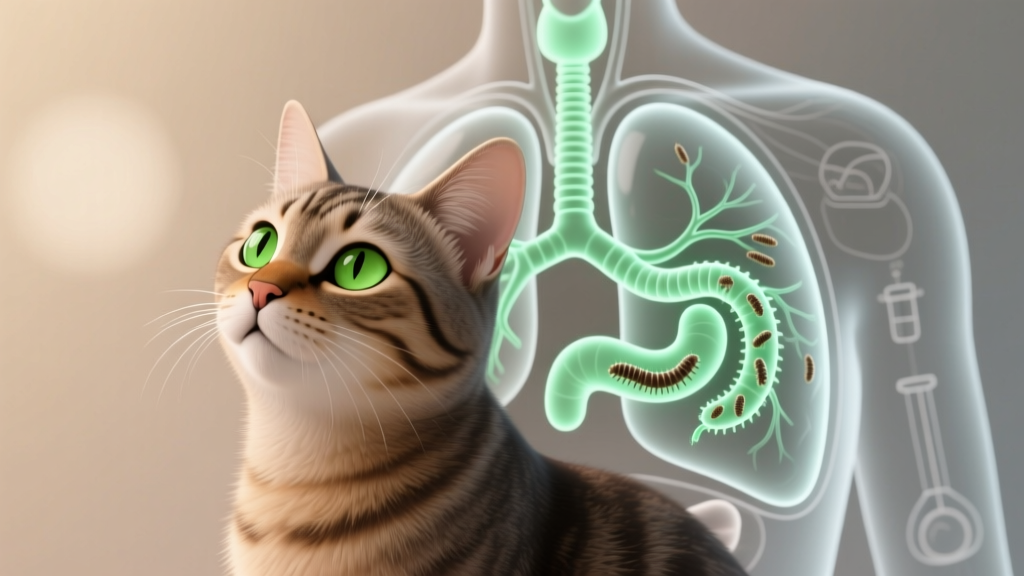
Paragonimus is a type of parasitic flatworm (a “fluke”) that primarily targets the lungs. Cats become infected by eating certain raw or undercooked prey that carry immature stages of the parasite. Once inside the body, the parasites migrate and mature, often settling in or around the lungs.
As the flukes mature, they can form small cyst-like pockets in lung tissue. These pockets may connect to airways, allowing parasite eggs to be coughed up, swallowed, and passed in stool—continuing the parasite’s life cycle in the environment. In cats, the main concern is the inflammation and damage in the lungs, which can lead to chronic coughing and breathing difficulty.
Depending on the species involved and the cat’s immune response, infection can range from mild to significant. Some cats look like they have asthma; others may develop more severe lung irritation, fluid, or secondary infections.
3. Symptoms and warning signs to watch for
Signs can be subtle at first and may come and go. Many cats remain bright and eating normally while still coughing, which can delay getting veterinary care. Contact your veterinarian if you notice any persistent respiratory changes, especially if your cat has outdoor access or hunts.
Common signs
- Chronic cough (often weeks to months)
- Rapid breathing or increased effort to breathe
- Wheezing or noisy breathing
- Lethargy or decreased stamina during play
- Reduced appetite in some cats
- Weight loss if infection is prolonged
Less common but possible
- Fever
- Nasal discharge (not typical, but can occur if there are concurrent issues)
- Coughing up blood (uncommon, but a concerning sign)
- Vomiting (sometimes from coughing/gagging or swallowing mucus)
What a cough may look like in cats
Cat coughing is often mistaken for trying to bring up a hairball. It can look like:
- Crouching low with neck extended
- Repeated hacking/gagging sounds
- Swallowing afterward without producing a hairball
If this happens more than occasionally, or becomes frequent, schedule a veterinary exam.
4. Causes and risk factors
Cats typically get Paragonimus by eating infected intermediate hosts. The exact sources vary by region and parasite species, but the theme is consistent: raw prey and raw freshwater/shoreline animals are the risk.
How infection happens
- A cat eats an infected animal (often a crustacean or a prey animal that has eaten one).
- Immature parasites migrate within the body and eventually settle near the lungs.
- Adult flukes cause irritation and cyst formation in lung tissue, leading to coughing and inflammation.
Cats at higher risk
- Outdoor cats, especially those that hunt
- Cats fed raw diets that may include untested/untreated ingredients
- Cats living near freshwater habitats where intermediate hosts are present
- Cats in endemic geographic areas (your vet will know local risks)
Practical risk-reduction actions you can take today
- Keep your cat indoors or supervise outdoor time (catio, harness, enclosed yard).
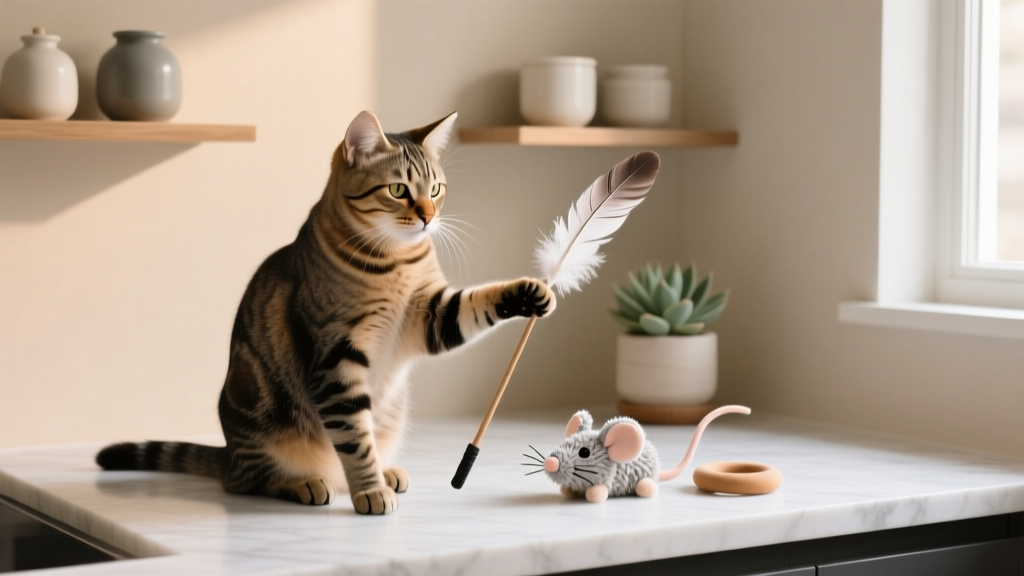
- Prevent hunting by using indoor enrichment: puzzle feeders, wand toys, scheduled play.
- Avoid feeding raw or undercooked freshwater/foraged ingredients to cats.
5. Diagnosis methods and what to expect at the vet
Because lung fluke infection can mimic asthma, bronchitis, pneumonia, or even heart disease, diagnosis is about combining history, physical exam findings, and targeted testing. Be ready to share details like where your cat lives, whether they hunt, and what they may have eaten.
What your veterinarian may do
- Full physical exam, including listening to the lungs and checking oxygenation.
- Detailed history:
- Outdoor access and hunting behavior
- Diet (including raw foods or treats)
- Duration and pattern of coughing
- Any travel to areas with different parasite risks
- Chest X-rays (radiographs) to look for lung patterns consistent with inflammation, cysts, bronchial changes, or pneumonia-like changes.
- Fecal testing (often specialized methods): parasite eggs may be found in stool because coughed-up eggs are swallowed. Multiple samples may be needed since shedding can be intermittent.
- Airway sampling (in some cases): a tracheal wash or bronchoalveolar lavage under anesthesia may help identify parasite eggs or rule out other causes.
- Bloodwork to evaluate overall health, inflammation, and to help guide safe medication choices.
What to expect emotionally and practically
It’s normal to feel worried when breathing is involved. Most cats tolerate diagnostic steps well, and your veterinary team will prioritize stabilizing breathing first if your cat is struggling. If anesthesia is needed for airway sampling, your vet will discuss risks and benefits and may recommend pre-anesthetic testing.
6. Treatment options (medical, surgical, home care)
Effective treatment usually involves prescription antiparasitic medication, sometimes paired with supportive care. The exact drug and dosing schedule depend on the suspected parasite species, your cat’s health status, and your veterinarian’s clinical judgment.
Medical treatment
- Antiparasitic therapy: medications such as praziquantel or other targeted dewormers are commonly used for flukes, but the correct protocol must come from a veterinarian.
- Anti-inflammatory support: in select cases, your vet may prescribe medication to reduce airway inflammation if coughing is severe.
- Antibiotics: only if there’s evidence of secondary bacterial infection; they are not a treatment for flukes themselves.
- Oxygen therapy: for cats with significant breathing distress.
Surgical or procedural care (uncommon, but possible)
- Drainage or intervention may be considered if complications arise (for example, certain cysts or fluid accumulation issues). This is not the norm for most cases.
- Advanced imaging (CT scan) may be recommended in complicated cases to map lung changes and guide treatment.
Home care that helps (and what to avoid)
- Give medications exactly as prescribed and finish the full course.
- Reduce airborne irritants:
- Avoid smoke, scented sprays, plug-ins, and dusty litter
- Consider a low-dust, unscented litter
- Use good ventilation or a HEPA air purifier if your vet agrees
- Keep activity gentle during recovery if your cat gets winded.
- Monitor appetite, breathing rate, and cough frequency daily for a couple of weeks.
- Do not give over-the-counter cough medicines unless your veterinarian specifically instructs you—many human products are unsafe for cats.
7. Prevention strategies and early detection tips
Prevention focuses on reducing exposure to infected prey and catching respiratory disease early, before inflammation becomes long-standing.
Prevention checklist
- Keep cats indoors or use controlled outdoor access (catio/harness).
- Discourage hunting with scheduled play sessions and feeding enrichment.
- Avoid feeding raw/undercooked prey or freshwater animals.
- Ask your vet about parasite risks in your area; recommendations vary by region.
- Annual or twice-yearly wellness exams help catch subtle lung changes early.
Early detection tips you can use immediately
- Count your cat’s resting respiratory rate when they’re asleep or calmly resting:
- Most relaxed cats are often under about 30 breaths per minute.
- If you consistently see higher numbers, or your cat is working to breathe, call your vet.
- Record coughing episodes on your phone. A short video can be very helpful to your veterinarian.
- Track patterns: time of day, after exercise, after litter box use (dust), or after excitement.
8. Prognosis and quality of life considerations
With accurate diagnosis and appropriate treatment, many cats do very well and return to normal activity. Prognosis depends on:
- How long the infection has been present before treatment
- Severity of lung inflammation or cyst formation
- Whether complications (secondary infections, significant scarring) have developed
- Overall health (age, underlying asthma/heart disease, immune status)
Some cats may have lingering cough for a period even after parasites are cleared, because the lungs need time to heal. Follow-up visits are valuable to confirm improvement and decide whether additional testing or medication adjustments are needed.
Quality of life is usually excellent once breathing is comfortable again. Your cat’s “normal” energy level, playfulness, and appetite are great indicators that recovery is on track.
9. When to seek emergency veterinary care
Call an emergency clinic or go in right away if you notice any of the following:
- Open-mouth breathing or panting (especially at rest)
- Blue, gray, or very pale gums
- Severe effort to breathe (belly heaving, neck extended, unable to settle)
- Collapse, extreme weakness, or unresponsiveness
- Coughing up a significant amount of blood
- Rapidly worsening breathing over minutes to hours
Breathing trouble can become dangerous quickly. Even if you’re not sure it’s Paragonimus, urgent evaluation is the safest choice.
10. FAQ: Common questions from cat owners
Can Paragonimus spread from my cat to me or other pets?
Some Paragonimus species can infect people, but human infections are typically linked to eating raw or undercooked infected crustaceans, not casual contact with a pet. Still, it’s smart to practice good hygiene:
- Wash hands after cleaning the litter box
- Prevent pets from hunting and eating raw prey
- Ask your veterinarian about local zoonotic (human) risk
Other pets that hunt or share similar exposure risks could potentially be infected. If one pet is diagnosed, talk with your vet about whether other pets should be evaluated.
Is lung fluke the same as asthma in cats?
No. Feline asthma is an allergic/inflammatory airway condition, while Paragonimus is a parasitic infection. They can look similar—coughing, wheezing, breathing changes—which is why veterinary testing is so important. Treating “asthma” without confirming the cause may delay the correct therapy.
Will a routine dewormer prevent or treat lung flukes?
Not always. Many common dewormers focus on intestinal roundworms and hookworms and may not reliably treat flukes. Lung flukes typically require a specific prescription protocol. Always consult your veterinarian before giving parasite medications, especially if your cat has respiratory signs.
How soon will my cat feel better after treatment starts?
Some cats improve within days, but others take weeks for coughing and airway irritation to settle. If your cat seems worse, stops eating, or has any breathing distress at any point, contact your veterinarian promptly. Your vet may recommend recheck X-rays or additional tests depending on the response.
Can my cat get Paragonimus if they live indoors?
It’s less likely, but not impossible. Indoor cats may be exposed through:
- Access to a screened porch or open windows where they can catch small prey
- Feeding raw/undercooked foods or treats
- Accidental ingestion of brought-in prey (from another pet or human activity)
If an indoor cat has a chronic cough, Paragonimus is still worth discussing if there’s any possibility of exposure.
What should I bring to the vet appointment?
- A video of the coughing or breathing episode, if possible
- A list of foods, treats, and supplements your cat receives
- Notes on outdoor access, hunting behavior, and recent travel
- Any previous test results (if you’ve already been seen elsewhere)
If your cat has a persistent cough or any breathing changes, schedule a veterinary exam—respiratory symptoms always deserve professional evaluation. For more practical cat health guidance, visit catloversbase.com and explore our growing library of caring, vet-informed resources.