Cat Bladder Stones: Dissolution vs Surgery
1. Why this topic matters for cat owners
Few things worry cat owners faster than a cat who keeps going to the litter box, strains, or cries when trying to pee. Bladder stones (also called uroliths) are one possible reason—and they can cause significant pain, recurring urinary problems, and, in some cases, a life-threatening blockage. The good news is that many cats do very well with prompt veterinary care and a thoughtful long-term plan.
This article explains what bladder stones are, how vets diagnose them, and how treatment decisions are made—especially the difference between dissolving certain stones with diet versus removing them surgically. You’ll also find practical steps you can use today to support urinary health at home.
2. Overview: What are bladder stones (in plain language)?
Bladder stones are hard collections of minerals that form inside the urinary bladder. Think of them as “pebbles” that develop when minerals in urine clump together. Stones can be as small as sand or large enough to fill much of the bladder. They may remain in the bladder, or occasionally move and lodge in the urethra (the tube that carries urine out of the body), causing obstruction.
In cats, the most common bladder stone types are:
- Struvite stones (magnesium ammonium phosphate): Often can be dissolved with a prescription diet when there is no blockage and the stone type is appropriate.
- Calcium oxalate stones: Do not dissolve with diet; they typically require physical removal (surgery or other procedures).
Other, less common stone types include urate, cystine, and calcium phosphate. Knowing the stone type matters because it drives the best treatment and prevention plan.
3. Symptoms and warning signs to watch for
Bladder stones can irritate the bladder lining, trigger inflammation, and sometimes cause urinary obstruction. Signs vary, and some cats show subtle changes at first.
Common signs of bladder stones include:
- Frequent trips to the litter box
- Straining to urinate
- Urinating small amounts
- Blood in the urine (pink, red, or brown-tinged)
- Urinating outside the litter box
- Crying or seeming uncomfortable while urinating
- Excessive licking of the genital area
Signs that may suggest a blockage (an emergency), especially in male cats:
- Repeated straining with little to no urine produced
- Restlessness, hiding, or unusual agitation
- Vomiting, loss of appetite, or lethargy
- A firm, painful belly
If you’re not sure whether your cat is producing urine, it’s safest to assume it could be urgent and call a veterinarian right away.
4. Causes and risk factors
Bladder stones form when urine becomes a “friendly environment” for crystals to grow and clump. This is influenced by urine concentration, urine pH, diet, water intake, genetics, and other medical factors.
Risk factors include:
- Low water intake and concentrated urine (common in cats that eat only dry food and drink little)
- Dietary mineral balance and urine pH changes (varies by stone type)
- Male cats (higher risk of life-threatening obstruction due to narrower urethra)
- Middle-aged to older cats (calcium oxalate is more common with age)
- History of urinary issues (recurring cystitis, crystals, prior stones)
- Obesity and inactivity
- Stress and environmental factors (can contribute to feline idiopathic cystitis, which may coexist with stones)
Sometimes, bladder stones occur along with a urinary tract infection (UTI), but in cats, UTIs are not as common as many people assume—especially in younger cats. Your vet will help clarify whether infection is present.
5. Diagnosis: What to expect at the vet
Because urinary signs can come from stones, crystals, inflammation, infection, plugs, or other problems, diagnosis matters. A “one-size-fits-all” approach can miss something important.
Common diagnostic steps include:
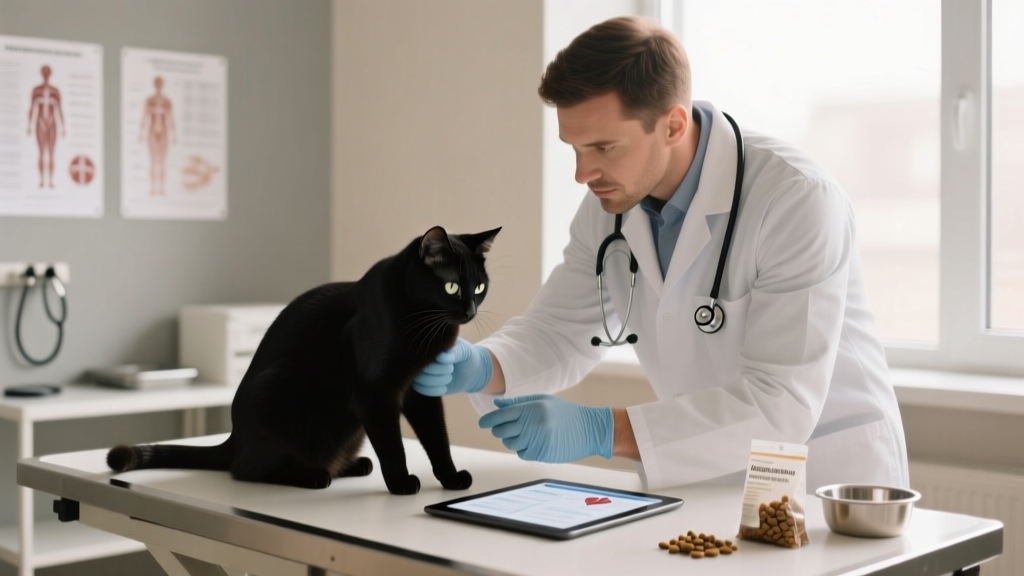
- History and exam: Your vet will ask about litter box habits, diet, water intake, and timing of symptoms. They’ll palpate (feel) the bladder to assess size and comfort.
- Urinalysis: Checks urine concentration, pH, blood, inflammation, and crystals. Crystals can suggest a stone type, but crystals alone don’t prove stones are present (and stones can exist without crystals).
- Urine culture (sometimes): Identifies bacterial infection and appropriate antibiotics, if needed.
- X-rays (radiographs): Many stones (especially struvite and calcium oxalate) show up on X-rays.
- Ultrasound: Helps detect stones that are hard to see on X-rays and evaluates bladder wall irritation, clots, or other issues.
- Bloodwork: Especially important if your cat is sick, dehydrated, older, or possibly blocked—checks kidney values and electrolytes.
Stone analysis: If stones are removed or passed, your vet will often recommend sending them to a lab. This is one of the most helpful tools for preventing recurrence.
6. Treatment options: dissolution vs surgery (and everything in between)
Treatment depends on stone type, size, number, whether a blockage is present, your cat’s overall health, and how quickly your cat needs relief.
Medical dissolution (most often for struvite stones)
When dissolution is a good option:
- Stones are strongly suspected or confirmed to be struvite
- Your cat is not blocked and is stable
- Your cat can eat a prescription urinary diet exclusively
- Your vet feels it’s safe to monitor progress closely
How it works: Prescription dissolution diets are formulated to change urine chemistry (including pH) and reduce building blocks of struvite. This gradually breaks the stone down.
What owners should expect:
- Dissolution may take weeks to a few months, depending on stone size and response.
- Your vet will schedule recheck imaging (X-rays or ultrasound) to confirm stones are shrinking and then fully gone.
- Strict diet adherence matters: treats, flavored medications, and “just a little” other food can interfere with urine targets.
Pros: Avoids surgery and anesthesia; can be very effective for appropriate cases.
Cons: Not suitable for calcium oxalate; requires time, careful monitoring, and exclusive diet feeding; urinary discomfort may continue until stones dissolve.
Surgical removal (cystotomy) and stone retrieval procedures
When surgery is commonly recommended:
- Stones are likely calcium oxalate (non-dissolvable)
- Your cat has recurrent stones or stones that are large/multiple
- Your cat is in significant discomfort or has complications (clots, severe inflammation)
- Diet dissolution isn’t safe, practical, or effective in your cat’s situation
What cystotomy involves: Under general anesthesia, the surgeon opens the bladder, removes stones, flushes the bladder and urethra, and closes the bladder. Stones are typically sent for analysis.
Pros: Immediate removal and relief; allows definitive stone analysis; helpful for non-dissolvable stones.
Cons: Requires anesthesia and recovery time; carries typical surgical risks; stones can recur without prevention strategies.
Other options (case-dependent):
- Voiding urohydropropulsion: Flushing and expressing the bladder under sedation to help expel small stones (only suitable for specific cases and stone sizes).
- Endoscopic or minimally invasive techniques: Availability varies by region and specialty centers.
Emergency care for urinary blockage
If a cat is blocked, the priority is to restore urine flow and stabilize the cat. Treatment may include:
- Sedation/anesthesia and placement of a urinary catheter
- IV fluids and electrolyte correction
- Pain control and anti-nausea medication
- Hospitalization and close monitoring
After stabilization, your vet will address underlying causes such as stones, plugs, inflammation, or strictures.
Home care and supportive care (alongside veterinary treatment)
At home, your job is comfort, hydration, and close observation—always following your veterinarian’s plan.
- Give medications exactly as prescribed (pain relief, bladder relaxants, antibiotics if indicated).
- Encourage water intake: Offer multiple water bowls, try a cat fountain, add water to food, or offer vet-approved broths.
- Feed the recommended diet consistently (especially crucial during dissolution).
- Track litter box output: Count clumps, note size, watch for straining or vocalizing.
- Reduce stress: Maintain routine, provide quiet resting areas, and use enrichment (play, scratching posts, hiding spots).
7. Prevention strategies and early detection tips
Once a cat forms stones, prevention becomes a long-term project. The goal is usually to keep urine dilute and reduce the mineral conditions that allow stones to form.
Practical steps you can start today:
- Increase moisture intake: If your cat will accept it, shift toward canned food or add water to meals. More water usually means more urine volume and less crystal formation.
- Make water appealing: Fountains, wide ceramic bowls, fresh water daily, and placing bowls away from litter boxes can help.
- Keep a healthy weight: Work with your vet on a gradual weight plan if your cat is overweight.
- Optimize the litter box setup: Many cats do best with one box per cat plus one extra, kept clean, in low-stress locations.
- Use the right diet for the stone type: After stone analysis, your vet may recommend a urinary prescription diet to reduce recurrence risk.
- Schedule rechecks: Periodic urinalysis and imaging catch problems early, often before a crisis develops.
Never start or stop a prescription urinary diet without veterinary guidance—some diets designed to prevent one stone type can increase risk for another.
8. Prognosis and quality of life
Most cats with bladder stones have a good prognosis when treated appropriately and monitored over time. Many return to normal routines: comfortable urination, good appetite, playfulness, and normal litter box habits.
Quality of life considerations:
- Pain control matters: Urinary conditions are uncomfortable. If your cat seems withdrawn, tense, or reluctant to use the litter box, ask your vet about pain management.
- Recurrence is possible: Especially with calcium oxalate stones. A prevention plan reduces risk but may not eliminate it completely.
- Long-term diet changes can be very successful: Many cats do well on urinary diets for years with regular veterinary oversight.
- Stress-sensitive cats benefit from routine: Environmental enrichment can reduce flare-ups of bladder inflammation that may occur alongside stones.
9. When to seek emergency veterinary care
Seek urgent veterinary care the same day (or immediately) if you notice:
- Straining with little or no urine produced
- Repeated litter box trips with minimal output
- Vomiting, severe lethargy, collapse, or hiding and refusing to move
- A painful, firm abdomen
- Crying out while attempting to urinate, especially in a male cat
A urinary blockage can become life-threatening in a short time. If you’re unsure, it’s safer to call an emergency clinic and describe what you’re seeing.
10. FAQ: Common questions about cat bladder stones
Can bladder stones dissolve on their own?
Some struvite stones may shrink with diet therapy, but they usually don’t “just go away” without a targeted plan. Calcium oxalate stones do not dissolve with diet. Always consult a veterinarian for diagnosis and the safest treatment approach.
How do I know if my cat needs dissolution or surgery?
Your vet will use imaging (X-rays/ultrasound), urinalysis, your cat’s stability, and sometimes stone history to guide the choice. In general: struvite may be dissolved if your cat is not blocked, while calcium oxalate usually requires removal.
Will my cat be in pain during dissolution?
Some cats remain uncomfortable until stones fully dissolve because the bladder lining is irritated. Many cats need pain relief and close monitoring during the dissolution period. If your cat seems uncomfortable, ask your vet about safe pain control options.
Are urinary prescription diets really necessary?
For many cats, yes. These diets are formulated to change urine concentration and chemistry to reduce stone risk. Over-the-counter foods are not equivalent. Your vet can help you choose the best diet based on stone type, urine tests, and any other health issues (like kidney disease or diabetes).
Can I prevent bladder stones by giving supplements or cranberry?
Supplements are not a reliable substitute for veterinary-directed prevention, and some can be unhelpful or even counterproductive depending on stone type. If you’re interested in supplements, bring the product name and ingredients to your vet before starting anything.
What’s the best way to monitor my cat at home?
Watch litter box habits closely. A practical approach is to:
- Count urine clumps daily (and note if they’re getting smaller)
- Look for blood-tinged urine or unusual odor
- Notice any straining, crying, or repeated attempts
- Track appetite, energy, and water intake changes
If anything seems off for more than a day—or sooner if your cat may be blocked—contact your veterinarian.
If your cat is showing urinary signs, schedule a veterinary visit as soon as you can. Bladder stones are treatable, and having a clear plan (whether dissolution, surgery, or another approach) can quickly improve comfort and reduce future risk.
For more practical cat health guidance, prevention tips, and condition-specific care articles, visit catloversbase.com.