Feline Blood Types: Why Matching Matters for Transfusions
1. Why this topic matters to cat owners
If your cat is ever seriously ill or injured, a blood transfusion can be life-saving. Many cat owners are surprised to learn that cats have naturally occurring antibodies against certain blood types. That means giving the “wrong” blood isn’t just less effective—it can trigger a dangerous reaction within minutes. Understanding feline blood types helps you make informed choices, especially if your cat is a breed more likely to have a specific blood type, has a chronic illness, or may need surgery in the future.
You don’t need to memorize medical details to protect your cat. What helps most is knowing why blood typing and crossmatching are essential, what warning signs can appear if a transfusion reaction occurs, and how you can plan ahead with your veterinarian.
2. Overview: Feline blood types and transfusion compatibility (plain-language explanation)
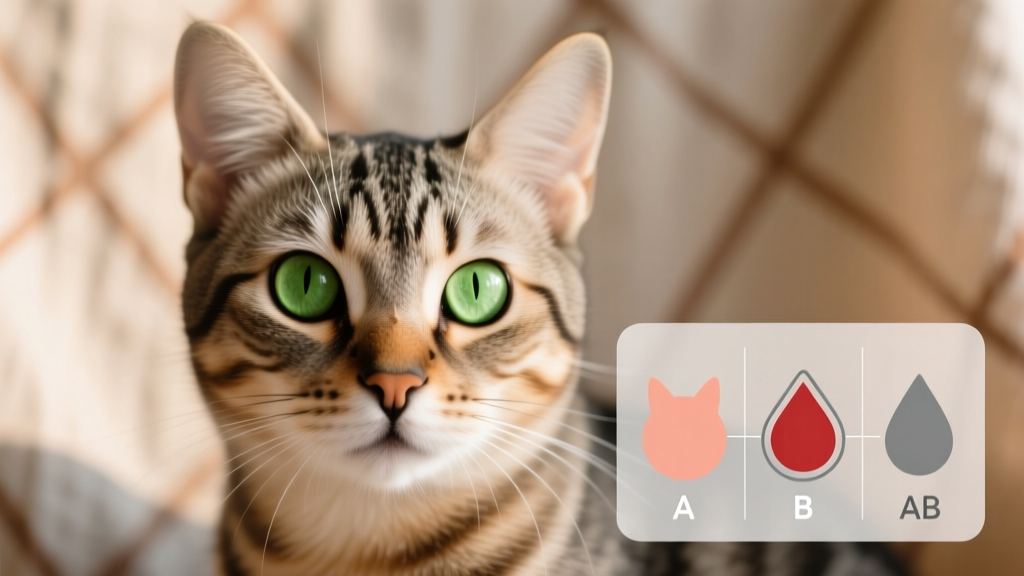
Cats have blood types, just like people do, but the system is different. The primary feline blood group is called the AB blood group system, and it includes:
- Type A (most common in many regions)
- Type B (less common overall, but more frequent in certain breeds and locations)
- Type AB (rare)
Here’s the key point: cats are born with antibodies against the blood type they don’t have. These antibodies can attack transfused red blood cells if the blood types don’t match. This is different from humans, who may develop antibodies after exposure.
Why matching matters:
- A Type B cat often has strong antibodies against Type A blood. If a Type B cat receives Type A blood, they can have a severe, rapid hemolytic reaction (destruction of red blood cells).
- A Type A cat may have mild to moderate antibodies against Type B blood. Reactions can still occur and can still be serious.
- Type AB cats are uncommon and can be challenging because they may have unique compatibility needs; your veterinarian will select appropriate products based on blood typing and crossmatching.
In addition to the AB system, some cats have other red blood cell markers (one well-known example is Mic). Even if two cats are both Type A, they may still be incompatible due to these additional factors. That’s why veterinarians often do both:
- Blood typing (A, B, or AB)
- Crossmatching (testing donor blood against the recipient to look for a reaction)
Transfusions aren’t always “whole blood.” Many cats receive packed red blood cells for anemia, while plasma products may be used for certain clotting or protein issues. The type of product your cat needs depends on the underlying problem.
3. Symptoms and warning signs to watch for
Blood type incompatibility is most urgent in the context of a transfusion, but it can also matter in newborn kittens due to a condition called neonatal isoerythrolysis (more on that later). Here are signs owners might notice if a transfusion reaction occurs or if a cat is developing complications during/after a transfusion:
- Sudden weakness or collapse
- Rapid breathing, difficulty breathing, or open-mouth breathing
- Vomiting or drooling
- Restlessness, agitation, or appearing painful
- Fever (may be noticed at the clinic)
- Pale gums (or gums turning yellow)
- Dark urine (tea-colored or red-tinged)
- Facial swelling or hives (less common but possible with allergic reactions)
Most transfusion reactions happen during the transfusion or shortly after, which is why clinics monitor cats closely. At home after a transfusion, you should call your veterinarian right away if you notice lethargy beyond what you were told to expect, breathing changes, vomiting, yellowing of the eyes/gums, or urine color changes.
4. Causes and risk factors
The “cause” of a dangerous mismatch is incompatibility between donor and recipient blood. This can happen if blood typing/crossmatching is skipped, done incorrectly, or if an emergency situation pressures decisions.
Risk factors that raise the chances your cat may need blood typing or a transfusion include:
- Major trauma (falls, dog attacks, car accidents)
- Surgery with blood loss risk
- Severe anemia from any cause
- Immune-mediated hemolytic anemia (the body destroys its own red blood cells)
- Parasites (fleas in kittens can cause profound anemia; some tick-borne infections can contribute)
- Chronic kidney disease (can reduce red blood cell production)
- Toxins (certain exposures can damage red blood cells)
- Bleeding disorders or rodenticide exposure
Breed-related considerations: Blood type distribution varies by breed and region. In general, Type A is common, Type B is more common in some purebred lines, and Type AB is rare. If you have a purebred cat or plan to breed, ask your veterinarian about blood typing—especially because of neonatal isoerythrolysis risk.
5. Diagnosis methods and what to expect at the vet
If your cat needs a transfusion, the veterinary team’s goals are to: (1) stabilize your cat, (2) confirm the need for transfusion, and (3) choose the safest blood product.
Common tests and steps include:
- Physical exam (gum color, heart rate, breathing effort, hydration, signs of bleeding)
- Packed cell volume (PCV) / hematocrit and total solids to assess anemia and protein levels
- Complete blood count (CBC) to evaluate red blood cells, white blood cells, and platelets
- Blood chemistry panel to check organ function (kidneys, liver) and electrolytes
- Coagulation testing if abnormal bleeding is suspected
- Blood typing (A, B, AB)
- Crossmatch (especially if your cat has had a transfusion before, or if there’s time to do it)
What a crossmatch means in plain language: The lab mixes a small amount of donor red cells with the recipient’s plasma (and vice versa) to see whether clumping or destruction occurs. A “compatible” result reduces the risk of a reaction, though no test can make the risk zero.
Monitoring during transfusion: Your cat’s temperature, pulse, respiratory rate, gum color, and overall comfort are checked frequently. If any concerning change happens, the transfusion can be slowed or stopped and treated immediately.
6. Treatment options (medical, surgical, home care)
The “treatment” here has two parts: treating the reason your cat needs a transfusion, and performing the transfusion as safely as possible.
Medical treatment
- Blood transfusion (packed red blood cells or whole blood) for significant anemia or blood loss
- Plasma products when clotting factors or proteins are needed (case-dependent)
- Iron, B vitamins, appetite support when appropriate (helpful in some anemias, but not a substitute for transfusion when oxygen delivery is critically low)
- Medications for the underlying cause:
- Immune-mediated disease: immunosuppressive therapy as prescribed
- Infection/parasites: targeted antiparasitic or antimicrobial treatment
- Kidney disease: supportive care plan, which may include fluids, diet, and medications
Surgical treatment
- Control of internal bleeding (for example, repairing injuries or removing a bleeding mass)
- Emergency surgery may be needed in trauma cases; transfusion planning often happens alongside stabilization
Home care after a transfusion
Your veterinarian will tailor instructions, but many cats benefit from:
- Quiet rest for 24–72 hours, away from rambunctious pets or children
- Medication exactly as prescribed (don’t stop early unless told)
- Hydration and nutrition support (warming food, offering frequent small meals, using prescription diets if recommended)
- Observation for breathing rate/effort, gum color, appetite, energy level, vomiting, and urine color
Practical tip: Ask your clinic what breathing rate is “too high” for your individual cat. Many veterinarians recommend counting resting breaths when your cat is asleep. A sudden rise from your cat’s normal baseline is worth a call.
7. Prevention strategies and early detection tips
You can’t prevent every emergency, but you can reduce transfusion risks and catch anemia sooner.
- Consider blood typing in advance:
- Especially if your cat is purebred, has a chronic condition, or may undergo a planned surgery
- Ask your veterinarian if typing can be added to routine bloodwork or pre-anesthetic screening
- Use parasite prevention year-round (fleas can cause life-threatening anemia in kittens and small cats)
- Schedule routine wellness exams so subtle anemia is caught early on lab work
- Watch for early anemia clues:
- Lower energy or hiding more than usual
- Decreased appetite
- Pale gums (gently lift the lip and look at the pink color)
- Faster breathing with mild activity
- If you breed cats, blood type both parents to reduce the risk of neonatal isoerythrolysis (a mismatch between queen and kittens). Breeding should always be guided by a veterinarian experienced in feline reproduction.
Immediate action you can take today: Put your cat’s baseline information in your phone—typical appetite, energy, and resting breathing rate. In an emergency, those details help your vet assess severity quickly.
8. Prognosis and quality of life considerations
A transfusion is often a bridge—giving your cat time while the underlying problem is treated. Many cats feel noticeably better within hours to a day after receiving compatible red blood cells because oxygen delivery improves.
Prognosis depends mostly on the underlying cause of anemia or bleeding:
- Trauma with controlled bleeding: often good, especially with rapid care
- Parasite-related anemia: can be very good when treated early and followed by prevention
- Chronic kidney disease: transfusion may help short-term; long-term management focuses on kidney support
- Immune-mediated hemolytic anemia: variable; some cats respond well, others need prolonged therapy and monitoring
Quality of life is an ongoing conversation. If your cat requires repeated transfusions, your veterinarian may recommend additional diagnostics to find a treatable source of blood loss or red cell destruction. Many cats still enjoy excellent quality of life with the right plan and monitoring.
9. When to seek emergency veterinary care
Contact an emergency veterinarian immediately if your cat shows any of the following:
- Open-mouth breathing, labored breathing, or sudden rapid breathing
- Collapse, extreme weakness, or inability to stand
- Very pale or white gums (or gums that appear yellow)
- Uncontrolled bleeding or suspected internal bleeding (bloated abdomen, sudden weakness after trauma)
- Dark red/tea-colored urine, especially after a recent transfusion
- Repeated vomiting, severe lethargy, or signs of pain after a transfusion
If your cat has had a transfusion within the last few days and seems “off,” don’t wait and see. Call your veterinarian or an emergency clinic for guidance.
10. FAQ: Common questions cat owners ask
Can my cat receive blood from a dog in an emergency?
No. Cat-to-dog transfusions are not compatible. Cats require feline blood products that match their blood type and crossmatch results. If your cat needs a transfusion, your veterinarian will source appropriate feline blood through a clinic donor program, blood bank, or local donor cats.
Should I have my cat’s blood type tested even if they’re healthy?
It can be helpful, especially for purebred cats, cats with chronic illnesses, or cats likely to undergo surgery later. Knowing your cat’s blood type ahead of time can save time in an emergency. Ask your veterinarian whether blood typing makes sense for your cat’s age, breed, and health history.
What is crossmatching, and is it always necessary?
Crossmatching checks whether the donor and recipient blood react against each other. Many veterinarians consider crossmatching especially important if your cat has had a previous transfusion, because cats can develop additional antibodies after exposure. In urgent situations, your vet will balance the need for speed with the safest testing possible.
Are transfusions safe for cats?
Most cats do well with transfusions when proper blood typing, crossmatching, and monitoring are used. Reactions can still occur, but veterinary teams are trained to watch for early changes and respond quickly. The overall safety depends on your cat’s condition, the product used, and careful monitoring during and after the transfusion.
Can kittens be affected by blood type incompatibility?
Yes. A condition called neonatal isoerythrolysis can happen when kittens inherit a blood type incompatible with their mother’s, and antibodies in the mother’s first milk (colostrum) attack the kittens’ red blood cells. This is a major reason responsible breeders and veterinarians emphasize blood typing breeding cats and planning pregnancies carefully.
How will I know if my cat is becoming anemic?
Early anemia can be subtle. Watch for decreased energy, hiding, reduced appetite, pale gums, and faster breathing with mild activity. If you notice these signs, schedule a veterinary visit promptly. A simple blood test can quickly assess red blood cell levels and guide next steps.
If you’re ever unsure about your cat’s risk or whether a symptom is urgent, call your veterinarian. Professional guidance is the safest way to protect your cat’s health—especially when blood loss or anemia is involved.
For more caring, vet-informed cat health articles and practical tips, visit catloversbase.com and explore our growing resource library.