How to Take Care of a Baby Kitten: The First 72 Hours Are Critical—Here’s Exactly What to Do (and What NOT to Do) If You Find a Neonatal Kitten Without Its Mom
Why This Isn’t Just ‘Cute’—It’s a Medical Emergency in Disguise
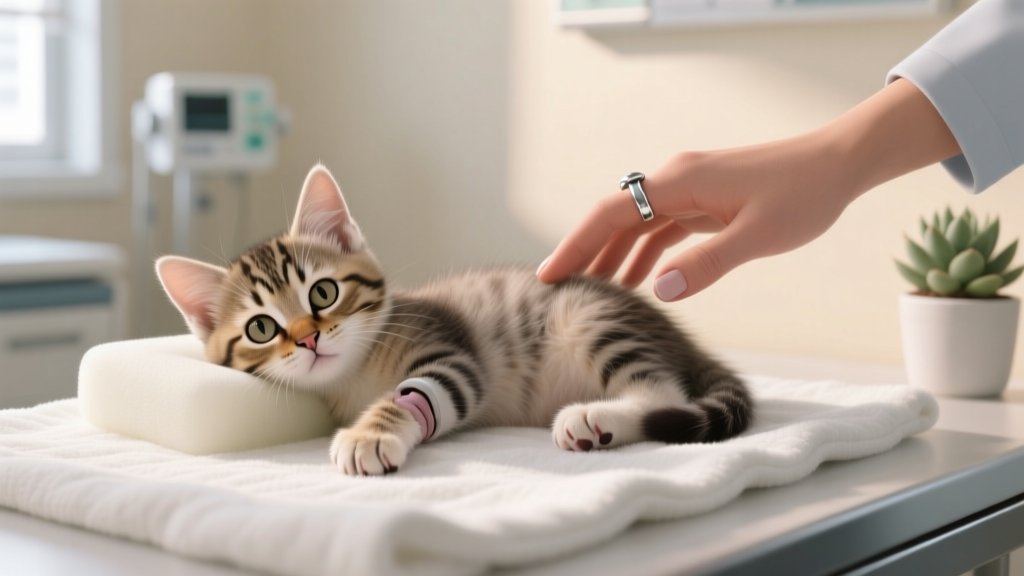
If you’ve just found or brought home a tiny, unsteady, eyes-closed kitten—or are preparing for your first litter—the phrase how to take care of a baby kitten isn’t a gentle parenting question. It’s a time-sensitive, high-stakes protocol. Neonatal kittens (under 4 weeks) lack thermoregulation, immune defenses, and the ability to eliminate without stimulation—and mortality spikes dramatically without precise intervention. In fact, according to the ASPCA’s Feline Neonatal Care Guidelines, up to 30% of orphaned kittens die within the first week without expert-level support. This isn’t about ‘spoiling’ a pet—it’s about delivering clinical-grade care at home, with empathy and precision.
1. The Golden 72-Hour Protocol: Stabilize Before You Socialize
Forget cuddling first. Your top priority is stabilization—and that means addressing the three non-negotiable pillars: warmth, hydration, and nutrition. A hypothermic kitten cannot digest milk; a dehydrated kitten cannot absorb nutrients; and a malnourished kitten cannot mount even basic immune responses.
Step 1: Assess Vital Signs Immediately
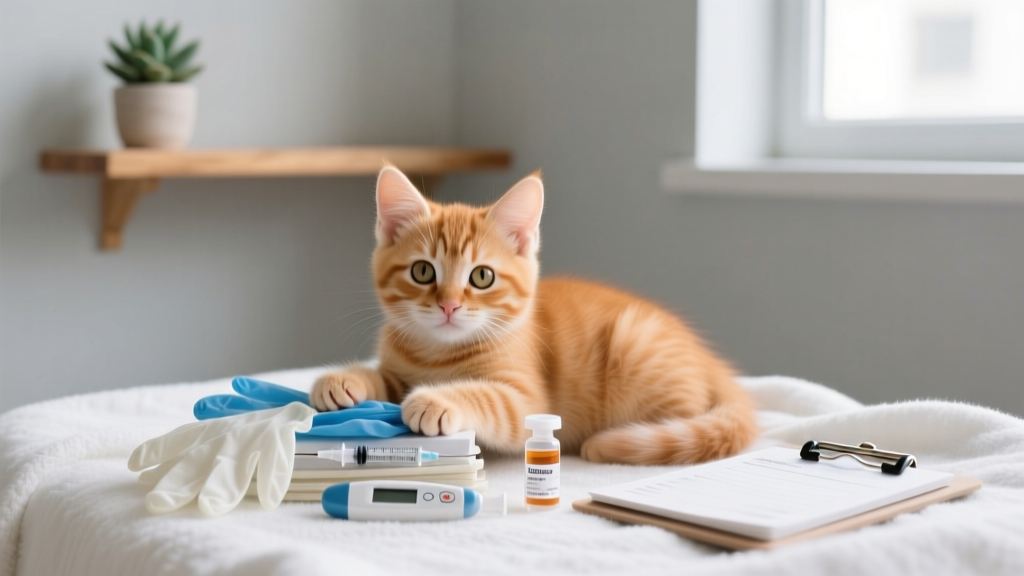
Use a digital rectal thermometer (never oral or ear) to check core temperature. Normal range: 95–99°F (35–37.2°C) for neonates. Below 94°F? That’s hypothermia—and an immediate emergency. Wrap the kitten in a warmed (not hot) towel, place it against your chest under clothing for skin-to-skin contact, and monitor every 10 minutes. Never use heating pads or lamps—burns and dehydration happen in minutes.
Step 2: Rehydrate Before Feeding
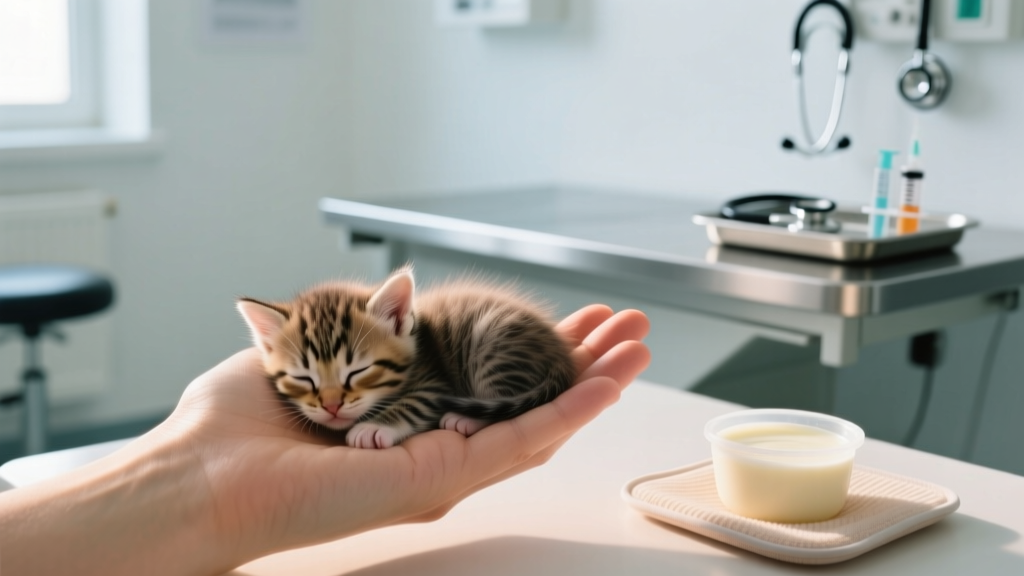
Dehydration is the #1 cause of early feeding failure. Gently pinch the scruff: if the skin ‘tents’ for >2 seconds, dehydration is moderate-to-severe. Administer 1–2 mL of pediatric electrolyte solution (like Pedialyte unflavored, diluted 50/50 with warm water) via syringe *before* any formula. Wait 30 minutes. Only then proceed to feeding.
Step 3: Feed Every 2–3 Hours—Day AND Night
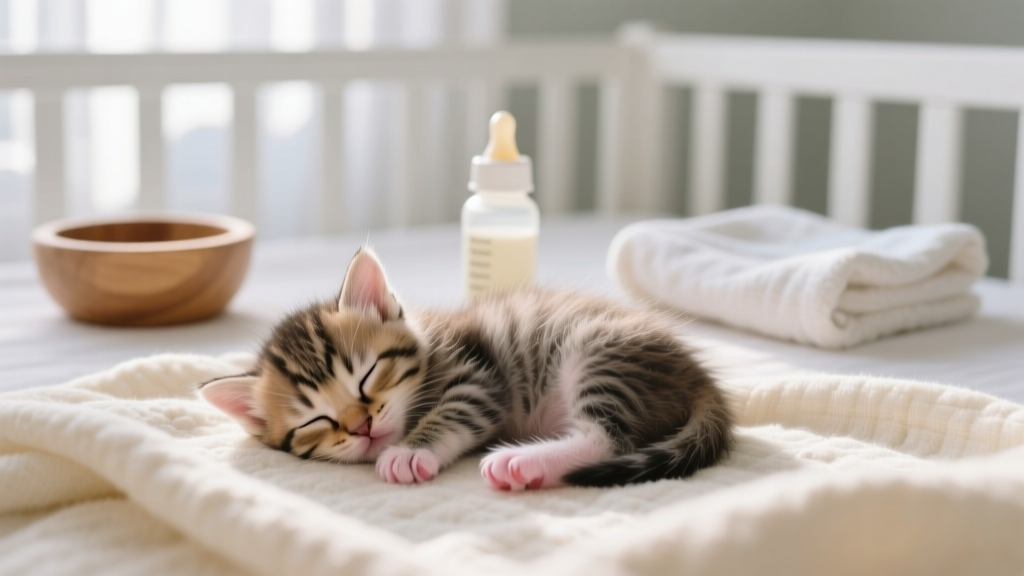
Neonates burn calories rapidly. Missed feedings = rapid blood sugar crash (hypoglycemia), leading to seizures or coma. Use only kitten milk replacer (KMR or Just Born)—never cow’s milk, goat’s milk, or human formula. Warm to 98–100°F (test on inner wrist). Feed supine, head slightly elevated—not upright—to prevent aspiration. A 100g kitten needs ~13 mL/day, split across 8–12 feeds. Underfeed rather than overfeed: bloating, diarrhea, or regurgitation signals volume overload.
2. Elimination, Hygiene & Environmental Safety: The Hidden Lifesavers
Unlike adult cats, neonatal kittens cannot urinate or defecate without physical stimulation—a biological imperative tied to maternal licking. Skipping this step causes fatal urinary retention or toxic megacolon within 48 hours.
Stimulation Technique (Non-Negotiable):
After every feeding, use a warm, damp cotton ball or soft tissue to gently stroke the genital and anal area in circular motions for 30–60 seconds—mimicking a mother’s tongue. Stop when urine or stool appears. Urine should be pale yellow and clear; stool should be mustard-yellow and seedy (first 3 days) shifting to tan-brown by day 7. Any green, black, or bloody stool? Call your vet immediately.
Sanitation Is Sterile-Level Care:
Kittens have zero adaptive immunity. Their gut microbiome is sterile—and easily colonized by pathogens. Wash hands with soap for 20+ seconds before and after handling. Sterilize bottles, nipples, and syringes in boiling water for 5 minutes (or run through a dishwasher with sanitize cycle). Change bedding daily—and never reuse towels or blankets between litters. Dr. Sarah Wooten, DVM and AAHA spokesperson, confirms: “A single E. coli or Streptococcus zooepidemicus exposure can kill a 3-day-old kitten in under 12 hours.”
Safe Sleep Environment:
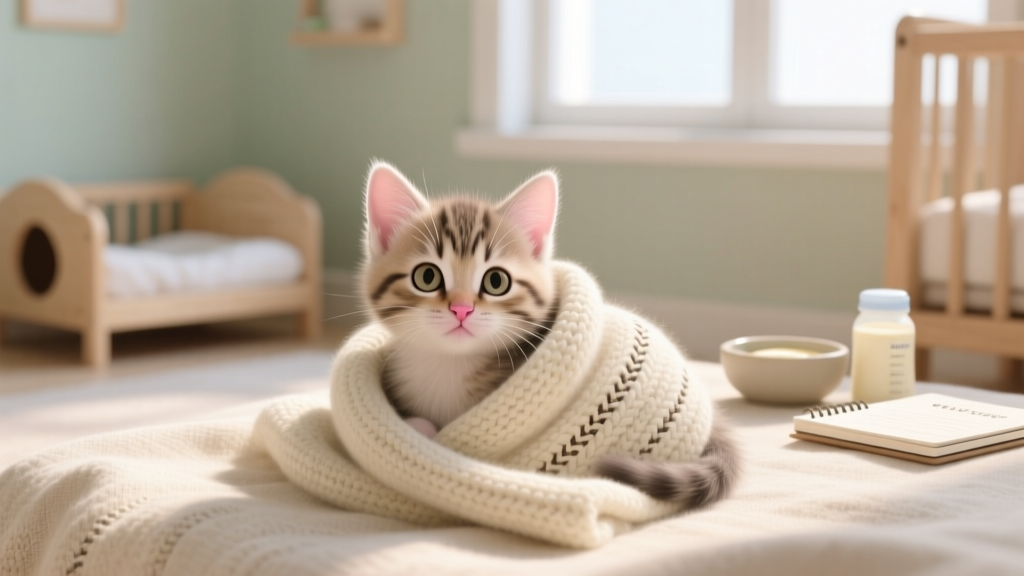
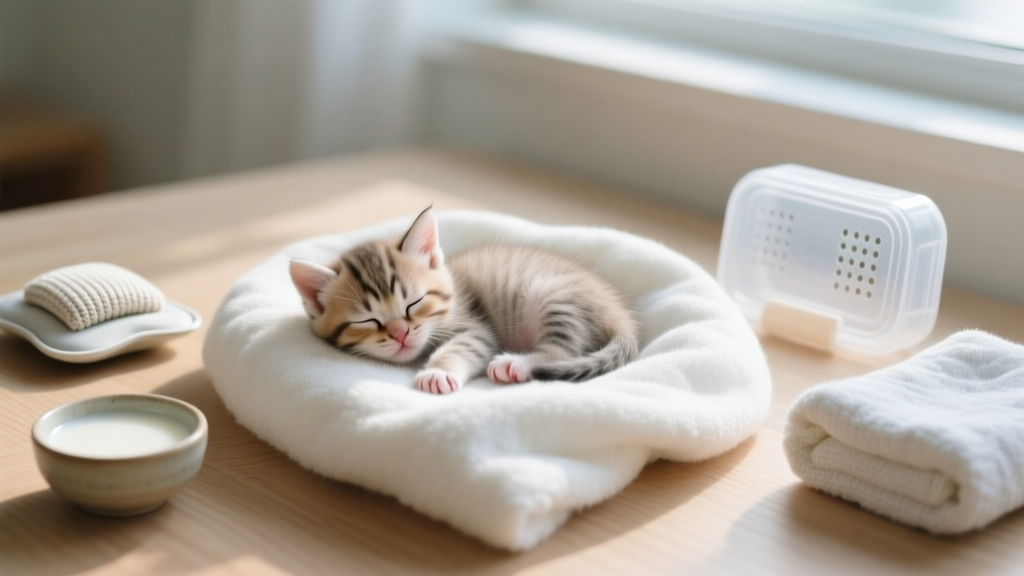
Use a small, ventilated cardboard box lined with soft, non-fraying fabric (no loose threads!). Place a Snuggle Safe disc (microwaved and wrapped in fleece) or warm water bottle *beside*, not under, the kitten. Monitor ambient temperature: 85–90°F (29–32°C) for 0–1 week; 80°F (27°C) for weeks 2–3; 75°F (24°C) by week 4. Drafts, carpet cleaners, and open windows are silent killers.
3. Developmental Milestones & Red Flags: When to Act, Not Wait
Tracking progress isn’t optional—it’s diagnostic. Kittens develop in tightly sequenced windows. Deviations signal infection, neurological issues, or nutritional deficits. Below is a vet-validated timeline:
| Age Range | Key Milestones | Red Flags Requiring Vet Visit Within 2 Hours |
|---|---|---|
| 0–7 days | Eyes closed; ears folded; rooting reflex strong; gains 7–10g/day | No weight gain in 24h; cries constantly; refuses all feeds; blue-tinged gums |
| 7–14 days | Eyes begin opening (usually day 7–10); ear canals open; begins crawling | Eyes remain sealed past day 14; pus or discharge from eyes/ears; tremors or limb rigidity |
| 14–21 days | Eyes fully open; begins righting reflex; attempts standing; teeth erupt (incisors) | No eye tracking by day 21; no response to sound; inability to lift head while prone |
| 3–4 weeks | Begins walking steadily; plays with littermates; starts grooming; weaning begins | No interest in solid food by day 28; persistent diarrhea >24h; labored breathing or coughing |
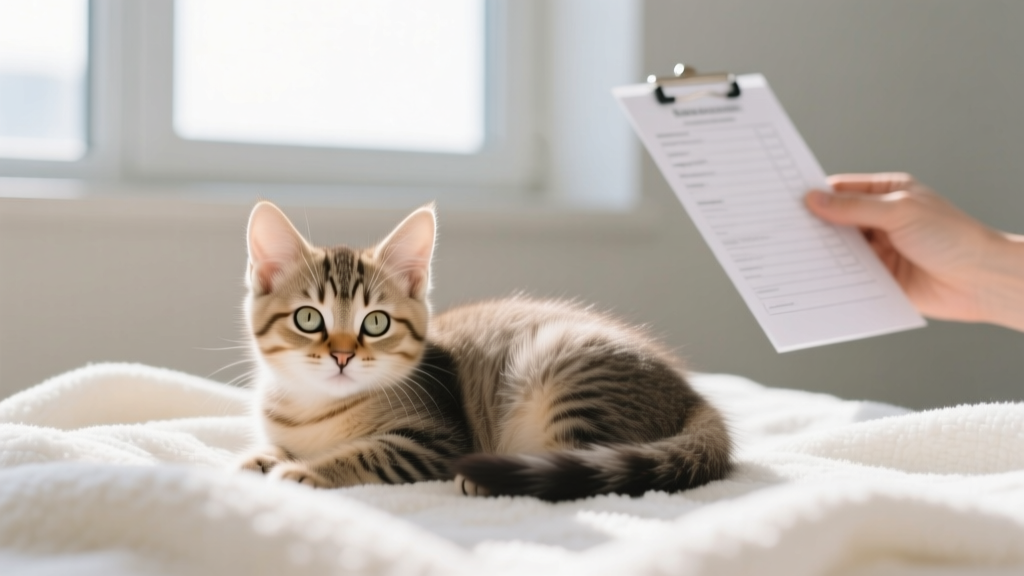
Weight tracking is your most sensitive early-warning system. Weigh kittens daily on a gram-scale (kitchen scale works). Chart it. A healthy kitten should gain 10–15g per day. If gain drops below 7g/day for two consecutive days—or dips below baseline—assume sepsis or congenital defect until proven otherwise.
4. Weaning, Socialization & Preventative Health: Setting Up Lifelong Resilience
Weaning begins at 3 weeks—but it’s not just about food. It’s neurodevelopmental scaffolding. According to Dr. Mikel Delgado, certified cat behaviorist and researcher at UC Davis, “The window for optimal socialization closes at 7 weeks. Miss it, and fear-based behaviors become neurologically embedded.”
Phase 1: Transition Feeding (Weeks 3–4)
Mix KMR with high-quality wet kitten food to form a thin gruel. Offer in shallow ceramic dish (never plastic—harbors bacteria). Let kittens lap—not suckle. Introduce one new texture per day: smooth gruel → thicker paste → soft chunks. Always provide fresh water in a separate, low-rimmed bowl.
Phase 2: Human & Environmental Socialization (Weeks 3–7)
Expose kittens to 3+ people daily—including men, children (supervised), and varied voices. Rotate safe objects: crinkly paper, soft brushes, ticking clocks (for auditory desensitization). Handle each kitten for 15+ minutes daily, supporting their body fully—not just holding. Introduce short (2-min), positive carrier sessions with treats inside.
Vaccination & Parasite Prevention Timeline:
First FVRCP (feline distemper) vaccine at 6 weeks—not earlier. Deworming starts at 2 weeks (pyrantel pamoate), repeated every 2 weeks until 8 weeks. Flea treatment? Never use dog or human products. Only use veterinarian-prescribed topical or oral meds labeled for kittens under 1.5 lbs. Over-the-counter ‘natural’ flea sprays contain toxic essential oils—respiratory failure has been documented in kittens under 4 weeks.
Frequently Asked Questions
Can I use human baby formula or goat’s milk for a baby kitten?
No—absolutely not. Human infant formula lacks taurine, arginine, and proper fat ratios critical for feline retinal and cardiac development. Goat’s milk has excessive lactose and insufficient protein, causing severe osmotic diarrhea and dehydration. Studies published in the Journal of Feline Medicine and Surgery show 89% of kittens fed non-KMR formulas developed life-threatening enteritis within 48 hours. Stick strictly to commercial kitten milk replacer.
My kitten hasn’t pooped in 24 hours—what do I do?
First, confirm stimulation technique is correct and consistent after every feed. If still no stool, gently massage the abdomen in clockwise circles for 60 seconds. Offer 0.5 mL of warm water via syringe. If no result in 2 more hours—or if kitten becomes lethargy, stops nursing, or vomits—seek emergency vet care. Constipation in neonates can progress to toxic megacolon in under 12 hours.
How do I know if my kitten has fading kitten syndrome?
Fading kitten syndrome (FKS) isn’t a disease—it’s a terminal cascade. Early signs include: persistent crying, inability to right itself when placed on back, cool extremities, refusal to nurse, and delayed eye opening. Once hypothermia, hypoglycemia, and dehydration intersect, mortality exceeds 95% without ICU-level support. If you observe ≥2 of these signs, contact a 24-hour vet immediately—even if it’s 3 a.m.
When can I start litter training?
Begin at 3 weeks: place a shallow tray with unscented, non-clumping litter (like Yesterday’s News) in a quiet corner. After each meal, gently place kitten inside and scratch litter with your finger. Most kittens learn within 5–7 days. Avoid clay or scented litters—they’re respiratory irritants and easy to ingest.
Do I need to give my kitten supplements?
No—if feeding complete KMR and transitioning to AAFCO-approved kitten food, supplements are unnecessary and potentially harmful. Excess calcium causes skeletal deformities; excess vitamin A leads to bone pain and brittle teeth. The only exception: probiotics during antibiotic treatment, prescribed by your vet.
Common Myths About Caring for Baby Kittens
Myth 1: “Mother cats reject kittens touched by humans.”
False. Feral or stressed moms may abandon litters due to environmental threats (noise, predators, frequent human presence)—not scent. Gentle, brief handling (with clean hands) actually helps socialization and does not trigger rejection. The American Veterinary Medical Association confirms: “Maternal bonding is driven by hormonal cues and nest security—not olfactory imprinting.”
Myth 2: “Kittens don’t need vaccines until they’re 12 weeks old.”
Outdated and dangerous. Core vaccines (FVRCP) begin at 6 weeks because maternal antibodies wane unpredictably—and shelter or rescue kittens face high pathogen exposure. Delaying increases risk of panleukopenia, which carries >90% mortality in unvaccinated neonates.
Related Topics (Internal Link Suggestions)
- Signs of kitten dehydration — suggested anchor text: "how to tell if a kitten is dehydrated"
- Kitten milk replacer comparison guide — suggested anchor text: "best kitten formula for newborns"
- Fading kitten syndrome treatment protocol — suggested anchor text: "what to do if your kitten is fading"
- When to take a kitten to the vet — suggested anchor text: "kitten emergency vet signs"
- Homemade kitten formula (safe recipes) — suggested anchor text: "emergency kitten formula recipe"
Your Next Step Is Non-Optional—And It Starts Today
You now hold actionable, vet-verified knowledge—not just tips. But knowledge without implementation is like having a fire extinguisher behind a locked door. So here’s your immediate next step: Print the Care Timeline Table above and tape it to your fridge. Weigh your kitten *right now*, record it, and set phone alarms for every 2.5-hour feeding window—including overnight. Then, call your local veterinary clinic and ask: “Do you offer neonatal kitten triage or foster support?” Many clinics partner with rescue groups that provide free 24/7 consult lines for orphaned kittens. Don’t wait for crisis. Build your safety net *before* the first cry. Because when it comes to how to take care of a baby kitten—the difference between thriving and surviving is measured in hours, not days.