How to Care for Orphaned Newborn Kitten: The First 72 Hours Are Critical—Here’s Exactly What to Do (and What NOT to Do) to Save Their Life
Why This Matters More Than You Think—Right Now
If you’ve just found or taken in a tiny, unresponsive, or abandoned newborn kitten—often weighing less than 100 grams and unable to regulate body temperature, digest food, or eliminate waste on their own—you’re facing one of the most time-sensitive caregiving scenarios in feline medicine. How to care for orphaned newborn kitten isn’t just about feeding; it’s about replicating the precise biological support a mother cat provides 24/7—or risking hypothermia, aspiration pneumonia, sepsis, or failure-to-thrive within hours. These fragile lives have a narrow window: survival rates drop by over 60% if core needs aren’t met correctly in the first 72 hours. But with evidence-based, hands-on guidance—and zero guesswork—you *can* become the lifeline they need.
Step 1: Stabilize Body Temperature—Before Anything Else
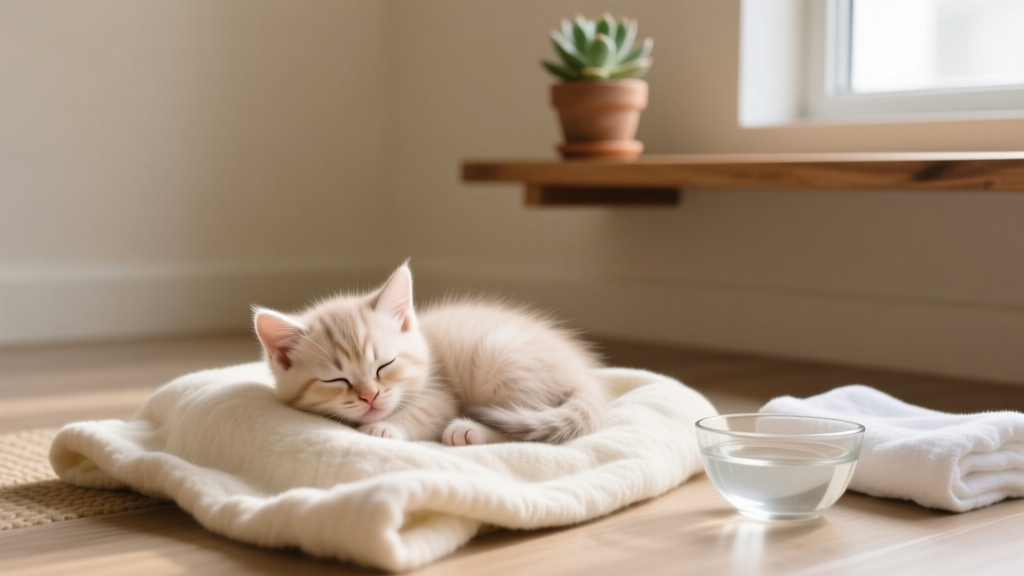
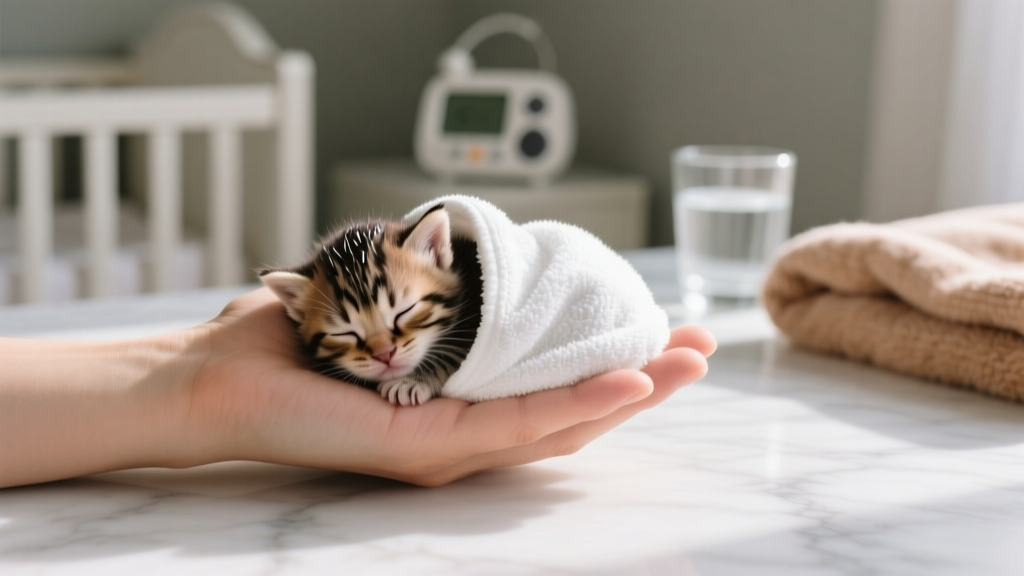
Newborn kittens cannot shiver or generate meaningful heat. Their rectal temperature should be 95–99°F (35–37.2°C); below 94°F signals imminent collapse. Hypothermia is the #1 killer of orphaned neonates—not starvation. Never feed a cold kitten: digestion halts, milk pools in the stomach, and aspiration risk skyrockets.
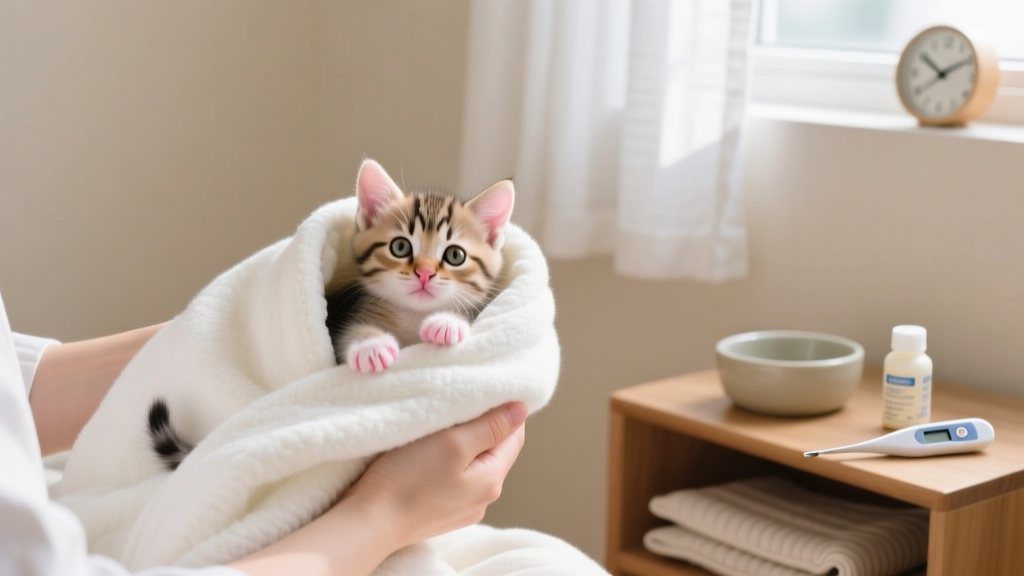
Use a safe, controllable heat source: a Snuggle Safe microwavable disc (wrapped in two layers of fleece), a heating pad set to LOW *under half the nest* (so kittens can crawl away), or a rice sock warmed for 30 seconds (test on your inner wrist first). Avoid hot water bottles—they cool too fast and cause burns. Place the kitten belly-down on the warm surface, monitor with a digital thermometer every 15 minutes, and aim for gradual rewarming (no more than 1°F per 10 minutes). Once stable at 97°F+, proceed to feeding—but only after confirming responsiveness (ear flick, slight leg movement, rooting reflex).
Dr. Sarah Wooten, DVM and clinical advisor for the Winn Feline Foundation, stresses: “I’ve seen dozens of well-intentioned rescuers lose kittens because they rushed to bottle-feed before warming. That single misstep turns nutrition into a death sentence.”
Step 2: Feed Correctly—Formula, Frequency & Technique
Never use cow’s milk, goat’s milk, human baby formula, or homemade recipes. These lack taurine, proper fat-protein ratios, and digestible lactose levels—and cause fatal diarrhea, dehydration, and metabolic acidosis. Use only commercial kitten milk replacer (KMR) or similar veterinary-grade formulas like Breeder’s Edge or Farnam Just Born.
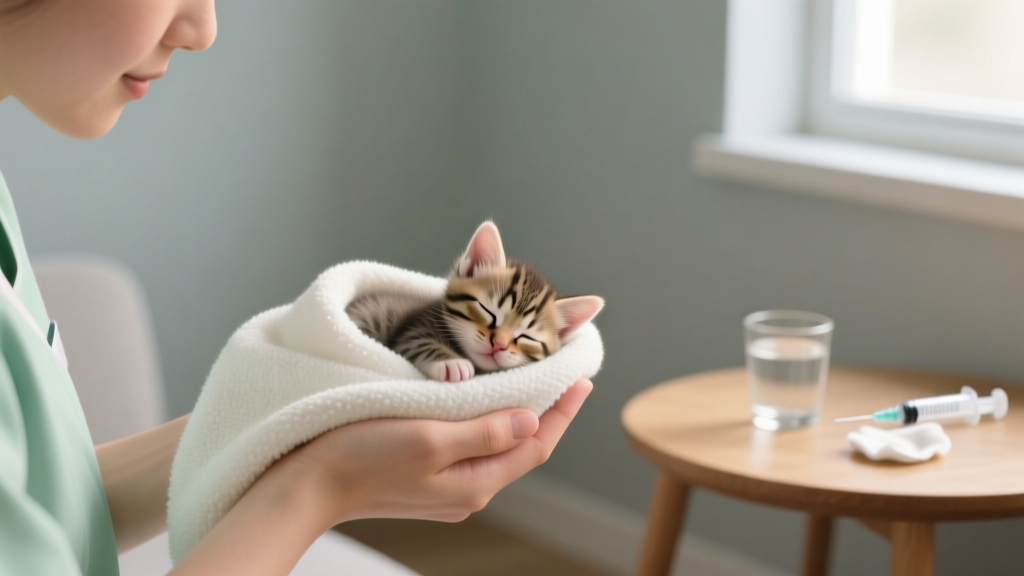
Feeding must mimic natural nursing: small volumes, high frequency, strict hygiene. Newborns need 13–15 ml of formula per 100g body weight daily, divided into 8–12 feedings (every 2–3 hours—including overnight). A 80g kitten requires ~10–12 ml/day = ~1.2–1.5 ml per feeding. Use a 1–3 ml syringe with a soft rubber nipple (not a dropper or spoon—too much aspiration risk) and hold the kitten upright, head slightly elevated, never on its back.
Pro tip: Test flow by inverting the syringe—if formula drips slowly (1 drop/sec), it’s right. Too fast? Narrow the nipple hole with a sterile needle. Too slow? Replace the nipple. Always burp gently after each feeding with a warm, damp cloth—like a human infant.
A real-world case: When foster mom Lena rescued three 1-day-old kittens from a storm drain in Portland, she followed this protocol precisely—and all thrived. But her fourth kitten, fed with diluted cow’s milk by a neighbor before transfer, developed severe enteritis and died at 36 hours. It wasn’t neglect—it was misinformation.
Step 3: Stimulate Elimination & Maintain Hygiene
Mother cats stimulate urination and defecation by licking the genital and anal regions. Orphaned kittens cannot do this alone—and will retain urine and feces, leading to toxic buildup, urinary tract obstruction, or constipation-induced megacolon in as little as 12–24 hours.
After *every* feeding (yes—even at 2 a.m.), use a warm, damp cotton ball or soft tissue to gently stroke the genital and anal area in circular motions for 30–60 seconds until urine or stool appears. Urine should be pale yellow and clear; stool transitions from meconium (black/tarry) to mustard-yellow seedy stool by day 3–4. If no output after 2 consecutive stimulations, consult a vet immediately—this signals ileus or neurological impairment.
Hygiene is non-negotiable. Wash hands before and after handling. Sterilize syringes/nipples in boiling water for 5 minutes between uses. Change bedding (soft flannel or shredded paper—no loose threads or towels that snag claws) with every soiled episode. Keep the nesting box draft-free but ventilated—stagnant air breeds bacteria like Escherichia coli and Streptococcus zooepidemicus, common causes of neonatal sepsis.
Step 4: Monitor Development & Recognize Red Flags
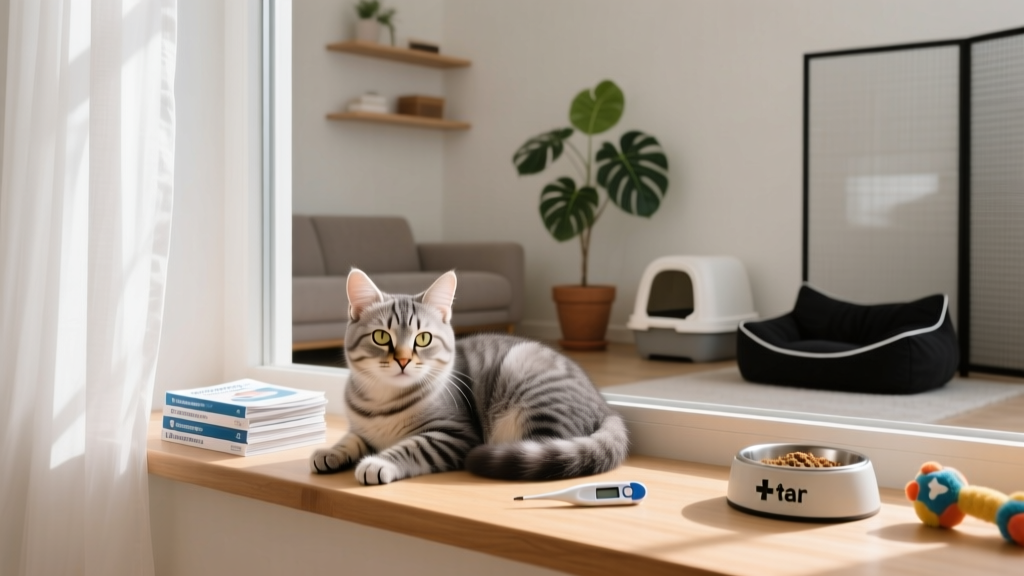
Track weight daily at the same time (ideally on a gram-scale kitchen scale). Healthy neonates gain 7–10g/day. No gain for 24 hours—or weight loss—is an emergency. Also watch for these 5 critical red flags:
- Crying constantly (not brief mews)—indicates pain, hunger, or hypothermia
- Cool, pale, or blue-tinged gums—sign of shock or poor perfusion
- Refusal to suck or weak latch—neurological or cardiac issue
- Labored breathing or nasal discharge—early pneumonia
- Rectal temp < 94°F or > 102.5°F—severe dysregulation
According to the American Association of Feline Practitioners (AAFP) 2023 Neonatal Care Guidelines, 83% of kitten mortality occurs in the first week—and 67% of those deaths are preventable with vigilant monitoring and prompt intervention. Keep a log: time fed, amount, temp, stool/urine output, weight, behavior. This data is invaluable to your vet.
| Age | Key Developmental Milestones | Critical Care Actions | Risk Alerts |
|---|---|---|---|
| 0–24 hrs | Umbilical cord detaches; eyes closed; ears folded; rooting reflex present | Warm to 97–99°F; initiate feeding every 2 hrs; stimulate after each feed; weigh hourly x4, then q4h | No stool in 12 hrs; temp <94°F; no suck reflex |
| 2–7 days | Eyes begin to open (days 5–14); ear canals open (days 5–8); double birth weight | Feed q3h; increase volume 0.2 ml/feed daily; introduce gentle massage to aid digestion; disinfect nesting area daily | Green/yellow stool; blood in stool; persistent crying >20 min |
| 8–14 days | Eyes fully open; begin crawling; start vocalizing; triple birth weight | Introduce shallow dish for water (supervised); reduce feeding to q4h; add probiotic paste (vet-approved strain) | Crossed eyes beyond day 10; inability to lift head; lethargy during feeds |
| 15–21 days | Begin walking; teeth erupt (incisors); play behavior emerges; quadruple birth weight | Start gruel (KMR + high-quality wet kitten food); offer low-ramp litter box; socialize 2–3x/day with gentle handling | No interest in gruel by day 18; seizures; tremors; refusal to stand |
Frequently Asked Questions
Can I use human baby formula or almond milk in an emergency?
No—absolutely not. Human infant formula lacks taurine and has excessive lactose and sodium, causing osmotic diarrhea and dehydration within hours. Almond, soy, or oat milks contain no bioavailable protein or fat for kittens and may trigger allergic GI reactions. If KMR is unavailable, contact a local vet clinic or rescue—they often keep emergency stock. In true emergencies, a temporary substitute is 1 part plain whole goat’s milk + 1 part plain full-fat yogurt + 1 tsp corn syrup (only for <24 hrs and only if vet-approved).
How do I know if my kitten is getting enough to eat?
Three reliable indicators: (1) Steady weight gain (7–10g/day), (2) rounded, non-distended belly after feeding (not tight or hollow), and (3) 3–5 urinations and 1–2 stools daily. If the belly looks ‘pinched’ or the skin tents when gently lifted (poor elasticity), dehydration is likely. A quick test: press the gum above the canine tooth—if color returns in >2 seconds, seek help immediately.
When should I take my orphaned kitten to the vet?
Go immediately for: no stool/urine for >12 hrs, rectal temp <94°F or >102.5°F, labored breathing, blue/pale gums, seizures, or refusal to eat for 2 consecutive feeds. Schedule a wellness visit by day 7—even if thriving—to check for congenital defects (e.g., cleft palate, heart murmurs), deworming (roundworms are nearly universal), and baseline bloodwork. The AAFP recommends PCR testing for feline herpesvirus and calicivirus in orphaned litters due to high environmental exposure risk.
Do orphaned kittens need vaccinations early?
No—maternal antibodies from colostrum would normally protect them until ~6–8 weeks. Since orphaned kittens miss this, their immune system is naive—but vaccinating before 4 weeks risks vaccine interference and adverse events. Core vaccines (FVRCP) begin at 6 weeks, with boosters every 3–4 weeks until 16 weeks. Your vet will tailor timing based on antibody titers if available.
Can I raise just one orphaned kitten alone?
It’s strongly discouraged. Kittens learn bite inhibition, social cues, and play skills through littermate interaction. A singleton kitten often develops anxiety, aggression, or inappropriate suckling behaviors (on blankets, fingers, or themselves). If raising solo, provide intense, structured socialization: 3+ supervised play sessions daily with varied textures (feathers, crinkle balls, soft ropes), gentle handling by multiple people, and mirror exposure to simulate peer presence. Consider fostering with another kitten—even 1–2 weeks’ age difference helps immensely.
Common Myths—Debunked
Myth 1: “Just wrap them in a blanket and they’ll be fine.”
Blankets alone don’t generate heat—and can cause overheating or suffocation if tucked too tightly. Kittens need controlled, external warmth sources with escape options. Overheating (>103°F) depresses respiration and causes brain damage faster than hypothermia.
Myth 2: “If they’re crying, they’re hungry—so feed more.”
Crying is a late-stage distress signal—not a hunger cue. It could mean hypothermia, pain, urinary retention, or respiratory distress. Feeding a distressed kitten without diagnosing the cause risks aspiration or gastric rupture. Always assess temperature, hydration, and elimination first.
Related Topics (Internal Link Suggestions)
- Kitten Weaning Timeline Guide — suggested anchor text: "when to start weaning orphaned kittens"
- Signs of Feline Upper Respiratory Infection — suggested anchor text: "kitten sneezing and eye discharge"
- Best Kitten Milk Replacers Ranked by Vets — suggested anchor text: "top vet-recommended kitten formula"
- How to Socialize Feral Kittens Safely — suggested anchor text: "taming scared orphaned kittens"
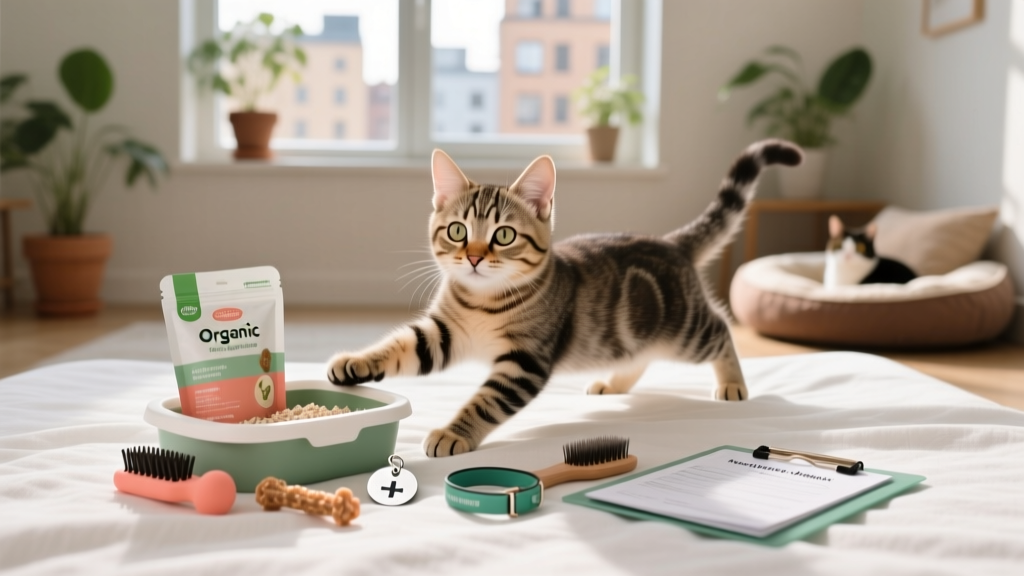
- Emergency Kitten First Aid Kit Checklist — suggested anchor text: "what to include in a kitten rescue kit"
Your Next Step—And Why It Matters Today
You now hold life-saving knowledge—but knowledge becomes impact only when applied. Don’t wait until tomorrow morning. Grab a digital thermometer, clean syringe, and KMR *right now*. If you don’t have supplies, call your nearest 24-hour vet clinic or animal shelter—they often provide emergency kits or direct guidance. And if you’re fostering, document everything: weight, temps, feeds, outputs. That log isn’t paperwork—it’s your kitten’s medical record and your best advocacy tool. Every hour counts. Every gram gained is hope earned. You’re not just feeding a kitten—you’re rewriting their survival story, one warm, gentle, precise act at a time.