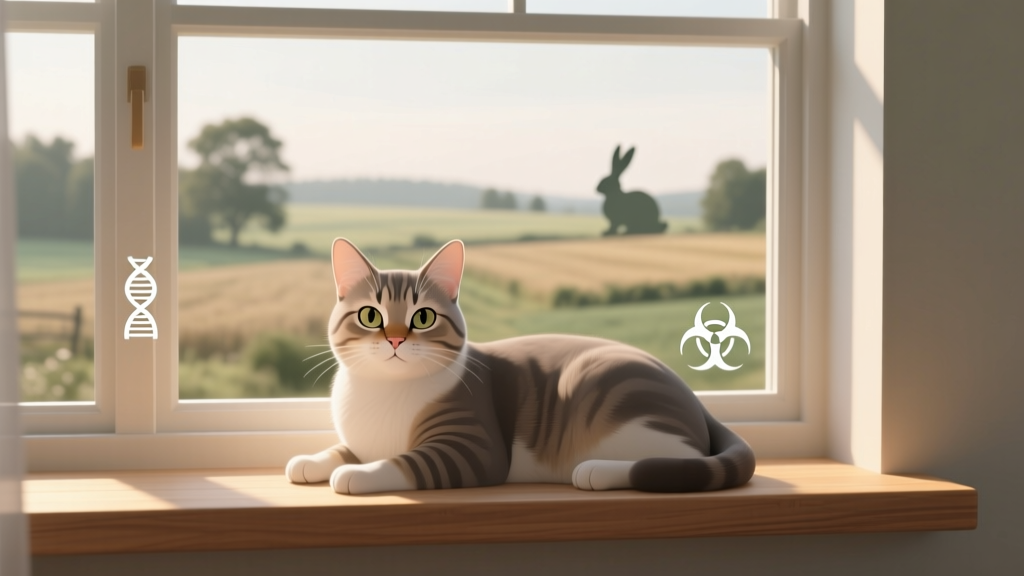
Cat Tularemia: Rabbit Fever Zoonotic Disease
1) Why tularemia matters to cat owners
Tularemia (often called “rabbit fever”) is an uncommon but potentially serious infectious disease that cats can catch when they hunt, ingest, or come into contact with infected wildlife—especially rabbits and rodents. It matters to cat owners for two reasons:
- It can make cats very sick quickly, sometimes with vague early signs that look like many other illnesses.
- It can infect people (zoonotic disease). While transmission from cats to humans isn’t the most common route overall, exposure can happen through bites, scratches, contaminated saliva, drainage from wounds, or handling infected tissues.
The good news: tularemia is treatable with the right antibiotics when caught early. Knowing the warning signs and how to reduce exposure can help protect both your cat and your household.
2) Overview: What is tularemia (rabbit fever)?
Tularemia is caused by a bacterium called Francisella tularensis. This organism survives in nature by cycling through wildlife and insects, and it can infect many species, including cats, dogs, and humans.
Cats most commonly become infected when they:
- Hunt and eat infected prey (rabbits, mice, voles, squirrels)
- Get bitten by infected ticks (and less commonly deer flies)
- Contact contaminated environments (infected carcasses, contaminated soil/water)
Once the bacteria enter the body, they can spread through lymph nodes (part of the immune system), the bloodstream, and organs such as the liver, spleen, and lungs. That’s why some cats develop swollen lymph nodes and fever, while others develop pneumonia-like breathing issues or generalized illness.
Because tularemia can spread from animals to people, veterinary care involves not only treating your cat, but also protecting your family through safe handling and hygiene.
3) Symptoms and warning signs to watch for
Tularemia signs vary based on how the cat was infected (prey ingestion vs. tick bite vs. exposure through a wound) and which body systems are affected. Call your veterinarian if you notice any combination of the following, especially if your cat hunts or goes outdoors.
Common signs in cats
- Fever (often with lethargy and hiding)
- Low appetite or not eating
- Swollen lymph nodes (may feel like lumps under the jaw, in front of shoulders, or behind knees)
- Dehydration (dry gums, sunken eyes, weakness)
- Weight loss
Possible respiratory and systemic signs
- Fast or labored breathing
- Coughing (less common in cats than in some other species, but possible)
- Nasal discharge
- Yellow tint to the gums/eyes (jaundice) in severe cases
Wounds, mouth issues, and “hunting-related” clues
- Abscesses, draining wounds, or ulcers (especially after a fight or hunting injury)
- Painful mouth, drooling, reluctance to eat if oral exposure occurred
- Sudden illness after a known rabbit/rodent encounter
Many of these signs overlap with other cat illnesses (abscesses, dental infection, viral disease, pneumonia). That’s why a veterinary exam and testing are so important.
4) Causes and risk factors
The underlying cause is infection with Francisella tularensis. What increases risk is exposure.
Higher-risk cats
- Outdoor cats, especially those that hunt
- Cats in rural/suburban areas with rabbits and rodents
- Cats with tick exposure (wooded/brushy areas, tall grass)
- Indoor/outdoor cats that bring prey into the home
Seasonality and geography
- Cases may increase during tick seasons and when hunting activity is high.
- Tularemia occurs in many regions, but is more recognized in certain areas; your veterinarian will know the local risk patterns.
Practical risk-reduction you can do today
- Keep cats indoors or supervise outdoor time with a secure enclosure (“catio”).
- Use vet-approved tick prevention appropriate for cats (never use dog-only products on cats).
- Discourage hunting by using indoor enrichment (food puzzles, play sessions, window perches).
5) Diagnosis: What to expect at the vet
If tularemia is suspected, your veterinarian will focus on two priorities: stabilizing your cat and confirming the diagnosis while keeping everyone safe. Because tularemia is zoonotic, clinics may use extra precautions when handling samples or draining abscesses.
History and physical exam
You’ll be asked about:
- Outdoor access and hunting (rabbits/rodents)
- Tick exposure and recent tick removal
- Any wounds, abscesses, or recent fights
- Timeline of fever, appetite changes, breathing changes
Common tests
- Complete blood count (CBC) to look for infection/inflammation
- Blood chemistry to assess organ function and hydration status
- Urinalysis as part of overall health assessment
- Imaging (chest X-rays if breathing issues; ultrasound if organ involvement is suspected)
- Cytology or culture/PCR from abscess material or affected tissues when appropriate
- Serology (antibody testing) may be considered depending on timing and availability
Your veterinarian may start treatment based on strong suspicion (for example, a sick hunting cat with swollen lymph nodes and fever), especially if waiting for confirmatory results would delay needed care.
6) Treatment options (medical, surgical, home care)
Tularemia requires prescription antibiotics. Home remedies are not effective and may delay appropriate care.
Medical treatment
- Antibiotics: The specific drug and duration depend on your cat’s condition, local guidance, and test results. In more severe cases, injectable antibiotics may be started in the hospital, then transitioned to oral medications at home.
- Supportive care: Fluids for dehydration, anti-nausea medication, appetite support, and pain relief (cat-safe options only).
- Oxygen therapy: If there is respiratory distress or pneumonia.
Surgical/procedural treatment
- Abscess care: Draining, flushing, and sometimes placing a drain. This can reduce pain and speed recovery, but must be done with appropriate precautions due to zoonotic risk.
- Wound management: Cleaning and treating bite wounds or ulcers.
Home care (what you can do safely)
- Give all medications exactly as prescribed, for the full duration, even if your cat seems better.
- Limit stress and activity: Provide a quiet room, comfortable bedding, easy access to litter box, food, and water.
- Encourage hydration: Offer fresh water, wet food, or veterinarian-approved hydration strategies.
- Monitor daily: appetite, energy, breathing rate/effort, gum color, and any wound drainage.
- Practice hygiene: Wear disposable gloves to clean any drainage, wash hands thoroughly, disinfect surfaces, and keep children away from wounds and saliva.
Important: Never give human pain relievers (like ibuprofen, acetaminophen, or aspirin) unless specifically directed by a veterinarian—these can be toxic to cats.
7) Prevention strategies and early detection tips
Prevention focuses on reducing hunting and tick exposure, plus acting quickly when symptoms appear.
Prevent exposure
- Keep cats indoors or use a catio/leash-and-harness time.
- Use veterinarian-recommended flea/tick prevention year-round if your region has ticks. Confirm the product is cat-safe.
- Check for ticks after outdoor time, especially around the head, neck, ears, and between toes.
- Discourage hunting: structured play, feeder puzzles, and increased indoor enrichment.
- Don’t allow access to wildlife carcasses (in yards, garages, sheds).
Early detection tips
- Take note of “quiet signs”: hiding, decreased appetite, less grooming, reduced play.
- Feel gently for new lumps (swollen lymph nodes) during petting—especially under the jaw and near shoulders.
- If your cat presents a rabbit/rodent “gift,” assume exposure risk and monitor closely for illness over the next days.
Protecting people in the household
- Avoid rough play that could lead to bites/scratches, especially while your cat is ill.
- Use gloves for wound care, litter box cleaning, and handling soiled bedding if there’s drainage.
- If anyone in the home is immunocompromised, pregnant, or elderly, ask your veterinarian about extra precautions.
8) Prognosis and quality of life considerations
With prompt veterinary treatment, many cats recover well. Prognosis depends on:
- How early treatment starts
- Severity of infection (localized lymph node infection vs. widespread systemic disease)
- Presence of pneumonia or organ involvement
- Overall health (age, underlying conditions)
During recovery, your cat may need:
- Recheck exams and possibly repeat bloodwork to confirm improvement
- Extended antibiotics
- Short-term appetite support and quiet rest
Most cats feel significantly better once antibiotics and supportive care take effect, but finishing the full medication course is key to preventing relapse.
9) When to seek emergency veterinary care
Seek urgent or emergency care the same day if you notice:
- Labored breathing, open-mouth breathing, or blue/pale gums
- Severe lethargy (can’t stand, minimally responsive)
- Not eating for 24 hours (or a kitten not eating normally for much shorter)
- Persistent vomiting or signs of dehydration
- Rapidly enlarging swelling, significant pain, or a draining wound with foul odor
- High fever suspected (very warm ears/paws plus profound tiredness), especially with hunting/tick exposure
If your cat may have tularemia and you need to transport them, keep them in a secure carrier, avoid face-to-face contact, and wash hands after handling. If there’s draining material, place a clean towel in the carrier and avoid direct contact with the discharge.
10) FAQ: Common questions about cat tularemia
Can my cat give tularemia to me?
It’s possible. People more commonly get tularemia from ticks or wildlife exposure, but cats can be a source through bites, scratches, saliva, and contact with infected drainage or tissues. Use gloves for wound care, wash hands well, and consult your physician if you develop fever, swollen lymph nodes, skin ulcers, or flu-like symptoms after exposure to a sick cat or wildlife.
Is tularemia contagious from cat to cat?
Direct cat-to-cat spread is not considered common, but shared exposure (the same hunting area, ticks, or prey) can affect multiple pets. If one outdoor cat in the household becomes ill, it’s wise to monitor other pets closely and discuss prevention with your veterinarian.
What should I do if my cat brought home a rabbit or rodent?
- Wear gloves to remove and dispose of the carcass (follow local wildlife disposal guidance).
- Prevent your cat from eating it.
- Wash hands and clean any surfaces the carcass contacted.
- Monitor your cat for appetite changes, feverish behavior, swollen lumps, or lethargy for the next 1–2 weeks.
- Call your veterinarian if any signs appear or if your cat was bitten/scratched during the hunt.
How is tularemia different from a “normal” cat abscess?
Many outdoor cats get abscesses from bite wounds, and those are usually caused by common skin bacteria. Tularemia can also cause abscess-like swelling and draining, but it may come with more pronounced fever, swollen lymph nodes, and systemic illness. Because the treatment plan and human safety considerations differ, any abscess with fever or lethargy deserves a veterinary visit.
Will my cat need to be hospitalized?
Not always. Cats with mild disease who are eating, hydrated, and breathing comfortably may be treated as outpatients with close follow-up. Hospitalization is more likely if your cat has dehydration, significant fever, breathing difficulty, severe pain, or needs procedures like abscess drainage and IV antibiotics.
Is there a vaccine for tularemia in cats?
There isn’t a routine tularemia vaccine for cats. Prevention relies on keeping cats from hunting, using cat-safe tick prevention, and seeking veterinary care early when signs appear.
If you suspect tularemia or any serious infection, contact your veterinarian promptly. Early treatment protects your cat’s health and reduces risk to people in the home.
For more practical, vet-informed cat health guidance, visit catloversbase.com and explore our growing library of feline wellness resources.