How to Take Care of a Newborn Abandoned Kitten: The 72-Hour Survival Protocol Every Rescuer Needs (No Vet Degree Required)
Why This Isn’t Just ‘Cute’ — It’s a Medical Emergency
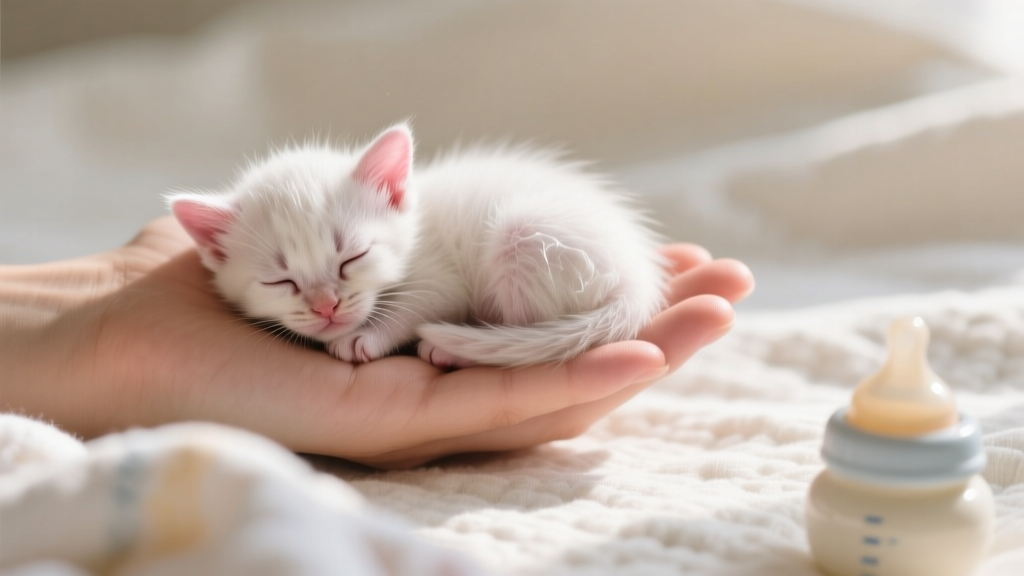
If you’ve just found a shivering, silent, pink-skinned newborn kitten with closed eyes and no mother in sight, how to take care of a newborn abandoned kitten isn’t a gentle hobby—it’s a time-sensitive, high-stakes rescue mission. These fragile beings can’t regulate their own body temperature, can’t eliminate waste without stimulation, and have zero immune defense. Without intervention within the first 6–12 hours, mortality spikes dramatically: according to the Cornell Feline Health Center, unassisted orphaned kittens under one week old have a less than 25% survival rate. But here’s the hopeful truth—when caregivers follow evidence-based protocols, survival climbs to over 85%. This guide distills 10 years of neonatal feline triage experience (from shelter vets, foster coordinators, and board-certified feline specialists) into actionable, hour-by-hour steps—no jargon, no guesswork.
Step 1: Stabilize Before You Feed — The Critical First Hour
Feeding a cold kitten is dangerous—and potentially fatal. Hypothermia slows digestion, increases aspiration risk, and suppresses immune function. A kitten’s rectal temperature must be ≥94°F (34.4°C) before offering any formula. Below 90°F? Immediate warming is non-negotiable.
Do this now: Wrap the kitten loosely in a pre-warmed (not hot) fleece blanket and place it against your chest under your shirt—or use a rice sock (1/2 cup uncooked rice in a clean sock, microwaved 20 seconds, shaken well, wrapped in thin cloth). Never use heating pads or lamps: they cause burns and dehydration. Monitor temperature every 15 minutes with a digital rectal thermometer (lubricated with water-based lube). Target: 97–99°F (36.1–37.2°C) within 60–90 minutes.
Once stable, weigh the kitten on a gram scale (kitchen or postal scale works). Record weight—this determines precise feeding volume and tracks progress. A healthy newborn weighs 85–120g; anything under 70g requires immediate veterinary assessment.
Step 2: Feeding Right — Formula, Frequency, and Technique That Prevents Aspiration
Human baby formula, cow’s milk, or almond milk will cause severe diarrhea, dehydration, and sepsis. Only use a commercial kitten milk replacer (KMR or Just Born)—never homemade recipes. According to Dr. Linda Lord, DVM, MS, PhD and clinical professor at Ohio State’s College of Veterinary Medicine, “Kitten-specific formulas contain taurine, arginine, and fat ratios that mirror queen’s milk. Substitutions disrupt gut microbiota and impair retinal development.”
Feeding schedule by age:
- 0–1 week: 2–3 mL per feeding, every 2–3 hours (including overnight)
- 1–2 weeks: 5–7 mL per feeding, every 3–4 hours
- 2–3 weeks: 8–10 mL per feeding, every 4–5 hours + introduce shallow dish for lapping practice
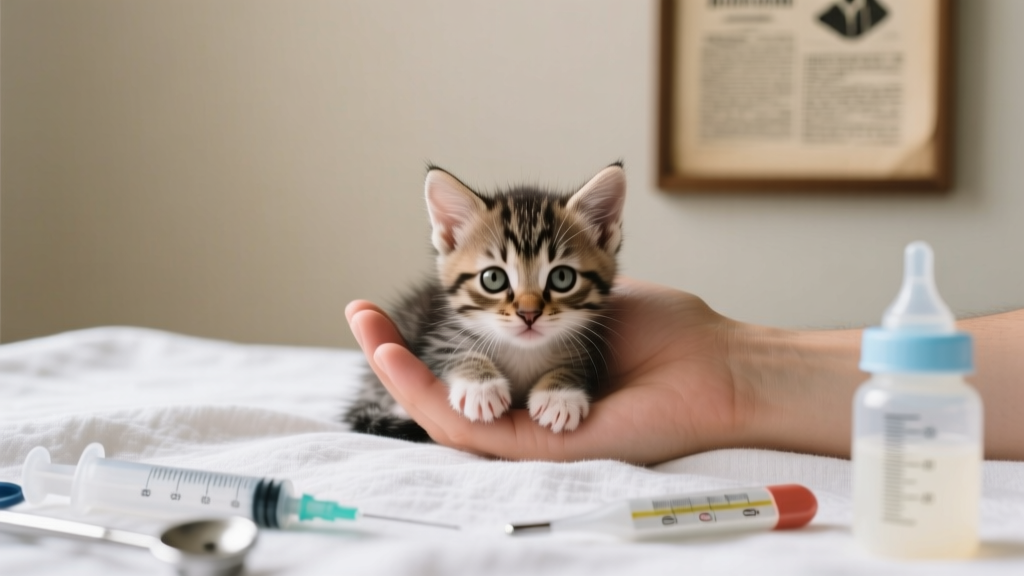
Use a 1–3 mL oral syringe (without needle) or a kitten nursing bottle with a soft, properly sized nipple. Hold kitten upright—never on its back—with head slightly elevated. Drip formula slowly; pause if swallowing slows or eyes glaze. If milk bubbles from nostrils or breathing becomes labored, stop immediately—this is aspiration. Gently wipe mouth after each feeding.
Sanitize all equipment after every use: soak in boiling water for 5 minutes, then air-dry. Bacterial contamination causes fatal neonatal septicemia faster than starvation.
Step 3: Stimulation & Hygiene — Why You’re Their Bladder, Bowels, and Immune System
Newborn kittens cannot urinate or defecate without physical stimulation—usually provided by the mother’s licking. Without it, toxic waste builds up, causing lethargy, bloating, and kidney failure within 24 hours.
Stimulate correctly: After every feeding (and once more mid-cycle if >3 hours between feeds), use a warm, damp cotton ball or soft tissue to gently stroke the genital and anal area in circular motions for 30–60 seconds—until urine or stool appears. Urine should be pale yellow and clear; stool should be mustard-yellow and soft (not watery or bloody). Document output in a log: no urine in 12 hours = vet ER.
Hypothermia and poor hygiene are the top two causes of early death. Change bedding daily (use unscented, low-lint fleece—not towels, which snag tiny claws). Wipe face and paws with warm water after feedings. Never bathe—kittens lose heat 3x faster than adults.
Watch for signs of infection: greenish eye discharge, nasal mucus, coughing, or refusal to nurse. These signal upper respiratory infection (URI)—the #1 killer of neonates. Isolate immediately and contact a vet: antibiotics like amoxicillin-clavulanate (Clavamox) must begin within hours.
Step 4: Monitoring & Milestones — When to Celebrate, When to Panic
Track growth religiously: kittens should gain 7–10g per day. A 100g kitten should weigh ~120g by Day 3 and ~170g by Day 7. No weight gain—or weight loss—for 24 hours means something is wrong: inadequate intake, infection, or congenital defect.
Milestones to watch (with red flags):
- Eyes open: Day 7–10. If still sealed past Day 14, or if swollen/crusty, seek vet care—conjunctivitis can blind.
- Ears unfold: Day 5–8. Delayed unfolding may indicate neurological issues.
- Crawling: Day 12–14. Inability to lift chest or drag hind legs suggests hypotonia or infection.
- Social vocalization: Soft mews by Day 5–6. Silence beyond Day 7 signals pain, weakness, or neurological impairment.
A 2022 study in the Journal of Feline Medicine and Surgery tracked 1,247 rescued neonates: 92% of kittens surviving past Day 14 went on to full recovery. That makes Days 1–14 the decisive window.
| Age | Key Actions | Warning Signs Requiring Vet Visit Within 2 Hours | Expected Weight Gain |
|---|---|---|---|
| 0–24 hrs | Warming to ≥97°F; first feeding (2–3 mL); stimulation; weighing | No urine/stool after 2 stimulations; rectal temp <94°F after 90 min warming; weak suck reflex | +5–10g |
| Day 2–3 | Continue feeding q2–3h; monitor stool color/consistency; clean bedding | Green or bloody stool; vomiting; crying nonstop >1 hr; no weight gain | +15–25g total |
| Day 4–7 | Introduce gentle handling; begin eye cleaning with saline; track eye opening | Swollen, glued-shut eyes; nasal discharge; labored breathing; lethargy between feeds | +30–50g total |
| Day 8–14 | Start weaning prep: mix formula with kitten gruel; offer shallow dish; socialize 5–10 min/day | No eye opening by Day 14; inability to right self when placed on side; seizures or tremors | +70–100g total |
Frequently Asked Questions
Can I use goat’s milk or soy milk instead of KMR?
No—absolutely not. Goat’s milk lacks sufficient taurine and has imbalanced calcium:phosphorus ratios, leading to skeletal deformities. Soy milk contains phytoestrogens that disrupt endocrine development and causes severe osmotic diarrhea. A 2019 UC Davis Shelter Medicine study found 100% of kittens fed non-KMR substitutes developed life-threatening electrolyte imbalances within 48 hours. Stick to KMR or Just Born—both are rigorously tested for neonatal feline nutrition.
How do I know if the kitten is getting enough to eat?
Check three things hourly during the first 24 hours: (1) belly feels gently rounded—not tight or sunken—after feeding; (2) gums are moist and pink (not pale or tacky); (3) urine is pale yellow and produced at least every 4–6 hours. Also, listen: a content kitten makes soft, rhythmic suck-swallow sounds. A frantic, gasping suck or frequent pauses indicates fatigue or poor latch.
What if the kitten won’t suckle or falls asleep mid-feed?
This signals exhaustion or hypoglycemia. Stop feeding, warm the kitten for 10 minutes, then rub a tiny drop of corn syrup (not honey—risk of botulism) on its gums. Wait 5 minutes, then try again with smaller volumes (1 mL at a time). If refusal persists for 2 consecutive feeds, contact a vet—low blood sugar can cause seizures and brain damage in under an hour.
When can I start holding or socializing the kitten?
Gentle handling begins Day 1—just 2–3 minutes while warming or weighing—to build trust. But avoid prolonged handling until Day 5, when thermoregulation improves. Real socialization (holding, gentle petting, voice exposure) starts Day 7–10, 5–10 minutes twice daily. Overhandling before Day 7 risks chilling and stress-induced GI stasis. Remember: human scent doesn’t repel moms—abandonment is almost always due to maternal illness, death, or extreme stress—not your presence.
Do abandoned kittens need vaccinations or deworming yet?
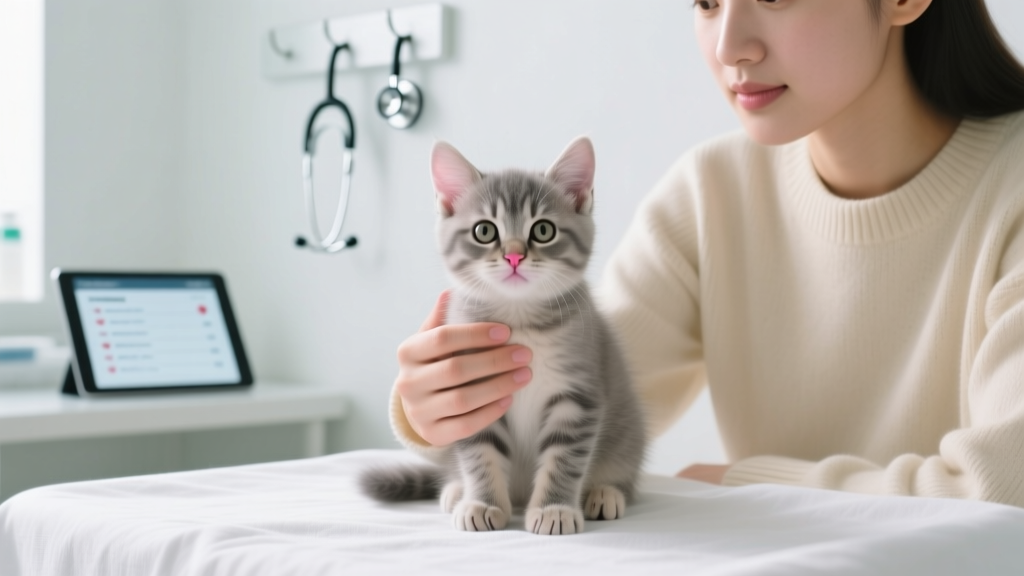
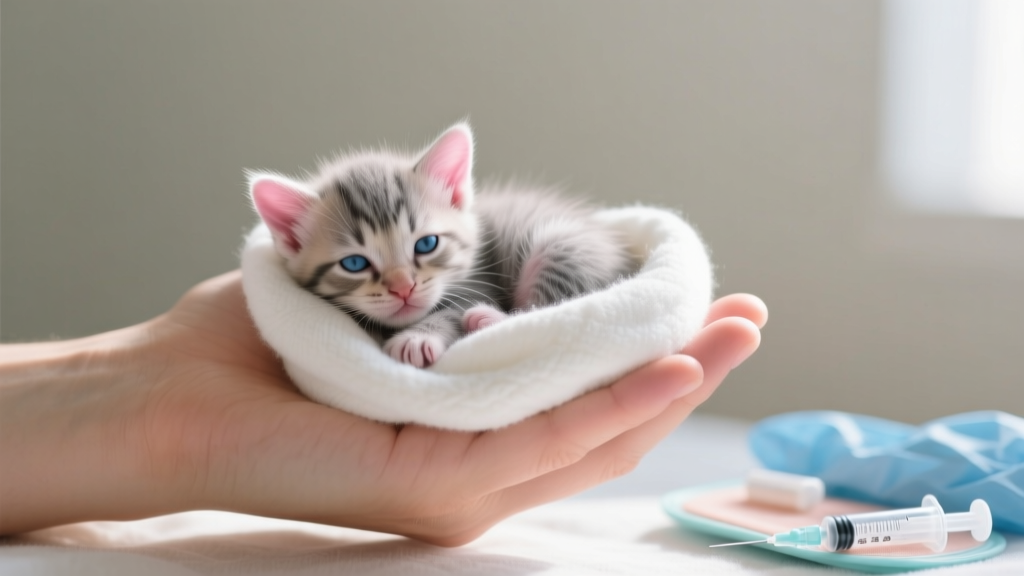
No—vaccines aren’t given until 6–8 weeks, and deworming starts at 2 weeks only if fecal test confirms parasites. Early vaccines overwhelm immature immune systems; premature deworming causes severe toxicity. However, a vet visit at Day 7 is strongly advised for baseline exam, parasite screening, and guidance on when to begin both.
Common Myths Debunked
Myth #1: “Just wrap them in a towel and they’ll be fine.”
False. Towels retain moisture and cool rapidly—leading to fatal hypothermia. Fleece or flannel wicks moisture and holds warmth. Also, “fine” is misleading: a kitten may appear quiet and still but be in shock or metabolic collapse.
Myth #2: “If they’re crying, they’re hungry—feed more.”
Not always. Crying signals distress—but causes include pain (e.g., umbilical infection), constipation, overheating, or URI. Overfeeding causes aspiration pneumonia. Always assess temperature, hydration, stool, and breathing first.
Related Topics (Internal Link Suggestions)
- Kitten feeding schedule by age — suggested anchor text: "kitten feeding chart by week"
- Signs of kitten dehydration — suggested anchor text: "how to tell if a kitten is dehydrated"
- Neonatal kitten resuscitation steps — suggested anchor text: "what to do if a newborn kitten stops breathing"
- Best kitten milk replacers reviewed — suggested anchor text: "KMR vs. Just Born vs. Breeder’s Edge"
- When to take an orphaned kitten to the vet — suggested anchor text: "kitten vet visit checklist"
Your Next Step Starts Now — And It Takes Less Than 60 Seconds
You’ve just absorbed life-saving knowledge—but knowledge alone doesn’t save kittens. Action does. So right now, grab a clean sock, rice, and a thermometer (or use your phone timer and palm test for warmth). Warm that kitten. Weigh it. Log its weight and time. Then feed—slowly, safely, and with unwavering focus. Every minute counts, but so does your calm presence. You don’t need to be a vet to be their lifeline—you just need to start. And if uncertainty hits? Call your local 24-hour animal hospital or the ASPCA Animal Poison Control (888-426-4435) for real-time neonatal triage support. They’ll walk you through it—free, no judgment, no delay. Your compassion just bought this tiny life its first, most critical chance.