Cat Brachycephalic Airway Syndrome Surgical Correction
1. Why this topic matters to cat owners
If you share your home with a flat-faced cat—like a Persian, Himalayan, or Exotic Shorthair—you’ve probably noticed their adorable “smushy” features come with a unique set of health considerations. One of the most common concerns is breathing difficulty related to their shortened skull shape. Brachycephalic Airway Syndrome (often shortened to “BAS”) can make it harder for a cat to move air in and out efficiently, especially during stress, heat, or exercise.
For some cats, careful home management and medical support are enough. For others, surgery can be life-changing, improving airflow, comfort, and daily quality of life. Understanding what BAS is, how it’s diagnosed, and what surgical correction involves helps you make calm, informed choices with your veterinarian.
2. Overview of the condition (plain-language medical explanation)
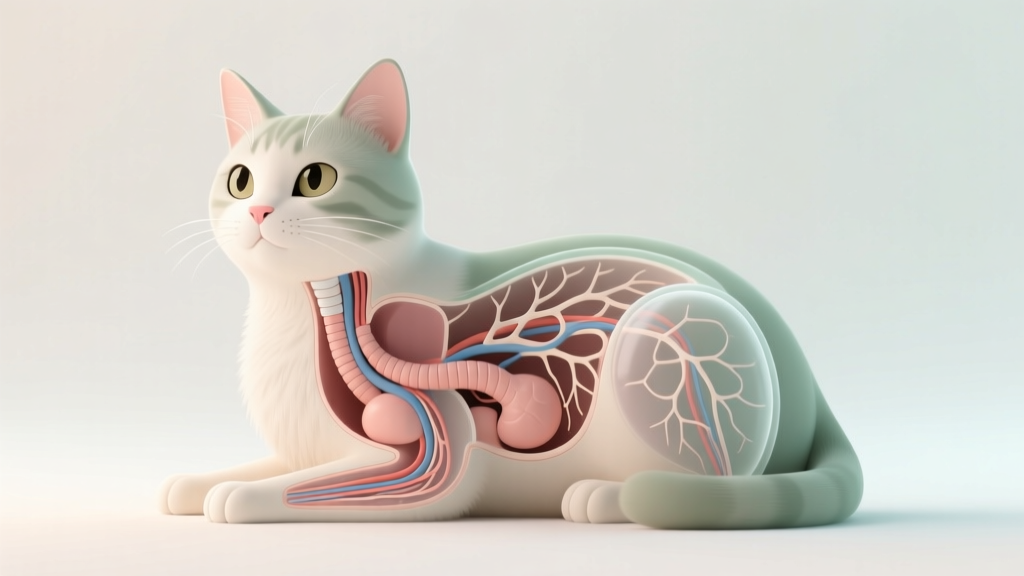
Brachycephalic Airway Syndrome is a collection of upper-airway abnormalities seen in short-nosed (brachycephalic) cats. Because the facial bones are shortened, the soft tissues of the airway may be relatively “too much” for the space available. This crowding can partially block airflow and increase resistance when your cat breathes.
Think of it like breathing through a narrow straw: your cat has to work harder to get enough air, and that extra effort can cause inflammation and worsening obstruction over time.
Common anatomic components (a cat may have one or several):
- Stenotic nares: narrowed nostrils that limit the air your cat can pull in.
- Elongated soft palate: excess soft tissue at the back of the roof of the mouth that can obstruct airflow.
- Everted laryngeal saccules: small tissues near the voice box that can turn outward from chronic strain, further blocking the airway.
- Hypoplastic trachea (less common in cats than dogs): a narrower-than-normal windpipe.
Over time, chronic airway resistance can lead to secondary swelling, irritation, and episodes of respiratory distress. That’s why early assessment and thoughtful management matter.
3. Symptoms and warning signs to watch for
Some brachycephalic cats are mildly affected, while others struggle daily. Signs can be subtle at first and are often dismissed as “normal for the breed.” Any breathing issue is worth discussing with a veterinarian, even if your cat seems otherwise happy.
Common symptoms:
- Noisy breathing (snorting, wheezing, stertor—low-pitched “snoring” sounds while awake)
- Open-mouth breathing (outside of brief play or stress)
- Snoring while asleep
- Exercise intolerance (tires quickly during play)
- Heat intolerance (seems distressed in warm rooms)
- Gagging, retching, or coughing episodes
- Regurgitation or vomiting (some cats have GI signs related to airway effort and swallowing air)
- Restlessness, difficulty settling, or preferring upright positions to breathe
Warning signs that suggest more serious obstruction:
- Blue, gray, or very pale gums/tongue
- Collapsing, severe weakness, or extreme lethargy
- Breathing with obvious effort (heaving chest/abdomen, flared elbows, extended neck)
- Persistent open-mouth breathing at rest
4. Causes and risk factors
The underlying cause is skull and soft tissue conformation. BAS is most closely associated with brachycephalic breeds, but any cat with a shortened face can be affected.
Risk factors that can worsen symptoms:
- Heat and humidity: panting is less effective for many cats, and airway resistance makes cooling harder.
- Stress and excitement: increased respiratory rate can trigger airway turbulence and swelling.
- Obesity: extra fat around the neck/chest and reduced fitness increase breathing workload.
- Upper respiratory infections: congestion and inflammation reduce airway diameter.
- Allergies/air irritants: smoke, strong fragrances, dusty litter, aerosols.
- Age-related progression: chronic turbulence can cause thickening and secondary changes.
5. Diagnosis methods and what to expect at the vet
Diagnosis begins with a detailed history and physical exam. Your vet will want to know when symptoms occur (sleeping, playing, hot weather), whether there are vomiting/regurgitation episodes, and if any stressful events trigger breathing trouble.
Common diagnostic steps:
- Physical exam: evaluation of nostril size, breathing sounds, effort, body condition, and heart/lung health.
- Oral exam (often under sedation/anesthesia): to assess the soft palate, larynx, and any secondary changes. This is a key step because the back of the throat can’t be fully evaluated in an awake, stressed cat.
- Chest X-rays: to look for lower airway disease, aspiration pneumonia, heart enlargement, and overall lung health.
- Bloodwork: to assess organ function and anesthesia readiness.
- Pulse oximetry and/or capnography: monitoring oxygenation and ventilation, especially around sedation or surgery.
What to expect at the visit: Your vet may recommend a referral to a surgical center or a board-certified veterinary surgeon, especially if your cat has moderate-to-severe signs or needs advanced airway evaluation. A careful anesthesia plan is essential for brachycephalic cats; don’t hesitate to ask how they minimize risk and monitor recovery.
6. Treatment options (medical, surgical, and home care)
Medical management
Medical care doesn’t change anatomy, but it can reduce inflammation, address complications, and improve comfort. Your veterinarian may recommend:
- Weight management if your cat is overweight (often one of the most effective non-surgical steps)
- Anti-inflammatory medication in select cases (only under veterinary direction)
- Treatment for GI issues such as reflux or regurgitation, if present
- Management of respiratory infections and nasal congestion
- Oxygen therapy during flare-ups or stressful events
- Stress reduction/sedation when needed for acute distress (given by a veterinarian)
Surgical correction
Surgery is designed to improve airflow by reducing obstruction. The best procedure depends on which structures are involved. In cats, procedures may include:
- Widening stenotic nares (nostril surgery): removes a small wedge of tissue to create a larger opening and reduce resistance.
- Soft palate surgery (staphylectomy or soft palate resection/reshaping): shortens and/or thins the soft palate when it obstructs the airway.
- Removal of everted laryngeal saccules: if these tissues are contributing to blockage.
What surgical day typically involves:
- Pre-op bloodwork and an anesthesia plan tailored to brachycephalic risk
- Careful airway control with an endotracheal tube
- Continuous monitoring (oxygen, CO2, heart rate, blood pressure, temperature)
- Post-op observation for swelling, breathing effort, nausea/regurgitation, and pain control
Recovery and home care after surgery (always follow your clinic’s specific instructions):
- Keep activity calm for 10–14 days (or as directed). No intense play or stressful car trips if avoidable.
- Use a quiet, cool room and avoid heat/humidity while tissues heal.
- Feed as recommended (some cats do better with softer food or smaller meals initially).
- Give all medications exactly as prescribed (pain relief, anti-nausea, anti-inflammatory meds if provided).
- Watch for coughing, gagging, or increased breathing noise beyond the expected mild post-op swelling period.
- Prevent licking/scratching if there are external sutures (your vet may recommend an e-collar).
Practical tip you can use immediately: Start a “breathing diary” now—note noisy breathing episodes, triggers (heat, play), duration, and recovery time. Bring a short video to your vet. This helps guide whether medical management is enough or if surgical evaluation is warranted.
7. Prevention strategies and early detection tips
You can’t change facial structure, but you can reduce flare-ups and catch worsening disease early.
At-home strategies:
- Maintain a lean body condition: ask your vet for an ideal weight and calorie plan.
- Keep your home cool: use fans/AC during warm months; provide multiple water stations.
- Reduce airborne irritants: avoid smoke, scented sprays, plug-ins, essential oil diffusers, and dusty litters.
- Encourage gentle play: short sessions with breaks rather than intense bursts that trigger respiratory distress.
- Use low-stress handling: calm carriers, pheromone sprays (cat-specific), and quiet routines can prevent stress-breathing spirals.
Early detection tips:
- Schedule regular wellness exams, especially for brachycephalic breeds.
- Ask your vet to assess nostril size and airway sounds at each visit.
- Don’t ignore “just snoring” if it’s paired with exercise intolerance, gagging, or heat sensitivity.
8. Prognosis and quality of life considerations
The outlook depends on how severe the obstruction is, whether secondary changes have developed, and how early intervention occurs. Many cats experience meaningful improvement with a combination of weight management, environmental adjustments, and—when appropriate—surgery.
Quality-of-life improvements owners often report after successful surgical correction:
- Quieter, easier breathing at rest
- Better tolerance for play and normal activity
- Less heat-related distress
- Improved sleep quality (less snoring and waking)
Realistic expectations: Surgery improves airflow but does not make a brachycephalic cat’s airway identical to that of a long-nosed cat. Some cats will still snore, and some will still be more heat-sensitive than average. Your vet can help you judge success based on comfort, recovery time after activity, and frequency of distress episodes.
9. When to seek emergency veterinary care
Breathing trouble can become urgent quickly. If you are ever unsure, it’s safer to call an emergency clinic and describe what you’re seeing.
Go to an emergency veterinarian right away if your cat has:
- Open-mouth breathing that does not stop quickly
- Blue/gray gums or tongue, or very pale gums
- Collapse, severe weakness, or inability to stand
- Marked breathing effort (struggling, heaving, extended neck, wide-set elbows)
- Overheating signs (drooling, agitation, hot ears/body, rapid worsening in warm conditions)
- Suspected aspiration (sudden coughing/choking after vomiting or regurgitation)
What you can do while transporting:
- Keep your cat calm and minimize handling.
- Cool the environment (car AC), but avoid direct cold air blasting the face.
- Do not force food, water, or oral medications.
- Call ahead so the clinic can prepare oxygen support.
10. FAQ: Common questions from cat owners
Is noisy breathing normal for Persian or Exotic Shorthair cats?
Mild snoring can be common in brachycephalic cats, but “common” doesn’t always mean “healthy.” Noisy breathing paired with exercise intolerance, heat sensitivity, gagging, or open-mouth breathing deserves a veterinary evaluation.
How do I know if my cat needs surgery or can be managed at home?
The decision is based on symptom severity, exam findings (nostrils, soft palate, larynx), and whether your cat has frequent distress episodes or secondary changes. If your cat struggles in warm weather, can’t play without breathing hard, or has repeated flare-ups, ask your veterinarian about a surgical consult.
Is anesthesia risky for brachycephalic cats?
There is added risk because the airway can be narrower and more prone to swelling. Veterinary teams manage this with careful pre-op screening, controlled intubation, intensive monitoring, and close post-op observation. If surgery is recommended, it’s reasonable to ask how your clinic handles brachycephalic anesthesia and recovery.
What is recovery like after stenotic nares or soft palate surgery?
Most cats need a quiet recovery period with restricted activity and prescribed medications. Mild swelling and some increased noise can occur briefly after surgery, but worsening distress, persistent open-mouth breathing, or repeated gagging should be reported to your vet immediately.
Can weight loss really help breathing problems?
Yes. Even modest weight reduction can decrease respiratory workload and improve heat tolerance. Your vet can help you choose an appropriate diet and safe calorie target, especially if your cat is less active due to breathing limitations.
Will my cat be cured after surgery?
Surgery often improves airflow and comfort significantly, but brachycephalic anatomy remains. Many cats still need lifelong management—staying lean, avoiding overheating, and minimizing airway irritants—to maintain the best quality of life.
If you suspect your cat has brachycephalic airway issues, schedule a veterinary visit for a tailored plan—early support can prevent progression and make daily life more comfortable. For more caring, practical cat health guidance, visit catloversbase.com.