Cat Clonorchis: Chinese Liver Fluke Infection
1. Why this topic matters for cat owners
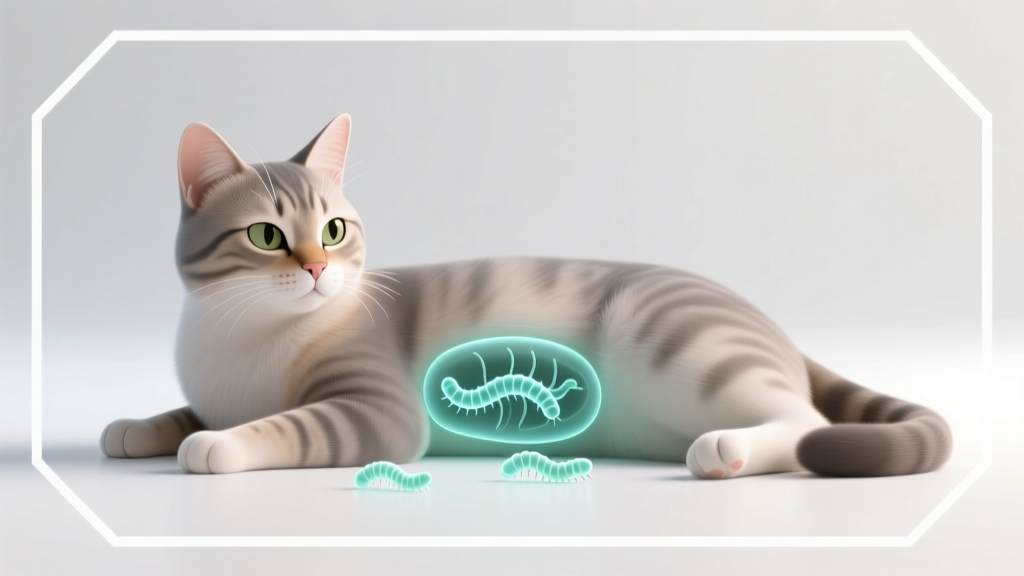
Most cat owners think of parasites as fleas, ticks, or intestinal worms. Liver flukes are less familiar, but they can quietly affect a cat’s liver and bile ducts over time. Clonorchis (often called the Chinese liver fluke) is one of those parasites that can cause chronic inflammation and bile duct problems, especially in cats that hunt or are fed raw freshwater fish. The good news is that clonorchiasis is both preventable and treatable with veterinary care.
If your cat has unexplained digestive issues, yellowing of the eyes or gums, or recurrent liver enzyme elevations on bloodwork, understanding this parasite can help you ask the right questions and protect your cat’s long-term health.
2. Overview: What is Cat Clonorchis infection?
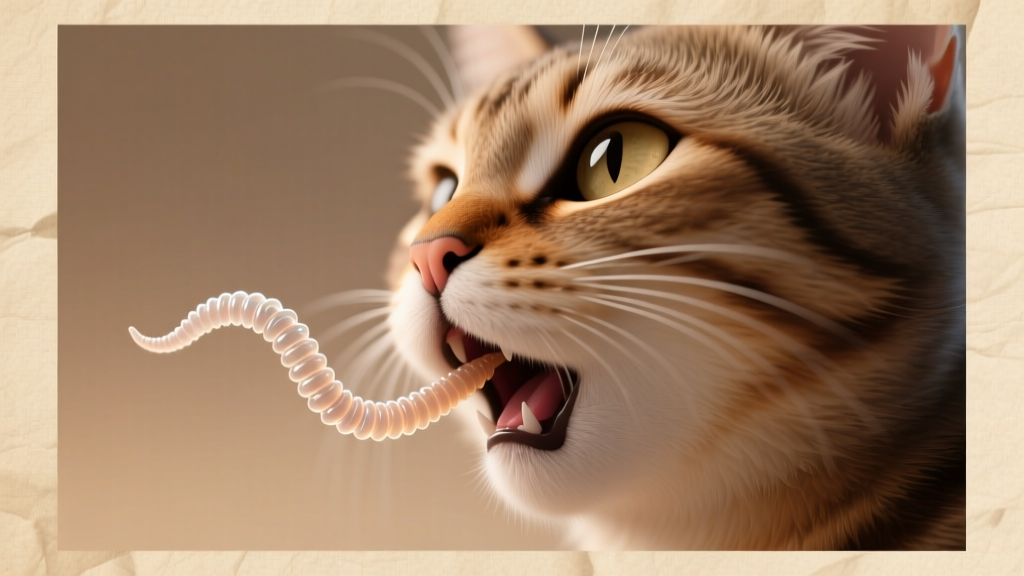
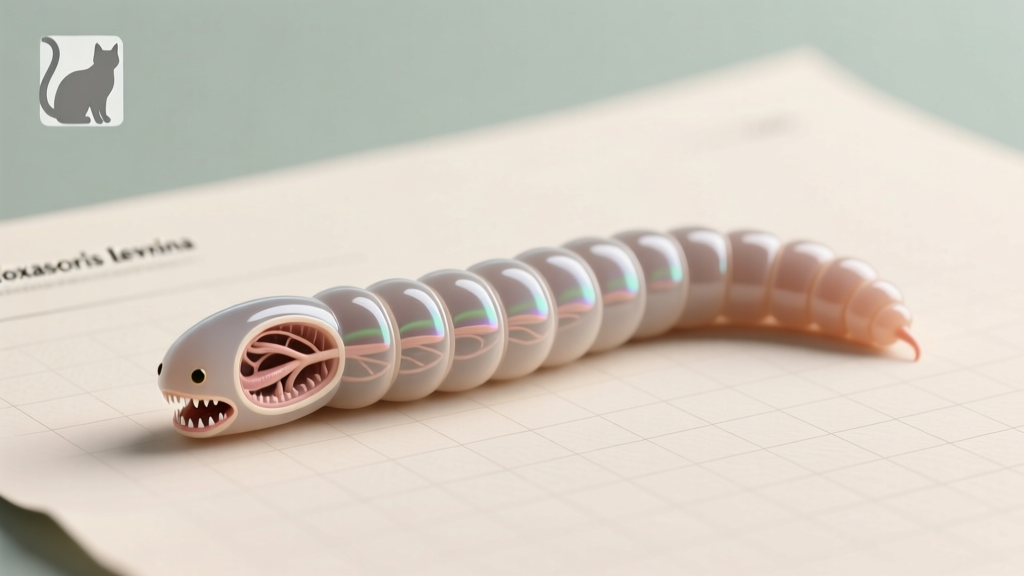
Clonorchis sinensis is a trematode (a type of flatworm/fluke) that lives primarily in the bile ducts—the small tubes that carry bile from the liver to the intestines. Cats become infected by eating raw or undercooked freshwater fish that contain immature flukes (metacercariae). Once swallowed, the parasite migrates to the bile ducts, where it matures and can live for a long time.
How it affects the body (plain language):
- The flukes irritate the lining of the bile ducts.
- This irritation can lead to inflammation, thickening, and scarring.
- Bile flow may become sluggish or blocked, which can contribute to digestive upset and jaundice (yellowing).
- Chronic cases can increase the risk of bile duct disease and secondary bacterial infections.
Clonorchis is more common in parts of Asia where it is endemic, but infections can appear anywhere there is exposure to contaminated freshwater fish, imported raw fish products, or travel. Not every infected cat becomes obviously ill right away—some are mild or silent carriers until the parasite burden increases or inflammation progresses.
3. Symptoms and warning signs to watch for
Signs can range from subtle to more obvious, and they often overlap with other liver and gastrointestinal conditions. Contact your veterinarian if you notice any of the following, especially if your cat has a history of hunting or eating raw fish.
- Reduced appetite or picky eating that’s new
- Weight loss or poor body condition
- Vomiting (intermittent or recurring)
- Diarrhea or softer stools
- Lethargy or decreased activity
- Abdominal discomfort (hiding, hunched posture, sensitivity when picked up)
- Increased thirst or changes in urination (can occur with systemic illness)
- Jaundice: yellow-tinged whites of the eyes, gums, or skin inside the ears
- Pale stools (less bile pigment reaching the intestines) or very dark urine
Practical at-home check today: In good lighting, gently lift your cat’s lip and look at the gums and the whites of the eyes. Any yellow tint warrants a prompt veterinary appointment.
4. Causes and risk factors
The core cause is ingestion of the infective parasite stage in freshwater fish. Risk depends heavily on lifestyle, diet, and geographic exposure.
- Eating raw or undercooked freshwater fish (home-prepared diets, treats, or “fresh catch”)
- Outdoor access and hunting (cats that catch fish or scavenge)
- Living in or traveling to endemic regions where Clonorchis is common
- Feeding raw fish-based diets without veterinary guidance or proper parasite risk controls
- Multi-pet households where one cat hunts and shares food bowls (risk is still primarily from fish ingestion, but shared exposures happen)
Important note for cat owners: Freezing or curing fish at home is not a reliable way to eliminate all parasite risks unless it follows validated, food-safety parasite-destruction standards. When in doubt, choose cooked diets or commercially prepared foods with established safety controls.
5. Diagnosis: What to expect at the vet
Because symptoms can mimic many liver and gastrointestinal problems, diagnosis usually involves a combination of history, lab tests, and imaging.
Your veterinarian may ask:
- Does your cat go outdoors or hunt?
- Any access to ponds, streams, or raw fish?
- What diet and treats are fed (including freeze-dried/raw products)?
- Any travel history or recent adoption/import?
Common diagnostic steps:
- Physical exam focusing on hydration, abdominal comfort, and signs of jaundice.
- Bloodwork (CBC and chemistry) to evaluate liver enzymes (ALT, AST, ALP, GGT), bilirubin, proteins, and signs of inflammation or anemia.
- Urinalysis to help interpret bilirubin and overall systemic health.
- Fecal testing (often a fecal sedimentation test) to look for fluke eggs. Eggs may not be present early on, and shedding can be intermittent, so repeated tests may be recommended.
- Abdominal ultrasound to assess the liver, gallbladder, and bile ducts. Findings can include bile duct thickening or dilation and changes consistent with cholangitis (bile duct inflammation).
- Bile or liver sampling in selected cases (fine-needle aspirate or biopsy) if diagnosis is unclear or if more serious disease is suspected.
If your cat is stressed during vet visits, ask about low-stress handling, gabapentin pre-visit medication, and strategies to reduce fear—calm cats allow more accurate exams and testing.
6. Treatment options (medical, surgical, home care)
Treatment depends on how sick your cat is, parasite burden, and whether there are complications like bile duct obstruction or secondary infection. Your veterinarian will tailor the plan to your cat’s needs.
Medical treatment
- Antiparasitic medication: Prescription drugs (commonly praziquantel-based protocols) are typically used to kill flukes. Dosage and schedule matter—follow your veterinarian’s instructions closely and complete the full course.
- Supportive liver care: Your vet may recommend liver-support medications or supplements (such as SAMe, silybin/silymarin, or ursodeoxycholic acid) based on bloodwork and ultrasound findings.
- Antibiotics: If cholangitis or bacterial infection is suspected, antibiotics may be prescribed.
- Antiemetics/appetite support: Medications to control nausea and improve appetite can help cats maintain calorie intake while healing.
- Fluids: Subcutaneous or IV fluids may be used if your cat is dehydrated or systemically ill.
Surgical or procedural treatment (less common)
- Addressing obstruction: If there is a significant bile duct or gallbladder obstruction (from inflammation, sludge, stones, or severe changes), referral to a specialty center may be needed for advanced procedures or surgery.
- Sampling/biopsy: Sometimes performed to clarify the diagnosis and guide treatment when imaging and fecal testing are inconclusive.
Home care you can provide
- Feed a consistent, vet-approved diet (often a highly digestible diet; in some cases a liver-support diet is recommended).
- Stop all raw fish and questionable treats immediately until your veterinarian advises otherwise.
- Give medications exactly as prescribed; set phone reminders and track doses.
- Monitor appetite, litter box habits, and energy daily and write it down to share with your vet.
- Reduce stress: Provide a quiet recovery area, keep routine stable, and ensure easy access to food, water, and litter.
Do not attempt over-the-counter dewormers without veterinary direction. Many common dewormers do not treat flukes, and incorrect dosing can delay proper care.
7. Prevention strategies and early detection tips
Prevention is primarily about controlling exposure to freshwater fish and keeping routine veterinary care on track.
- Avoid feeding raw or undercooked freshwater fish. If you want to offer fish, choose fully cooked fish in small amounts as an occasional treat, and discuss diet balance with your veterinarian.
- Keep cats indoors or supervise outdoor time to reduce hunting and scavenging.
- Use regular wellness visits: Annual (or twice-yearly for seniors) exams help catch subtle weight loss or early jaundice.
- Ask about screening if your cat has a risk history. Your vet may recommend periodic fecal testing or bloodwork.
- Promptly address recurring vomiting or appetite changes rather than waiting weeks—early evaluation can prevent progression of liver and bile duct disease.
Immediate action checklist:
- Stop raw fish and raw fish treats today.
- Schedule a vet appointment if your cat has ongoing GI signs or any yellow tint.
- Bring a list (or photos) of all foods/treats and supplements to your visit.
8. Prognosis and quality of life considerations
With timely diagnosis and appropriate antiparasitic treatment, many cats do well, especially when infection is caught before severe bile duct damage occurs. Cats with mild disease often regain appetite and energy once inflammation settles and liver function improves.
Prognosis becomes more guarded when there is:
- Long-standing infection with chronic bile duct scarring
- Significant obstruction of bile flow
- Secondary bacterial cholangitis
- Concurrent liver or pancreatic disease (cats can have overlapping “triaditis”: liver, pancreas, and intestinal inflammation)
Quality of life support may include long-term diet management, periodic bloodwork/ultrasounds, and medications that support bile flow and reduce nausea. Many cats live comfortably with ongoing monitoring when their care plan is consistent.
9. When to seek emergency veterinary care
Contact an emergency clinic or your veterinarian immediately if you notice:
- Marked jaundice (yellow eyes/gums), especially if worsening quickly
- Repeated vomiting or inability to keep water down
- Refusal to eat for 24 hours (or >12 hours for kittens or cats with known illness)
- Severe lethargy, collapse, or weakness
- Signs of pain (crying, hiding, hunched posture, rapid breathing, resisting touch)
- Dehydration (tacky gums, sunken eyes) or very dark urine
Cats can worsen quickly with liver and bile duct disease, and early supportive care (fluids, anti-nausea meds, pain control) can make a major difference.
10. FAQ: Common questions about Clonorchis in cats
Can indoor cats get Clonorchis?
Yes, though it’s less common. Indoor cats can be exposed through raw freshwater fish (home-prepared diets, raw treats, or shared food from fishing trips). Indoor-only living reduces risk, but diet choices still matter.
Is Clonorchis contagious from cat to cat?
Direct cat-to-cat spread is unlikely because infection typically requires eating infected freshwater fish. However, if multiple cats share the same risky food source (like raw fish), more than one can become infected. If one cat is diagnosed, ask your veterinarian whether other pets should be evaluated.
Can people catch Chinese liver fluke from a cat?
People are generally infected the same way cats are: by eating raw or undercooked freshwater fish containing the parasite. Routine hygiene (handwashing, safe food handling) is always wise. If you have concerns about household risk, discuss it with your veterinarian and your physician—especially if raw fish is part of the household diet.
Will regular deworming prevent liver flukes?
Not always. Many routine dewormers target roundworms and hookworms, not flukes. Some medications can treat flukes, but they must be used in the correct dose and schedule under veterinary guidance. If your cat is at risk, ask your vet specifically about fluke coverage.
How long does recovery take after treatment?
Parasite treatment can work quickly, but the liver and bile ducts may take weeks to months to fully settle, depending on the degree of inflammation. Your veterinarian may recommend recheck bloodwork and possibly repeat fecal testing to confirm improvement.
What should I feed my cat during recovery?
Follow your veterinarian’s diet recommendation. Many cats do best with a consistent, highly digestible diet and avoidance of fatty table foods. If appetite is poor, your vet may suggest warmed food, small frequent meals, or prescription recovery diets. Avoid changing foods repeatedly without guidance—stability helps sensitive GI systems.
If you suspect your cat could be at risk for Clonorchis infection, schedule an appointment with your veterinarian. Early diagnosis is the kindest path—both for comfort now and for protecting liver health long-term.
For more practical, vet-informed cat health guidance, visit catloversbase.com and explore our growing library of wellness and prevention resources.