How to Take Care of Baby Kitten Without Mother: The First 72 Hours Are Critical — A Step-by-Step Survival Guide Backed by Veterinary Neonatology Research
Why This Isn’t Just ‘Feeding a Tiny Cat’ — It’s Neonatal Emergency Care
If you’ve just found or taken in a newborn or very young kitten with no mother present, you’re facing one of the most time-sensitive caregiving challenges in feline medicine. How to take care of baby kitten without mother isn’t about convenience or preference — it’s about preventing hypothermia, aspiration pneumonia, sepsis, and failure-to-thrive syndrome within the first 72 hours. Unlike adult cats, neonatal kittens (0–4 weeks) cannot regulate their own body temperature, digest food without stimulation, or eliminate waste unassisted. Their immune systems are virtually nonexistent, and even minor delays in proper care can be fatal. In fact, according to the American Association of Feline Practitioners (AAFP), up to 30% of orphaned kittens under two weeks die without expert-level intervention — not from illness, but from preventable errors in thermal management and feeding technique.
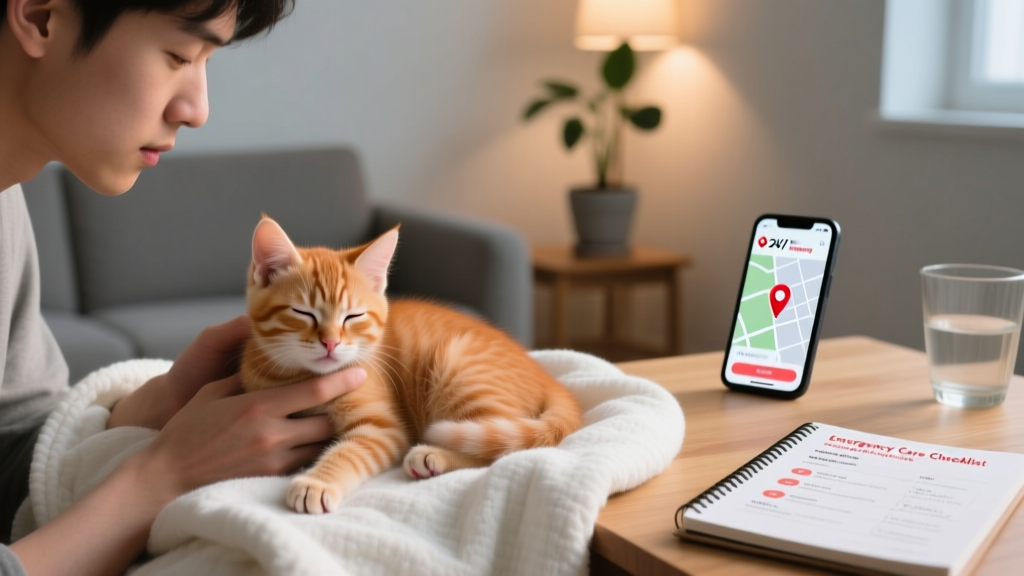
Phase 1: Stabilize — Warmth, Hydration & Immediate Assessment (First 30 Minutes)
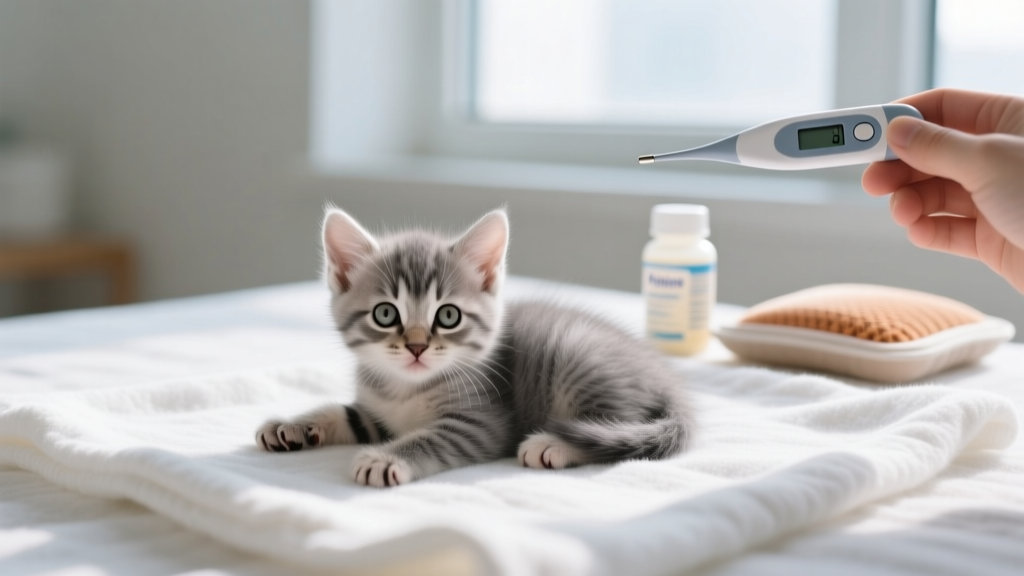
Before you reach for the bottle, pause: cold kittens cannot digest milk. Hypothermia is the #1 killer of orphaned neonates — and it’s often invisible until it’s too late. A kitten’s normal rectal temperature should be 95–99°F (35–37.2°C) at birth, rising to 100–102.5°F (37.8–39.2°C) by week two. Below 94°F? That’s a medical emergency requiring gradual rewarming — never direct heat, hot water bottles, or hair dryers.
Here’s your immediate stabilization protocol:
- Assess responsiveness: Gently stroke the kitten’s footpad. A healthy neonate will curl toes or flinch. No response? Check gum color (pink = good; pale/blue = shock/hypoxia).
- Check hydration: Pinch the skin over the scruff. If it stays tented >2 seconds, the kitten is severely dehydrated — oral rehydration solution (not milk!) is needed before any formula.
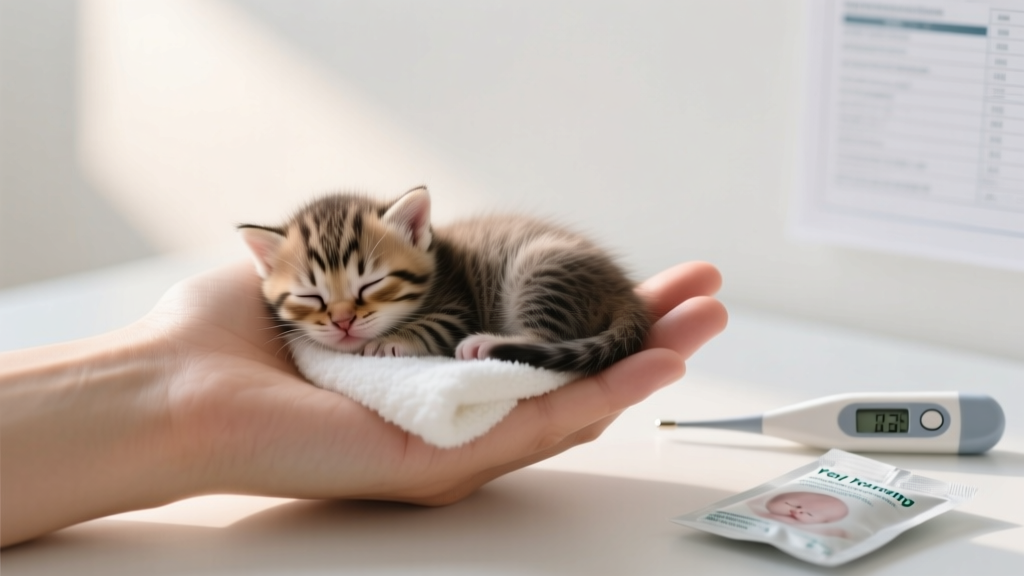
- Warm slowly: Place kitten on a towel-wrapped heating pad set to LOW (never high) inside a ventilated box, or use a microwavable rice sock (tested on your inner wrist first). Monitor rectal temp every 15 minutes — aim for 0.5°F rise per 10 minutes.
- Do NOT feed yet: Feeding a cold or dehydrated kitten risks aspiration, bloat, and sudden death. Wait until temp is ≥96°F and gums are moist and pink.
Dr. Sarah Wooten, DVM and clinical advisor for the Winn Feline Foundation, emphasizes: “I’ve seen more kittens lost to rushed feeding than to starvation. Rewarming isn’t optional — it’s the foundation of everything that follows.”
Phase 2: Feed & Stimulate — Precision Nutrition and Elimination Support
Once stabilized, feeding begins — but this is where most well-intentioned caregivers fail. Cow’s milk, human baby formula, and homemade recipes cause severe diarrhea, dehydration, and malnutrition. Neonatal kittens require species-specific nutrition with precise fat-protein ratios, taurine, and prebiotics.
Formula Selection: Use only commercial kitten milk replacer (KMR® or similar). Powdered versions are preferred over liquid (less risk of bacterial growth). Mix fresh daily, refrigerate unused portions ≤24 hrs, and always warm to 98–100°F (test on your wrist — like breastmilk).
Feeding Mechanics:
- Bottle size: Use 1–3 mL syringes with soft rubber nipples (not droppers — too fast, too risky).
- Position: Hold kitten belly-down, slightly inclined (like nursing), never on its back.
- Pace: Feed slowly — 1 mL per minute max. Watch for swallowing, not gulping. Pause every 0.5 mL to burp gently.
- Volume: Follow weight-based guidelines (see table below). Overfeeding causes regurgitation and aspiration.
Crucially: Kittens cannot urinate or defecate without stimulation. For the first 3 weeks, you must mimic the mother’s licking using a warm, damp cotton ball or soft tissue. Stroke the genital and anal area gently for 30–60 seconds before and after each feeding — until urine and stool appear. No output after 2 feeds? Contact a vet immediately — constipation or urinary blockage can kill within hours.
| Age Range | Feeding Frequency | Formula Volume per Feed | Critical Developmental Milestones | Red Flags Requiring Vet Visit |
|---|---|---|---|---|
| 0–1 week | Every 2–3 hours (including overnight) | 2–4 mL per 100g body weight | Eyes closed; ears folded; rooting reflex strong; weight gain ≥7g/day | No stool/urine in 24 hrs; lethargy; weak suckle; blue gums; weight loss >5% in 24 hrs |
| 1–2 weeks | Every 3–4 hours | 5–7 mL per 100g | Eyes begin opening (days 7–14); ear canals open; begins crawling | Sudden refusal to feed; green/yellow diarrhea; labored breathing; tremors |
| 2–3 weeks | Every 4–6 hours | 8–10 mL per 100g | Eyes fully open; begins righting reflex; attempts standing; teeth erupt (incisors) | Fever (>103°F); blood in stool; vomiting; inability to hold head up |
| 3–4 weeks | Every 6–8 hours; introduce gruel | 10–12 mL per 100g + wet food slurry | Walking confidently; social play emerges; begins grooming self; weaning starts | Failure to gain weight for 48+ hrs; persistent sneezing/coughing; eye/nasal discharge |
Phase 3: Prevent Disease — Sanitation, Monitoring & Early Intervention
Orphaned kittens lack maternal antibodies (IgA) from colostrum, making them vulnerable to pathogens that wouldn’t faze an older cat. A single contaminated feeding tube or unwashed hand can trigger fatal sepsis.
Your sanitation non-negotiables:
- Hand hygiene: Wash hands with soap and water for 20+ seconds before and after every interaction — no exceptions.
- Equipment sterilization: Boil bottles, nipples, and syringes for 5 minutes between uses. Replace nipples every 24 hrs.
- Environment: Use disposable bedding (paper towels or vet wrap) changed after every elimination. Avoid carpet, cloth, or wood surfaces — they harbor bacteria.
- Isolation: Keep orphaned kittens separate from other pets and children for at least 14 days — even if asymptomatic.
Monitor daily for subtle signs of illness — early detection saves lives. Track weight daily (use a digital gram scale — kitchen scales lack precision). A healthy kitten should gain 5–10g per day. Sudden plateau or decline? That’s your earliest red flag.
Also watch for:
- Gastrointestinal distress: Diarrhea lasting >12 hrs warrants probiotic supplementation (e.g., FortiFlora® for kittens) and vet consult — not home remedies.
- Respiratory changes: Sneezing, nasal discharge, or rapid breathing may indicate upper respiratory infection (URI), commonly caused by feline herpesvirus or calicivirus. These are highly contagious and require antiviral support.
- Ocular issues: Swollen, sealed, or pus-filled eyes need immediate ophthalmic antibiotic ointment (e.g., Terramycin®) — untreated, they can lead to blindness.
A 2022 study published in the Journal of Feline Medicine and Surgery found that kittens receiving daily weight tracking and environmental pathogen control had a 68% higher survival rate through weaning than those without structured monitoring.
Phase 4: Socialization & Weaning — Building Resilience Beyond Survival
Survival is step one — thriving is step two. Kittens raised without mothers miss critical social learning: bite inhibition, litter box use, play signals, and human trust. Missing this window (weeks 2–7) leads to lifelong fear, aggression, or inappropriate suckling behaviors.
Start socialization at Day 10: Once eyes are open and mobility improves, introduce gentle handling — 5–10 minutes, 3x/day. Let them explore safe, confined spaces with low-height ramps and soft toys. By week three, add supervised play with littermates (if available) or stuffed animals with tails to encourage pouncing and biting.
Weaning begins at week three but must be gradual:
- Week 3: Offer KMR mixed 50/50 with high-quality wet kitten food (no dry kibble — choking hazard).
- Week 4: Transition to thicker gruel; offer shallow dish for lapping. Still supplement with bottle 2x/day.
- Week 5–6: Reduce bottle feeds; increase wet food variety (rotate proteins: chicken, turkey, fish). Introduce shallow litter box with non-clumping, dust-free litter.
Never force weaning — if kitten refuses gruel for 48 hrs, revert to bottle and try again in 3 days. Stress-induced anorexia is common and dangerous.
Frequently Asked Questions
Can I use goat’s milk or soy milk instead of kitten formula?
No — absolutely not. Goat’s milk lacks sufficient taurine and has imbalanced calcium-phosphorus ratios, leading to skeletal deformities and heart disease. Soy milk contains phytoestrogens that disrupt endocrine development and causes severe osmotic diarrhea. A 2019 Cornell Feline Health Center review confirmed that non-formula milk substitutes result in 92% mortality before weaning. Only use FDA-approved kitten milk replacers.
How do I know if my kitten is getting enough to eat?
Track daily weight gain (aim for 5–10g/day), observe belly fullness (should be gently rounded, not tight or sunken), and check for regular, mustard-yellow stools 1–3x/day. A well-fed kitten sleeps soundly between feeds and roots actively when offered the bottle. If stools become pale, frothy, or watery — or if kitten cries constantly and latches weakly — reassess volume, temperature, and formula freshness.
What should I do if the kitten won’t suckle?
First, rule out pain or illness: check mouth for cleft palate or ulcers, feel for abdominal distension, and confirm temperature is ≥96°F. If healthy, try warming the formula slightly more (to 100°F), switching to a smaller nipple hole, or gently stroking the muzzle to trigger rooting. If still refusing after 2 attempts, consult a vet — esophageal reflux or neurological issues may be present. Never force-feed via syringe into the cheek — aspiration risk is extremely high.
When should I take the kitten to the vet?
Go immediately for: rectal temp <94°F or >104°F; no stool/urine for >24 hrs; blood in stool/vomit; labored breathing; seizures; inability to lift head; or weight loss >10% in 24 hrs. Schedule a wellness visit by Day 7 for deworming (kittens are almost always born with roundworms), fecal exam, and baseline vaccination planning (first FVRCP at 6 weeks).
Can I raise a single orphaned kitten alone?
You can — but it’s significantly riskier. Singletons often develop ‘wool-sucking’ or excessive suckling on blankets, fingers, or themselves due to unmet oral needs. They also lack bite inhibition practice, increasing aggression risk later. If possible, foster with another orphaned kitten of similar age. If not, provide abundant oral enrichment: soft plush toys, food puzzles filled with gruel, and scheduled ‘nursing’ sessions with a warm bottle (even if eating solids) to fulfill comfort needs.
Common Myths Debunked
Myth 1: “Just feed them every few hours and they’ll be fine.”
Reality: Timing is meaningless without correct temperature, hydration, positioning, and stimulation. Feeding a cold, dehydrated kitten is more dangerous than skipping a feed.
Myth 2: “If they’re crying, they’re hungry — so feed them more.”
Reality: Crying signals distress — which could mean pain, cold, constipation, or infection. Overfeeding causes aspiration, bloat, and fatal diarrhea. Always assess temperature, hydration, and elimination first.
Related Topics (Internal Link Suggestions)
- Kitten Vaccination Schedule — suggested anchor text: "when to vaccinate orphaned kittens"
- Signs of Kitten Distress — suggested anchor text: "kitten emergency warning signs"
- Homemade Kitten Formula (Safe Options) — suggested anchor text: "emergency kitten milk recipe vet-approved"
- How to Wean Kittens Properly — suggested anchor text: "step-by-step kitten weaning guide"
- Finding a Kitten-Savvy Veterinarian — suggested anchor text: "feline specialist near me"
Conclusion & Next Steps
Taking care of a baby kitten without mother is equal parts science, vigilance, and compassion — but it’s entirely possible with the right knowledge and tools. You now have a vet-informed, hour-by-hour framework grounded in neonatal physiology, not folklore. Your next step? Print the Care Timeline Table above, grab a gram scale and KMR powder, and schedule a vet visit within 48 hours — even if the kitten seems perfect. Early diagnostics (fecal float, weight curve analysis, and physical exam) catch hidden issues before they escalate. And remember: every gram gained, every clean stool passed, every purr you earn is proof you’re not just keeping them alive — you’re giving them a future. You’ve got this.