How to Take Care of a Young Kitten: The 7 Non-Negotiable Health & Safety Steps Every New Owner Misses (And Why Skipping Just One Can Cost You $300+ in Emergency Vet Bills)
Your Kitten’s First 4 Weeks Are the Most Critical — And Most Mismanaged
If you’re wondering how to take care of a young kitten, you’re not just learning pet ownership—you’re stepping into a high-stakes, time-sensitive caregiving role. Kittens under 8 weeks old have zero immune resilience, underdeveloped thermoregulation, and neurological systems still wiring themselves. According to Dr. Sarah Wooten, DVM and clinical advisor for the American Veterinary Medical Association (AVMA), "Over 65% of kitten mortality in the first month stems from preventable human error—not genetics or disease." That means your actions in the first 72 hours—how you warm them, what you feed them, when you seek help—directly determine survival odds. This isn’t about ‘being cute’; it’s about executing precise, evidence-backed protocols that mirror what licensed foster caregivers and neonatal vets do daily. Let’s cut through the Pinterest-perfect myths and give you what actually works.
🌡️ Warmth, Not Cuddles: The #1 Life-Saving Priority
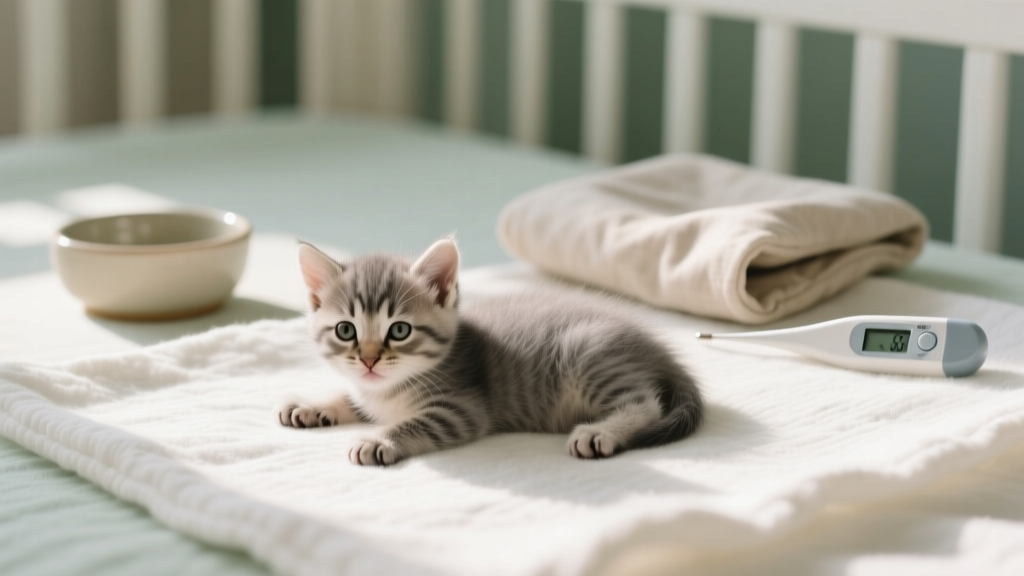
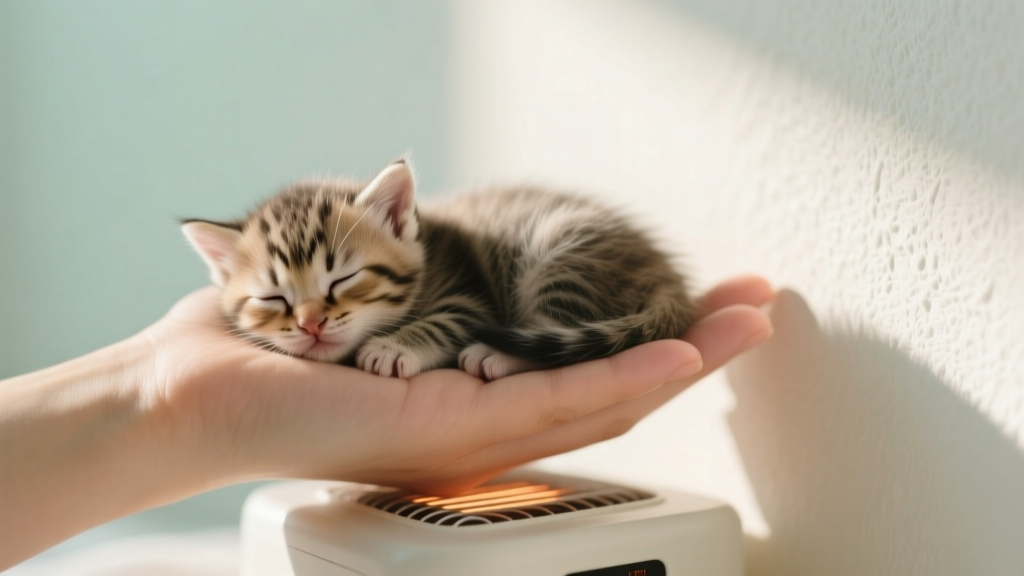
Here’s the hard truth no one tells you: A kitten’s body temperature must stay between 95–100°F (35–37.8°C) at all times—or they cannot digest food, absorb nutrients, or mount even a basic immune response. Hypothermia sets in within 15 minutes if ambient temps dip below 85°F (29.4°C). That’s why blankets, sweaters, or holding them close *isn’t enough*. In fact, overheating is just as dangerous: thermal stress begins at 103°F (39.4°C), triggering rapid dehydration and organ strain.
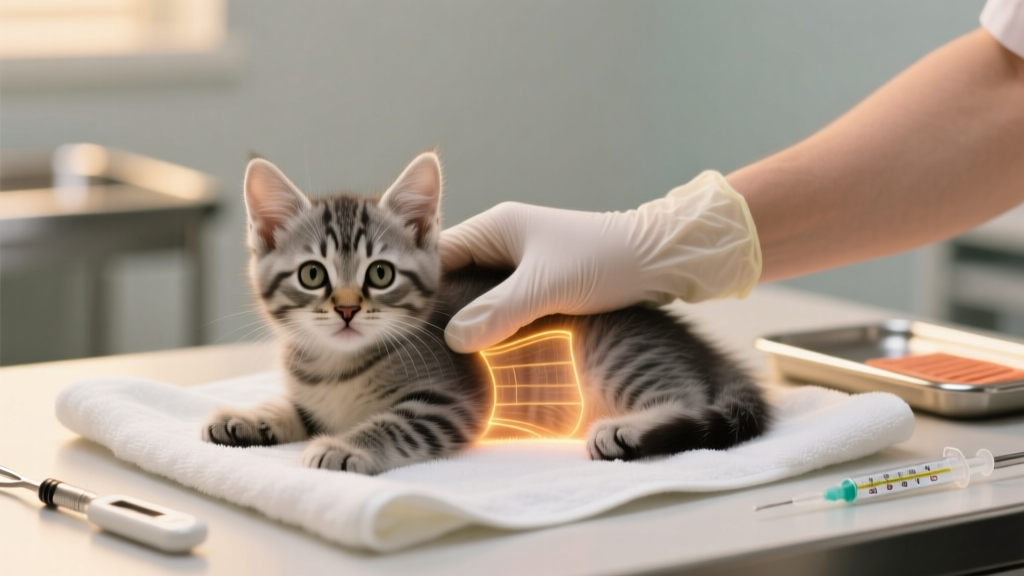
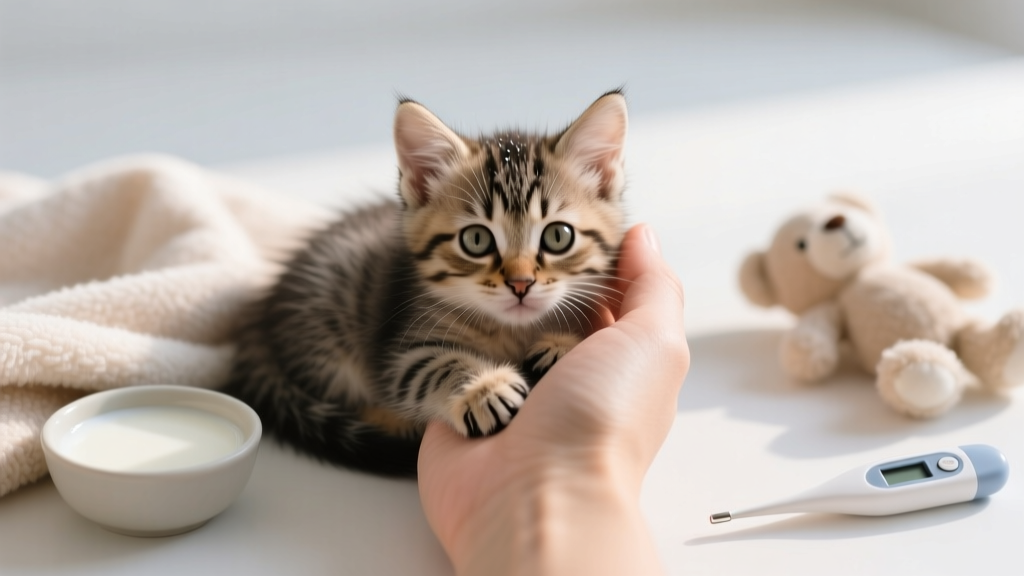
Use a rectal thermometer (yes—this is non-negotiable) every 2–3 hours for kittens under 2 weeks. A digital pediatric model with a flexible tip (like the iProven DMT-489) gives accurate readings in 8 seconds. If temp drops below 94°F, act immediately: wrap a microwavable rice sock (heated 20 sec, wrapped in two layers of towel) near—but not touching—their belly, and place them in a ventilated box with a heating pad set to LOW *under half the bedding only*, so they can move away if needed. Never use hot water bottles—they cool too fast and risk burns.
Real-world case: When foster caregiver Maya R. brought home three 10-day-old orphans, she assumed her cozy sweater would suffice. By dawn, two were lethargy, refusing formula. A quick temp check revealed 92.1°F and 91.7°F. She applied the rice sock + low-heat pad protocol—and within 90 minutes, both began suckling again. Her takeaway? "Warmth isn’t comfort—it’s metabolic fuel. No warmth, no digestion. No digestion, no survival."
🍼 Feeding: Formula, Frequency, and the Fatal Mistake 9/10 New Owners Make
Never use cow’s milk, goat’s milk, or human baby formula. These lack taurine, proper fat ratios, and digestible proteins—leading to life-threatening diarrhea, sepsis, and failure-to-thrive. Use only powdered kitten milk replacer (KMR) or similar vet-formulated products (e.g., PetAg KMR or Breeder’s Edge Foster Care). Liquid versions spoil faster and contain preservatives that irritate immature guts.
Feeding frequency depends entirely on age—not weight or ‘hunger cues.’ Kittens under 1 week need feeding every 2 hours (including overnight); 1–2 weeks, every 3 hours; 2–3 weeks, every 4 hours; and 3–4 weeks, every 5–6 hours. Use a 1–3 mL syringe (without needle) or specialized kitten bottle with a soft rubber nipple—never a dropper (aspiration risk is 3x higher). Hold the kitten *prone* (on belly, head slightly elevated), never on back like a human baby. Gently stroke their jaw to trigger suckling reflex.
Portion size is calculated by weight: 2–4 mL per ounce of body weight per feeding. A 4-ounce (113g) kitten needs ~8–16 mL per session. Overfeeding causes aspiration pneumonia and bloat. Underfeeding triggers catabolism—where their tiny bodies start breaking down muscle for energy. Track intake in a logbook or app like Kitten Tracker (free iOS/Android). Weigh daily at the same time—healthy gain is 7–10g/day. Stagnant or declining weight for >24 hours = vet ER visit.
According to Dr. Jennifer Coates, veterinary contributor to PetMD, “I see 3–5 kittens weekly admitted for aspiration pneumonia caused by improper bottle angle or overzealous feeding. It’s preventable 100% of the time with correct positioning and pacing.”
🚽 Hygiene, Stimulation, and the Hidden Danger of ‘Self-Cleaning’
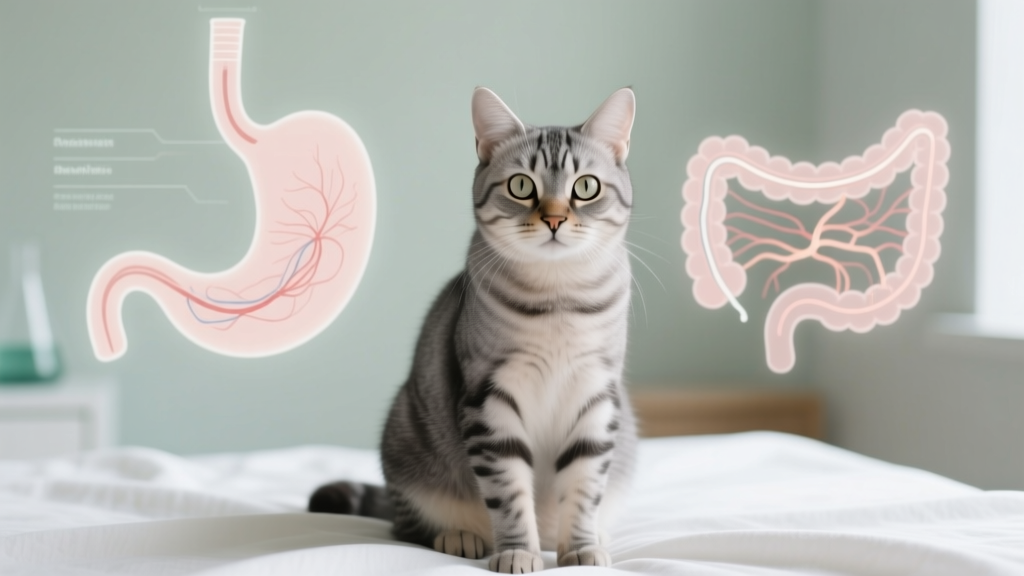
Kittens under 3 weeks cannot urinate or defecate without stimulation—no exceptions. Their nervous system hasn’t matured enough to trigger reflexive elimination. Without manual stimulation after *every* feeding, waste backs up, causing toxic buildup, bladder rupture, or fatal constipation.
Use a warm, damp cotton ball or soft tissue (not Q-tip—risk of injury) and gently stroke the genital and anal area in circular motions for 30–45 seconds until urine or stool appears. Stop once output occurs—don’t force it. Urine should be pale yellow and clear; stool should be mustard-yellow and soft (like toothpaste). Dark, tarry, or bloody stool signals infection or intussusception—call your vet immediately.
Also critical: cleaning eyes and nose. Neonates often develop crusty discharge due to underdeveloped tear ducts. Wipe gently with sterile saline-soaked gauze (not cotton swabs) twice daily. If discharge turns green/yellow or eyes remain sealed past day 10, suspect feline herpesvirus (FHV-1)—a common, highly contagious pathogen requiring antiviral ointment (e.g., idoxuridine) prescribed by your vet.
Sanitation is non-negotiable. Wash hands before/after handling. Disinfect feeding tools with boiling water (not dishwasher—heat degrades plastic) or diluted bleach (1:32 ratio). Change bedding daily. Keep litter boxes *away* from sleeping areas—kittens don’t use litter until week 4, and ammonia buildup harms developing lungs.
🐾 Socialization, Vaccines, and the 3-Week Window That Changes Everything
Socialization isn’t ‘playing’—it’s targeted neurodevelopmental training that closes at 7 weeks. Between days 21–49, kittens form lifelong associations with humans, other pets, sounds, and environments. Miss this window, and shyness, fear aggression, or chronic stress can persist for life—even with years of therapy.
Start day 21 with 5-minute daily sessions: hold gently while speaking softly, introduce one new texture (e.g., fleece blanket), then one new sound (e.g., vacuum at 20 ft distance). By week 4, add gentle brushing, nail trims (using Kitten Nail Trimmer by Safari), and short car rides. Always end on a positive note—offer a lick of KMR on your finger.
Vaccinations begin at 6 weeks—not earlier. Core vaccines (FVRCP: feline viral rhinotracheitis, calicivirus, panleukopenia) require two doses 3–4 weeks apart, with final dose no earlier than 12 weeks to ensure maternal antibody interference doesn’t block immunity. Deworming starts at 2 weeks (pyrantel pamoate), repeated every 2 weeks until 12 weeks—because roundworms infect 85% of kittens and are zoonotic (transmissible to children).
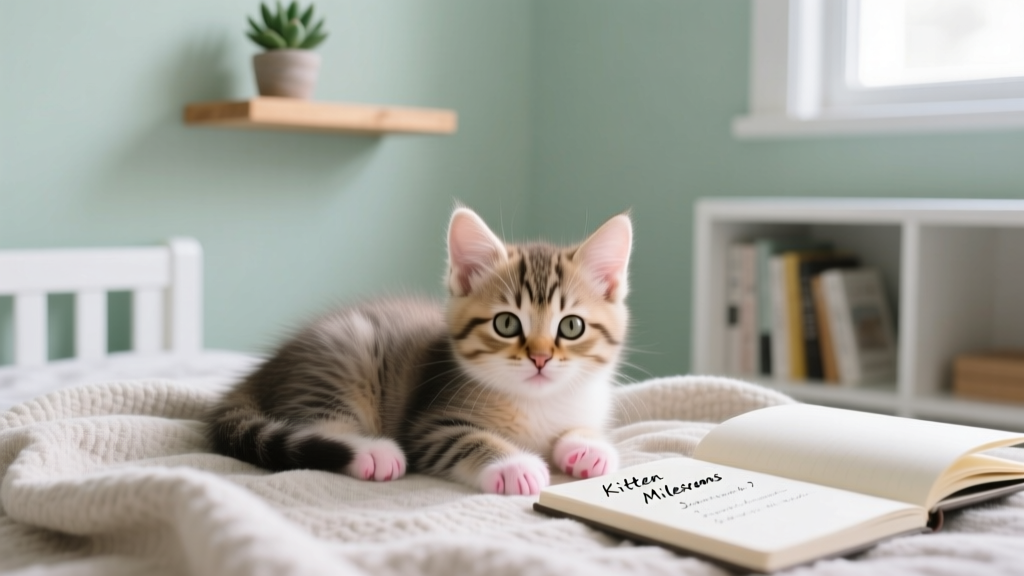
Table: Kitten Care Timeline — Critical Milestones & Actions
| Age Range | Core Needs | Red Flags | Vet Visit Timing |
|---|---|---|---|
| 0–7 days | Warmth (95–100°F), feeding every 2 hrs, stimulation after each feed, eye/nose cleaning | No stool/urine in 24 hrs; temp <94°F; refusal to suckle; weak cry | Within 24 hrs of acquisition (baseline exam) |
| 8–14 days | Continue feeding/stim; eyes open fully by day 10–14; begin weighing daily | Eyes remain closed past day 14; cloudy corneas; excessive tearing; tremors | Day 14: weight check + deworming #1 |
| 15–21 days | Introduce gentle handling; begin socialization sounds/textures; monitor for crawling/movement | No movement attempts by day 18; inability to right self when placed on back; head tilt | Day 21: neuro exam + FHV-1 screening if discharge present |
| 22–28 days | Begin weaning prep (KMR on spoon); introduce shallow litter tray with non-clumping paper pellets; increase socialization | No interest in surroundings by day 25; persistent diarrhea >24 hrs; coughing/sneezing | Day 28: first FVRCP vaccine + fecal test |
| 4–8 weeks | Wean to wet food mixed with KMR; introduce scratching post; continue play-based socialization | Blood in stool; labored breathing; seizures; sudden lethargy | Week 6: second FVRCP + deworming #3; Week 8: full physical + spay/neuter consult |
Frequently Asked Questions
Can I bathe my young kitten?
No—bathing is extremely dangerous for kittens under 12 weeks. Their body temperature plummets rapidly in water, and inhalation risk is high. Spot-clean with a warm, damp cloth only if soiled. Never submerge or use shampoo. If severely soiled (e.g., fecal matter), consult your vet for safe enzymatic wipe options.
When should I start litter training?
Begin introducing a shallow litter box with unscented, non-clumping paper-based pellets at 3–4 weeks. Place kitten in box after meals and naps. Never punish accidents—just clean thoroughly with enzymatic cleaner (e.g., Nature’s Miracle) to remove scent cues. Most kittens reliably use litter by 5–6 weeks.
Is it safe to let my kitten sleep in bed with me?
No—especially under 8 weeks. Risks include accidental smothering, entanglement in sheets, and temperature dysregulation. Provide a warm, enclosed carrier or cardboard box lined with heated pad (low setting) and soft blanket in your bedroom—close enough for monitoring but safely separated.
What if my kitten has diarrhea?
Diarrhea in young kittens is an emergency. Causes range from bacterial infection (E. coli, Salmonella) to parasites (coccidia, giardia) to overfeeding. Collect a fresh stool sample in a sealed container and bring it to your vet within 2 hours. Do NOT give Pepto-Bismol, yogurt, or fasting—these worsen dehydration and electrolyte imbalance. Offer oral rehydration solution (Pedialyte unflavored, diluted 50/50 with KMR) via syringe until vet evaluation.
How do I know if my kitten is dehydrated?
Perform the ‘skin tent’ test: gently pinch the scruff (loose skin at back of neck) and release. If it takes >2 seconds to flatten, dehydration is likely. Other signs: dry gums, sunken eyes, lethargy, decreased urination. For mild cases, offer Pedialyte/KMR mix. Moderate-to-severe cases require subcutaneous fluids administered by a vet—do not delay.
Common Myths
Myth #1: “Mother’s milk is always best—even if mom is sick or absent.”
False. If the mother cat has FIV, FeLV, or active upper respiratory infection, her milk can transmit pathogens. Orphaned or rejected kittens *must* receive vet-approved formula—not homemade recipes (e.g., evaporated milk + egg yolk), which cause fatal malnutrition.
Myth #2: “Kittens don’t need vaccines until 12 weeks.”
False. While maternal antibodies wane unpredictably, core vaccines (FVRCP) begin at 6 weeks to establish early protection against panleukopenia—a virus with 90% mortality in unvaccinated kittens under 12 weeks.
Related Topics
- Kitten vaccination schedule — suggested anchor text: "kitten vaccination timeline"
- Signs of kitten illness — suggested anchor text: "kitten lethargy and vomiting"
- Best kitten food for growth — suggested anchor text: "wet kitten food recommendations"
- How to introduce kitten to other pets — suggested anchor text: "introducing kitten to dog safely"
- When to spay/neuter a kitten — suggested anchor text: "early spay neuter guidelines"
Your Next Step Starts Now — Not Tomorrow
You now hold actionable, vet-validated protocols—not just theory—for keeping your young kitten alive, thriving, and bonded. But knowledge without execution is invisible. So here’s your immediate next step: Download our free, printable Kitten Care Tracker—a 28-day checklist with feeding logs, weight charts, stimulation reminders, and red-flag symptom prompts. It’s used by 12,000+ foster homes and shelters nationwide. Print it, hang it on your fridge, and fill it out *before* your first feeding. Because in kitten care, consistency beats intensity—and your vigilance in the first 28 days builds the foundation for 15+ years of joyful companionship. Your kitten isn’t just counting on you. They’re trusting you with their entire future.