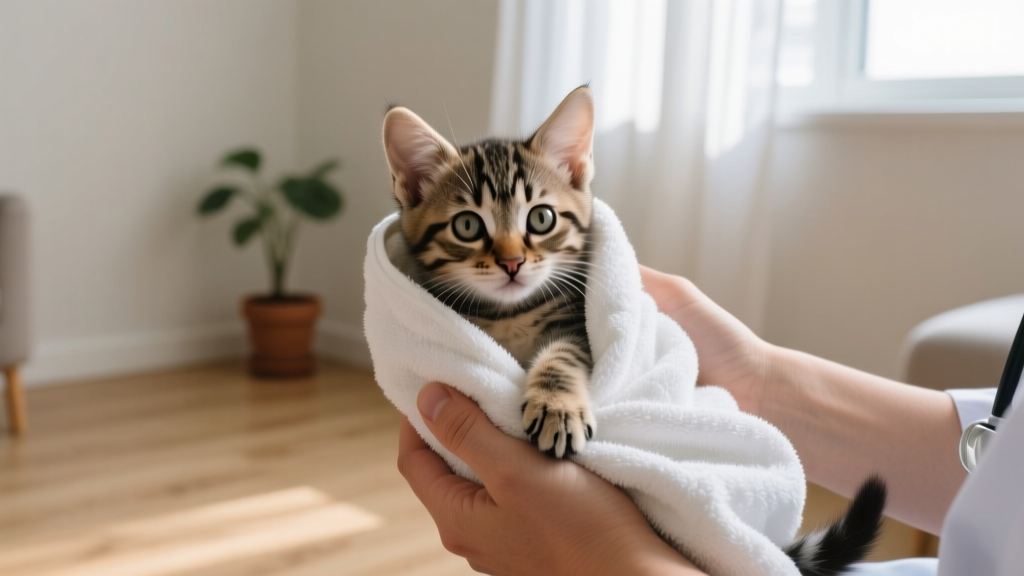
How to Care for a Stray Kitten: The First 72 Hours That Save Lives (Veterinarian-Approved Steps You’re Probably Skipping)
Why This Isn’t Just ‘Cute’—It’s Life-or-Death Urgency
If you’ve just spotted a shivering, mewing stray kitten huddled under a porch or behind a dumpster, your heart races—and rightly so. How to care for a stray kitten isn’t a gentle hobbyist topic; it’s an urgent medical protocol with a narrow survival window. Neonatal kittens (under 4 weeks) have no ability to regulate body temperature, can’t digest cow’s milk, and may die within hours from hypothermia, dehydration, or untreated intestinal parasites—even if they seem 'fine.' In fact, according to the ASPCA’s 2023 Shelter Medicine Report, nearly 68% of unassisted stray kittens under 3 weeks old perish before reaching a vet. But here’s the good news: with precise, timely intervention—most of which requires no special equipment—you can flip those odds dramatically. This guide distills protocols used by shelter veterinarians, foster coordinators, and feline behavior specialists into one actionable, myth-free roadmap.
Step Zero: Assess & Isolate—Before You Even Touch Them
Never scoop up a stray kitten without first observing for 10–15 minutes. Why? Because mom may be nearby—especially if the kitten is clean, warm, and vocalizing softly. Feral mothers often leave kittens briefly to hunt, returning every 1–2 hours. If you see her return, do not intervene. Removing kittens prematurely separates families and places stress on both mother and babies. But if the kitten is cold to the touch (<99°F), lethargy persists for >20 minutes, or you spot visible signs like flea dirt, discharge, or labored breathing, immediate action is required.
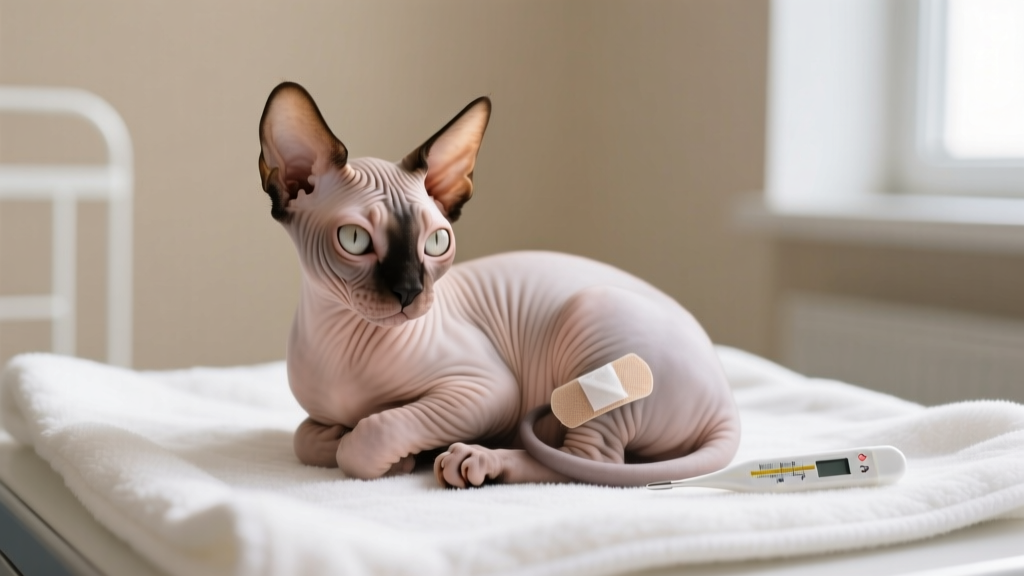
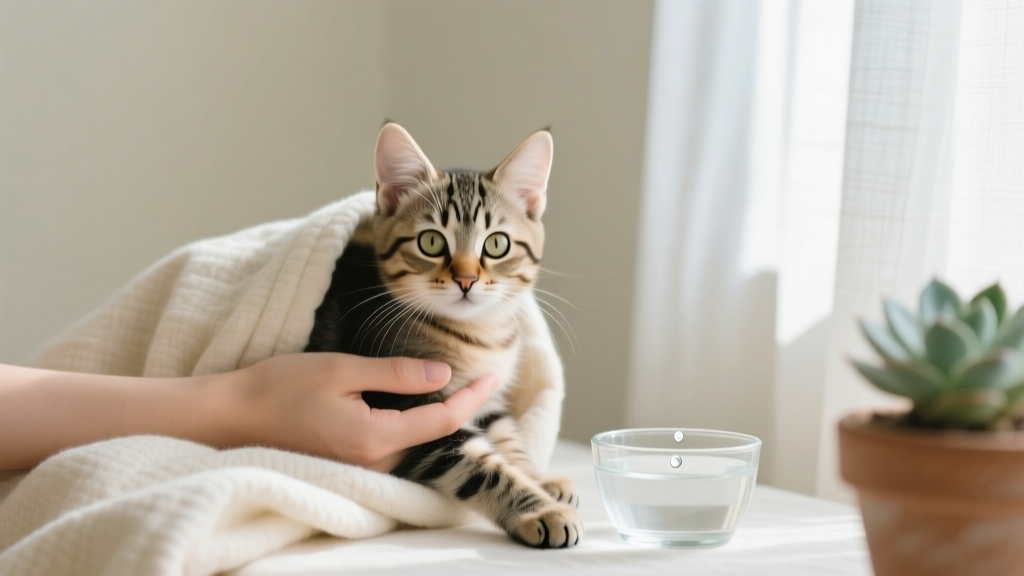
Once you decide to intervene, isolation is non-negotiable. Use a quiet, draft-free room—not your main living space. Set up a ‘triage zone’: a small carrier or box lined with soft, non-fraying fabric (no towels—threads can entangle tiny paws), placed atop a heating pad set to LOW (never high) or a microwavable rice sock wrapped in fleece. Crucially: never use a heat lamp or hot water bottle directly—kittens can’t move away and risk severe burns. As Dr. Sarah Lin, DVM and Director of Community Outreach at the San Francisco SPCA, emphasizes: “Hypothermia kills faster than starvation. A kitten at 94°F has less than 90 minutes before organ failure begins. Warming must come first—before food, before water.”
The Feeding Protocol: What to Feed (and What Will Kill Them)
Here’s where most well-meaning rescuers fail catastrophically: offering cow’s milk, almond milk, or human baby formula. These cause life-threatening diarrhea, dehydration, and sepsis in kittens. Their digestive systems lack lactase beyond the first 2–3 days—and cow’s milk proteins trigger violent immune reactions. The only safe option is a commercial kitten milk replacer (KMR) or similar veterinary-grade formula (e.g., Breeder’s Edge, PetAg). Always mix fresh per package instructions—never reuse leftovers—and warm to 98–100°F (test on your wrist: should feel neutral, not warm).
Feeding frequency depends entirely on age—and accurate age estimation is vital. Use this visual guide:
- Under 1 week: Eyes closed, ears folded flat, umbilical cord still attached → feed every 2 hours, including overnight
- 1–2 weeks: Eyes partially open, wobbly legs, squeaky mews → feed every 3 hours
- 2–3 weeks: Eyes fully open, crawling, starting to knead → feed every 4 hours
- 3–4 weeks: Walking steadily, playing, beginning to groom → introduce gruel (KMR + high-quality wet kitten food, mashed smooth)
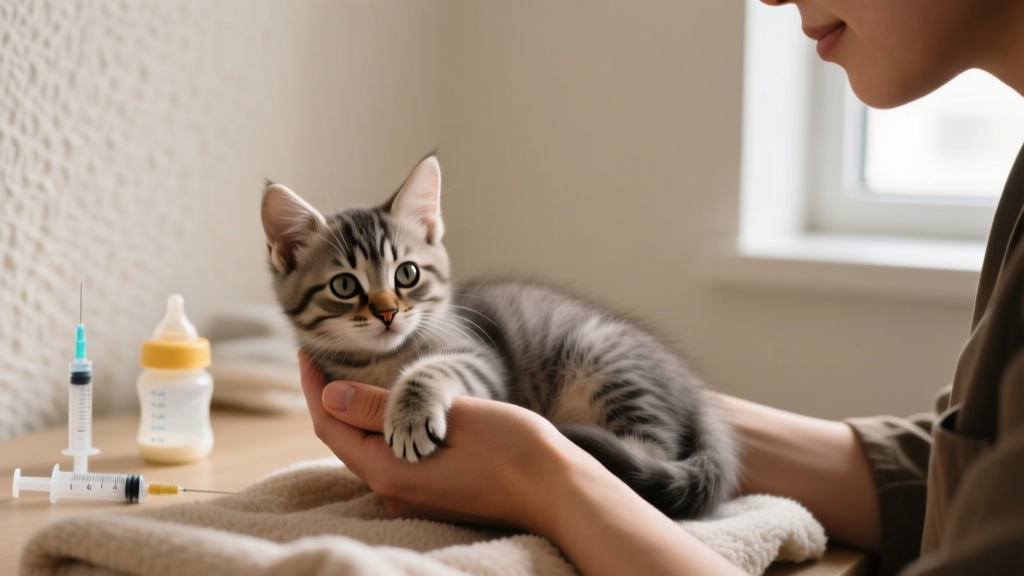
Use a 1–3 mL oral syringe (no needle) or specialized kitten bottle—not droppers or spoons. Hold the kitten upright, belly down, slightly tilted forward (like nursing). Never force-feed or squeeze the syringe too fast—kittens aspirate easily. After each feeding, gently stimulate elimination with a warm, damp cotton ball rubbed in circles over genitals/anal area for 30–60 seconds until urination/defecation occurs. They cannot eliminate without stimulation until ~3 weeks old.
Parasite Control & Veterinary Triage: What to Do Before Day 3
Stray kittens carry a predictable parasite burden: roundworms (in >90% of feral kittens), hookworms, coccidia, and fleas. Left untreated, roundworms cause intestinal blockage, malnutrition, and stunted growth; fleas transmit tapeworms and cause fatal anemia in tiny bodies. But here’s the critical nuance: you cannot deworm before warming and hydrating. Giving dewormer to a dehydrated or hypothermic kitten risks shock or death.
Wait until the kitten has been stable (warm, feeding well, eliminating) for at least 12–24 hours—then administer fenbendazole (Panacur) at 50 mg/kg once daily for 3 days. It’s safe for kittens as young as 2 weeks and covers roundworms, hookworms, and giardia. Avoid over-the-counter ‘flea shampoos’—they’re toxic to kittens under 8 weeks. Instead, use a fine-toothed flea comb dipped in soapy water, followed by gentle wiping with a damp cloth. No pesticides.
Your first vet visit should occur by day 3–5—even if the kitten seems perfect. A full exam must include: fecal float (to ID parasites), PCR test for feline leukemia (FeLV) and FIV (only reliable after 8 weeks—but early testing flags exposure risk), weight tracking, and baseline bloodwork if lethargy or pallor is present. According to the Cornell Feline Health Center, kittens with undiagnosed coccidia show no symptoms until diarrhea becomes hemorrhagic—often too late for recovery. Early detection saves lives.
Care Timeline Table: Critical Milestones & Actions
| Age Range | Key Physical Signs | Essential Actions | Vet Timeline |
|---|---|---|---|
| 0–7 days | Eyes closed, ears flat, no teeth, tremors when cold | Warm first (98–100°F), feed KMR every 2 hrs, stimulate elimination, monitor weight hourly | Emergency vet consult if temp <97°F or no feeding in 4 hrs |
| 1–2 weeks | Eyes opening (gray-blue), ear tips unfurling, start vocalizing | Continue KMR every 3 hrs, begin gentle handling (2–3 min/day), check for umbilical infection | Fecal test + first deworming (fenbendazole) by day 10 |
| 2–3 weeks | Eyes fully open, walking wobbly, kneading, chasing tail | Introduce shallow litter box (non-clumping, paper-based), add gruel, socialize 10+ min/day | First wellness exam, FeLV/FIV snap test (preliminary), weight curve assessment |
| 3–4 weeks | Running, pouncing, grooming self, chewing toys | Transition to wet food 3x/day, teach litter use, introduce other kittens (if fostering) | Vaccinations start (FVRCP core vaccine), second deworming, microchip if staying |
| 4–8 weeks | Full coordination, play-fighting, curiosity about environment | Spay/neuter consultation, kitten-proof room, continue socialization with varied people | Second FVRCP, rabies (if local law permits), final deworming, full FeLV/FIV confirmation |
Frequently Asked Questions
Can I give a stray kitten regular cat food or dry kibble?
No—absolutely not. Kittens under 8 weeks lack mature molars and digestive enzymes to process dry food. It causes choking, intestinal impaction, and malnutrition. Wet kitten food mixed with KMR (gruel) is the only safe transition food. Dry kibble should not be introduced until after 12 weeks—and even then, only soaked initially.
What if the kitten won’t eat or refuses the bottle?
This is a red flag requiring immediate action. First, check temperature—if below 97°F, warming takes priority over feeding. Next, try different feeding tools (syringe vs. bottle), adjust formula temperature, or offer a drop of Karo syrup on gums for quick glucose boost. If refusal lasts >2 hours or is paired with lethargy/vomiting, contact a 24-hour vet immediately. Refusal often signals sepsis, congenital defect, or severe parasitism.
Do I need to separate the kitten from my other pets?
Yes—rigorously. Stray kittens carry zoonotic pathogens (ringworm, salmonella, toxoplasma) and feline-specific viruses (calicivirus, herpesvirus) that can sicken or kill resident cats—even vaccinated ones. Keep in a dedicated, easy-to-sanitize room with separate litter, bowls, and bedding. Wash hands and change clothes after handling. Wait until after the second round of vaccines (week 8–10) and negative FeLV/FIV tests before supervised introductions.
Is it safe to bathe a stray kitten?
No—bathing is dangerous and unnecessary. Kittens lose body heat 5x faster than adults, and soap strips protective oils, increasing infection risk. Fleas? Use a flea comb. Dirt? Gently wipe with warm, damp cloth. Only bathe if covered in toxic substances (oil, antifreeze)—and then under direct veterinary supervision with temperature-controlled environment.
When should I consider spaying/neutering?
For stray kittens, early-age sterilization is medically endorsed. The American Veterinary Medical Association supports spay/neuter as early as 8 weeks and 2 lbs—provided the kitten is healthy, eating well, and parasite-free. Early surgery prevents unwanted litters, reduces roaming/aggression, and lowers long-term cancer risk. Discuss timing with your vet during the 4-week wellness visit.
Common Myths Debunked
Myth #1: “If it’s friendly, it’s not feral—so it’s safe to adopt right away.”
False. Friendly behavior in stray kittens often reflects desperation—not socialization. Many feral kittens will approach humans when starving or sick, but revert to fear once stabilized. True socialization requires consistent, gentle handling starting before 7 weeks. Without it, they remain fearful or aggressive for life.
Myth #2: “Deworming once is enough.”
No. Roundworms have a 2–3 week lifecycle. A single dose kills only adult worms—not larvae migrating through organs. Fenbendazole must be repeated on days 1, 2, and 3—and again at 2 and 4 weeks to break the cycle. Skipping doses guarantees reinfestation and chronic illness.
Related Topics (Internal Link Suggestions)
- Kitten socialization timeline — suggested anchor text: "how to socialize a feral kitten"
- Feral cat colony management — suggested anchor text: "TNR for community cats"
- Signs of kitten illness — suggested anchor text: "kitten lethargy and dehydration signs"
- Homemade kitten formula alternatives — suggested anchor text: "safe kitten milk replacer recipes"
- Low-cost spay/neuter programs — suggested anchor text: "free kitten vaccinations near me"
Conclusion & Your Next Step
Caring for a stray kitten is equal parts science, compassion, and precision timing. You now know that warming comes before feeding, that KMR is non-negotiable, that deworming requires repetition, and that veterinary triage isn’t optional—it’s the difference between rescue and regret. But knowledge alone doesn’t save lives. So here’s your concrete next step: Print this care timeline table, grab a digital thermometer and KMR, and call your nearest low-cost clinic or rescue group *today* to confirm their kitten intake policy and emergency hours. Most shelters provide free starter kits—including syringes, formula, and dewormer—to verified rescuers. Don’t wait for ‘tomorrow.’ That kitten’s next 24 hours depend on what you do right now.