Feline Aortic Thromboembolism: Saddle Thrombus Emergency
1. Why this topic matters to cat owners
Few situations are as shocking for a cat owner as seeing a cat suddenly cry out, collapse, or lose the ability to use their back legs. Feline aortic thromboembolism (often shortened to ATE) is one of the most common causes of sudden hind-limb paralysis and severe pain in cats. It’s sometimes called a “saddle thrombus” because a blood clot often lodges where the aorta splits to supply blood to the back legs—like a saddle sitting over a branching point.
This is a true medical emergency. The faster a cat is evaluated and supported by a veterinarian, the better the chance of controlling pain, stabilizing the heart and circulation, and improving outcomes. The goal of this article is to help you recognize warning signs, understand why ATE happens, and know what to expect at the veterinary hospital—so you can act quickly and confidently if it ever occurs.
2. Overview: what is feline aortic thromboembolism (ATE)?
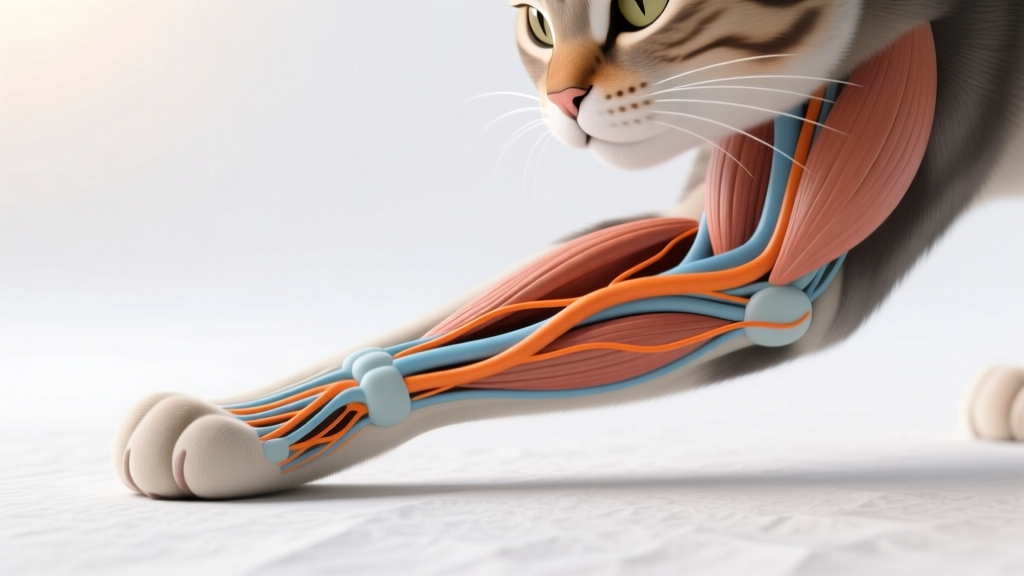
Feline aortic thromboembolism occurs when a blood clot forms (usually in the heart), breaks loose, and travels through the bloodstream until it becomes stuck in a smaller vessel. In cats, the most common place it lodges is the lower end of the aorta (the body’s main artery), right before it branches to supply the hind legs. When that blood flow is blocked, the tissues of the legs are suddenly deprived of oxygen and nutrients.
That lack of blood flow can cause:
- Severe pain from oxygen-starved tissues and nerve irritation
- Weakness or paralysis of one or both hind limbs
- Cool, pale paw pads and reduced/absent pulses in the back legs
- Stress on the heart and lungs (especially if heart disease is the underlying cause)
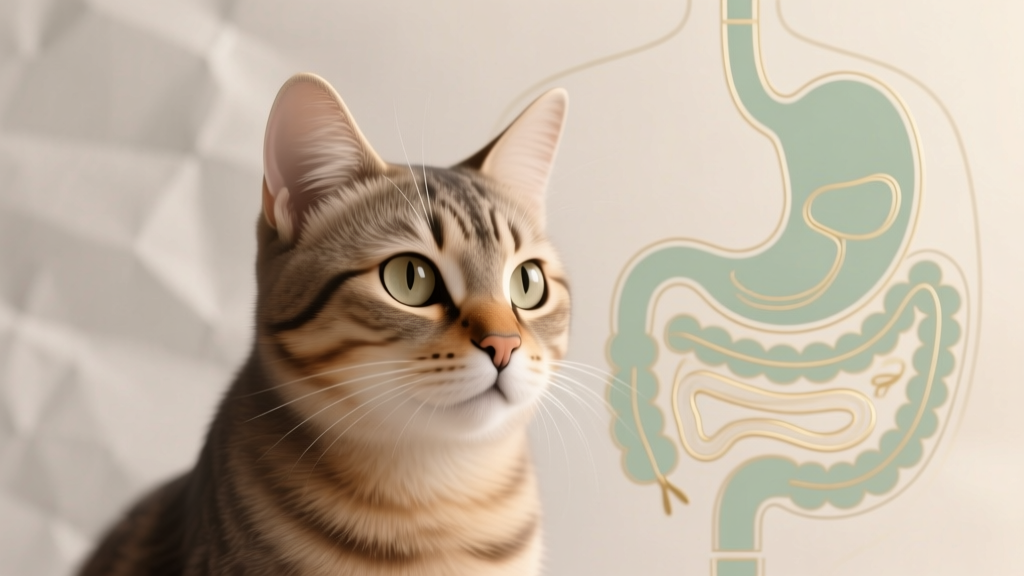
ATE is most often linked to underlying heart disease, particularly hypertrophic cardiomyopathy (HCM), a condition where the heart muscle becomes thickened. Thickened heart muscle can change blood flow patterns in the heart, increasing the chance of clot formation.
3. Symptoms and warning signs to watch for
ATE tends to be sudden. Some cats show subtle signs of heart disease beforehand, while others seem completely normal until the event. Seek veterinary attention right away if you notice any of the following.
Common signs of saddle thrombus
- Sudden inability to use the back legs (dragging, collapse, “rear end not working”)
- Crying out or sudden vocalizing (pain or panic)
- Rapid breathing or open-mouth breathing
- Cold hind feet or noticeably cooler back legs compared to front legs
- Pale or bluish paw pads
- Weakness in one hind leg (sometimes the clot affects one side more than the other)
- Lethargy, hiding, or restlessness
Possible earlier clues of heart disease (may or may not be present)
- Episodes of fast or labored breathing at rest
- Reduced appetite or lower activity level
- Weight loss or muscle loss over time
- A new heart murmur noted at a veterinary exam (not always present with HCM)
Practical at-home check you can do today
- Count your cat’s resting respiratory rate when they are asleep or quietly resting. Normal is often under ~30 breaths per minute for many cats (individuals vary). Consistently higher numbers, especially over 40, should prompt a call to your veterinarian.
4. Causes and risk factors
ATE is usually a complication of another condition rather than a standalone disease.
Most common underlying cause
- Heart disease, especially hypertrophic cardiomyopathy (HCM)
Why heart disease can lead to clots
- Thickened heart muscle can cause turbulent blood flow
- Enlargement of the left atrium may lead to sluggish blood flow
- Abnormal flow patterns increase the likelihood of clot formation
Other less common contributors
- Hyperthyroidism (can worsen heart strain)
- Cancer or inflammatory disease (can increase clotting tendency)
- Kidney disease and protein-losing conditions (may affect clotting balance)
- Rarely, direct clot formation in vessels outside the heart
Who is at higher risk?
- Cats diagnosed with HCM or other cardiomyopathies
- Cats with a history of congestive heart failure
- Cats with a previous ATE event (risk of recurrence is significant)
- Some breeds have higher rates of HCM (for example, Maine Coon and Ragdoll), but any cat can be affected
5. Diagnosis: what to expect at the vet
If your cat arrives with sudden hind-limb weakness or paralysis, the veterinary team will treat it as urgent. The first priorities are usually pain control, breathing support, and stabilization.
Initial exam and triage
- Assessment of breathing effort and oxygen level
- Heart rate and rhythm evaluation
- Temperature (cats with ATE can be low-temperature from poor circulation and stress)
- Checking hind-limb pulses, paw pad color, limb temperature, and neurologic reflexes
Common tests
- Thoracic (chest) X-rays to check heart size and lungs for fluid (heart failure)
- Bloodwork (organ function, electrolytes, markers of muscle injury)
- Blood pressure measurement
- ECG (electrocardiogram) to evaluate rhythm problems
- Echocardiogram (heart ultrasound) to confirm cardiomyopathy and assess clot risk
- Ultrasound/Doppler of blood flow to limbs (in some cases)
Your veterinarian may also discuss conditions that can look similar, such as spinal cord injury, intervertebral disc disease (less common in cats than dogs), or severe neurologic disease. The combination of sudden onset, intense pain, cool limbs, and weak/absent pulses strongly supports ATE.
6. Treatment options (medical, surgical, home care)
Treatment focuses on three things: comfort, supporting the heart and lungs, and managing clotting. There isn’t a single perfect protocol for every cat; your veterinarian will tailor care based on heart status, breathing, and severity of limb compromise.
Emergency and hospital care
- Pain control: ATE is extremely painful. Strong prescription pain medications are typically required.
- Oxygen support if breathing is labored or oxygen levels are low
- Treatment for congestive heart failure if present (medications to reduce lung fluid and support heart function)
- Temperature support (warming measures if body temperature is low)
- Careful fluid management: many cats with heart disease cannot tolerate aggressive IV fluids
Anti-clot and anti-platelet medications
These medications aim to prevent clot expansion and reduce the chance of future clots. They do not always dissolve the existing clot quickly, but they can be an important part of overall management.
- Anti-platelet drugs (commonly used long-term in many cats with cardiomyopathy)
- Anticoagulants may be recommended in certain cases
Only give these medications under veterinary guidance. Human blood thinners are not safe to use without precise dosing and monitoring.
Clot-busting drugs and surgery: why they’re uncommon
- Thrombolytic (“clot-busting”) drugs have been used in some cases, but they can carry significant risks, including bleeding and sudden changes in blood flow that can worsen complications. They are not appropriate for every cat and are typically limited to specialty settings.
- Surgical removal of the clot is rarely performed in cats due to the complexity, anesthesia risks (especially with heart disease), and variable outcomes.
Home care after hospitalization
If your cat is stable enough to go home, your veterinarian will provide a plan tailored to your cat’s heart status and mobility.
- Strict medication schedule (heart meds, pain meds, anti-platelet/anticoagulant therapy)
- Confine to a safe, non-slip space (small room or large crate) to prevent falls
- Soft bedding and frequent repositioning for cats with limited movement
- Easy access to food, water, and a low-sided litter box
- Monitor breathing at rest daily and record it
- Follow-up visits for heart monitoring and medication adjustments
7. Prevention strategies and early detection tips
Not all ATE events can be prevented, but risk can often be reduced when underlying heart disease is identified and managed.
Steps you can take now
- Schedule regular wellness exams. Many cats hide signs of illness, and subtle changes matter.
- Ask your vet about heart screening if a murmur, gallop rhythm, or arrhythmia is detected.
- Track resting respiratory rate weekly (or daily for cats with known heart disease).
- Maintain a healthy weight to reduce strain on the heart and overall inflammation.
- Manage other medical conditions (hyperthyroidism, kidney disease) with appropriate treatment and rechecks.
For cats diagnosed with cardiomyopathy
- Discuss anti-platelet or anticoagulant therapy with your veterinarian or cardiologist
- Keep recheck echocardiograms as recommended
- Know your cat’s baseline breathing rate and normal activity patterns
8. Prognosis and quality of life considerations
Prognosis varies widely and depends on factors like:
- Severity of the clot and whether one or both legs are affected
- Whether congestive heart failure is present
- Body temperature at presentation (lower temperatures can indicate more severe compromise)
- Response to pain control and supportive care
- Return of blood flow and limb function over time
Some cats regain function with treatment and careful home support, while others may have persistent weakness or experience recurrence. Your veterinarian will help you evaluate your cat’s comfort, mobility, appetite, breathing, and overall enjoyment of daily life.
Quality of life questions to discuss with your vet
- Is pain well controlled at home?
- Is breathing comfortable at rest?
- Is your cat eating, drinking, and engaging with you?
- Can your cat toilet comfortably with help (low-entry litter box, grooming support)?
- What is the likelihood of recurrence given your cat’s heart findings?
Caring for a cat after ATE can be emotionally and physically demanding. It’s okay to ask your veterinary team for practical guidance and to discuss what is realistic for your household.
9. When to seek emergency veterinary care
Go to an emergency veterinarian immediately if your cat has any of these signs:
- Sudden hind-limb weakness or paralysis
- Severe pain, crying out, or extreme distress
- Open-mouth breathing or pronounced breathing difficulty
- Blue or very pale gums
- Collapse or inability to stand
What you can do on the way to the vet
- Keep your cat quiet and warm with a light blanket (avoid overheating).
- Transport in a carrier if possible, with soft padding.
- Do not massage the legs or force movement.
- Do not give human pain medication; many are toxic to cats.
- Call ahead so the clinic can prepare oxygen and pain relief.
10. FAQ: common questions cat owners ask
Can a cat survive a saddle thrombus?
Some cats do survive and regain meaningful quality of life, especially with rapid pain control and supportive care. Outcomes depend heavily on the severity of the clot and the underlying heart disease. Your veterinarian can give the best guidance based on your cat’s exam and diagnostics.
Does saddle thrombus always mean my cat has heart disease?
Heart disease is the most common underlying cause, but not the only one. Your veterinarian will usually recommend a heart evaluation (often an echocardiogram) and may look for other conditions that can affect clotting risk.
Will my cat be in pain?
ATE is typically very painful at onset. The good news is that veterinarians can provide strong, effective pain relief. If your cat is being treated for ATE, pain management is a top priority, and you should tell the vet right away if your cat seems uncomfortable at any point.
Can saddle thrombus happen again?
Yes, recurrence is possible, particularly if the underlying heart condition remains high-risk for clot formation. Long-term medications to reduce clot risk may be recommended, along with heart monitoring. Follow your veterinarian’s plan closely and keep recheck appointments.
How can I tell if my cat is developing heart failure at home?
One of the most helpful home indicators is a rising resting respiratory rate. If your cat’s resting rate is consistently increasing or you see labored breathing, decreased appetite, or sudden lethargy, contact your veterinarian promptly. Any open-mouth breathing is an emergency.
Is there anything I can do today to reduce risk?
Yes. Keep your cat at a healthy weight, schedule regular exams, address conditions like hyperthyroidism promptly, and learn your cat’s normal resting breathing rate. If your veterinarian detects a murmur or rhythm change, consider recommended cardiac testing—early information can guide preventive care.
If you’re worried your cat may be showing signs of ATE or heart trouble, the safest choice is to contact a veterinarian immediately. Rapid care can make a meaningful difference in comfort and outcomes.
For more cat health guides, symptom check tips, and supportive resources for owners, visit catloversbase.com.