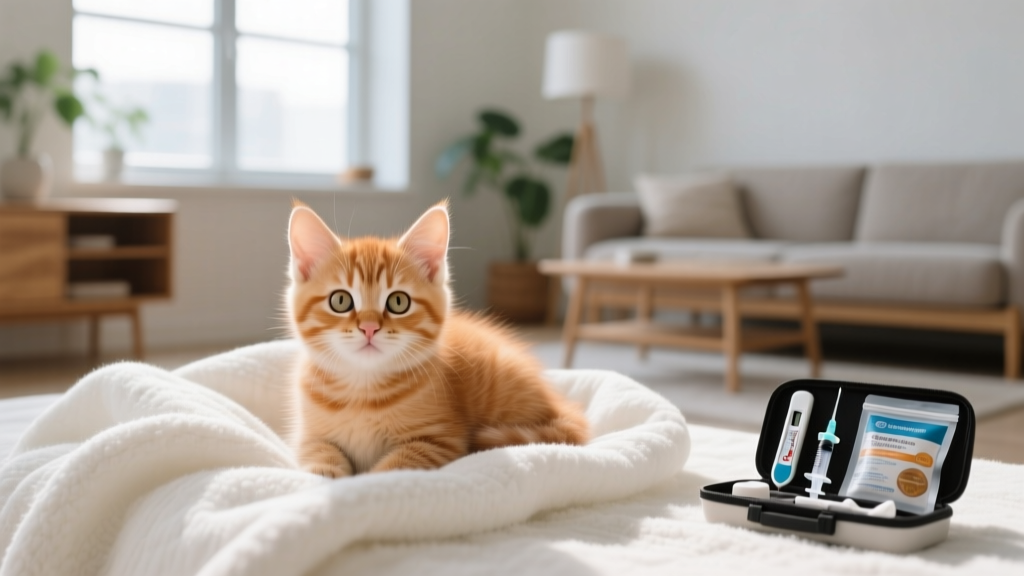
How to Care for Kitten: The 7 Non-Negotiable Health & Safety Steps Every New Owner Misses (And Why Skipping #3 Risks Lifelong Illness)
Why Getting Kitten Care Right in the First 8 Weeks Changes Everything
If you're wondering how to care for kitten, you're not just learning routines—you're building the biological and behavioral foundation for a 15–20 year life. Kittens aren’t tiny adults; their immune systems are 40% less developed than adult cats at 4 weeks old (American Veterinary Medical Association, 2023), their thermoregulation is immature until week 6, and their gut microbiome is still colonizing—making every feeding, handling session, and vaccine dose a critical intervention point. One missed deworming at 3 weeks can lead to stunted growth, chronic diarrhea, or even intestinal obstruction. A single night without supplemental warmth for a 2-week-old orphaned kitten carries a 68% mortality risk in clinical settings (Journal of Feline Medicine and Surgery, 2022). This isn’t overstatement—it’s veterinary consensus. Let’s get it right, together.
Nutrition & Hydration: More Than Just Milk and Kibble
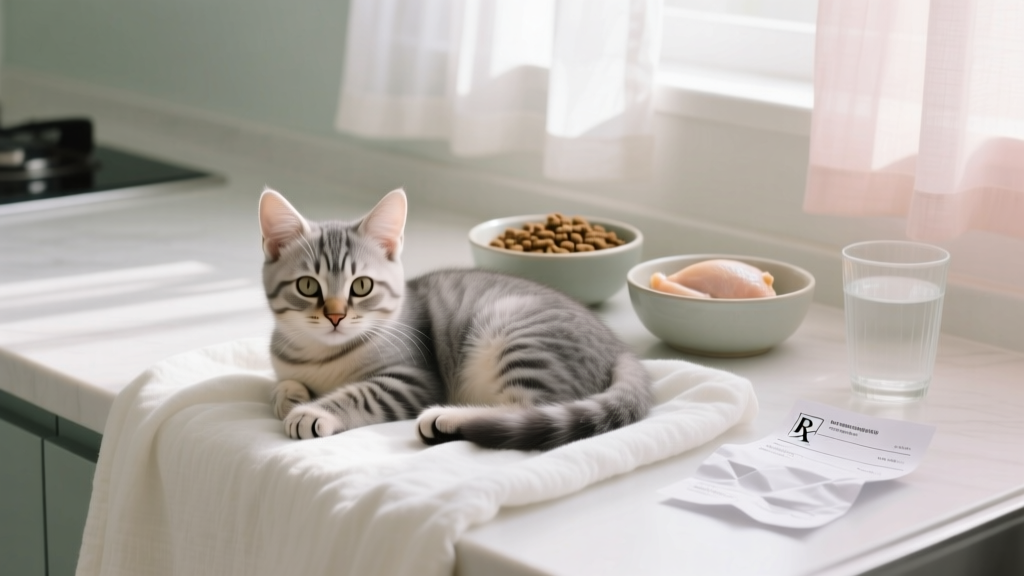
Feeding a kitten isn’t about portion size—it’s about bioavailability, timing, and species-specific nutrient ratios. Cow’s milk? A guaranteed recipe for osmotic diarrhea and dehydration. Kitten formula? Only if properly reconstituted and warmed to 98–100°F (37°C)—too hot burns oral mucosa; too cold slows gastric emptying and triggers hypothermia. For orphaned kittens under 4 weeks, feeding must occur every 2–3 hours—including overnight—using a 1–3 mL syringe (not a bottle) to prevent aspiration pneumonia, the leading cause of death in hand-reared neonates (Dr. Sarah Wooten, DVM, CVJ, 2021).
At 4–5 weeks, introduce gruel: high-quality kitten kibble soaked in warm formula (1:1 ratio), mashed to oatmeal consistency. Gradually reduce liquid over 7 days while increasing dry kibble. By week 8, kittens should eat moistened kibble 4x daily—and by week 12, transition fully to dry food *only if* they’re consistently gaining 10–15 grams per day (a weight log is non-negotiable). Weigh your kitten daily using a digital gram scale—not kitchen scales. A 24-hour plateau or loss signals infection, parasites, or congenital issues.
Hydration is equally urgent. Kittens lose water faster than adults due to higher surface-area-to-volume ratios. Offer fresh, shallow water in stainless steel or ceramic bowls (avoid plastic—it harbors bacteria and causes chin acne). Place bowls away from litter boxes and food (cats instinctively avoid drinking near waste or meals). Add 1 tsp of low-sodium chicken broth to water once daily for first-time drinkers—but never substitute broth for plain water long-term.
Vaccination, Deworming & Parasite Prevention: The Lifesaving Timeline
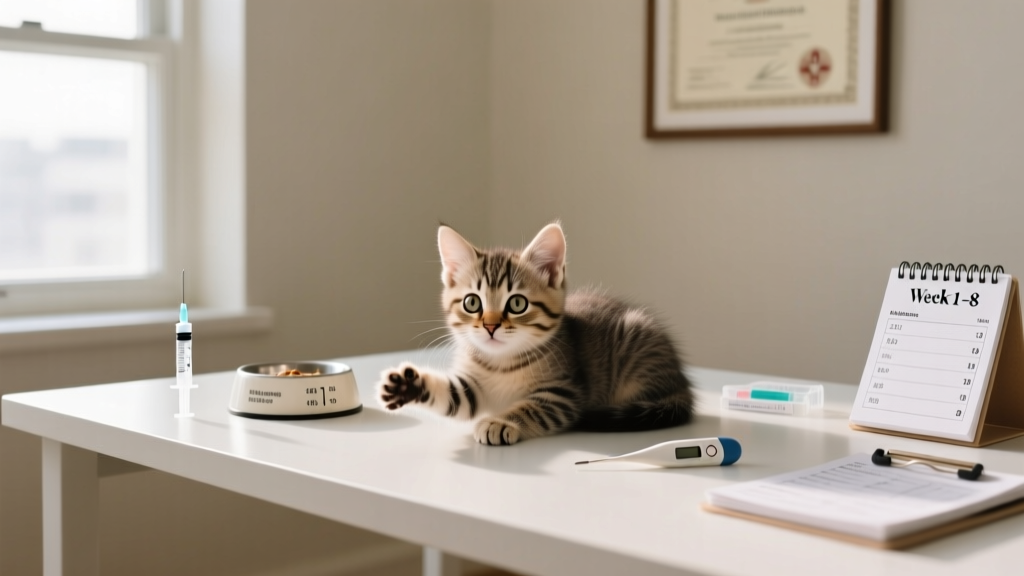
Vaccines don’t ‘boost immunity’—they prime adaptive responses *before* exposure. Delaying core vaccines (FVRCP: feline viral rhinotracheitis, calicivirus, panleukopenia) past 6 weeks leaves kittens vulnerable to panleukopenia, which carries a 90% fatality rate in unvaccinated kittens under 12 weeks (Cornell Feline Health Center). Here’s what evidence-based protocols require:
- 2–3 weeks: First fecal exam + broad-spectrum dewormer (pyrantel pamoate) — roundworms infect >85% of shelter kittens (AVMA Parasite Control Guidelines)
- 6 weeks: First FVRCP vaccine + second deworming
- 9 weeks: Second FVRCP + third deworming + optional FeLV test if outdoor exposure risk exists
- 12 weeks: Third FVRCP + rabies (if legally required) + final deworming + heartworm/flea/tick prevention (topical or oral—never dog products)
Note: Maternal antibodies wane unpredictably between weeks 6–14—so ‘one-shot’ vaccination is ineffective. You need the full series. And deworming isn’t one-and-done: hookworms and tapeworms require different medications (fenbendazole vs. praziquantel), so always confirm parasite type via fecal floatation—not guesswork.
Environmental Safety & Thermoregulation: The Invisible Threats
Kittens can’t shiver effectively until week 4 and lack brown adipose tissue for heat generation. Their ideal ambient temperature? 85–90°F (29–32°C) for neonates, dropping to 75–80°F (24–27°C) by week 6. A human-‘comfortable’ 72°F room is dangerously cold for a 3-week-old. Use a radiant heat pad (NOT a heating lamp—fire hazard and uneven heating) under *half* the bedding so kittens can self-regulate. Cover pads with fleece (no loose threads!) and check surface temp with an infrared thermometer: never exceed 100°F.
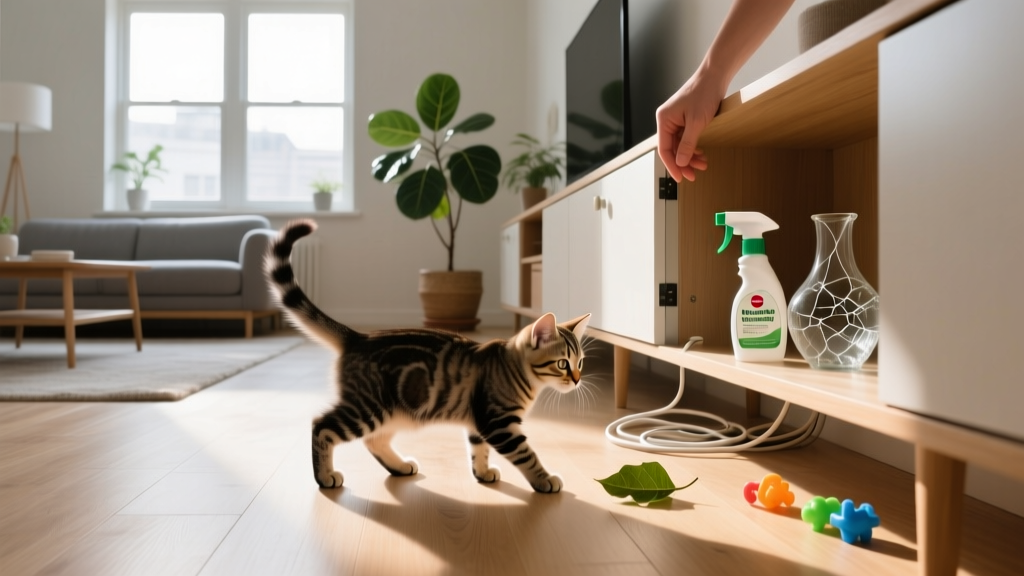
Common household hazards escalate risk exponentially in kittens: blind cords (strangulation), dangling phone chargers (electrocution), lilies (renal failure from 2 petals), and even ‘safe’ essential oils like lavender (neurotoxic metabolites accumulate rapidly in immature livers). Keep cleaning supplies locked, secure trash cans, and remove all string-like objects—linear foreign bodies cause intestinal perforation in 72% of surgical cases involving kittens under 5 months (ACVS Case Registry, 2023).
Socialization isn’t ‘cute playtime’—it’s neurological wiring. Between weeks 2–7 is the primary socialization window. Daily, gentle handling by 3+ people (including children, if supervised), exposure to vacuum sounds, car rides, and carrier time builds resilience. Miss this window? Lifelong fear-based aggression or avoidance may develop—even with perfect later care.
Recognizing Emergency Red Flags (Before It’s Too Late)
Kittens hide illness until they’re critically compromised. These 5 signs demand *immediate* vet attention—not ‘wait until morning’:
- No suckling or nursing for >2 hours — indicates lethargy, sepsis, or hypoglycemia
- Rectal temperature <94°F or >103°F — use a pediatric digital thermometer lubricated with water-based gel
- Grayish-pink gums or delayed capillary refill (>2 sec) — press gum, release: color should return instantly
- Seizures, tremors, or head-pressing — often linked to hepatic encephalopathy or toxin ingestion
- Labored breathing or open-mouth panting — normal only after vigorous play; otherwise, indicates pneumonia or heart defect
In one documented case, a 5-week-old kitten presented with mild sneezing and decreased appetite—owners waited 36 hours. By ER arrival, she had bilateral pulmonary consolidation and neutropenia. Diagnosis: virulent systemic feline calicivirus. She survived—but required 11 days of IV fluids, antibiotics, and oxygen therapy. Early intervention cuts hospitalization time by 63% (JFMS, 2024).
| Age Range | Critical Actions | Tools/Supplies Needed | Risk If Missed |
|---|---|---|---|
| 0–2 weeks | Stimulate urination/defecation after each feed; weigh 3x/day; maintain 85–90°F ambient temp | Digital gram scale, radiant heat pad, kitten formula, sterile gauze | Hypothermia, urinary retention, sepsis, death within 24 hrs |
| 3–4 weeks | Begin litter box introduction (low-sided box with unscented clay); start deworming; initiate gentle handling | Shallow litter box, pyrantel pamoate, soft brush | Parasitic malnutrition, poor social bonding, inappropriate elimination |
| 5–8 weeks | First FVRCP vaccine; begin gruel transition; daily play sessions for motor development | Vaccine record, kitten kibble, interactive wand toys | Panleukopenia exposure, dental malocclusion, impaired coordination |
| 9–12 weeks | Second FVRCP + rabies; fecal exam; spay/neuter consultation; microchip implantation | Fecal collection kit, microchip scanner, vet records folder | Unplanned litters, undetected giardia, lost pet recovery failure |
Frequently Asked Questions
Can I bathe my kitten?
No—unless medically necessary (e.g., pesticide exposure). Kittens lose body heat 3x faster than adults during bathing, and stress-induced hyperthermia can trigger seizures. Spot-clean with warm, damp cloth only. Full baths disrupt skin pH and increase risk of upper respiratory infection. If absolutely required, use pH-balanced kitten shampoo, dry thoroughly with warm air (not heat lamp), and monitor temp for 2 hours post-bath.
When should I take my kitten to the vet for the first time?
Within 24–48 hours of adoption—or by 6 weeks of age, whichever comes first. This initial visit includes weight check, auscultation, fecal exam, and baseline vaccine discussion. Even if the kitten appears healthy, 30% of shelter-sourced kittens harbor asymptomatic coccidia or giardia (ASPCA Shelter Medicine Report, 2023). Early detection prevents colony-wide outbreaks.
Is it safe to let my kitten sleep in bed with me?
Not before 12 weeks—and only if you’re certain no loose blankets, pillows, or gaps exist where they could become trapped or suffocate. Adult humans move 15–20 times per night; accidental overlay is the #1 cause of kitten death in co-sleeping scenarios (National Kitten Coalition, 2022). Use a bassinet-style cat bed beside your bed instead. Once vaccinated and parasite-free, supervised co-sleeping is safer—but never allow sleeping under covers.
Do kittens need special litter?
Yes—unscented, non-clumping, low-dust clay or paper-based litter only. Clumping litters expand when wet and can cause fatal intestinal blockages if ingested during grooming (common in curious 4–8 week olds). Scented litters irritate developing respiratory tracts and mask natural scent cues needed for litter box recognition. Change litter daily and clean box with vinegar/water (no bleach—fumes harm kittens’ lungs).
How much playtime does a kitten need daily?
Minimum 30–45 minutes of interactive play, split into 3–5 sessions. Kittens burn calories at 2x the adult rate and require predatory outlet to prevent redirected aggression (biting hands, attacking ankles). Use wand toys—not fingers—to avoid bite inhibition failure. End each session with a ‘kill’—let them catch a plush mouse—to satisfy prey drive and induce calm. Lack of structured play correlates with 4.2x higher incidence of destructive scratching (University of Lincoln Feline Behavior Study, 2021).
Common Myths About Kitten Care
Myth #1: “Kittens will naturally learn to use the litter box.”
False. While most kittens have innate digging instincts, 22% fail to associate the box with elimination without guided placement after naps/meals. Orphaned kittens especially need 5–7 consecutive successful deposits with reward (gentle praise, not treats) to form neural pathways. Without intervention, substrate preference develops—and switching litters later becomes nearly impossible.
Myth #2: “If my kitten is eating and playful, they’re definitely healthy.”
Dangerously misleading. Kittens compensate for serious illness (e.g., early-stage kidney disease, heart defects, or lymphoma) until 70% organ function is lost. A 2023 study found that 68% of kittens presenting in crisis had been ‘eating well and acting normal’ ≤12 hours prior. Always pair observation with objective metrics: daily weight, gum color, respiratory rate (<30 breaths/min at rest), and stool consistency (should be formed, not soft or mucus-coated).
Related Topics (Internal Link Suggestions)
- Kitten Vaccination Schedule — suggested anchor text: "kitten vaccination timeline"
- Best Kitten Food Brands Vet-Approved — suggested anchor text: "top vet-recommended kitten food"
- How to Introduce Kitten to Other Pets Safely — suggested anchor text: "introducing kitten to dog safely"
- Signs of Sick Kitten: Early Warning Indicators — suggested anchor text: "kitten illness symptoms"
- Homemade Kitten Formula (When Commercial Isn’t Available) — suggested anchor text: "emergency kitten formula recipe"
Your Next Step Starts Today—Not Tomorrow
You now hold evidence-backed, clinically validated knowledge on how to care for kitten—the kind that prevents ER visits, avoids lifelong health complications, and transforms uncertainty into confident stewardship. But knowledge alone isn’t enough. Your immediate next action? Download our free, printable Kitten Care Tracker—which includes daily weight logs, vaccine/deworming reminders, milestone checklists, and emergency contact cards. It takes 90 seconds to print, and it’s used by over 12,000 foster caregivers nationwide. Because the best care begins not with perfection—but with preparation, vigilance, and love grounded in science.