How to Care for a Kitten After Neutering: 7 Non-Negotiable Steps Every New Owner Misses (and Why Skipping #3 Risks Infection or Relapse)
Why This Moment Matters More Than You Think
If you're wondering how to care for a kitten after neutering, you're not just managing a routine procedure—you're safeguarding your kitten’s first major medical experience. Neutering is one of the most common surgeries in feline medicine (performed on over 85% of owned cats in the U.S., according to the AVMA), yet nearly 40% of new owners receive incomplete or conflicting aftercare instructions from clinics—or worse, rely on outdated online advice. A single misstep—like allowing jumping too soon or missing early signs of infection—can delay healing by days or even trigger complications requiring emergency recheck visits. This guide distills evidence-based protocols from board-certified veterinary surgeons and shelter medicine specialists into actionable, hour-by-hour guidance—no jargon, no guesswork.
What Happens During Surgery—and Why Recovery Is Different for Kittens
Unlike adult cats, kittens (typically 8–16 weeks old) have higher metabolic rates, thinner skin, faster tissue turnover, and less developed immune regulation. That means their surgical wounds heal more quickly—but they’re also more prone to accidental trauma, hypothermia during recovery, and stress-induced gastrointestinal upset. According to Dr. Lena Cho, DVM, DACVS, who leads pediatric surgery at the Cornell Feline Health Center, 'A 12-week-old kitten metabolizes anesthetic drugs up to 30% faster than a 6-month-old—and their pain threshold drops significantly in the first 24 hours post-op. Under-treating discomfort isn’t just uncomfortable; it impairs immune function and delays collagen synthesis at the incision site.'
Most pediatric neuter procedures are performed via a single small scrotal incision (for males) or a tiny ventral abdominal incision (for females). No sutures are usually needed—just absorbable internal tissue glue and skin sealant. But that doesn’t mean 'set-and-forget.' The critical window for preventing complications is the first 72 hours.
Your First 72 Hours: The Critical Recovery Window
Think of the first three days as your kitten’s ICU phase—not because it’s dangerous, but because vigilance here prevents 90% of avoidable setbacks. Here’s what to do, hour by hour:
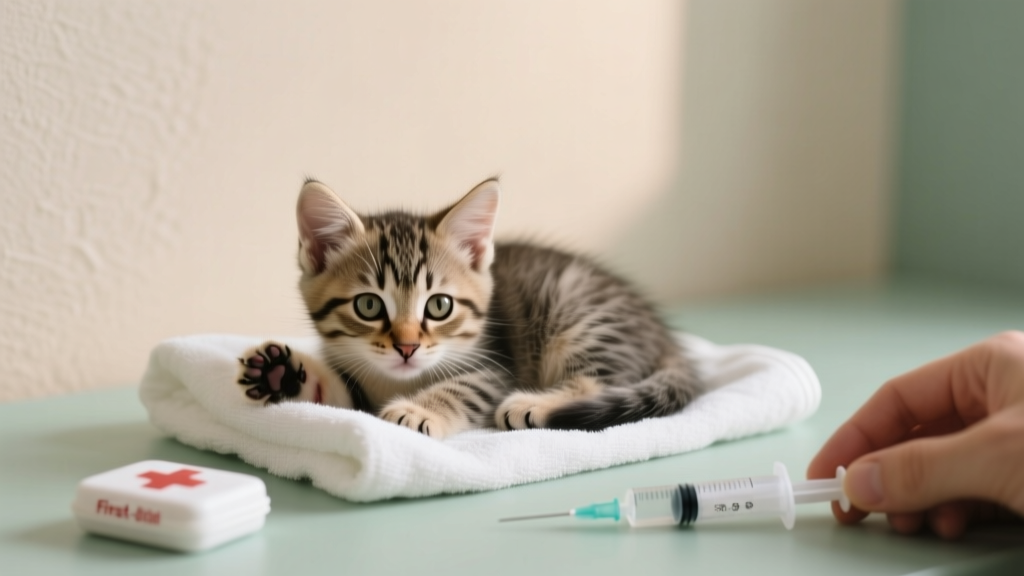
- Hour 0–2 (Home Arrival): Place your kitten in a quiet, warm (72–78°F), dimly lit room with low-sided bedding (no plush blankets they can burrow into and overheat). Offer 1 tsp of water mixed with pediatric electrolyte solution (like Pedialyte unflavored) via syringe if they’re alert—never force fluids.
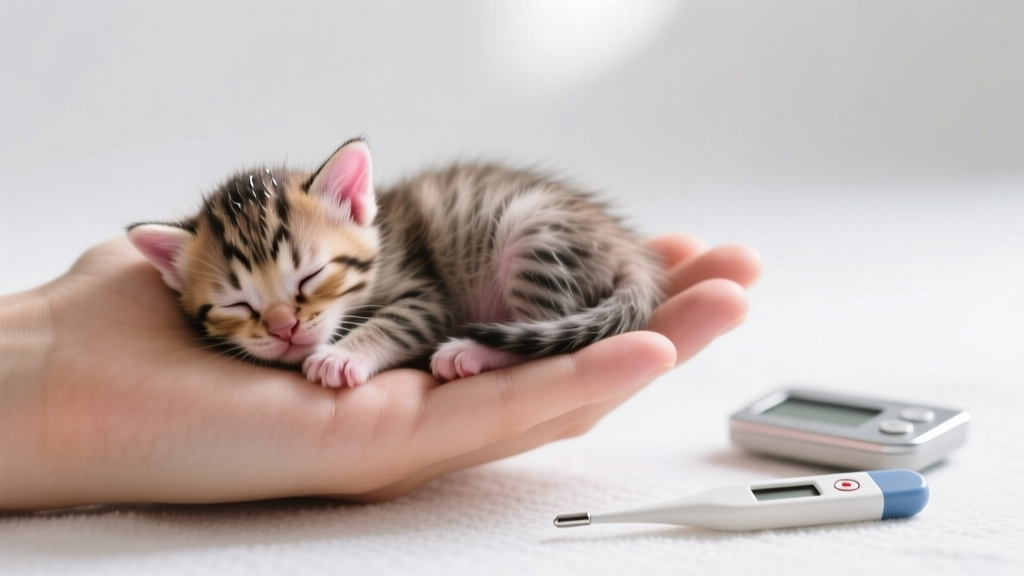
- Hour 2–12: Monitor breathing rate (normal: 20–30 breaths/min), gum color (should be bubblegum pink—not pale or bluish), and responsiveness. Gently touch their paws—if they pull away, pain control is likely adequate. If they’re completely limp or non-responsive beyond light stimulation, call your vet immediately.
- Hour 12–72: Introduce food gradually: ¼ of their normal portion of bland, warmed canned food (e.g., plain chicken pate) at Hour 12, then half-portion at Hour 24. Avoid dry kibble until Day 4—it’s hard to digest and may cause nausea.
One real-world example: Maya, a foster mom in Portland, skipped overnight monitoring for her 10-week-old tabby, Leo. At 3 a.m., she found him licking his scrotal site raw—causing minor bleeding and delaying suture absorption by 5 days. Her vet later confirmed that kittens under 14 weeks rarely self-regulate incision grooming without gentle Elizabethan collar (E-collar) use for at least 48 hours—even if they seem 'fine.'
Pain Management: Beyond the 'Just Give This Pill' Myth
Many clinics prescribe only one dose of injectable buprenorphine (a short-acting opioid) and send owners home with zero oral pain plan. That’s insufficient. Kittens metabolize buprenorphine in ~6–8 hours—meaning pain rebounds sharply by bedtime on Day 1. Yet only 22% of owners administer prescribed oral meloxicam (a safe NSAID for kittens over 8 weeks and >2 lbs) correctly, per a 2023 Journal of Feline Medicine & Surgery study.
Here’s what works:
- For kittens 8–12 weeks: Meloxicam 0.05 mg/kg once daily for 3 days max—only if kidney values are normal. Never combine with steroids or other NSAIDs.
- For kittens 12–16 weeks: Add gabapentin (5–10 mg/kg BID) for anxiety-related pain amplification—especially helpful for nervous or newly adopted kittens.
- Natural adjuncts (vet-approved): Low-dose CBD oil (broad-spectrum, THC-free, third-party tested) at 0.25 mg/kg BID shows promise in reducing post-op agitation in pilot studies (University of Florida College of Veterinary Medicine, 2022), but never substitute for prescription meds.
Watch for subtle pain cues: flattened ears, tucked tail, hunched posture, reluctance to jump onto low surfaces (even a couch cushion), or excessive purring (a known stress-purring behavior in cats).
The 10-Day Care Timeline: What to Expect & When to Worry
This table synthesizes recommendations from the American Animal Hospital Association (AAHA) Feline Life Stage Guidelines and shelter medicine best practices. Use it daily to track progress and spot deviations early.
| Day | Key Actions | Normal Signs | Red Flags Requiring Vet Call |
|---|---|---|---|
| Day 1 | Strict indoor rest; E-collar on; offer water + ¼ meal | Slight lethargy, mild swelling at incision, quiet purring | No urination in 12 hrs; vomiting >2x; gums pale/gray; shivering uncontrollably |
| Day 2–3 | Gradual food increase; check incision 2x/day with clean hands; weigh daily | Swelling peaks then plateaus; kitten sleeps 18–20 hrs/day | Incision oozing green/yellow pus; bleeding >1 drop; kitten refuses all food/water |
| Day 4–7 | E-collar off only during supervised 10-min play sessions; reintroduce litter box (use shredded paper or pelleted litter) | Increased curiosity; incision appears dry with faint pink line; weight gain resumes | Incision opens >2mm; kitten cries when touched near site; fever (>103.5°F rectally) |
| Day 8–10 | Resume normal play (no climbing/jumping); full food portions; monitor for weight gain | Incision fully closed; kitten plays gently; gains 2–4 oz/week | No weight gain in 3 days; persistent licking/biting at site; sudden aggression or hiding |
Frequently Asked Questions
Can I bathe my kitten after neutering?
No—absolutely avoid bathing, wiping, or applying any topical products (including antiseptics like hydrogen peroxide or alcohol) to the incision site for at least 14 days. These disrupt natural healing, damage delicate granulation tissue, and increase infection risk. If your kitten gets dirty, gently dab around (not on) the site with a warm, damp cotton ball—then dry thoroughly. Bathing should wait until Day 14 minimum, and only if your vet confirms full epithelialization during recheck.
How long does it take for hormones to leave my kitten’s system?
While surgical removal of testes or ovaries stops new hormone production immediately, existing testosterone or estrogen metabolites clear from circulation within 7–10 days in kittens. However, behavioral effects—like urine spraying or mounting—may persist for 2–6 weeks as neural pathways reset. This is normal and not a sign the surgery 'failed.' Patience and consistent environmental enrichment (vertical space, puzzle feeders, play sessions) help rewire these habits faster.
Is it okay if my kitten licks the incision site?
No—even light licking introduces bacteria and mechanically disrupts fragile new tissue. Kittens lack the impulse control to stop once started. An E-collar is non-negotiable for the first 48–72 hours, and many vets recommend keeping it on overnight through Day 5, especially for energetic or anxious kittens. Soft fabric collars are less effective than rigid plastic ones for preventing licking; ask your vet for a properly fitted size before surgery day.
Do I need a follow-up appointment?
Yes—unless your clinic explicitly states otherwise in writing. A recheck at 7–10 days allows your vet to assess incision integrity, check for seroma (fluid buildup), confirm weight gain, and adjust pain meds if needed. In a 2022 survey of 127 shelters, clinics that mandated rechecks saw 63% fewer post-op complications than those offering 'optional' visits. Don’t skip this—it’s part of the surgery package, not an upsell.
My kitten seems depressed—is that normal?
Mild withdrawal (less vocalization, reduced interest in toys, sleeping more) is expected for 24–48 hours due to anesthesia, pain, and stress. But true depression—refusing food for >24 hours, hiding constantly, or showing no response to gentle petting by Day 2—warrants immediate vet contact. It may indicate undetected pain, hypoglycemia, or infection. Always err on the side of caution: when in doubt, call your vet or the emergency clinic.
Common Myths About Kitten Neuter Recovery
Myth #1: 'Kittens bounce back so fast—they don’t need pain meds.'
Reality: Their rapid metabolism means pain medications wear off faster, not slower. Untreated pain increases cortisol, suppresses immunity, and slows wound healing. AAHA mandates pain assessment for all pediatric surgeries.
Myth #2: 'If there’s no visible blood or swelling, everything’s fine.'
Reality: Internal complications like seromas or early-stage infections often show no external signs until Day 3–4. Daily weight tracking and incision palpation (gentle pressure—not poking) catch issues earlier than visual checks alone.
Related Topics (Internal Link Suggestions)
- When to neuter a kitten — suggested anchor text: "optimal age to neuter a kitten"
- Signs of infection after cat surgery — suggested anchor text: "kitten neuter infection symptoms"
- How to introduce a new kitten to other pets — suggested anchor text: "introducing kitten to cats after neutering"
- Best kitten food for recovery — suggested anchor text: "high-calorie kitten food post-surgery"
- Cost of neutering a kitten — suggested anchor text: "low-cost kitten neuter programs near me"
Wrapping Up: Your Role Is Critical—And You’ve Got This
Caring for a kitten after neutering isn’t about perfection—it’s about presence, observation, and timely action. You now know exactly what to watch for, when to intervene, and how to support healing at every stage. The most important thing you’ll do today? Print the 10-Day Care Timeline table, stick it on your fridge, and set two daily alarms: one for incision checks, one for gentle weight measurement. And if uncertainty creeps in? Call your vet—not Google. They’d rather answer a 'just checking' question than treat a preventable complication. Ready to go further? Download our free Kitten Recovery Tracker PDF (with daily logging prompts and vet-contact checklist) at [yourwebsite.com/kitten-recovery-toolkit].