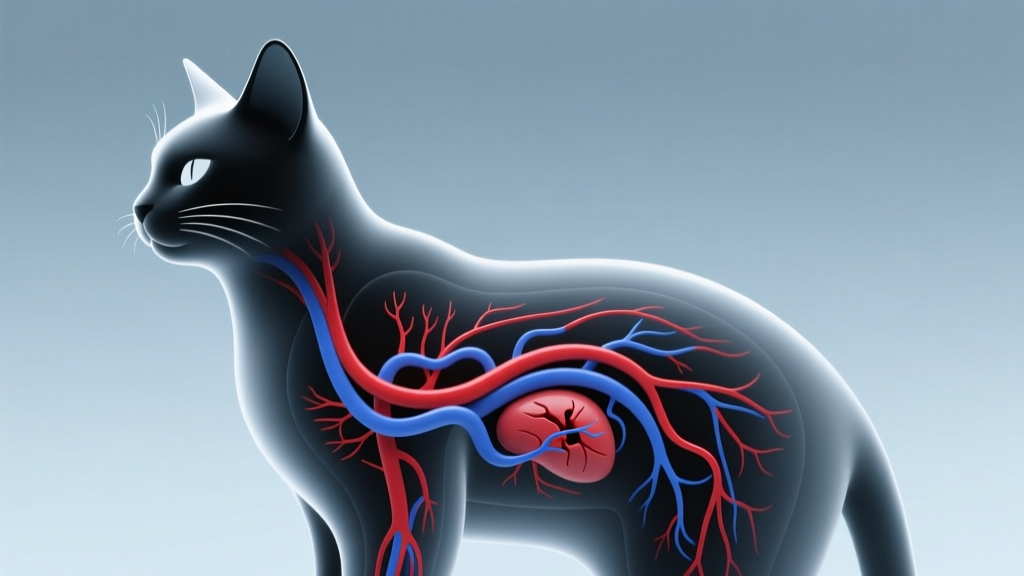
Cat Eucoleus: Esophageal Hairworm Parasite
1. Why this topic matters to cat owners
If your cat starts gagging, coughing, or acting like something is stuck in their throat, it can be scary—and it’s natural to worry about serious problems like asthma, a hairball, or a foreign object. One lesser-known cause of throat and swallowing issues is a tiny parasite sometimes called an esophageal “hairworm”. In cats, this is most commonly associated with worms in the genus Eucoleus (also historically labeled as Capillaria in older resources).
While Eucoleus infection in cats is uncommon, it’s still worth understanding because the signs can look like many other conditions, and prompt veterinary evaluation can prevent prolonged discomfort. The good news: once properly diagnosed, treatment is often straightforward, and most cats do very well.
2. Overview: what “Cat Eucoleus” is in plain language
Eucoleus are slender, thread-like parasitic worms. Different Eucoleus species tend to prefer different parts of the body. In cats, hairworm-type infections are more often discussed in relation to the respiratory tract, but some hairworms can involve the upper digestive tract, including the esophagus (the tube that carries food from the mouth to the stomach).
When people say “esophageal hairworm,” they’re describing a worm that lives in or irritates tissues around the throat/esophagus region. The parasite can cause:
- Local inflammation (irritated lining of the throat or esophagus)
- Mucus production and discomfort
- Changes in swallowing or gagging
These worms lay eggs that can be passed in bodily secretions (depending on the species and location) and ultimately reach the environment. Cats are typically infected by exposure to contaminated soil or by eating prey or intermediate hosts that carry infective stages.
Important clarification: “Eucoleus” can refer to different species with different preferred sites (respiratory vs. urinary vs. digestive). If your cat is diagnosed with a hairworm, your veterinarian will interpret the results based on your cat’s symptoms and the type of egg/parasite found.
3. Symptoms and warning signs to watch for
Signs can be mild at first and may come and go. Many cats compensate well, so owners may notice subtle changes before anything dramatic happens.
Common signs reported with throat/esophageal irritation
- Gagging or retching (often without producing a hairball)
- Coughing or throat-clearing sounds
- Repeated swallowing, lip-licking, or drooling
- Regurgitation (food comes back up soon after eating; differs from vomiting)
- Reduced appetite or eating more slowly
- Pawing at the mouth or seeming uncomfortable when swallowing
- Weight loss if the problem persists
Signs that may show up if the respiratory tract is also involved
- Wheezing or noisy breathing
- Increased respiratory rate at rest
- Exercise intolerance (less play, tiring easily)
Quick at-home observations you can do today
- Track when the gagging happens: after meals, after drinking, after grooming, or randomly.
- Note whether it’s regurgitation vs. vomiting (regurgitation is usually effortless and soon after eating).
- Record a short video of the episode—this helps your veterinarian tremendously.
- Monitor appetite and energy, and weigh your cat weekly if you have a baby scale.
If you notice any of these signs for more than a day or two (or sooner if severe), schedule a veterinary visit. Hairworm infection is just one possibility—your cat deserves a clear diagnosis.
4. Causes and risk factors
Cats don’t “catch” Eucoleus from thin air; there is typically an environmental exposure pathway.
How cats may become infected
- Hunting or scavenging: Eating rodents, birds, or other prey that carry infective stages.
- Outdoor access: Contact with contaminated soil, feces, or prey animals increases exposure.
- Shared environments: Multi-cat households, shelters, or foster settings with higher parasite load can raise risk.
- Intermediate hosts: Some hairworm life cycles may involve organisms like earthworms (varies by species), making gardens and outdoor soil a possible exposure point.
Which cats are at higher risk?
- Cats that go outdoors (even part-time)
- Hunters or cats with a strong prey drive
- Cats in rural areas or communities with many feral cats
- Cats with weakened immune systems or chronic illness may show more noticeable signs
5. Diagnosis: what to expect at the vet
Because symptoms can mimic many issues (asthma, hairballs, reflux, foreign body, infections, inflammatory disease), diagnosis usually involves a step-by-step approach.
Veterinary exam and history
- A full physical exam, including listening to the chest and checking hydration and weight
- Questions about outdoor access, hunting, parasite prevention, and the pattern of signs
Common diagnostic tests
- Fecal testing (fecal flotation or centrifugation): Hairworm eggs can sometimes be identified in stool. Eggs can be shed intermittently, so more than one sample may be needed.
- Baermann test (in certain cases): Helps detect larvae for some lungworm-type parasites. Your vet will decide if this is appropriate based on symptoms.
- Chest or neck X-rays: Helps evaluate for asthma, pneumonia, masses, megaesophagus, or foreign bodies.
- Bloodwork: Checks general health and may show patterns consistent with parasites or inflammation, though it’s not specific.
- Endoscopy (selected cases): A small camera is used to look at the esophagus and upper GI tract; it can help identify inflammation, ulcers, foreign material, and occasionally parasites. Biopsy may be recommended.
What owners can bring to the appointment
- A fresh stool sample (ask your clinic how fresh and how to store it)
- Videos of coughing/gagging episodes
- A list of current preventatives and medications (including supplements)
If your veterinarian suspects a hairworm, they may treat based on test results and clinical signs. Avoid giving over-the-counter dewormers without veterinary guidance—cats can be sensitive to certain medications, and the wrong product may not help.
6. Treatment options (medical, surgical, and home care)
Treatment depends on the exact parasite involved, where it’s located, and how sick your cat is. Most cases are managed medically.
Medical treatment
- Prescription dewormers: Your veterinarian will choose a medication and dosing schedule tailored to the suspected hairworm species and your cat’s size and health. Some cases require repeated dosing to catch different life stages.
- Anti-inflammatory support: If the esophagus or airways are inflamed, your vet may prescribe medications to reduce irritation and help your cat feel better.
- Antibiotics (only when indicated): Sometimes secondary infections are suspected, but antibiotics are not automatically needed.
- Recheck testing: Follow-up fecal tests or clinical rechecks ensure the infection has cleared and symptoms are resolving.
Surgical or procedural treatment
- Endoscopic removal: If there is a foreign body, severe inflammation, or another structural problem contributing to signs, endoscopy may be both diagnostic and therapeutic.
- Hospitalization: Rarely, if a cat is dehydrated, cannot keep food down, or has breathing compromise, supportive hospital care may be needed.
Home care to support recovery
- Give medication exactly as prescribed and complete the full course even if your cat improves quickly.
- Offer small, frequent meals if swallowing or regurgitation has been an issue (only if your veterinarian agrees).
- Choose softer food textures temporarily if recommended (canned or moistened kibble).
- Reduce stress: Provide a quiet eating area, separate from other pets.
- Monitor litter box habits: Report diarrhea, constipation, or any blood/mucus to your vet.
If your cat has ongoing gagging or regurgitation, ask your veterinarian whether an esophageal-friendly feeding plan or reflux management is appropriate during healing.
7. Prevention strategies and early detection tips
Prevention is largely about reducing exposure and using appropriate parasite control.
Practical prevention steps
- Year-round parasite prevention: Use a veterinarian-recommended product appropriate for your cat’s lifestyle. Not all preventatives cover the same parasites.
- Limit hunting: Keeping cats indoors (or using a secure catio/leash walks) reduces exposure to prey and contaminated environments.
- Prompt litter box hygiene: Scoop daily and wash boxes regularly to reduce environmental contamination.
- Fecal exams: Have your veterinarian run stool checks at least annually (more often for outdoor cats or cats with symptoms).
- Quarantine new pets: New cats or foster cats should have a vet exam and parasite screening before mixing with resident pets.
Early detection tips
- Don’t ignore “frequent hairballs” that never produce a hairball—recurrent gagging deserves a veterinary workup.
- Watch for subtle weight loss or slower eating.
- Keep a simple symptom log (dates, times, triggers, food type).
8. Prognosis and quality of life considerations
For most cats, the prognosis is good once the correct diagnosis is made and treatment is completed. Many cats show noticeable improvement within days to a couple of weeks, though inflamed tissues can take longer to fully settle.
Quality of life is usually excellent after treatment, especially when:
- The cat receives the full deworming protocol
- Any secondary irritation (reflux, esophagitis, airway inflammation) is addressed
- Re-exposure risks (outdoor hunting, lack of prevention) are reduced
If symptoms persist after treatment, that doesn’t mean failure—it may mean there’s an additional issue such as asthma, chronic bronchitis, esophagitis, a motility disorder, or another parasite. Follow-up with your veterinarian is the best next step.
9. When to seek emergency veterinary care
Most suspected parasite issues can be handled with a prompt appointment, but some signs warrant urgent care.
- Difficulty breathing, open-mouth breathing, or blue/gray gums
- Repeated regurgitation with inability to keep water down
- Extreme lethargy, collapse, or sudden weakness
- Choking or distress that looks like something is stuck in the throat
- Profuse drooling with pawing at the mouth and agitation
- Signs of dehydration (sunken eyes, sticky gums, very low urine output)
If you’re unsure whether it’s an emergency, call your veterinary clinic or an emergency hospital and describe what you’re seeing. A short video can help triage the situation.
10. FAQ: common questions cat owners ask
Can humans catch Eucoleus (hairworms) from cats?
The risk is generally considered low, but parasite safety matters in every household. Good hygiene is smart: wash hands after cleaning the litter box, keep kids away from pet waste, and maintain routine veterinary parasite prevention. If anyone in the home has health concerns, consult a physician and tell them your cat is being evaluated for parasites.
Is gagging always a hairworm problem?
No. Gagging and coughing are common signs with many causes, including hairballs, asthma, respiratory infections, heart disease, reflux, and foreign material stuck in the mouth or throat. Because the treatments differ, a veterinary exam is the safest way to identify the cause.
Will a routine dewormer from the pet store fix it?
Not reliably. Over-the-counter products may not target the specific parasite involved and can be inappropriate for some cats. Your veterinarian can choose a medication that matches the suspected hairworm type, your cat’s weight, and any underlying health conditions.
My cat is indoors—can they still get hairworms?
It’s less likely, but not impossible. Indoor cats can be exposed through contaminated soil tracked inside, insects, or occasional prey (like a mouse in the house). Indoor cats can also develop similar symptoms from non-parasitic causes, so persistent gagging still deserves a veterinary visit.
How long does treatment take?
Many deworming protocols involve medication over days to weeks, sometimes repeated to ensure all parasite stages are addressed. Your veterinarian may recommend a recheck exam and follow-up fecal testing to confirm resolution.
What’s the best thing I can do right now if I’m worried?
- Schedule a veterinary appointment and bring a stool sample if possible.
- Record a video of any coughing/gagging/regurgitation episode.
- Do not give new medications without veterinary approval.
- Keep your cat indoors until you have answers, especially if they hunt.
If you suspect your cat may have an esophageal hairworm or any persistent throat/swallowing issue, your veterinarian is your best partner for diagnosis and safe treatment. For more caring, practical cat health guidance, visit catloversbase.com and explore our growing library of wellness resources.