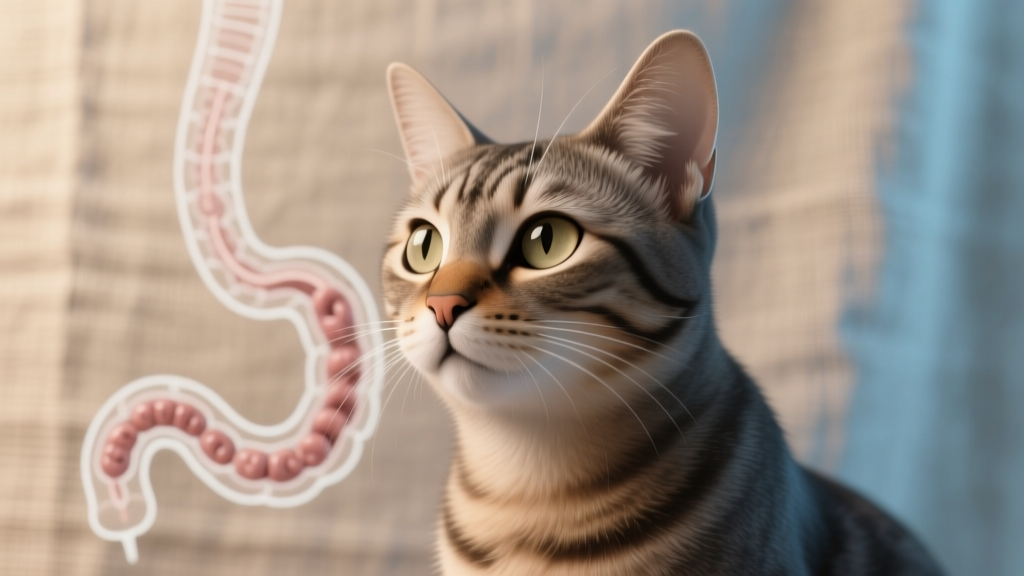
Cat Spirocerca: Esophageal Nematode Tumor
1) Why this topic matters to cat owners
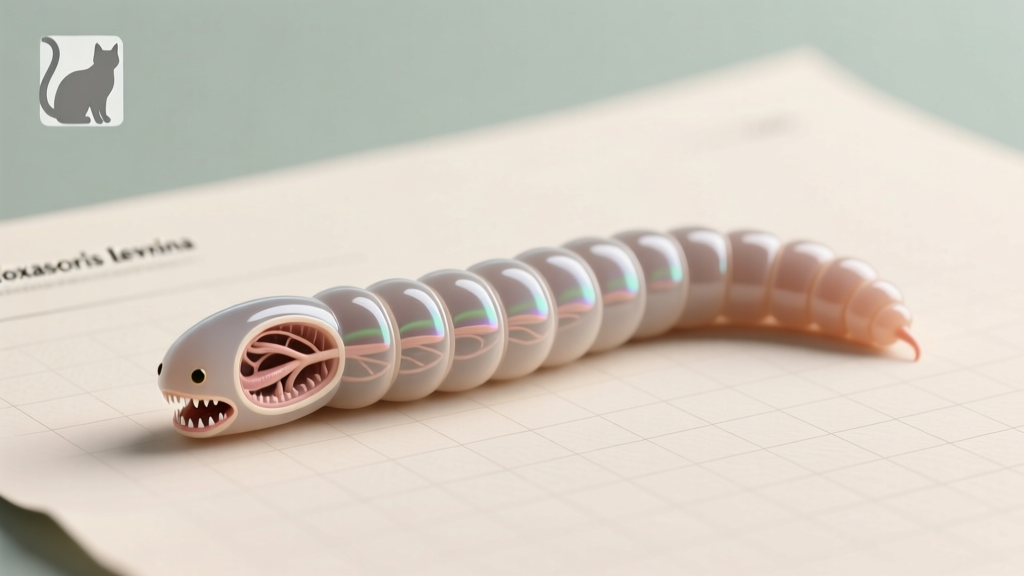
Most cat owners think of worms as an “intestinal” problem—something that causes diarrhea, a pot belly, or visible parasites in stool. Spirocerca infection is different. Spirocerca lupi is a parasitic worm that can form firm nodules in the esophagus (the tube that carries food from the mouth to the stomach). In some cases, those nodules can trigger chronic inflammation and may even transform into tumors.
Spirocerca is far more common in dogs than cats, but cats can be affected, especially those that hunt or spend time outdoors. Because the early signs can look like “simple” vomiting or picky eating, it’s easy to miss until the problem becomes advanced. Understanding the warning signs and knowing when to seek veterinary care can make a real difference in your cat’s comfort and outcome.
2) Overview: what is spirocercosis and how can it cause an esophageal “tumor”?
Spirocercosis is the disease caused by infection with Spirocerca lupi, a nematode (roundworm). The parasite has a complex life cycle involving intermediate hosts.
In plain language, here’s what can happen:
- Your cat eats something (often an insect or a small prey animal) that contains immature stages of the parasite.
- The larvae migrate through tissues in the body and eventually settle near the esophagus.
- The parasite can stimulate the body to form nodules (lump-like swellings) in or near the esophageal wall.
- Over time, these nodules can interfere with swallowing and may ulcerate, scar, or become infected.
- In some cases, the chronic irritation and cell changes can contribute to the development of neoplastic transformation (cancerous change), often described as an “esophageal nematode tumor.”
In cats, true spirocerca-associated tumors are considered uncommon, but the possibility is taken seriously because esophageal masses—whether inflammatory or cancerous—can be life-altering and occasionally life-threatening.
3) Symptoms and warning signs to watch for
The esophagus is a narrow tube, so even a small mass or inflamed area can affect how food and water move. Signs may be subtle at first and may come and go.
Common signs reported with esophageal disease
- Regurgitation (food or liquid comes back up shortly after eating, often without retching or nausea)
- Vomiting (may look similar to regurgitation, but typically includes abdominal heaving)
- Difficulty swallowing (hesitation to eat, chewing then dropping food, repeated swallowing motions)
- Gagging, retching, or coughing-like episodes after meals
- Drooling or excessive lip-licking
- Reduced appetite or eating slowly
- Weight loss or poor body condition
- Lethargy or decreased activity
Signs that suggest complications
- Bad breath (can occur with esophageal irritation or infection)
- Fever or acting painful/uncomfortable
- Breathing changes (rapid breathing, wheezing, increased effort)
- Recurrent respiratory infections (possible aspiration of food into the lungs)
Practical at-home tip
If you’re unsure whether you’re seeing vomiting or regurgitation, take a short video for your veterinarian. This single step often speeds up diagnosis and prevents trial-and-error treatment.
4) Causes and risk factors
Cats usually become infected by ingesting an intermediate host (typically beetles) or a “transport host” (animals that have eaten the beetle). While details vary by region, these are the most common risk patterns:
- Outdoor access, especially unsupervised roaming
- Hunting behavior (catching and eating lizards, birds, rodents, frogs, or insects)
- Living in or traveling to areas where spirocerca is more common (your veterinarian will know if it’s seen locally)
- Stray/feral exposure or living in multi-cat environments where monitoring appetite and regurgitation is harder
- Limited parasite prevention (not all preventives cover all parasites, and spirocerca coverage varies)
Some cats also have other conditions that can make esophageal problems more noticeable or more dangerous (for example, cats prone to aspiration, older cats, or those with chronic respiratory disease).
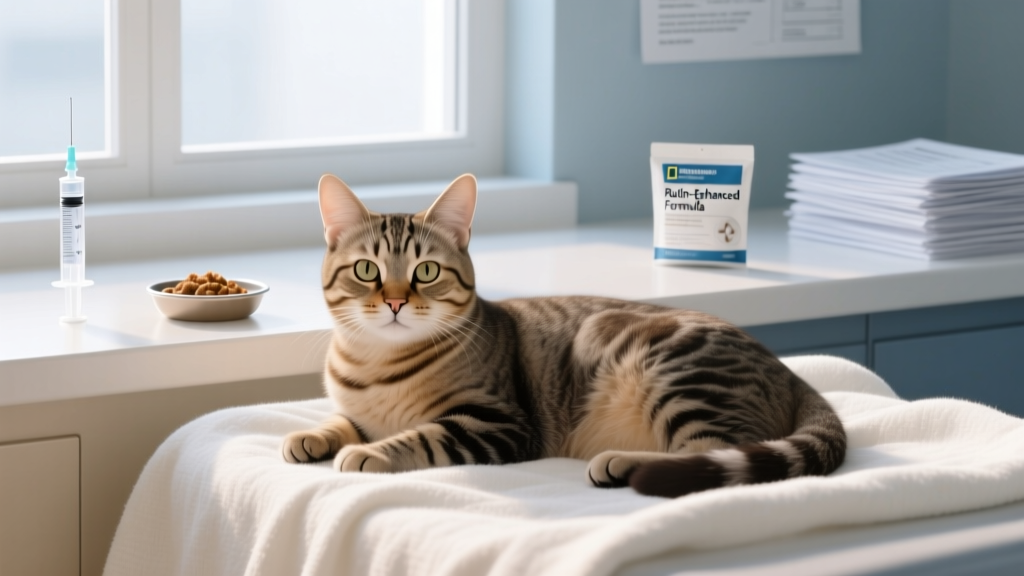
5) Diagnosis: what to expect at the vet
Because spirocerca-related disease is uncommon in cats and can mimic other problems, diagnosis often involves a step-by-step approach. Your veterinarian’s goals are to (1) confirm whether there is an esophageal lesion, (2) evaluate for complications such as aspiration pneumonia, and (3) identify the underlying cause.
Common diagnostic tools
- History and exam: questions about outdoor access, hunting, timing of episodes (immediately after meals vs hours later), and weight changes
- Chest X-rays: may show an esophageal mass, widening of the esophagus, or signs of aspiration pneumonia
- Contrast esophagram (barium study): helps outline narrowing or masses when plain X-rays are inconclusive
- Endoscopy: a tiny camera is used to look directly into the esophagus; allows visualization of nodules and the ability to collect samples
- Biopsy/cytology: sampling the lesion is often needed to distinguish inflammatory nodules from cancer
- Fecal testing: sometimes used to look for parasite evidence, though spirocerca eggs may not be consistently detected
- Bloodwork: checks hydration, inflammation, organ function, and anesthesia safety if procedures are planned
What the visit may feel like for you
It’s normal for diagnostics to be recommended fairly quickly when regurgitation and weight loss are present. Esophageal disease can worsen with time, and cats can develop secondary issues like dehydration or aspiration pneumonia. If your cat is stable, your vet may space tests over a few visits; if your cat is struggling to keep food down, they may recommend same-day imaging or referral for endoscopy.
6) Treatment options (medical, surgical, and home care)
Treatment depends on what’s found: a parasite-associated nodule, inflammation/scarring, a benign mass, or a malignant tumor. Your veterinarian may combine several strategies.
Medical treatment
- Antiparasitic therapy: if spirocerca infection is suspected or confirmed, your veterinarian will choose an appropriate deworming protocol. Not all routine dewormers target the same parasites, so this is not a DIY situation.
- Anti-nausea and GI supportive meds: may help comfort, though regurgitation from an obstruction often improves only when the underlying issue is addressed.
- Acid reducers and esophageal protectants: used when irritation or ulceration is present.
- Antibiotics: may be prescribed if aspiration pneumonia is suspected or confirmed.
- Pain control: if inflammation or secondary infection is causing discomfort.
Surgical and procedural options
- Endoscopic removal or debulking: in select cases, an endoscopy can reduce obstruction or obtain better biopsy samples.
- Surgery: esophageal surgery is specialized and depends on lesion location, size, and whether cancer is involved. Your vet may refer you to a veterinary surgeon.
- Oncology care: if a tumor is diagnosed, treatment plans may involve surgery, chemotherapy, radiation, or palliative care—depending on tumor type and staging.
Home care you can do immediately (with veterinary guidance)
- Feed smaller, more frequent meals to reduce esophageal workload.
- Try a food consistency your vet recommends (some cats do better with softer food; others do better with formed meatballs—this varies by condition).
- Encourage calm eating and avoid competition with other pets.
- Keep your cat upright after meals for 10–15 minutes if advised (this can help some cats with regurgitation).
- Monitor hydration: gums should be moist, and your cat should urinate regularly. Ask your vet about adding water to food or using a fountain.
- Give medications exactly as prescribed and report any difficulty swallowing pills—many esophageal conditions can worsen if pills lodge in the throat.
Do not attempt home deworming without veterinary direction. If an esophageal mass is present, the priority is safe diagnosis and targeted treatment, not guesswork.
7) Prevention strategies and early detection tips
Because cats usually get exposed through hunting and ingestion of intermediate/transport hosts, prevention focuses on minimizing exposure and catching symptoms early.
Actionable prevention steps
- Keep cats indoors or use a secure catio/leash walks to reduce hunting opportunities.
- Limit access to insects where possible (particularly beetles) by using screens and reducing outdoor night roaming.
- Discuss parasite prevention with your veterinarian based on your region and your cat’s lifestyle.
- Schedule regular wellness exams—weight checks can reveal problems before they become dramatic.
- Track eating habits: notice slow eating, repeated swallowing, or changes in food preference.
Early detection tip
Any cat that regurgitates more than once, loses weight, or begins “acting afraid” of eating (approaches food then backs away) should be checked by a veterinarian. Early imaging can uncover treatable issues before complications develop.
8) Prognosis and quality of life considerations
Prognosis depends on several factors:
- Whether the lesion is inflammatory or cancerous
- Size and location of the nodule/mass
- Presence of complications such as aspiration pneumonia, severe weight loss, or esophageal scarring/stricture
- Response to antiparasitic treatment if infection is involved
Many cats can maintain a good quality of life when the condition is recognized early and managed appropriately. Even when a mass cannot be fully removed, supportive care can make eating more comfortable and reduce regurgitation episodes. Your veterinarian can help you set practical goals such as stable weight, comfortable breathing, and a stress-free feeding routine.
9) When to seek emergency veterinary care
Some signs suggest a serious complication (like aspiration pneumonia or significant obstruction) and should be treated as urgent.
Go to an emergency vet now if your cat has:
- Labored breathing, open-mouth breathing, or blue/pale gums
- Repeated regurgitation with inability to keep down even small sips of water
- Extreme lethargy, collapse, or unresponsiveness
- Signs of choking or distress while swallowing
- High fever or suspected aspiration (coughing after eating plus fast/strained breathing)
- Blood in vomit/regurgitated material or black, tarry stool
If you’re on the fence, call your veterinary clinic or an emergency hospital for guidance. Prompt care is often the safest choice with esophageal and breathing-related symptoms.
10) FAQ: common questions from cat owners
Is spirocerca common in cats?
It’s considered uncommon compared with dogs, but cats can be infected—especially outdoor hunters. Because it’s rare, it may not be the first thing on a diagnostic list, which is why imaging and endoscopy can be so valuable when signs persist.
How can I tell regurgitation from vomiting?
Regurgitation usually happens soon after eating or drinking and looks effortless—food comes up in a tube-like shape with little to no abdominal heaving. Vomiting often involves nausea signs (drooling, lip licking) and active abdominal contractions. A video helps your veterinarian decide which path to investigate first.
Can spirocerca nodules turn into cancer?
Chronic inflammation in the esophagus can sometimes be associated with tumor development. Not every nodule becomes cancerous, and not every esophageal tumor is caused by spirocerca. That’s why biopsy and staging tests are important when a mass is found.
Will routine dewormers prevent this?
Not necessarily. Parasite prevention isn’t “one size fits all,” and coverage varies by product and region. Your veterinarian can recommend a prevention plan based on your cat’s lifestyle, local parasite risks, and any existing health issues.
What should I feed my cat if they are regurgitating?
Feed only what your veterinarian recommends while you’re scheduling diagnostics. In general, small, frequent meals and a calm eating environment are helpful. Avoid switching foods repeatedly without guidance—frequent changes can confuse the picture and irritate the GI tract further.
Can my cat recover fully?
Some cats do very well, especially when infection is treated early and complications are prevented. If a tumor is present, recovery depends on the tumor type, whether it can be removed, and overall health. Even when a cure isn’t possible, many cats can still have good days and comfortable routines with the right plan.
If you suspect your cat may be dealing with regurgitation, chronic vomiting, or unexplained weight loss, schedule a veterinary visit promptly. Early evaluation is the best way to protect your cat’s comfort and long-term health.
For more trustworthy cat wellness guidance, behavior tips, and health articles written for real-life cat owners, visit catloversbase.com.