Feline Gigantorhynchus: Large Acanthocephalan
1. Introduction: Why This Matters to Cat Owners
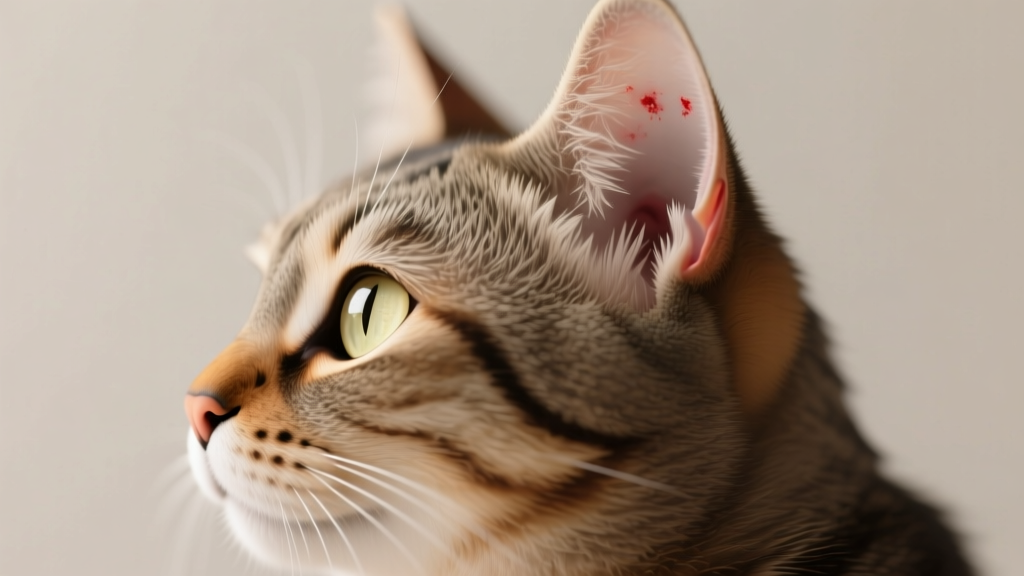
Most cat owners are familiar with common parasites like fleas, roundworms, and tapeworms. Acanthocephalans—sometimes called “thorny-headed worms”—are far less common, but they can cause significant digestive upset and, in rare cases, serious intestinal damage. “Feline Gigantorhynchus” is a phrase you may see used online to describe a large acanthocephalan infection in a cat. While cats are not the typical host for many of these worms, infections can happen, especially in cats that hunt or spend time outdoors.
Knowing what acanthocephalans are, how cats get them, and what warning signs to watch for can help you act quickly and protect your cat’s comfort and long-term health. If your cat has ongoing vomiting, diarrhea, weight loss, or abdominal pain—especially with a history of hunting—your veterinarian should be involved early.
2. Overview: What Is a “Large Acanthocephalan” in Cats?
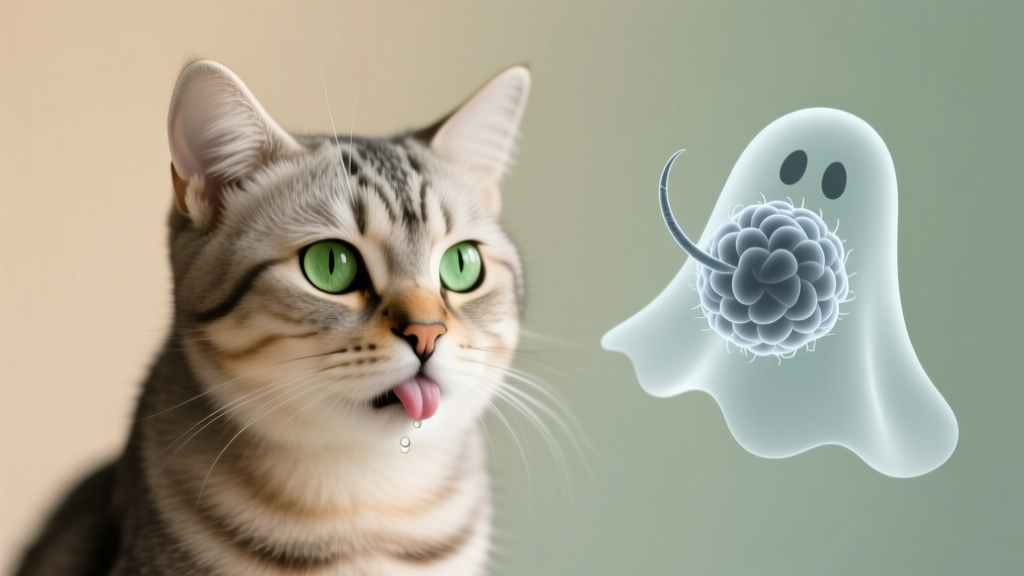
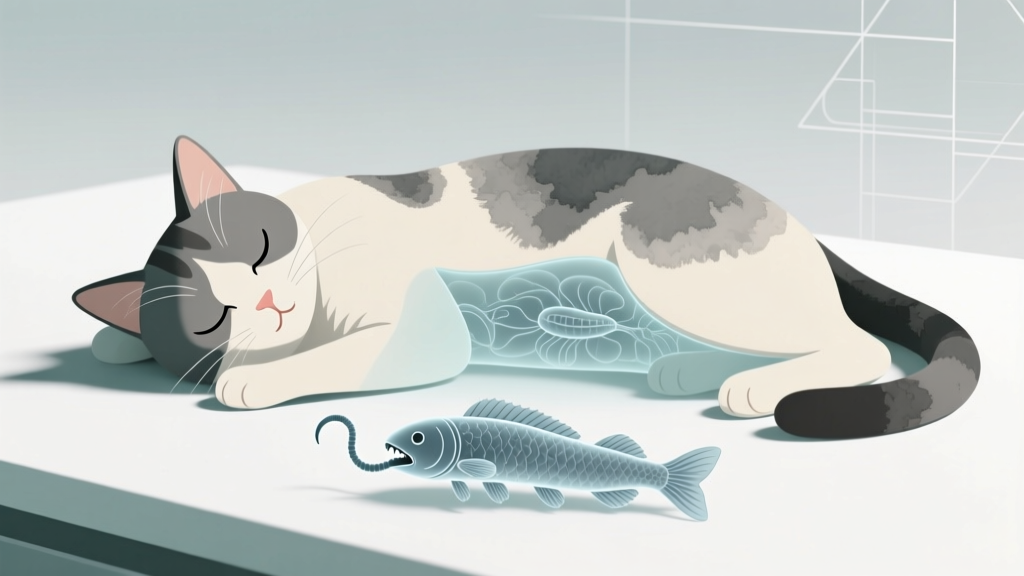
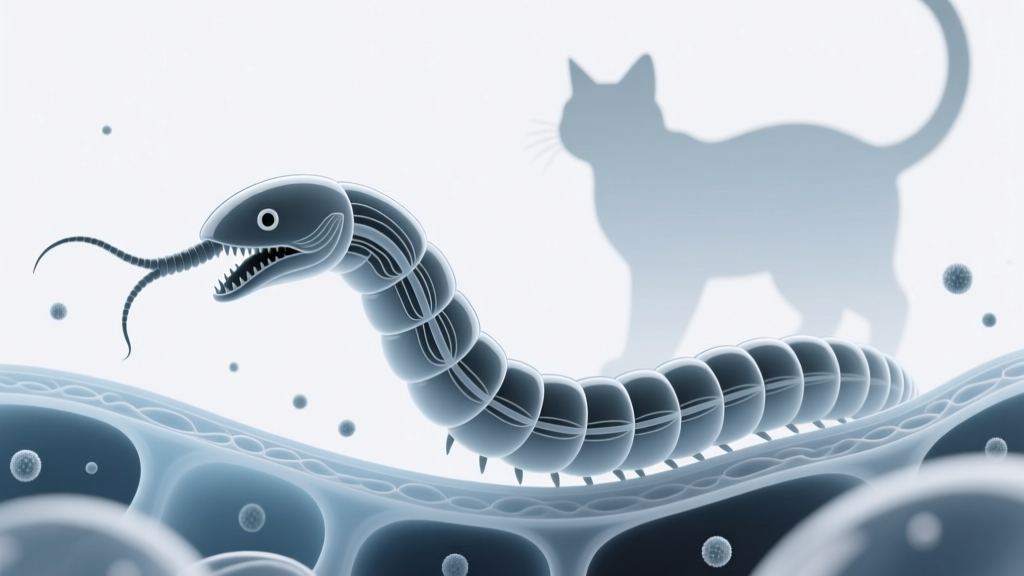
Acanthocephalans are intestinal parasites with a distinctive “spiny” or “thorny” proboscis (a protruding structure) that they use to anchor themselves to the intestinal wall. This attachment can irritate the lining of the intestines and, depending on the worm burden and location, may lead to inflammation, pain, and poor nutrient absorption.
Key points in plain language:
- Where they live: Most commonly in the small intestine.
- How they cause problems: They latch onto the intestinal lining with a spiny attachment organ, which can cause irritation and inflammation.
- Why “large” matters: A larger worm or a heavy infestation may increase the risk of intestinal injury or blockage-like symptoms.
- Why the name is confusing: “Gigantorhynchus” is a genus name used for certain acanthocephalans in other animals. Cats are not classic hosts, but cats can act as accidental hosts depending on local ecology and prey species.
Acanthocephalan infections in cats are considered uncommon in many regions, and diagnosis can be tricky. That’s one reason persistent, unexplained gastrointestinal signs deserve a veterinary workup rather than repeated home trials of diet changes alone.
3. Symptoms and Warning Signs to Watch For
Some cats have mild symptoms that come and go. Others can develop more significant digestive upset. Signs often overlap with many other gastrointestinal conditions, so veterinary evaluation is essential.
Possible symptoms include:
- Vomiting (occasional or frequent)
- Diarrhea or softer stools
- Mucus in the stool
- Straining or discomfort when defecating
- Decreased appetite or picky eating that is new
- Weight loss or poor body condition despite eating
- Abdominal discomfort (hunched posture, guarding belly, reluctance to be picked up)
- Lethargy or reduced playfulness
- Dull coat or reduced grooming
What you can do right away at home:
- Track vomiting/diarrhea episodes: date, frequency, and appearance.
- Take photos of abnormal stool or vomit (gross but helpful for your vet).
- Bring a fresh stool sample to your appointment (your clinic can tell you how to store it).
- Do not give over-the-counter dewormers without veterinary guidance—wrong products or dosing can delay diagnosis or cause side effects.
4. Causes and Risk Factors
Acanthocephalans typically have an indirect life cycle. That means a cat doesn’t get infected directly from another cat’s stool in the same straightforward way as some parasites. Instead, the parasite usually develops in an intermediate host, and infection occurs when the final host eats that intermediate host (or an animal that has eaten it).
Commonly involved intermediate/paratenic hosts may include:
- Insects (such as beetles)
- Crustaceans (in some species)
- Small prey animals that have eaten infected insects (rodents, reptiles, amphibians)
Risk factors for cats include:
- Outdoor access (even “supervised” yard time)
- Hunting behavior (mice, birds, lizards, frogs)
- Living in rural areas or near wooded/field environments
- Access to compost piles, barns, sheds, or areas with insects and small wildlife
- Multi-pet homes where one pet brings in prey (less common but possible)
Indoor-only cats can still be exposed in certain situations (e.g., catching insects indoors), but the risk is typically much lower than for cats that hunt.
5. Diagnosis: What to Expect at the Vet
Because acanthocephalan infections are uncommon and can mimic other digestive disorders, diagnosis often involves a step-by-step process. Your veterinarian will focus on ruling out more common causes first while still keeping parasites on the list—especially if your cat has hunting exposure.
Typical veterinary evaluation may include:
- History and lifestyle review: Outdoor access, hunting, diet, travel history, prior deworming, and symptom timeline.
- Physical exam: Weight check, hydration status, abdominal palpation, gum color, body condition.
- Fecal testing:
- Fecal flotation (looking for eggs). Some parasite eggs are shed intermittently, so one test may not catch it.
- Fecal centrifugation and/or specialized techniques if initial tests are negative but suspicion remains.
- In some cases, repeat fecal tests over several days.
- Bloodwork: To assess dehydration, anemia, inflammation, protein levels, and organ function—especially if vomiting/diarrhea has been ongoing.
- Imaging:
- Abdominal X-rays if obstruction or severe gas patterns are suspected.
- Ultrasound to evaluate intestinal wall thickness, inflammation, and look for other causes (foreign body, masses, pancreatitis).
Why diagnosis can be challenging: Eggs may be difficult to detect, and not all labs see these parasites commonly. If your vet suspects a less typical parasite, they may recommend sending a sample to a reference laboratory or consulting a parasitologist.
6. Treatment Options: Medical, Surgical, and Home Care
Treatment depends on how sick your cat is, the suspected parasite species, and whether complications (like severe inflammation or intestinal injury) are present. Always follow a veterinarian’s plan—parasite treatment is not “one size fits all.”
Medical treatment
- Targeted deworming medication: Your veterinarian may prescribe an anthelmintic based on suspected parasite type and local prevalence. Some common dewormers used for roundworms/tapeworms may not be effective against acanthocephalans, so prescription choice matters.
- Supportive care:
- Anti-nausea medication for vomiting
- Probiotics or gut-protectant medications (as advised)
- Fluids (subcutaneous or IV) if dehydrated
- Nutritional support if weight loss is significant
- Treatment of secondary issues: If there is bacterial overgrowth, severe intestinal inflammation, or anemia/protein loss, additional medications may be needed.
Surgical treatment
Surgery is not commonly needed for intestinal parasites, but it can be lifesaving if complications occur.
- When surgery may be considered:
- Suspected intestinal obstruction
- Intestinal perforation (tear) or severe localized damage
- A mass-like effect from heavy infestation or severe inflammation that does not respond to medical care
- What surgery might involve: Exploratory surgery to locate the problem, removal of damaged intestinal sections if necessary, and supportive hospitalization.
Home care during recovery
Practical steps you can take immediately (with your vet’s approval):
- Give medications exactly as prescribed: Set phone reminders; finish the full course.
- Feed a vet-recommended diet: Many cats do best with a bland or gastrointestinal prescription diet short-term.
- Hydration support: Encourage drinking with multiple water stations or a fountain; ask your vet if wet food should be increased.
- Litter box monitoring: Note stool frequency, consistency, and any blood or mucus.
- Limit hunting exposure: Keep your cat indoors during treatment and until your vet confirms the risk is reduced.
7. Prevention Strategies and Early Detection Tips
Prevention focuses on reducing exposure to intermediate hosts and catching gastrointestinal problems early.
Prevention checklist:
- Keep cats indoors when possible: Indoor cats have dramatically lower parasite exposure overall.
- Use a secure catio or supervised harness walks: Great compromise for enrichment with less hunting.
- Reduce hunting opportunities: Dusk and dawn are peak hunting times; keep cats inside then.
- Control insects in and around the home: Address beetles/roaches and limit access to basements/garages where insects gather.
- Routine veterinary fecal exams: Even if your cat seems healthy, annual (or vet-recommended) screening can catch parasites early—especially for outdoor cats.
- Discuss parasite prevention with your veterinarian: Your cat’s ideal prevention plan depends on lifestyle, region, and overall health.
Early detection tip: If your cat has intermittent vomiting or chronic soft stools for more than a week or two, schedule a vet visit rather than repeatedly switching foods at home. Parasites are only one possibility, but they’re a treatable one when identified.
8. Prognosis and Quality of Life Considerations
With timely veterinary care, many cats recover well—especially when the infection is caught before significant intestinal injury occurs. Prognosis depends on:
- How long symptoms have been going on
- Parasite burden (how many worms are present)
- Whether the intestines have been damaged (ulcers, severe inflammation, perforation)
- Your cat’s age and overall health (kittens, seniors, and cats with chronic illness may need closer monitoring)
Quality of life focus: The goal is not only eliminating the parasite, but also restoring normal appetite, comfortable digestion, hydration, and weight. Follow-up appointments and repeat fecal testing may be recommended to confirm clearance and ensure your cat is truly back on track.
9. When to Seek Emergency Veterinary Care
Many parasite-related stomach issues can be handled with an urgent (same-week or next-day) appointment. Certain signs, however, warrant emergency evaluation.
Seek emergency care right away if your cat has:
- Repeated vomiting with inability to keep water down
- Severe lethargy, collapse, or profound weakness
- Bloated or painful abdomen, crying when picked up, or hiding and unwilling to move
- Black, tarry stool or obvious blood in stool
- Signs of dehydration (tacky gums, sunken eyes, very low urine output)
- Suspected toxin exposure or foreign body ingestion along with GI signs
If you’re unsure, call your veterinary clinic or an emergency hospital for guidance. It’s always better to ask than to wait too long.
10. FAQ: Common Questions from Cat Owners
Can my cat give acanthocephalans to me or my children?
The risk of direct transmission from cat to human is generally considered low for most acanthocephalans because they often require an intermediate host (like an insect) to complete their life cycle. That said, good hygiene is still essential. Wash hands after cleaning the litter box, and keep kids away from feces. If anyone in the household has gastrointestinal symptoms and you’re worried, consult a physician.
Will a routine dewormer from the pet store fix this?
Not reliably. Over-the-counter dewormers vary in what they treat, and some parasite types require specific medications and dosing. Using the wrong product may temporarily change symptoms while delaying the right diagnosis. If acanthocephalans are suspected, work with your veterinarian for targeted treatment.
My cat is indoor-only. Should I still worry?
Indoor-only cats have a much lower risk, but it’s not zero—especially if they hunt insects indoors or if other pets bring in prey. If your indoor cat has chronic vomiting or diarrhea, parasites are still one possible cause among many, and a fecal test is a sensible step.
How soon will my cat feel better after treatment?
Some cats improve within days once the parasite is addressed and nausea/diarrhea are controlled. Others may need a few weeks for the intestinal lining to settle down, especially if there was significant inflammation or weight loss. Your vet may recommend follow-up fecal testing to confirm the infection is cleared.
Do I need to treat my other pets too?
Possibly, depending on what your veterinarian finds and your pets’ lifestyles. If other pets share hunting exposure, outdoor access, or similar symptoms, your vet may recommend testing or preventive treatment. Don’t medicate other pets without veterinary advice—different species (and even different cats) may require different medications and doses.
What’s the single best step I can take to prevent unusual parasites like this?
Limit hunting and outdoor exposure as much as you reasonably can. For cats that must go outside, talk with your veterinarian about a prevention plan, schedule routine fecal exams, and pay attention to subtle changes in appetite, stool quality, and weight.
If you suspect your cat may have a parasite—or if digestive issues are lingering—schedule an exam with your veterinarian. Prompt, professional care is the safest route to relief and recovery.
For more practical, vet-informed cat health guidance, visit catloversbase.com and explore our growing library of feline wellness resources.