Cat Angiostrongylus: Rat Lungworm Neurological Disease
1. Why this topic matters to cat owners
Most cat parents know to watch for fleas, ticks, and intestinal worms. Fewer have heard of rat lungworm infections and the neurological problems they can trigger. One reason this topic deserves attention is that the early signs can look like many other conditions—mild wobbliness, unusual behavior, or a cat that “just seems off.” In some cases, symptoms progress quickly and require urgent veterinary care.
Angiostrongylus parasites are best known for causing disease in other species (including dogs and, in certain regions, people), but cats can be exposed too—especially cats that hunt, roam outdoors, or live in areas with abundant rats and snails/slugs. Understanding the risks, warning signs, and what your veterinarian can do helps you act early and protect your cat’s quality of life.
2. Overview: What is Angiostrongylus (rat lungworm) disease in cats?
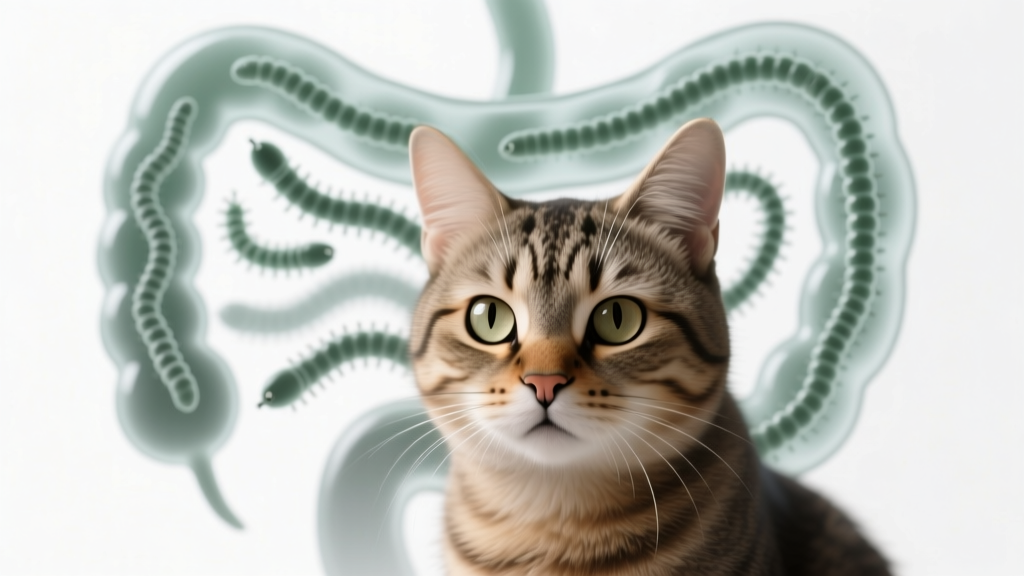
Angiostrongylus is a genus of parasitic roundworms (nematodes). The term “rat lungworm” commonly refers to Angiostrongylus cantonensis, a parasite whose natural life cycle involves rats and snails/slugs. The adult worms live in rats, and larvae are passed in rat droppings. Snails and slugs pick up the larvae, and the parasite develops further inside them.
Cats are not the “normal” target host for this parasite. When a cat becomes infected, the parasite may migrate abnormally through the body. This can cause inflammation in the brain and spinal cord (often described as meningoencephalitis or eosinophilic meningitis), leading to neurological signs. Some cats may also have respiratory signs depending on the species involved and where the parasite migrates.
Because cats are not the typical host, the infection can be unpredictable: some cats may have mild signs and recover with supportive care, while others can develop significant neurologic impairment. Prompt veterinary assessment makes a real difference, especially when symptoms are progressing.
3. Symptoms and warning signs to watch for
Signs can vary based on where inflammation occurs (brain vs. spinal cord), how intense the immune response is, and whether other organs are affected. Contact your veterinarian if you notice any of the following—especially if multiple signs appear together or worsen over hours to days.
Common neurological signs
- Wobbliness or unsteady walking (ataxia)
- Weakness, stumbling, dragging toes, or difficulty jumping
- Head tilt, circling, or loss of balance
- Tremors or muscle twitching
- Abnormal eye movements (nystagmus)
- Neck pain or sensitivity to being picked up
- Behavior changes (hiding, confusion, reduced interaction)
- Seizures (any seizure is an emergency)
General (non-specific) signs
- Reduced appetite or not eating
- Lethargy, sleeping more than usual
- Fever (may be subtle at home)
- Vomiting (sometimes)
Possible respiratory signs (less common, but possible)
- Coughing
- Increased breathing effort or rapid breathing
- Exercise intolerance (tiring easily)
Practical tip: If your cat seems unsteady, record a short video on your phone. Videos help your veterinarian see gait changes that may not happen in the exam room.
4. Causes and risk factors
Cats typically become exposed when they ingest larvae through prey or contaminated items in the environment. Risk is influenced by geography and lifestyle.
How cats may be exposed
- Eating snails or slugs (directly or incidentally while eating grass or drinking from outdoor bowls)
- Hunting and eating prey that has consumed snails/slugs (such as rodents, frogs, lizards, or birds in some regions)
- Contact with slime trails on toys, bowls, patios, or plants (the exact risk varies, but avoiding exposure is sensible)
Cats at higher risk
- Outdoor or indoor-outdoor cats
- Strong hunters or cats with high prey drive
- Cats living in areas with lots of rats and abundant snails/slugs (often warm, humid climates)
- Cats that live near gardens, compost piles, or dense ground cover where slugs/snails thrive
Practical tip: If you’ve recently noticed more slugs/snails or rat activity around your home, consider that a meaningful change in your cat’s parasite risk profile and talk with your veterinarian about parasite prevention.
5. Diagnosis: What to expect at the vet
Diagnosing Angiostrongylus-related neurological disease can be challenging because many conditions can cause similar signs (toxins, trauma, inner ear disease, infections, inflammatory brain disease, spinal problems). Your veterinarian’s goal is to stabilize your cat, rule out emergencies, and gather evidence that points toward the right cause.
History and physical/neurologic exam
- Questions about outdoor access, hunting, exposure to slugs/snails, and travel history
- A hands-on exam assessing balance, reflexes, cranial nerves, and pain
Common diagnostic tests
- Bloodwork (CBC/chemistry) to look for inflammation, organ function changes, and sometimes elevated eosinophils
- Fecal testing (may not always detect these parasites in cats)
- Chest imaging (X-rays) if respiratory signs exist
- Advanced imaging (MRI or CT) if brain/spinal cord disease is suspected
- CSF (spinal tap) in selected cases to evaluate inflammation patterns; eosinophils in CSF can support parasitic involvement
- PCR or specialized parasite testing (availability varies by region and lab)
Your veterinarian may also recommend testing for other infectious causes of neurologic disease in cats (depending on your region and your cat’s vaccination status and lifestyle).
What this feels like as an owner: The diagnostic plan often happens in steps. If your cat is unstable, the first step may be stabilization (fluids, anti-nausea medication, seizure control, pain relief) before advanced tests.
6. Treatment options (medical, surgical, and home care)
Treatment is individualized. Because cats can have significant inflammation in the nervous system, therapy often focuses on supporting the cat and reducing inflammation, while also addressing the parasite when appropriate.
Medical treatment
- Antiparasitic medication: Your veterinarian may prescribe an anthelmintic (dewormer) depending on the suspected species and current best practices in your area. Timing and choice matter because killing parasites can sometimes intensify inflammation as the body reacts.
- Anti-inflammatory therapy: Corticosteroids or other anti-inflammatory strategies may be used to reduce damaging inflammation in the brain/spinal cord (only under veterinary guidance).
- Pain control: Neurologic inflammation can be painful. Safe, cat-appropriate pain management may be included.
- Anti-seizure medication: If seizures occur, controlling them quickly helps protect the brain.
- Supportive care: Fluids, anti-nausea meds, appetite support, temperature management, and oxygen support if needed.
Hospital care vs. outpatient care
- Hospitalization may be recommended for cats that can’t walk safely, are dehydrated, are vomiting repeatedly, have seizures, or need injectable medications/monitoring.
- Outpatient management may be possible for mild, stable cases with reliable at-home monitoring.
Surgical treatment
Surgery is not a typical treatment for Angiostrongylus infections. However, if imaging reveals another urgent problem (for example, a spinal compression from a different cause), surgery might be part of the plan. Your veterinarian or a veterinary neurologist will guide you based on imaging results.
Home care you can do immediately (and safely)
- Strict indoor rest during recovery to prevent falls and reduce stress on the nervous system.
- Create a safe recovery zone: small room, soft bedding, low-sided litter box, food/water nearby.
- Assist with mobility: use rugs for traction; block access to stairs; help your cat get into the litter box if needed.
- Medication routine: give exactly as prescribed; never use leftover dewormers or human anti-inflammatories.
- Track daily progress: appetite, water intake, litter box habits, ability to walk, and any episodes of wobbliness or tremors.
Do not give human medications (including ibuprofen, naproxen, acetaminophen, or human dewormers) unless your veterinarian specifically instructs you. Many are toxic to cats.
7. Prevention strategies and early detection tips
Prevention focuses on reducing exposure and using veterinarian-recommended parasite control when appropriate for your cat’s lifestyle and region.
Reduce exposure at home
- Keep cats indoors or use supervised outdoor time (catio, harness) to reduce hunting and contact with intermediate hosts.
- Remove attractants for rats: secure garbage, clean up fallen fruit, keep pet food indoors, and address compost properly.
- Slug/snail management:
- Pick up pet bowls at night and avoid leaving water/food outdoors.
- Keep patios and walkways clear of debris and dense ground cover.
- Avoid using slug/snail baits unless you have confirmed they are pet-safe and placed in a way pets cannot access. Many baits can be dangerous.
Veterinary prevention
- Ask about parasite prevention tailored to your region. Options vary, and not every product covers every parasite.
- Schedule routine wellness exams so subtle neurologic or respiratory changes are caught early.
Early detection tips
- Pay attention to small coordination changes: missing jumps, hesitating at stairs, or a new “wide stance.”
- Watch for pain signals: growling when picked up, hiding, tense posture.
- If your cat hunts, check for new coughing or breathing changes.
8. Prognosis and quality of life considerations
The outlook depends on how severe the neurologic involvement is, how quickly treatment begins, and how your cat responds to supportive care. Some cats improve significantly over days to weeks, while others may have lingering deficits such as mild wobbliness or weakness.
Quality of life support
- Adapt the home for safety: ramps or steps to favorite spots, non-slip surfaces, and easy access to litter and food.
- Nutrition and hydration matter during recovery; your veterinarian may recommend appetite support or a temporary diet change.
- Follow-up visits help adjust medications and assess neurologic recovery.
If your cat is recovering but “not quite back to normal,” that doesn’t always mean the situation is hopeless. Nerves and inflammation can take time to settle. Your vet can help you track meaningful improvement and set realistic expectations.
9. When to seek emergency veterinary care
Seek emergency care the same day (or immediately) if your cat has any of the following:
- Seizures or collapse
- Sudden inability to stand or walk
- Severe disorientation, nonstop circling, or extreme weakness
- Severe pain (crying out, unable to rest, aggressive when touched)
- Trouble breathing, open-mouth breathing, or blue/gray gums
- Repeated vomiting with lethargy or dehydration
If you’re unsure whether it’s an emergency, call your veterinarian or an emergency clinic for guidance. It’s always appropriate to ask.
10. FAQ: Common questions from cat owners
Can indoor cats get rat lungworm?
It’s much less common, but not impossible. Indoor cats may be exposed if snails/slugs enter the home (especially in damp climates), if prey animals get inside, or if an indoor cat has occasional outdoor access. Risk is highest for cats that hunt or roam outdoors.
Is Angiostrongylus contagious from cat to cat (or cat to people)?
This parasite typically requires a specific life cycle involving rats and snails/slugs. Direct cat-to-cat spread is not considered a typical route. Human risk is more commonly linked to ingesting contaminated raw produce or intermediate hosts in affected regions. If you’re worried about household risk, ask your veterinarian and follow local public health guidance.
Will a regular dewormer prevent this?
Not always. Different dewormers cover different parasites, and coverage can vary by product and country. The best approach is to discuss your cat’s lifestyle (hunter vs. indoor-only) and your region with your veterinarian, who can recommend an appropriate parasite prevention plan.
How quickly do symptoms show up after exposure?
The timeline can vary depending on the parasite species and the cat’s immune response. Some cats may show signs days to weeks after exposure, while others may not show noticeable signs until inflammation is more advanced. Because timing is variable, it’s best to focus on recognizing symptoms and seeking veterinary care promptly.
What should I bring to the vet to help with diagnosis?
- A video of abnormal walking, tremors, or behavior
- A list of current medications and preventatives
- Notes on outdoor access, hunting habits, and recent prey encounters
- Any information about slug/snail or rat activity near your home
Can my cat recover fully?
Some cats recover very well, especially with early veterinary care and good supportive treatment. Others may have residual neurologic changes that can often be managed with home adjustments and follow-up care. Your veterinarian can give the most accurate prognosis after an exam and any needed testing.
If your cat has any neurologic symptoms—wobbliness, weakness, head tilt, tremors, or seizures—schedule a veterinary visit as soon as possible. Early care is the safest path, and your veterinary team can guide you step-by-step.
For more cat health articles, prevention tips, and caregiver-friendly guidance, visit catloversbase.com.