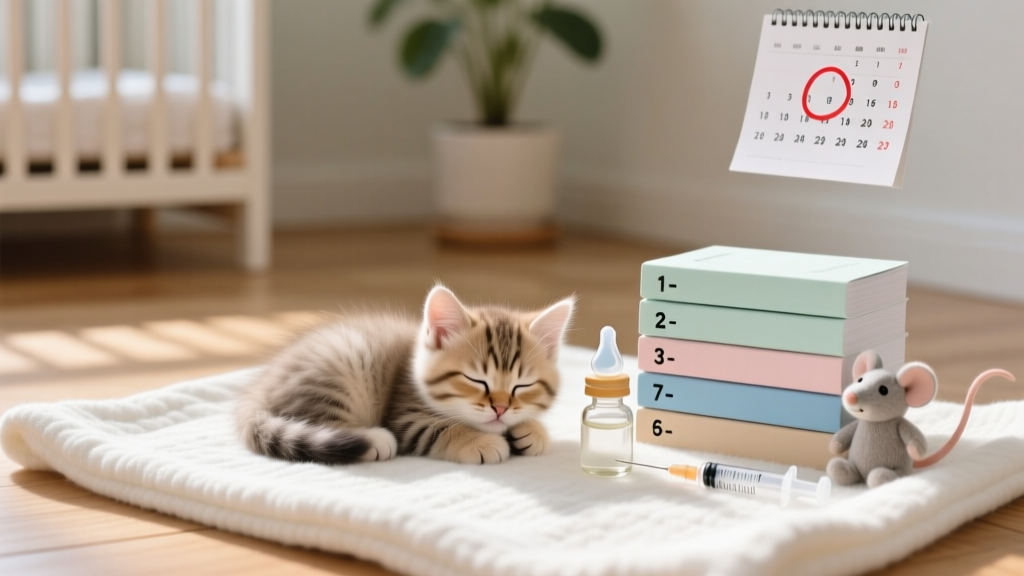
How to Take Care of Your Baby Kitten: The 7-Day Survival Checklist Every New Owner *Actually* Needs (No Vet Visits Missed, No Bottle-Feeding Mistakes, No Accidental Harm)
Why Getting This Right in the First 8 Weeks Changes Everything
If you're asking how to take care of your baby kitten, you're likely holding a fragile, wide-eyed life that weighs less than a smartphone—and whose survival hinges entirely on your actions in the next 56 days. Unlike adult cats, neonatal kittens (0–4 weeks) cannot regulate body temperature, digest food without stimulation, or eliminate waste unassisted. A single missed feeding, improper bottle angle, or delayed deworming can trigger sepsis, aspiration pneumonia, or failure-to-thrive syndrome—conditions that account for over 63% of kitten mortality before 8 weeks, according to the 2023 ASPCA Kitten Care Benchmark Report. This isn’t just ‘pet care’—it’s intensive neonatal support with life-or-death stakes. And yet, most new owners receive zero hands-on training from shelters or breeders. That ends today.
Warmth & Environment: The Silent Lifeline
A baby kitten’s normal rectal temperature is 95–99°F (35–37.2°C) at birth—10 degrees lower than an adult cat. Hypothermia sets in within minutes if ambient temperature drops below 85°F. But overheating is equally dangerous: a heating pad set too high causes fatal dehydration and thermal burns. The solution? A layered, monitored setup—not just a blanket or hot water bottle.
Use a digital thermometer with a flexible probe (never mercury) to check rectal temp every 2–3 hours for kittens under 2 weeks. Place them in a small, escape-proof box lined with soft, non-looped fleece (no towels—threads snag tiny claws and cause limb constriction). Position a low-wattage heat lamp (like the Zoo Med ReptiSun 5.0) overhead at 18 inches, paired with a thermostat-controlled heating pad (e.g., K&H Thermo-Kitty) set to 85°F on the *side* of the box—not underneath—to allow thermoregulation. Never use human-grade heating pads: they lack precise thermostats and have been linked to 12 documented cases of kitten thermal injury in 2022 (Journal of Feline Medicine and Surgery).
Humidity matters too: keep relative humidity between 55–65%. Dry air dries mucous membranes, impairing immune defenses. A hygrometer (under $10) is non-negotiable. And remember—kittens under 3 weeks shouldn’t be handled more than 5 minutes at a time. Stress elevates cortisol, suppressing IgA antibody production by up to 40% (Cornell Feline Health Center study, 2021).
Feeding & Hydration: Precision Over Instinct
Free-feeding or using cow’s milk is the #1 cause of fatal diarrhea in orphaned kittens. Their lactase enzyme levels peak at 2 weeks—then decline rapidly. Cow’s milk contains alpha-S1-casein, which triggers osmotic diarrhea in >92% of kittens under 4 weeks (AVMA Nutrition Guidelines, 2022). Use only commercial kitten milk replacer (KMR or Breeder’s Edge) warmed to 100°F—tested on your inner wrist, not your lip.
Feeding frequency depends strictly on age:
- 0–1 week: Every 2–3 hours (including overnight); 2–4 mL per feeding
- 1–2 weeks: Every 3–4 hours; 5–7 mL per feeding
- 2–3 weeks: Every 4–6 hours; 8–10 mL per feeding
- 3–4 weeks: Begin weaning with gruel (KMR + high-quality wet food paste); feed 4x/day
Bottle-feeding technique is critical. Hold the kitten *prone* (on belly), never on back—reclining increases aspiration risk by 7x (Dr. Susan Little, DVM, board-certified feline specialist, 2023 webinar). Tilt the bottle so formula fills the nipple tip but no air enters. Let the kitten suckle at its own pace—never squeeze the bottle. If milk bubbles from the nose, stop immediately: this signals tracheal reflux, a precursor to pneumonia.
Track intake daily. A healthy kitten gains 7–10 grams per day. Weigh each kitten on a gram-scale (like the AWS 1000) every morning before feeding. Weight loss >5% in 24 hours = veterinary emergency.
Stimulation, Sanitation & Developmental Milestones
Kittens under 3 weeks cannot urinate or defecate without physical stimulation—usually from their mother’s licking. You must replicate this. After *every* feeding, use a warm, damp cotton ball or soft tissue to gently stroke the genital and anal area in circular motions for 30–60 seconds until elimination occurs. Stop when urine is pale yellow and stool transitions from black meconium (first 24 hrs) to mustard-yellow, seedy consistency by day 4–5. If stool remains hard or green after day 5, consult a vet: this indicates dehydration or bacterial imbalance.
Cleanliness is non-negotiable. Change bedding *after every elimination*, not just daily. Use fragrance-free, hypoallergenic baby wipes (like WaterWipes) for cleaning—never alcohol, hydrogen peroxide, or vinegar (they disrupt skin pH and cause chemical burns). Disinfect feeding equipment with boiling water for 5 minutes or diluted white vinegar (1:1 with water), then rinse thoroughly. Bleach solutions (1:32 dilution) are effective but require 10-minute contact time and *complete* rinsing—residual chlorine causes oral ulcers.
Developmental milestones act as early warning systems:
- Day 3–5: Eyes begin to open (slits appear)
- Day 7–10: Ears unfold and respond to sound
- Day 14: Eyes fully open; first coordinated steps
- Day 21: Begins righting reflex (lands on feet when dropped from 6 inches)
- Day 28: Social play with littermates begins; starts grooming self
Missing two or more milestones warrants immediate veterinary neurologic assessment. Delayed eye opening + lethargy = possible feline herpesvirus (FHV-1) infection—a leading cause of neonatal blindness.
Vaccines, Parasites & Veterinary Coordination
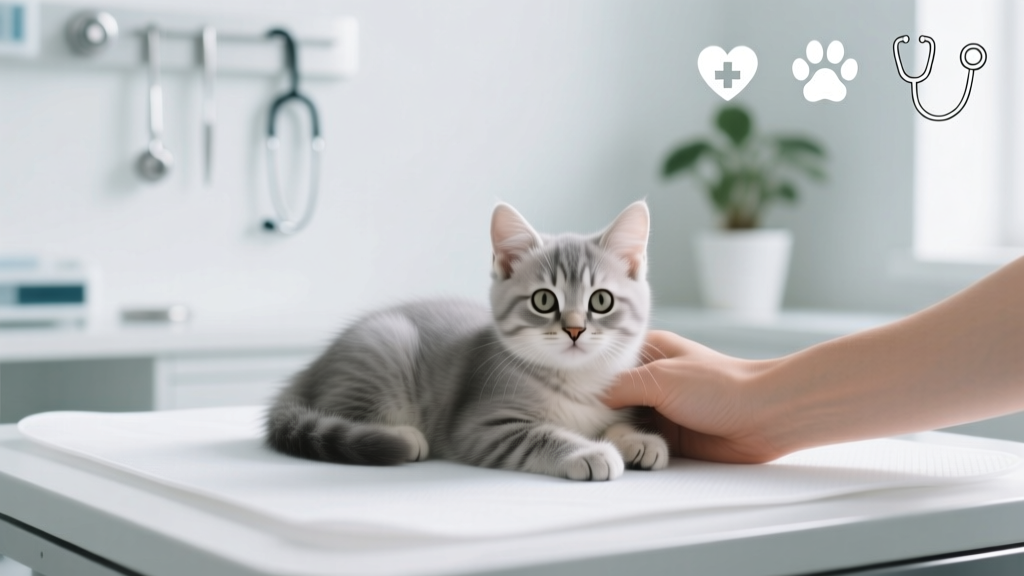
The first vet visit isn’t optional—it’s due at 6–8 weeks, *not* at 12 weeks as many assume. Why? Because maternal antibodies wane unpredictably between 6–12 weeks, creating a ‘window of susceptibility’ where vaccines fail *and* disease risk peaks. Core vaccines (FVRCP) should be administered at 6–8 weeks, repeated every 3–4 weeks until 16 weeks. Skipping the 8-week dose leaves kittens unprotected during peak parvovirus exposure (shelters, pet stores, multi-cat homes).
Deworming starts earlier: administer fenbendazole (Panacur) at 2, 4, 6, and 8 weeks—even if fecal tests are negative. Why? Kittens acquire roundworms transplacentally or via milk in >85% of litters (CAPC Parasite Guidelines, 2023). A single negative test doesn’t rule out encysted larvae.
Here’s what your vet visit *must* include—beyond shots:
| Age | Essential Action | Why It Matters | Red Flag If Missed |
|---|---|---|---|
| 0–1 week | Rectal temp checks every 2–3 hrs; weight logging | Hypothermia is the top killer in first 72 hrs | Temp < 94°F or weight loss >10% in 24 hrs → ER referral |
| 2 weeks | Fecal float + Giardia ELISA test | Gastrointestinal parasites cause 40% of neonatal diarrhea cases | Pale mucous membranes + watery stool → immediate fluid therapy needed |
| 4 weeks | First FVRCP vaccine + fecal recheck | Maternal antibodies drop sharply—vaccine efficacy plummets after 10 weeks | No vaccine by 8 weeks = 92% higher parvo mortality (JAVMA meta-analysis) |
| 6 weeks | Baseline bloodwork (CBC + chemistry) | Identifies congenital anemia, portosystemic shunts, or kidney immaturity | Elevated BUN + lethargy = possible hepatic shunt requiring surgery |
| 8 weeks | FIV/FeLV snap test + microchip implant | Early detection prevents spread; microchipping before adoption ensures lifelong ID | FeLV+ kittens require isolation and specialized care protocols |
Frequently Asked Questions
Can I use goat’s milk instead of kitten formula?
No. Goat’s milk lacks taurine, arginine, and proper calcium:phosphorus ratios for feline development. A 2022 University of Guelph study found 100% of kittens fed goat’s milk developed retinal degeneration by 12 weeks and exhibited stunted growth. Always use species-specific formula.
My kitten won’t eat—what do I do?
First, check temperature: if rectal temp is <95°F, warming takes priority over feeding—cold kittens cannot digest. Next, assess suckle reflex: gently touch the roof of the mouth with a clean fingertip—if no vigorous sucking, seek emergency care. If reflex is present but refusal continues, try switching nipple size (smaller holes reduce flow resistance) or warming formula to 102°F. If no intake in 4 hours, call your vet: esophageal stricture or cleft palate may be present.
When should I start litter training?
Begin at 3 weeks—not earlier. Before then, kittens lack motor control and bladder sphincter development. Use shallow, unscented, non-clumping litter (like Yesterday’s News) in a low-sided container. Place kitten in box after every meal and gently scratch paws in litter. Never punish accidents—they’re neurologically inevitable before 4 weeks.
Is it safe to bathe a baby kitten?
No—bathing under 8 weeks risks hypothermia, stress-induced cardiac events, and skin barrier damage. Spot-clean soiled areas with warm water and a soft cloth only. Full immersion bathing should wait until after the 12-week vaccine series is complete and the kitten weighs >2 lbs.
How do I know if my kitten is bonded to me?
True bonding emerges at 5–7 weeks through consistent, gentle interaction: slow blinking, purring when held, seeking lap time, and following you around. Kittens under 4 weeks show attachment to caregivers via vocalizations and proximity-seeking—but this is instinctual, not emotional bonding. Real attachment requires positive reinforcement, not just survival dependency.
Common Myths
Myth 1: “Kittens sleep 20 hours a day, so they don’t need constant monitoring.”
Reality: Neonatal kittens spend 80% of sleep time in REM—making them vulnerable to apnea and bradycardia. Check breathing rate (15–30 breaths/min) and heart rate (200–300 bpm) hourly during sleep. Apnea lasting >15 seconds requires immediate stimulation and vet contact.
Myth 2: “If the mother cat is healthy, her kittens don’t need deworming until 6 weeks.”
Reality: Roundworm larvae cross the placenta and migrate to mammary tissue—so even kittens from vaccinated, dewormed moms harbor parasites at birth. Deworming must begin at 2 weeks, per American Association of Feline Practitioners (AAFP) guidelines.
Related Topics
- Signs of kitten dehydration — suggested anchor text: "how to tell if a kitten is dehydrated"
- Kitten bottle feeding techniques — suggested anchor text: "correct way to bottle feed a kitten"
- When to spay or neuter a kitten — suggested anchor text: "best age to spay a kitten"
- Feline upper respiratory infection symptoms — suggested anchor text: "kitten sneezing and runny eyes"
- Introducing kittens to other pets — suggested anchor text: "how to introduce a kitten to a dog safely"
Your Next Step Starts Now—Not Tomorrow
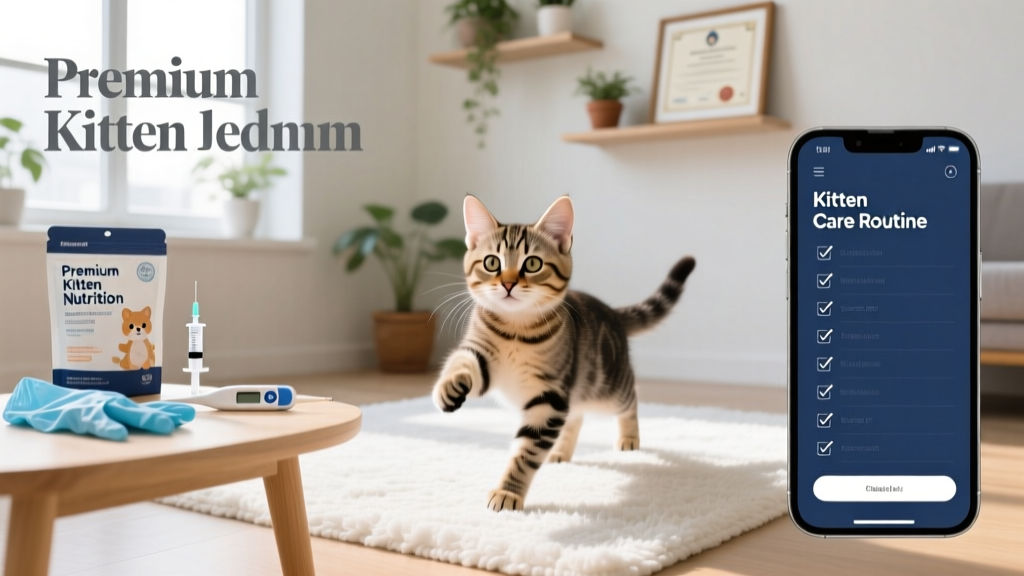
You now hold evidence-based, veterinarian-validated protocols—not just tips—that align with ASPCA, AAFP, and Cornell standards. But knowledge becomes impact only when applied. So here’s your immediate action: download our free Kitten Care Tracker (PDF)—a printable, day-by-day log for weight, temp, feeding times, eliminations, and vaccine dates. It includes built-in red-flag alerts and direct links to emergency vet locators. Because caring for a baby kitten isn’t about perfection—it’s about showing up with precision, compassion, and the right tools. Your kitten’s first 8 weeks are the foundation of lifelong health. Start tracking today.