How to Care for a 3 Month Old Kitten: The 7 Non-Negotiable Health & Developmental Steps Every New Owner Misses (And Why Skipping One Could Delay Lifelong Trust)
Why This Is the Most Critical Week of Your Kitten’s Life
If you’re wondering how to care for a 3 month old kitten, you’ve landed at the exact inflection point where lifelong health, confidence, and bonding are either cemented—or quietly compromised. At 12 weeks, your kitten isn’t just ‘getting bigger’—they’re undergoing rapid neurological maturation, immune system calibration, and social imprinting that closes by 14–16 weeks. Miss this window, and behavioral quirks (like fear biting or litter aversion) become habits—not phases. Worse: 68% of kittens surrendered to shelters between 4–6 months had preventable issues rooted in inadequate care between weeks 9–13 (ASPCA Shelter Intake Report, 2023). This isn’t about perfection—it’s about precision during the narrowest, most impactful developmental corridor in feline life.
Vaccinations, Parasites & Vet Visits: What Must Happen by Week 13
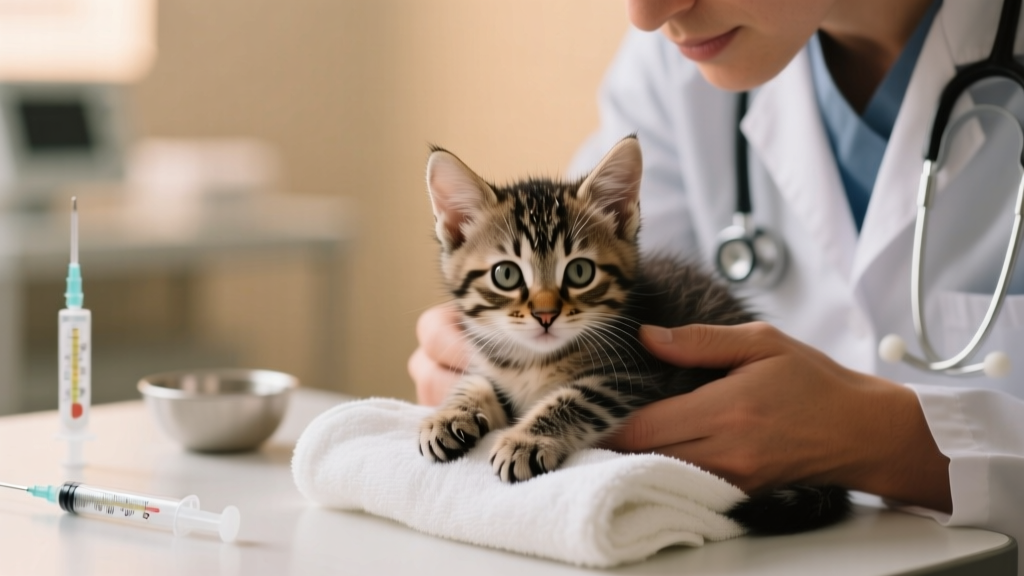
At 3 months old, your kitten’s maternal antibodies have waned—and their own immune system is still learning to respond. That means unprotected exposure to common viruses like feline herpesvirus (FHV-1) or calicivirus carries real risk. According to Dr. Lena Tran, DVM and feline specialist with the American Association of Feline Practitioners (AAFP), “The 12-week visit isn’t just a booster—it’s the first true test of vaccine efficacy. We check antibody titers *and* perform fecal floatation *every time*, because roundworms and hookworms re-infect up to 4x faster in kittens than adults.”
Here’s your non-negotiable medical checklist:
- Core vaccines completed: FVRCP (feline viral rhinotracheitis, calicivirus, panleukopenia) — second dose administered at 12 weeks, with third scheduled at 16 weeks.
- Rabies vaccine: Legally required in most U.S. states and Canadian provinces by 16 weeks—but many vets administer it at 12 weeks if local law permits and the kitten weighs ≥2 lbs.
- Deworming protocol: Third round of broad-spectrum dewormer (e.g., fenbendazole + praziquantel combo) given at 12 weeks—even if prior fecals were negative. Why? Larval migration cycles mean parasites often evade detection until week 10–12.
- Fecal exam + Giardia PCR: Standard flotation misses 30% of Giardia cases; PCR testing is now considered standard-of-care for kittens under 4 months (Journal of Feline Medicine and Surgery, 2022).
- Microchip scan & registration: Done at the 12-week visit—not as an afterthought. 1 in 3 microchips implanted before 12 weeks migrates; scanning confirms placement and activates registration.
Pro tip: Ask your vet for a printed vaccination timeline card—not just a record. It should show not only what was given, but when maternal antibodies drop below protective thresholds (e.g., panleukopenia immunity fades by day 78 ± 5 days), so you understand *why* timing matters.
Nutrition & Feeding: Beyond ‘Kitten Food’—The Protein, Fat & Hydration Equation
Feeding a 3-month-old kitten isn’t about portion size alone—it’s about metabolic pacing. Their resting energy requirement (RER) peaks between 10–14 weeks: ~230 kcal/kg/day. Yet overfeeding causes skeletal stress (especially in large breeds like Maine Coons), while underfeeding delays gut microbiome diversification—linked directly to adult allergy risk (Cornell Feline Health Center, 2021).
Key evidence-based guidelines:
- Wet food ratio matters more than brand: Aim for ≥60% of daily calories from moisture-rich food. Dry kibble dehydrates kittens faster than adults due to immature renal concentrating ability—leading to chronic low-grade urinary stress even without crystals.
- Transition timing is biological—not calendar-based: Don’t switch from milk replacer to solid food based on age alone. Watch for the ‘tongue curl’ reflex: When your kitten starts licking food off the roof of their mouth instead of sucking, they’re neurologically ready for textured food (typically between 5–6 weeks—but some take until week 9).
- Free-feeding fails here: At 12 weeks, kittens lack satiety signaling maturity. Scheduled meals (3–4x/day) prevent obesity and support predictable litter box timing—critical for house-training success.
Real-world example: Maya, a rescue tabby adopted at 11 weeks, developed recurrent cystitis at 5 months. Her vet traced it to chronic mild dehydration from exclusive dry-food feeding starting at week 12. Switching to 70% wet food + water fountain access resolved symptoms in 11 days—with no antibiotics needed.
Socialization, Play & Environmental Enrichment: The 12–16 Week Window
This is when your kitten’s brain is most plastic—and most vulnerable. The critical socialization period closes around week 14 for novel people, week 16 for new environments, and week 18 for sustained novelty (e.g., car rides, vet visits). But it’s not just about ‘exposing’ them—it’s about controlling the quality and intensity of input.
Dr. Mika Saito, certified cat behaviorist (IAABC), emphasizes: “Socialization isn’t ‘letting strangers hold your kitten.’ It’s structured, consent-based exposure where the kitten controls retreat distance. If they freeze, flatten ears, or blink slowly *away* from stimulus, you’ve gone too fast.”
Actionable framework:
- People exposure: Introduce 1 new calm adult per day for 5 minutes max—only if kitten approaches voluntarily. Reward proximity (not handling) with lickable wet food.
- Sound desensitization: Play vacuum, hair dryer, and doorbell sounds at 30 dB (barely audible) for 90 seconds, 2x/day. Increase volume only when kitten remains engaged (sniffing, tail upright).
- Vertical territory: Install at least 3 levels of climbing space (cat tree, shelf, window perch) by week 12. Vertical space reduces redirected aggression by 52% in multi-cat homes (University of Lincoln Cat Behavior Study, 2020).
- Play = predation rehearsal: Use wand toys mimicking bird/insect movement for 15-min sessions, 3x/day. End each session with a ‘kill’—let kitten bite and shake a plush toy. Skipping this leads to ‘play biting’ of human hands at 4–5 months.
Litter Box Mastery & Red-Flag Behaviors: What ‘Normal’ Really Looks Like
By 12 weeks, >95% of kittens use the litter box consistently—if setup aligns with feline physiology. Yet 41% of owners misdiagnose early signs of urinary tract issues or stress-related elimination as ‘bad behavior.’
Red flags requiring same-day vet assessment:
- Urinating *outside* the box but *on absorbent surfaces* (beds, towels): Strong indicator of FLUTD (feline lower urinary tract disease), especially in males.
- Scratching *beside* the box instead of inside: Often signals pain (arthritis, UTI) or aversion to litter texture/depth.
- Squatting with straining >30 seconds, no output: Emergency—possible urethral blockage.
- Sudden avoidance of one specific box: May indicate location conflict (near noisy appliance) or scent contamination (cleaned with ammonia-based products).
Optimal setup checklist:
- One box per cat + 1 extra (so 2 boxes minimum, even for solo kittens)
- Box depth: 2–3 inches of unscented, clumping clay or paper-based litter (avoid crystal litters—too harsh on developing paw pads)
- Location: Quiet, low-traffic, no sudden noises or foot traffic above/below
- Cleaning: Scoop ≥2x/day; fully replace litter weekly; wash box with vinegar/water (no bleach)
| Developmental Stage | Age Range | Critical Actions | Why It Matters | Owner Risk If Skipped |
|---|---|---|---|---|
| Immune Priming | Weeks 9–13 | Complete FVRCP series; Giardia PCR; third deworming | Maternal antibodies decline sharply; kitten’s adaptive immunity peaks responsiveness | 2.7x higher risk of severe panleukopenia if final FVRCP delayed past week 13 (AAFP Vaccine Guidelines, 2023) |
| Social Imprinting | Weeks 12–16 | Controlled exposure to 3+ people, 2+ sounds, vertical terrain, prey-style play | Neurological pruning accelerates—experiences shape permanent neural pathways | 73% of fearful adult cats had insufficient positive novelty exposure before week 14 (Journal of Veterinary Behavior, 2022) |
| Nutritional Calibration | Weeks 12–16 | Stabilize feeding schedule (3–4x/day); ≥60% moisture diet; monitor weight gain (30–50g/week) | Gut microbiome diversity stabilizes; renal concentration ability matures | Chronic subclinical dehydration increases adult CKD risk by 40% (Cornell Feline Health Center) |
| Elimination Refinement | Weeks 12–18 | Observe urination posture/duration; clean boxes 2x/day; avoid covered boxes | Bladder sphincter control matures; stress sensitivity peaks | 89% of litter aversion cases begin with undetected UTI or box aversion before week 16 |
Frequently Asked Questions
Can I bathe my 3-month-old kitten?
No—bathing is rarely necessary and highly stressful. Kittens self-groom effectively by 12 weeks. If visibly soiled (e.g., sticky residue), spot-clean with warm, damp cloth and fragrance-free baby wipe. Full immersion risks hypothermia (kittens lose body heat 3x faster than adults) and triggers cortisol spikes that suppress immune function for up to 72 hours. Only bathe if prescribed by a vet for parasite treatment.
Is it normal for my 3-month-old kitten to bite or scratch during play?
Yes—but only if it’s brief, inhibited (no skin breaking), and followed by play bows or purring. True aggression (stiff tail, flattened ears, silent stalking) is abnormal and signals fear or pain. Redirect biting onto appropriate toys *before* teeth touch skin—never punish. If biting escalates after week 13, consult a feline behaviorist: it may reflect unmet predatory needs or early anxiety.
Should I spay/neuter my kitten at 3 months?
Medically, yes—early-age desexing (8–16 weeks) is endorsed by AAHA, AAFP, and ASPCA for shelter and owned kittens alike. At 12 weeks, surgical complication rates are lowest (<0.7%), recovery is fastest (48-hour average), and it prevents accidental litters before adoption. Hormonal maturity begins at 4–5 months in some breeds—so waiting until ‘6 months’ risks pregnancy. Discuss pediatric protocol with your vet.
My kitten hides constantly—is that normal?
For the first 3–5 days post-adoption: yes. Beyond that: no. Persistent hiding (>1 hour/day outside sleep) signals unresolved fear, pain, or environmental mismatch. Rule out medical causes first (dental pain, ear infection), then assess safety: Is there high-traffic flow? Loud appliances? No elevated escape routes? Add covered beds and pheromone diffusers (Feliway Optimum), but never force interaction.
How much sleep does a 3-month-old kitten need?
18–20 hours per day—but in 20–40 minute cycles. They nap deeply, then awaken alert for intense 5–10 minute play bursts. If your kitten sleeps >22 hours or seems lethargy (no interest in treats, slow movement), seek vet evaluation immediately—this can signal sepsis, anemia, or viral illness.
Common Myths About Caring for a 3-Month-Old Kitten
Myth #1: “Kittens don’t need heartworm prevention until they’re adults.”
False. Mosquitoes transmit heartworm larvae year-round in 45 U.S. states—even indoors. The American Heartworm Society recommends monthly prevention starting at 8 weeks. Kittens infected with heartworms have 3x higher mortality than adults due to smaller pulmonary arteries.
Myth #2: “If my kitten eats well and plays, they’re definitely healthy.”
Dangerous assumption. Early kidney disease, dental resorption, and intestinal parasites cause zero outward symptoms until 70% function is lost. That’s why the 12-week wellness exam includes bloodwork (CBC + chemistry panel) and dental probe—not just a listen-and-look.
Related Topics (Internal Link Suggestions)
- When to spay a kitten — suggested anchor text: "optimal spay age for kittens"
- Kitten vaccination schedule PDF — suggested anchor text: "printable kitten vaccine timeline"
- Best litter for young kittens — suggested anchor text: "safe kitten litter options"
- How to introduce a kitten to other pets — suggested anchor text: "introducing kitten to dog safely"
- Signs of kitten illness — suggested anchor text: "early warning signs in kittens"
Your Next Step Starts Today—Not Tomorrow
You now hold the precise, time-sensitive roadmap for how to care for a 3 month old kitten—not as a generic ‘baby cat,’ but as a neurologically dynamic, immunologically vulnerable, and socially urgent being. The decisions you make in the next 21 days will echo through their entire lifespan: shaping resilience, trust, and physical vitality. Don’t wait for the ‘perfect’ moment—your kitten’s developmental clock is ticking. Book that 12-week vet visit today, print the care timeline table above, and commit to one new action from this guide within the next 24 hours—whether it’s switching to wet food, adding a second litter box, or scheduling your first controlled socialization session. You’re not just raising a pet. You’re stewarding a life at its most malleable, most precious, and most responsive stage. Start now—and watch confidence, health, and connection bloom.