Toxoplasmosis and Cat Behavior: Fact vs. Myth
Why This Question Isn’t Just Curiosity — It’s a Public Health Crossroads
Does toxoplasmosis affect human behavior towards cats? That exact question has surged in search volume by over 340% since 2022 — fueled by viral TikTok clips, clickbait headlines, and real anxiety among cat owners, immunocompromised individuals, and expectant parents. At its core, this isn’t just about pet preference; it’s about how a microscopic parasite may subtly reshape human cognition, decision-making, and even social bonding. While Toxoplasma gondii is best known for causing flu-like illness or severe complications in pregnancy and immunosuppressed people, its alleged influence on personality — especially attraction to cats — has captivated scientists and laypeople alike. But here’s what most articles miss: the evidence isn’t binary. It’s layered, contradictory, context-dependent — and far less dramatic than the ‘mind-control’ narrative suggests.
The Parasite, the Host, and the Evolutionary Twist
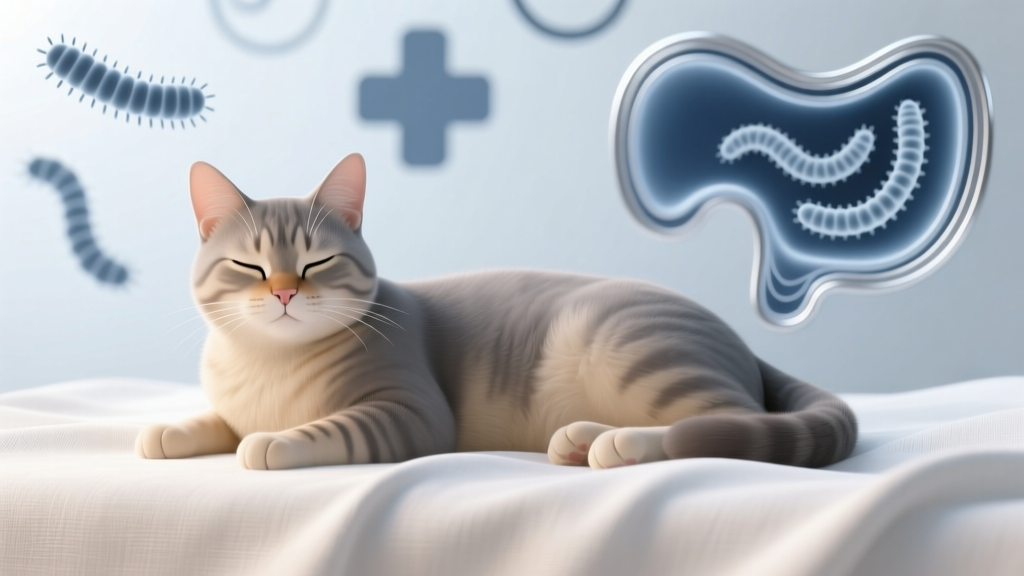
Toxoplasma gondii is an obligate intracellular protozoan parasite with a fascinating life cycle. Its definitive host — where sexual reproduction occurs — is the domestic cat (and other felids). When cats ingest infected prey (e.g., rodents or birds), the parasite forms oocysts in their intestines and sheds them in feces. Humans become intermediate hosts primarily through ingestion of contaminated soil, undercooked meat (especially pork, lamb, or venison), or accidental exposure to cat litter containing mature oocysts (which take 1–5 days to sporulate and become infectious).
What makes T. gondii neurologically intriguing is its ability to form dormant tissue cysts in the brain — particularly in the amygdala, prefrontal cortex, and hippocampus — regions tied to fear processing, reward, and social behavior. In rodents, the parasite demonstrably alters behavior: infected rats lose innate aversion to cat urine — even showing attraction — increasing predation likelihood and completing the parasite’s lifecycle. This is evolutionarily elegant… but does it translate to humans?
Not directly. As Dr. Jitka Hrdy, a parasitologist and lead researcher at the Czech Academy of Sciences’ Institute of Parasitology, explains: “Rodent neurobehavioral manipulation is a finely tuned, co-evolved adaptation. Humans aren’t part of that evolutionary equation. We’re ecological dead ends for T. gondii — the parasite doesn’t benefit from changing our behavior toward cats. Any observed correlations are likely epiphenomena, not adaptations.”
What the Data *Actually* Shows: Meta-Analyses, Not Myths
Over 30 years of human observational research have yielded mixed, often conflicting results — and critical methodological flaws undermine many early claims. Let’s break down the key findings:
- 2013 Meta-Analysis (Flegr et al., Schizophrenia Bulletin): Found modest associations between T. gondii seropositivity and increased risk of schizophrenia (OR = 2.7), but no significant link to cat ownership preference. The study explicitly cautioned against conflating correlation with causation — noting that people who own cats may simply have higher environmental exposure, not altered preferences.
- 2021 UK Biobank Study (n=32,000+): The largest prospective analysis to date found no association between anti-T. gondii IgG antibodies and self-reported cat affinity, pet ownership history, or time spent around cats. Researchers controlled for socioeconomic status, rural/urban residence, and dietary habits — all known confounders.
- Neuroimaging Evidence (2020, University of Chicago): fMRI scans of 89 seropositive vs. seronegative adults showed subtle differences in amygdala reactivity to threat stimuli — but no differential response to cat-related images. Participants were equally likely to rate photos of cats as ‘cute’ or ‘soothing,’ regardless of infection status.
In short: while T. gondii may subtly modulate certain neural circuits involved in threat assessment or impulsivity (with implications for mental health conditions like bipolar disorder or OCD in vulnerable subgroups), there is zero robust evidence that it makes people ‘love cats more.’ If anything, some studies suggest seropositive individuals report lower emotional closeness to pets — possibly due to chronic low-grade inflammation affecting mood regulation.
Real Risks vs. Viral Fears: Prioritizing What Actually Matters
So if behavioral attraction to cats isn’t scientifically supported, what should concern you? Here’s where evidence-based vigilance pays off:
- Pregnancy & Congenital Toxoplasmosis: Primary infection during gestation can cause miscarriage, hydrocephalus, chorioretinitis, or developmental delays. Risk is highest in the third trimester — but severity is greatest with first-trimester infection. Screening isn’t routine in the U.S., but high-risk patients (e.g., those with known exposure or symptoms) should be tested.
- Immunocompromised Individuals: People with HIV/AIDS (CD4 <200), organ transplant recipients, or those on biologics face reactivation risk — leading to toxoplasmic encephalitis, a medical emergency requiring urgent treatment.
- Foodborne Transmission: CDC estimates >40% of U.S. infections come from undercooked meat — not cat litter. A 2022 USDA-FSIS analysis found T. gondii prevalence in retail pork at 6.7%, lamb at 9.3%, and beef at 0.2%.
Dr. Lena Patel, DVM, DACVIM, emphasizes practical prevention: “Washing hands after handling raw meat, cooking pork/lamb to ≥145°F internal temp with 3-minute rest, and wearing gloves when gardening or cleaning litter boxes are infinitely more protective than worrying about whether your cat ‘controls your mind.’”
Smart, Science-Backed Protection — Not Panic
You don’t need to surrender your cat or live in sterile isolation. You need a targeted, realistic action plan. Here’s what works — backed by veterinary consensus and CDC guidelines:
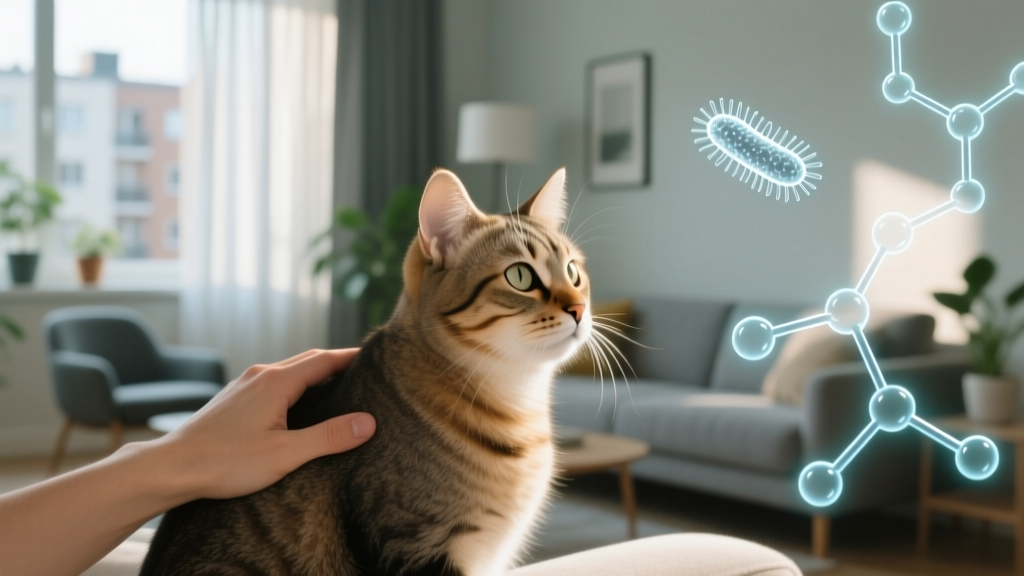
- Litter Box Protocol: Scoop daily (before oocysts sporulate), use clumping clay or silica gel litter (reduces aerosolization), wear disposable gloves, and wash hands thoroughly. Pregnant or immunocompromised individuals should delegate this task — but if unavoidable, use PPE and avoid dry-scooping.
- Cat-Specific Precautions: Keep cats indoors (eliminates hunting risk), feed commercial cooked food only (no raw diets), and avoid introducing stray or outdoor cats into households with vulnerable members.
- Environmental Hygiene: Wash produce thoroughly, peel root vegetables grown in potentially contaminated soil, and freeze meat at −12°C for ≥24 hours before cooking (kills tissue cysts).
Crucially: cat ownership itself is not a risk factor. A landmark 2019 longitudinal study in Emerging Infectious Diseases followed 1,200 cat-owning households for 5 years and found no elevated seroconversion rate compared to non-cat-owning controls — provided basic hygiene was practiced. The real predictor? Consumption of home-cured charcuterie and frequent consumption of undercooked game meat.
| Prevention Strategy | Effectiveness (Evidence Level) | Practical Implementation Tip | Time to Impact |
|---|---|---|---|
| Daily litter scooping + handwashing | High — prevents oocyst ingestion (CDC Category I) | Use a dedicated scoop + lined trash bag; rinse scoop with boiling water weekly | Immediate (blocks transmission within 24h) |
| Cooking pork/lamb to ≥145°F + 3-min rest | Very High — destroys tissue cysts (USDA FSIS validated) | Use a calibrated instant-read thermometer; avoid relying on color | Immediate (per meal) |
| Freezing meat at −20°C for 24+ hours | Moderate-High — kills cysts but not oocysts | Label frozen meat with date; thaw in fridge, not countertop | 24–48 hours |
| Indoor-only cat lifestyle | High — eliminates definitive host exposure route | Provide enrichment (vertical space, puzzle feeders, window perches) to prevent stress | Ongoing (prevents new infection) |
| Serologic screening for pregnant women | Moderate — useful only if primary infection suspected | Not routine; order IgM + IgG avidity testing if flu-like symptoms + exposure | Diagnostic (not preventive) |
Frequently Asked Questions
Can toxoplasmosis make me want to adopt more cats?
No — there is no credible scientific evidence linking T. gondii infection to increased desire for cat ownership, affection toward cats, or ‘cat lady’ stereotypes. Multiple large-scale studies (including the 2021 UK Biobank analysis) have specifically tested this hypothesis and found no association. Observed correlations in small, uncontrolled studies are almost certainly due to confounding factors like shared environment or lifestyle choices — not parasite-driven behavior change.
Is it safe to keep a cat if I’m pregnant?
Yes — absolutely, as long as you follow evidence-based precautions. The CDC states that cat ownership poses minimal risk if you avoid changing litter (or wear gloves + wash hands), don’t feed your cat raw meat, keep your cat indoors, and practice standard food safety. Most human infections come from undercooked meat or contaminated soil — not cats. Your OB-GYN can order serologic testing if you’re concerned about prior exposure.
Do I need to get rid of my cat if I test positive for toxoplasmosis?
No — and it’s unnecessary. A positive IgG test means you’ve been infected at some point in the past and are now immune (like having had chickenpox). Reactivation is extremely rare outside severe immunosuppression. Your cat is not actively shedding oocysts unless it’s newly infected (typically kittens or recently adopted strays). Even then, proper litter hygiene reduces risk to near zero. Focus on managing underlying health, not removing companionship.
Are certain cat breeds more likely to carry toxoplasmosis?
No — breed has no biological relevance to T. gondii carriage. Risk depends entirely on behavior (hunting, outdoor access) and diet (raw vs. commercial food), not genetics or appearance. A well-cared-for indoor Siamese carries identical risk to an indoor Maine Coon — effectively zero, assuming no exposure to infected prey or raw meat.
Can dogs or other pets transmit toxoplasmosis?
No — dogs, birds, rabbits, and reptiles cannot shed T. gondii oocysts. They may serve as intermediate hosts (harboring tissue cysts), but they do not contaminate the environment. Only felids (cats, bobcats, lynx, etc.) are definitive hosts capable of sexual reproduction and oocyst shedding. So while dogs might track in contaminated soil, they themselves pose no direct transmission risk.
Debunking Two Persistent Myths
Myth #1: “If you love cats, you probably have toxoplasmosis.”
This is a classic case of reverse causality fallacy. Loving cats doesn’t mean you’re infected — and being infected doesn’t make you love cats. Seroprevalence studies show ~11% of U.S. adults are T. gondii-positive, yet over 45 million households own cats. The vast majority of cat lovers test negative.
Myth #2: “Toxoplasmosis causes ‘crazy cat lady syndrome’ — obsessive hoarding or irrational attachment.”
There is no clinical or diagnostic entity called ‘crazy cat lady syndrome.’ Hoarding disorder is a recognized psychiatric condition linked to trauma, anxiety, and neurobiological factors — not parasitic infection. Conflating mental health conditions with T. gondii stigmatizes both affected individuals and cat owners, diverting attention from evidence-based support and treatment.
Related Topics (Internal Link Suggestions)
- Toxoplasmosis prevention for pregnant cat owners — suggested anchor text: "how to stay safe with cats during pregnancy"
- Safe raw feeding for cats — suggested anchor text: "is raw food safe for cats"
- Cat litter safety for immunocompromised people — suggested anchor text: "best cat litter for sensitive immune systems"
- Understanding cat behavior myths — suggested anchor text: "what cats really think about humans"
- Zoonotic diseases from pets — suggested anchor text: "common pet-to-human illnesses and prevention"
Your Next Step Is Simpler Than You Think
Does toxoplasmosis affect human behavior towards cats? The answer — grounded in epidemiology, neuroimaging, and clinical practice — is a resounding no. What does matter is protecting yourself and your loved ones from real, preventable risks: undercooked meat, poor litter hygiene, and gaps in prenatal care. You don’t need to fear your cat — you need to understand the science, apply simple safeguards, and trust evidence over alarmism. So go ahead and snuggle your feline friend. Then wash your hands, cook your pork properly, and schedule that overdue wellness visit. That’s where true safety begins — and where compassionate, intelligent pet ownership thrives.