Feline Opisthorchis: Biliary Tract Fluke
1. Introduction: Why this topic matters for cat owners
Most cat owners think about parasites as “worms in the poop,” fleas, or ticks. But some parasites target parts of the body you can’t see—like the bile ducts and liver. Opisthorchis (a type of liver/biliary tract fluke) is one of those parasites. While it’s not common everywhere, it can cause serious inflammation and long-term damage if it goes unnoticed. The good news: when recognized and treated early, many cats do very well.
This article explains what Opisthorchis is, how cats become infected, which signs deserve a vet visit, what diagnostics and treatment may look like, and how to reduce your cat’s risk—especially if they hunt or eat raw fish.
2. Overview: What is feline Opisthorchis (biliary tract fluke)?
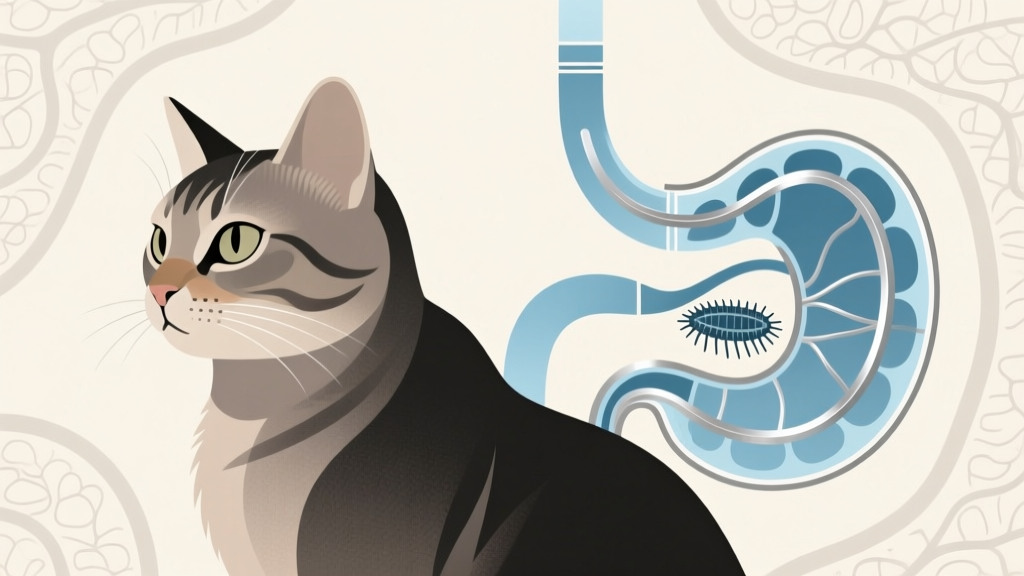
Opisthorchis is a genus of parasitic flatworms (“flukes”) that can live in the bile ducts (small tubes that carry bile from the liver to the intestine) and sometimes the gallbladder and pancreatic ducts. In cats, these flukes may contribute to:
- Cholangitis/cholangiohepatitis (inflammation of the bile ducts and liver)
- Biliary obstruction (partial blockage of bile flow)
- Secondary bacterial infections in the biliary system
- Chronic liver irritation that may lead to scarring over time
Flukes have a complex life cycle that usually involves snails and fish (or other aquatic animals). Cats typically become infected by eating raw or undercooked fish (or prey that has eaten infected fish).
Some cats carry a light infection with few obvious signs, while others develop noticeable digestive upset, jaundice, or recurring illness. Because the liver is a “quiet organ” (it can be significantly stressed before symptoms become obvious), early recognition and veterinary testing matter.
3. Symptoms and warning signs to watch for
Signs can range from subtle to more serious depending on the parasite load, how long the cat has been infected, and whether there’s obstruction or infection.
Common signs cat owners may notice
- Decreased appetite or picky eating that’s new
- Weight loss or poor body condition
- Vomiting (occasional or frequent)
- Diarrhea or soft stools
- Lethargy, less interest in play, hiding more
- Abdominal discomfort (tense belly, reluctance to be picked up)
More concerning signs (schedule a vet visit promptly)
- Jaundice (yellow tint to gums, whites of the eyes, or inside the ears)
- Dark urine or pale/gray stools
- Fever or recurring “flu-like” episodes
- Dehydration (tacky gums, reduced skin elasticity)
- Pot-bellied appearance or fluid buildup suspected in the abdomen
What you can do at home right now
- Check your cat’s gums and eyes in good lighting for any yellowing.
- Monitor appetite, vomiting, stool quality, and energy for 2–3 days and write it down.
- If your cat is ill, avoid giving human medications (many are toxic to cats) and contact your veterinarian.
4. Causes and risk factors
Cats get Opisthorchis flukes by ingesting an infective stage of the parasite, most often through diet and hunting behavior.
How infection happens (plain-language life cycle)
- Fluke eggs are passed in the feces of an infected host.
- Eggs enter water and infect snails.
- The parasite develops and then infects fish (often as encysted larvae in tissues).
- A cat becomes infected by eating infected fish (or prey containing the parasite).
- Adult flukes live in the bile ducts and produce eggs, continuing the cycle.
Risk factors for cats
- Eating raw or undercooked fish (including treats or homemade diets)
- Outdoor access and hunting (especially near lakes, rivers, or wetlands)
- Living in or traveling to endemic regions where these flukes are known to circulate
- Multi-cat environments where parasite exposure is harder to control (varies by region and lifestyle)
- Previous or ongoing liver/biliary disease (may worsen tolerance of infection)
If your cat is an avid hunter or routinely eats raw fish, it’s worth discussing liver flukes and other fish-borne parasites with your veterinarian—even if your cat seems healthy.
5. Diagnosis: Methods and what to expect at the vet
Because liver flukes affect internal ducts, diagnosis is typically based on a combination of history, lab work, imaging, and parasite testing. Your veterinarian will aim to answer two questions: Is the biliary system inflamed/obstructed? and Is a fluke (or another cause) responsible?
Veterinary visit: what your vet may ask
- Does your cat go outdoors or hunt?
- Any access to raw fish, sushi, fishing bait, or raw diets?
- When did signs start—vomiting, appetite loss, weight loss?
- Any prior liver enzyme elevations on bloodwork?
Common diagnostic tests
- Physical exam: checking hydration, abdominal tenderness, jaundice.
- Bloodwork (CBC and chemistry panel): may show elevated liver enzymes, bilirubin changes, inflammation, or anemia depending on severity.
- Urinalysis: helps assess hydration, bilirubin, and overall systemic effects.
- Fecal testing (often fecal flotation/sedimentation): fluke eggs can sometimes be detected, but they may be shed intermittently, so false negatives happen.
- Abdominal ultrasound: a key tool to assess liver texture, bile duct diameter, gallbladder changes, and signs of obstruction or inflammation.
- Bile or gallbladder sampling (in select cases): may be recommended if the diagnosis is unclear or if infection is suspected. This is not needed for every cat.
What to expect emotionally and financially
Workups for liver and biliary disease can feel overwhelming because they often require multiple tests. Ask your veterinarian to prioritize steps based on your cat’s stability. If your cat is eating, hydrated, and not jaundiced, diagnostics may be staged. If your cat is very ill or jaundiced, your vet may recommend a faster, more comprehensive plan.
6. Treatment options (medical, surgical, home care)
Treatment depends on how sick the cat is and whether there’s duct obstruction, secondary infection, or severe inflammation. Always treat under veterinary guidance—these medications and dosing are not safe to “guess” at home.
Medical treatment
- Antiparasitic medication: Flukes are often treated with prescription dewormers such as praziquantel or other medications chosen by your veterinarian based on region and suspected species. A single dose may not be enough; some protocols require repeated dosing.
- Supportive care:
- Anti-nausea medication to reduce vomiting and improve appetite
- Appetite support if your cat is not eating well
- Fluids (subcutaneous or IV) for dehydration
- Pain control if abdominal discomfort is present
- Antibiotics: If cholangitis or bacterial infection is suspected, your vet may prescribe antibiotics.
- Liver support: Some cats benefit from hepatoprotective supplements/medications (your vet may discuss options like SAMe, silybin, or ursodeoxycholic acid when appropriate). These should be chosen carefully based on your cat’s labs and ultrasound results.
Surgical or procedural treatment
- Intervention for obstruction: If imaging suggests significant blockage of bile flow, your veterinarian may refer you to a specialist for advanced procedures or surgery.
- Biopsy or advanced sampling: In chronic or complicated cases, tissue sampling may be recommended to rule out other causes (such as inflammatory disease, gallbladder issues, or cancer).
Home care (what owners can do safely)
- Give medications exactly as prescribed and finish the course.
- Feed a highly palatable, vet-approved diet. Your vet may recommend a specific diet depending on liver values and GI tolerance.
- Encourage hydration:
- Provide multiple fresh water stations
- Consider a pet water fountain
- Offer wet food if appropriate
- Track progress daily: appetite, vomiting, stool, energy, litter box habits, and any yellowing.
- Keep your cat indoors during recovery to prevent reinfection and reduce stress.
7. Prevention strategies and early detection tips
Prevention focuses on limiting exposure to the parasite’s life cycle and catching problems before the liver becomes significantly inflamed.
Practical prevention you can start today
- Do not feed raw or undercooked fish to cats. If you offer fish-based foods, use reputable commercial diets that are properly cooked/processed.
- Reduce hunting opportunities:
- Keep cats indoors or supervise outdoor time
- Use enclosed “catio” spaces
- Routine fecal exams: Ask your vet how often your cat should have stool testing based on lifestyle (indoor vs. outdoor, hunter vs. non-hunter).
- Regular wellness bloodwork: For outdoor cats or cats with a history of GI issues, periodic screening can detect liver enzyme changes early.
Early detection tips for owners
- Weigh your cat monthly (baby scale for smaller cats works well). Unplanned weight loss is a key early clue.
- Take note of vomiting frequency. “Hairballs” more than occasionally may deserve a checkup.
- Check gum color during calm moments. Pale, yellow, or very tacky gums warrant a veterinary call.
8. Prognosis and quality of life considerations
The outlook varies. Many cats improve significantly with appropriate antiparasitic treatment and supportive care, especially when infection is caught early. Prognosis becomes more guarded when there is:
- Severe or long-standing bile duct obstruction
- Repeated bouts of cholangitis
- Advanced liver scarring (fibrosis)
- Concurrent illness (pancreatitis, inflammatory bowel disease, or other liver disorders)
Quality of life: what “doing well” can look like
- Stable appetite and weight
- Normal energy and grooming
- Minimal to no vomiting
- Comfortable abdomen and normal litter box habits
Some cats need follow-up bloodwork and ultrasound checks to confirm recovery. If your vet recommends rechecks, they’re not just “extra”—they help ensure the bile ducts and liver are truly calming down.
9. When to seek emergency veterinary care
Contact an emergency veterinarian right away if your cat has any of the following:
- Yellow gums/eyes (jaundice), especially if it appears suddenly
- Repeated vomiting or inability to keep water down
- Not eating for 24 hours (or 12 hours in kittens or cats with medical conditions)
- Severe lethargy, collapse, or weakness
- Difficulty breathing
- Signs of pain (crying, hunched posture, hiding and reacting when touched)
- Dehydration (very tacky gums, sunken eyes)
Prompt treatment can prevent complications and may shorten recovery time.
10. FAQ: Common questions from cat owners
Can my indoor cat get Opisthorchis?
It’s less likely, but still possible if an indoor cat is fed raw/undercooked fish or has access to raw fish products. Indoor/outdoor lifestyle is a big factor, but diet matters too.
Is Opisthorchis contagious from cat to cat?
Direct cat-to-cat spread is not the usual route. The parasite typically requires intermediate hosts (snails and fish). However, multiple pets in the same environment may share similar exposure risks, so talk with your veterinarian about whether other pets need testing.
Can people catch Opisthorchis from cats?
Human infection is generally linked to eating raw or undercooked fish in regions where these flukes occur. While your cat isn’t typically the direct source, a cat diagnosed with a fish-borne fluke is a reminder to practice good hygiene (handwashing after litter box cleaning) and to avoid risky raw fish consumption. If you have concerns about human exposure, consult your physician.
Will I see worms in my cat’s stool?
Usually not. Flukes live in the biliary tract, not the intestines, and they’re small. Diagnosis more often relies on fecal egg detection, bloodwork patterns, and ultrasound findings rather than seeing anything obvious at home.
Does treatment cure it completely?
Many cats respond very well to appropriate antiparasitic therapy. Some may need repeat treatment and follow-up tests to confirm the infection has cleared and the liver is recovering. If chronic inflammation developed, your cat may need longer-term management.
What’s the safest way to feed fish to my cat?
If your cat loves fish flavor, choose a commercially prepared, fully cooked cat food from a reputable brand rather than raw fish. Avoid feeding raw freshwater fish, fishing bait, or home-prepared undercooked fish. Your veterinarian can help you choose a diet that supports liver and digestive health.
If you suspect your cat could be at risk—especially if they hunt or have eaten raw fish—schedule a veterinary visit for personalized guidance and testing. For more feline health articles, practical care tips, and wellness resources, visit catloversbase.com.