Cat Ollulanus: Stomach Hairworm Vomiting
1. Why this topic matters to cat owners
When a cat vomits, it’s easy to assume it’s “just hairballs” or a sensitive stomach. Sometimes that’s true. Other times, frequent or ongoing vomiting is a sign of something that needs medical attention. One lesser-known cause is a tiny stomach parasite called Ollulanus tricuspis, sometimes nicknamed the “stomach hairworm.”
While Ollulanus infections are not the most common reason cats vomit, they can lead to persistent stomach irritation and ongoing discomfort—especially in multi-cat homes, shelters, or breeding settings. Understanding what Ollulanus is, what signs to watch for, and how veterinarians diagnose and treat it can help you protect your cat’s health and get them feeling better sooner.
2. Overview: What is Ollulanus (stomach hairworm) in cats?
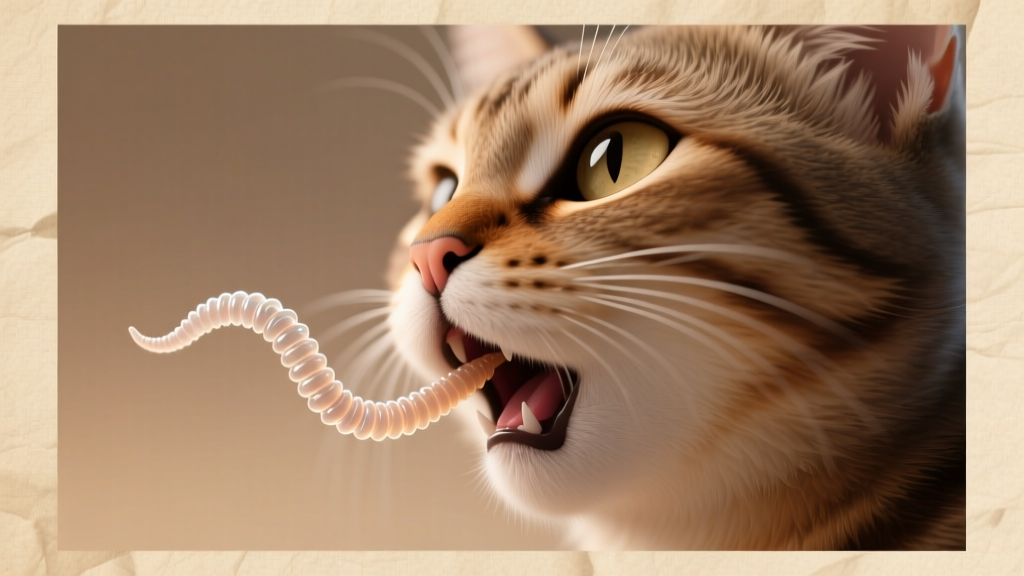
Ollulanus tricuspis is a small parasitic nematode (roundworm) that lives in a cat’s stomach. Unlike intestinal worms that pass eggs in stool, this parasite is usually spread through vomit. Cats become infected by ingesting material contaminated with microscopic life stages of the worm.
Here’s the plain-language version of what happens:
- The worms live in the stomach lining.
- They can irritate the stomach and contribute to inflammation (gastritis).
- Inflammation can trigger nausea and vomiting—sometimes off and on, sometimes frequent.
- Because transmission is often linked to vomit, infections can spread in households where cats share spaces, litter areas, or grooming routines.
Ollulanus is reported worldwide, but it’s often underdiagnosed because it can be tricky to detect and its symptoms overlap with many more common conditions (hairballs, food sensitivity, inflammatory bowel disease, pancreatitis, etc.).
3. Symptoms and warning signs to watch for
The most common sign associated with Ollulanus infection is recurrent vomiting. Some cats act fairly normal otherwise, which is why owners may wait longer before seeking care.
Possible signs include:
- Repeated vomiting (weekly or more often, or in clusters)
- Chronic intermittent vomiting (comes and goes over weeks to months)
- Retching/gagging without producing much
- Decreased appetite or picky eating
- Weight loss over time
- Lethargy or lower energy
- Abdominal discomfort (hunched posture, hiding, less tolerance of being picked up)
- Dehydration if vomiting is frequent
What vomiting from “just hairballs” often looks like: occasional episodes with a clear hair plug, and the cat otherwise feels well. If your cat vomits frequently, vomits food/liquid repeatedly, or loses weight, it’s time to involve your veterinarian.
4. Causes and risk factors
Cats don’t get Ollulanus from thin air—there is usually exposure to infected vomit or close contact in environments where vomiting occurs and multiple cats share space.
Common risk factors:
- Multi-cat households (greater chance of exposure and re-exposure)
- Shelters, rescues, catteries, breeding colonies
- Outdoor access (contact with other cats and contaminated environments)
- History of chronic vomiting in one or more cats in the home
- New cat introductions without a veterinary exam and quarantine period
How it spreads: The parasite’s life cycle is closely tied to the stomach. Cats may become infected by ingesting larvae from fresh vomitus or contaminated surfaces. This is why prompt cleanup matters in shared environments.
5. Diagnosis: Methods and what to expect at the vet
Vomiting has a long list of possible causes, so your veterinarian’s first goal is to assess your cat’s overall stability and rule out more urgent problems (blockages, toxin exposure, severe dehydration, kidney disease, etc.). Then they’ll narrow down the cause.
What your vet may ask you:
- How often your cat vomits, and what it looks like (food, foam, bile, hair)
- Any weight loss, appetite changes, diarrhea, or behavior changes
- Diet history (brands, treats, recent changes)
- Access to strings/toys/plants, and outdoor access
- Whether other cats in the home vomit too
Common tests to evaluate vomiting:
- Physical exam (hydration, abdominal palpation, body condition)
- Bloodwork (checks liver/kidney values, electrolytes, inflammation clues)
- Urinalysis (supports kidney and hydration assessment)
- Fecal testing (useful for many parasites, though Ollulanus may not show up reliably)
- Abdominal imaging (X-rays and/or ultrasound)
How Ollulanus is specifically diagnosed: Because this parasite lives in the stomach and is often passed in vomit rather than stool, diagnosis may involve:
- Microscopic examination of vomit (a sample brought to the clinic can help)
- Gastric wash/lavage (collecting stomach contents for microscopy under sedation in some cases)
- Endoscopy (a camera to visualize the stomach lining and collect samples; not always required but helpful in complex cases)
Practical tip: If your cat vomits, take a clear photo and, if possible, save a small fresh sample in a clean container or sealed bag (refrigerated) to bring to your vet the same day. Always wash your hands afterward.
6. Treatment options (medical, surgical, home care)
Ollulanus is a parasite, so the core of treatment is antiparasitic medication prescribed by your veterinarian. Because vomiting can have multiple causes at once, your vet may also treat nausea, dehydration, and stomach inflammation.
Medical treatment
- Prescription dewormers/antiparasitics: Your veterinarian will choose a medication and dosing schedule based on current best practices, your cat’s health status, and household factors. Do not self-prescribe dewormers—some products are not appropriate for cats or for this parasite.
- Anti-nausea medication: Helps break the vomiting cycle, protects hydration, and improves appetite.
- Stomach protectants: May be recommended if gastritis is present.
- Fluids: Subcutaneous fluids (under the skin) or IV fluids if dehydration is significant.
Surgical treatment
Surgery is not a typical treatment for Ollulanus. If imaging or symptoms suggest an intestinal blockage, foreign body, or another surgical condition, your veterinarian will discuss that separately. This is one reason recurring vomiting should be evaluated—some causes are urgent and not parasite-related.
Home care and supportive steps
Home care should support recovery and reduce reinfection risk, but it should not replace veterinary diagnosis and treatment.
- Give medications exactly as directed, and finish the full course.
- Offer small, frequent meals if your veterinarian approves (this can be gentler on an irritated stomach).
- Use a bland or GI-support diet only if recommended by your vet (some cats do best on a prescription diet temporarily).
- Encourage hydration: water fountains, multiple bowls, wet food if appropriate.
- Track vomiting: note date/time, amount, appearance, appetite, stool, and energy level.
Household note: In multi-cat homes, your veterinarian may recommend treating more than one cat, especially if multiple cats vomit or share close quarters. Follow your clinic’s guidance carefully.
7. Prevention strategies and early detection tips
Because Ollulanus commonly spreads through exposure to vomit, prevention focuses on hygiene, early evaluation of chronic vomiting, and careful management in multi-cat environments.
Actionable prevention steps:
- Clean vomit promptly (wear gloves if possible; use appropriate disinfectants; wash hands well).
- Separate vomiting cats when feasible until evaluated, especially in catteries/shelters.
- Schedule a vet visit for recurring vomiting rather than assuming it’s hairballs.
- Quarantine and vet-check new cats before integrating into a multi-cat household.
- Maintain routine wellness care (regular exams help catch weight loss and dehydration early).
- Reduce stress and support gut health: consistent feeding routines, enrichment, and slow diet transitions as advised by your vet.
Early detection tip: If your cat vomits more than twice in a month, or if vomiting is paired with weight loss, appetite changes, or lethargy, book an appointment. Earlier workups are often simpler and less expensive than trying to untangle a long-standing problem.
8. Prognosis and quality of life considerations
With proper veterinary treatment, many cats with Ollulanus-associated gastritis can improve significantly. The prognosis depends on several factors:
- How long vomiting has been going on before treatment
- Overall health (age, kidney function, other chronic diseases)
- Whether reinfection occurs in multi-cat settings
- Whether another condition is also present (food intolerance, IBD, pancreatitis, etc.)
Quality of life usually improves once nausea is controlled and the stomach lining has time to settle. Your vet may recommend a recheck visit and, in some cases, follow-up testing to confirm the vomiting is resolving and weight is stable.
9. When to seek emergency veterinary care
Even if you suspect a parasite, vomiting can become dangerous when it causes dehydration or signals an obstruction or toxin exposure. Seek urgent or emergency veterinary care if you notice:
- Repeated vomiting (multiple times in a day) or inability to keep water down
- Blood in vomit (bright red or coffee-ground appearance)
- Severe lethargy, collapse, or unresponsiveness
- Signs of dehydration (sticky gums, sunken eyes, weakness)
- Painful belly, crying, or a tense abdomen
- Possible foreign body ingestion (string, ribbon, toys) or toxin exposure
- Vomiting with difficulty urinating (especially in male cats—this can indicate a urinary blockage, which is a true emergency)
If you’re unsure, call your veterinary clinic or an emergency hospital and describe what you’re seeing. It’s always appropriate to ask whether your cat needs to be seen right away.
10. FAQ: Common questions about Ollulanus in cats
Can humans catch Ollulanus from cats?
Ollulanus tricuspis is primarily a parasite of cats (and has been reported in other animals). Human infection is not considered common. Still, good hygiene is wise with any vomit or fecal material: wash hands, disinfect surfaces, and keep children away from contaminated areas.
My cat vomits hairballs—how do I tell if it’s something more?
Occasional hairballs can be normal, but frequent vomiting is not. Red flags include vomiting without a hair plug, vomiting food regularly, weight loss, decreased appetite, or vomiting that happens weekly or more. A veterinarian can help separate hairball-related vomiting from medical causes like parasites, GI disease, or obstruction.
Will a standard stool test find Ollulanus?
Not always. Because Ollulanus lives in the stomach and is often shed in vomit rather than stool, routine fecal testing may miss it. Your veterinarian may recommend examining vomit samples, doing a gastric wash, or using endoscopy in more complicated cases.
Should I treat all my cats if one is diagnosed?
In some multi-cat households, veterinarians may recommend treating housemates, especially if other cats vomit or share close contact. The right plan depends on the household and each cat’s health. Ask your veterinarian before giving any medication to other pets.
Can Ollulanus go away on its own?
It’s unlikely to reliably clear without appropriate antiparasitic treatment. Ongoing infection can keep the stomach irritated and may contribute to chronic vomiting. If your cat has recurring vomiting, professional evaluation is the safest path.
What can I do today while waiting for my vet appointment?
- Start a simple vomiting log (frequency, appearance, appetite, energy).
- Take photos of vomit and stool changes to share with your vet.
- Prevent access to strings and small objects that can cause blockages.
- Keep your cat hydrated and monitor litter box habits.
- Avoid changing diets or adding supplements unless your veterinarian advises it.
Persistent vomiting deserves a thoughtful workup, and Ollulanus is one of several possible causes. If your cat is vomiting repeatedly or seems unwell, schedule a veterinary visit—your care and quick action make a real difference.
For more easy-to-understand cat health guides, symptom check tips, and wellness resources, visit catloversbase.com.