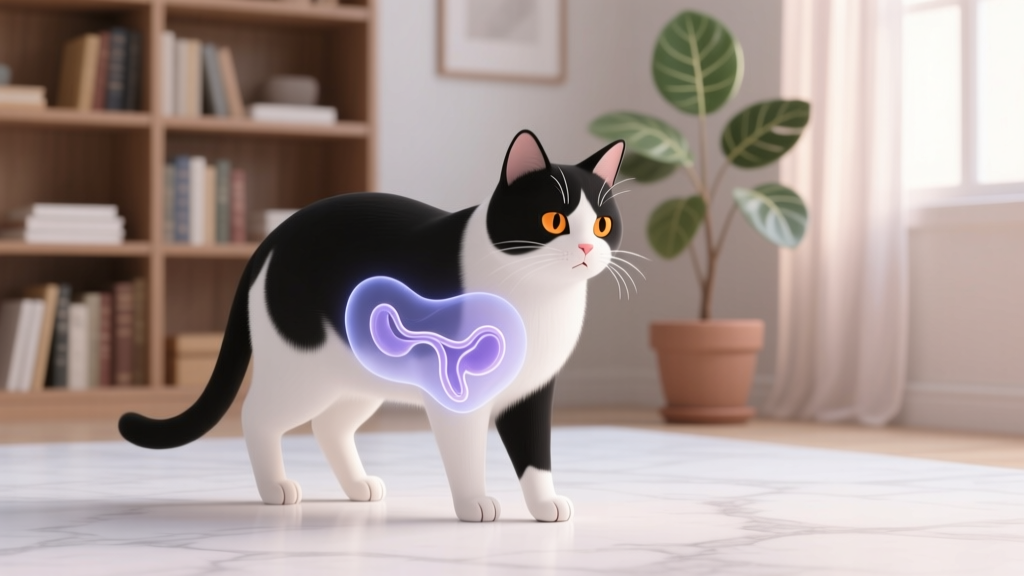
Feline Testicular Interstitial Cell Tumor: Benign Common
1. Introduction: Why This Topic Matters to Cat Owners
If you share your home with a male cat—especially one who is intact (not neutered)—it helps to know about testicular tumors, even though they aren’t among the most common feline cancers overall. One specific type, the testicular interstitial cell tumor (also called a Leydig cell tumor), is usually benign and often curable with routine care. Still, it can cause discomfort, swelling, or hormone-related changes that impact your cat’s daily life.
The good news: for most cats, this condition is highly treatable, and early veterinary evaluation keeps things straightforward. This article explains what interstitial cell tumors are, what signs to watch for, and what you can do today to protect your cat’s health.
2. Overview: What Is a Feline Testicular Interstitial Cell Tumor?
Inside the testicles are different types of cells, each with a job:
- Sertoli cells support developing sperm
- Germ cells develop into sperm
- Interstitial (Leydig) cells produce hormones, mainly testosterone
A testicular interstitial cell tumor develops from those hormone-producing Leydig cells. In cats, these tumors are typically benign, meaning they tend to stay localized and are unlikely to spread to other organs.
Many interstitial cell tumors are found incidentally—during a vet exam or when a cat is brought in for scrotal swelling. Even when benign, they can still matter because they may:
- Increase the size of one or both testicles
- Cause local discomfort
- Contribute to hormone-related changes (less common in cats than in dogs, but possible)
Because the testicles are external and relatively easy to examine, owners often have a real advantage: changes can be noticed early.
3. Symptoms and Warning Signs to Watch For
Some cats show no obvious symptoms, especially early on. When signs do appear, they often relate to the scrotum/testicles or your cat’s behavior.
Common signs
- One testicle larger than the other (asymmetry)
- Scrotal swelling or a firm lump
- Discomfort when touched near the scrotum or hind end
- Licking the scrotal area more than usual
- Change in activity (less jumping, seeming “off” or sore)
Possible hormone-related signs (less common, but worth noting)
- Behavior changes such as increased roaming attempts, urine marking, or aggression (can also be normal intact-male behavior)
- Coat changes or hair thinning in certain hormone-related tumors (more typical with Sertoli cell tumors, but owners may notice general coat shifts and seek help)
Signs that may point to other problems (still need a vet visit)
- Redness, heat, or drainage from the scrotum (possible infection or injury)
- Sudden painful swelling (possible trauma, torsion, or severe inflammation)
- Open wounds (from fighting or self-trauma)
Practical tip: If your cat tolerates it, do a quick visual check while he’s relaxed—especially if he’s intact. You’re looking for swelling, redness, or uneven size.
4. Causes and Risk Factors
Veterinary medicine doesn’t always identify a single “cause” for these tumors, but certain factors can raise risk.
Risk factors
- Being intact (not neutered): Testicular tumors can only occur if testicular tissue is present.
- Age: Many testicular tumors are diagnosed in middle-aged to older cats, though they can occur at other ages.
- Cryptorchidism (undescended testicle): If one or both testicles fail to descend into the scrotum, tumor risk increases. An undescended testicle may be located in the abdomen or inguinal canal. Tumors in retained testicles can be harder to spot and may behave differently depending on type.
- Genetic and environmental factors: Not well-defined in cats, but overall health and genetics can influence cancer risk in general.
Actionable note: If you adopted an adult male cat and aren’t sure whether he’s neutered, ask your vet. Sometimes a cat appears intact or neutered based on scrotal appearance, but confirmation is best—especially if there’s any asymmetry or swelling.
5. Diagnosis: What to Expect at the Vet
If you notice testicular swelling, a lump, or changes in the scrotum, schedule a veterinary exam. Even benign tumors should be evaluated, and other conditions (infection, hematoma, hernia) can look similar.
Typical diagnostic steps
- Physical exam: Your vet will palpate (gently feel) the testicles, scrotum, and surrounding tissues and check lymph nodes.
- Health history: You may be asked about onset, pain, licking, behavior changes, appetite, and activity.
- Basic lab work: Bloodwork and urinalysis may be recommended, especially before anesthesia or if your cat is older.
- Ultrasound: Scrotal ultrasound can help characterize a mass and look for changes in the testicular tissue. If a testicle is undescended, abdominal ultrasound can help locate it.
- Fine needle aspirate (FNA) or biopsy: Less commonly used for testicular masses in cats because surgical removal is often the definitive step. Your vet will decide if sampling is appropriate.
- Definitive diagnosis (histopathology): After surgical removal, the tissue is sent to a lab to confirm tumor type and whether it’s benign.
What this feels like as an owner: Most of the time, this is a calm, step-by-step process. Your vet’s main goals are to confirm what the mass is, make sure your cat is safe for anesthesia if surgery is planned, and identify any additional concerns.
6. Treatment Options (Medical, Surgical, Home Care)
Because interstitial cell tumors are usually localized and benign, treatment is often straightforward.
Surgical treatment (most common and often curative)
- Castration (neutering): Removing the affected testicle(s) is typically the treatment of choice. Many cats have both testicles removed (standard neuter), which also prevents future testicular disease.
- Cryptorchid surgery: If a testicle is retained in the abdomen/inguinal canal, surgery is more involved than a routine neuter. Your vet will locate and remove the retained testicle.
- Histopathology: Sending the removed tissue to the lab helps confirm it’s an interstitial cell tumor and rules out other tumor types.
Medical treatment
There’s no “pill” that reliably eliminates a testicular tumor. Medications may be used to support comfort and recovery:
- Pain control: Your vet may prescribe cat-safe pain medication for a few days after surgery.
- Antibiotics: Only if there is concern for infection (not automatically needed).
Home care after surgery
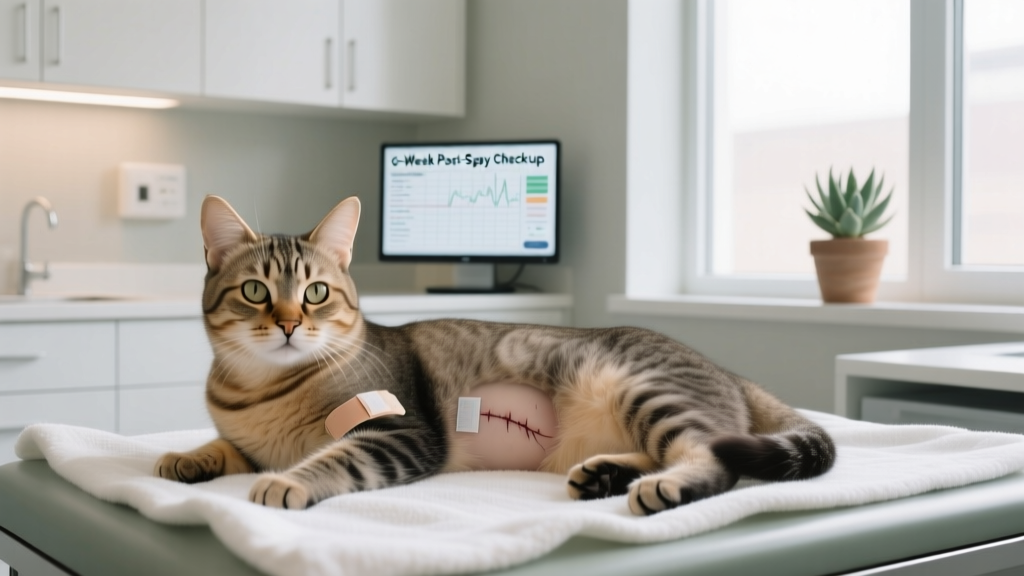
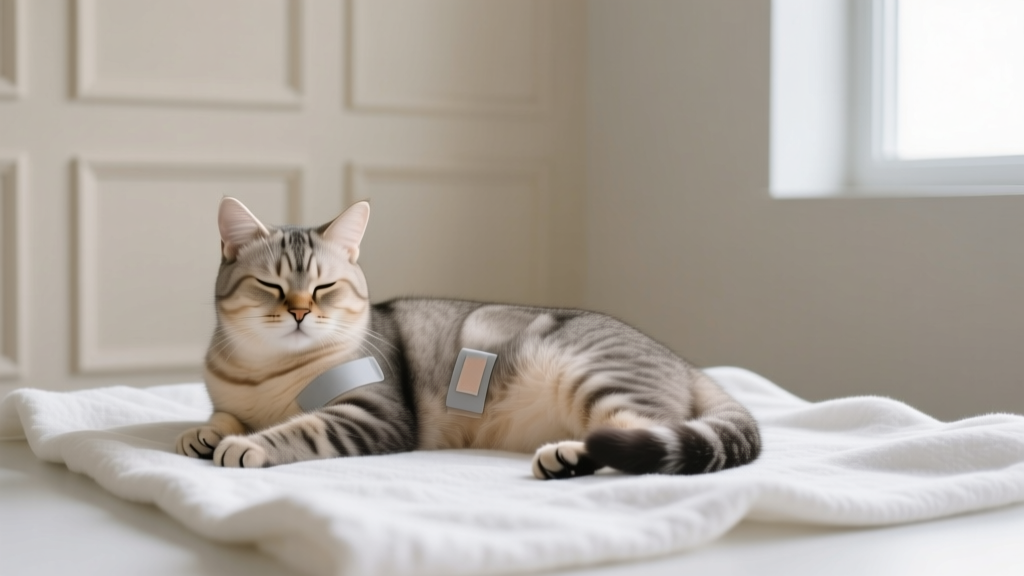
- Use an e-collar or recovery suit to prevent licking (licking can open the incision quickly).
- Keep activity low for the period your vet recommends (often 7–14 days).
- Monitor the incision daily for swelling, redness, discharge, or gapping.
- Give medications exactly as directed and call your vet if your cat refuses food or vomits after dosing.
- Offer a quiet recovery space with easy access to litter, water, and food.
Immediate, practical advice: Take a clear photo of the incision the day your cat comes home (or the next morning). Comparing daily photos can help you notice subtle changes early.
7. Prevention Strategies and Early Detection Tips
The most effective prevention for testicular tumors is also one of the most common wellness procedures in cats.
Prevention
- Neuter your cat: Neutering removes the tissue that can develop testicular tumors and also prevents many hormone-driven behaviors and reduces roaming-related risks (fights, injuries, infectious disease exposure).
- Address cryptorchidism early: If your kitten is missing one or both testicles in the scrotum by the age your vet expects them to descend, discuss a plan. Retained testicles should be removed.
Early detection
- Schedule routine wellness exams: Even indoor cats benefit from regular checkups. Your vet may detect changes you can’t easily see.
- At-home monthly “mini check”: When your cat is relaxed, look for swelling, unevenness, or irritation in the scrotal area (only if your cat is comfortable being handled).
- Watch for subtle behavior shifts: Hiding more, resisting being picked up, or avoiding jumping can be mild signs of discomfort.
Always consult a veterinarian if you notice a new lump, asymmetry, or persistent licking of the area. Early evaluation usually means simpler treatment.
8. Prognosis and Quality of Life Considerations
For most cats with a testicular interstitial cell tumor, the outlook is very positive.
Typical prognosis
- Excellent with surgical removal: Because these tumors are commonly benign, neutering/castration is often curative.
- Low likelihood of spread: Metastasis (spreading to other organs) is uncommon for interstitial cell tumors.
- Quick return to normal routines: Most cats feel significantly better once healing is underway, especially if the mass was causing discomfort.
Quality of life
- Comfort improves when swelling or tenderness is resolved.
- Behavior may settle after neutering (less roaming drive, reduced marking in some cats), though behavior is also influenced by habits and environment.
- Long-term care is minimal after successful surgery, aside from routine wellness checks.
If histopathology identifies a different tumor type or suggests malignant behavior, your veterinarian may recommend additional staging (such as imaging and lymph node evaluation). Even then, many cats do well with timely treatment plans tailored to their individual case.
9. When to Seek Emergency Veterinary Care
Most testicular tumors are not an immediate emergency, but certain signs should be treated urgently.
Seek emergency care if you notice:
- Sudden, severe scrotal pain (crying out, aggression when touched, unable to get comfortable)
- Rapidly increasing swelling over hours to a day
- Bleeding, open wounds, or pus-like discharge from the scrotum
- Lethargy, collapse, pale gums, or weakness
- Repeated vomiting or refusal to eat for more than 24 hours (sooner for kittens or cats with medical issues)
- Post-surgery concerns such as incision gaping, significant swelling, foul odor, or your cat continuously trying to lick despite an e-collar
If you’re unsure whether it’s urgent, call your veterinarian or an emergency clinic and describe what you’re seeing. You’re not overreacting by asking—getting guidance early can prevent complications.
10. FAQ: Common Questions Cat Owners Ask
Is a testicular interstitial (Leydig) cell tumor cancer?
It is a tumor (an abnormal growth), and tumors are categorized as benign or malignant. Interstitial (Leydig) cell tumors in cats are most often benign, meaning they usually don’t spread. Your vet can confirm the diagnosis with lab testing of the removed tissue.
Can my cat have this tumor if he’s already neutered?
A fully neutered cat has had both testicles removed, so he should not develop a testicular tumor. Rarely, if testicular tissue remains (for example, an undescended testicle wasn’t removed or there is residual tissue), a problem could still occur. If you see scrotal swelling in a neutered cat, a vet exam is still needed because other issues can mimic a tumor.
How do I know if my cat has an undescended testicle (cryptorchidism)?
You may notice only one testicle in the scrotum, or none. Sometimes the scrotum looks underdeveloped. Your veterinarian can confirm by exam and may recommend imaging to locate the retained testicle before surgery.
What happens if I wait and monitor a testicular lump?
Waiting can allow discomfort to continue and may complicate treatment if the mass grows or becomes inflamed. Since the definitive treatment is often neutering (a common procedure), it’s usually better to schedule a veterinary appointment sooner rather than “watching it” for weeks.
Will neutering change my cat’s personality?
Neutering typically reduces hormone-driven behaviors like roaming, urine marking, and some forms of fighting. Your cat’s core personality—affection level, playfulness, social preferences—usually remains the same. Many owners find their cats become more relaxed once hormonal urges decrease.
How long does recovery take after surgery?
Most cats start feeling better within a day or two, but the incision needs time to heal. Activity restriction is often recommended for 7–14 days. Your veterinarian will give specific instructions based on your cat’s age, health, and the type of surgery performed (routine neuter vs. cryptorchid surgery).
If your cat has scrotal swelling, a new lump, or persistent licking in that area, the best next step is a veterinary exam. Early care is usually simple, and most cats do very well.
For more practical, cat-owner-friendly health guidance, visit catloversbase.com for additional resources on wellness, behavior, and preventive care.