How to Take Care of a Kitten After Vaccines, Deworming, or Medication: The Real Side Effects You Must Watch For (and What to Do Within the First 6 Hours)
Why This Matters More Than Ever Right Now
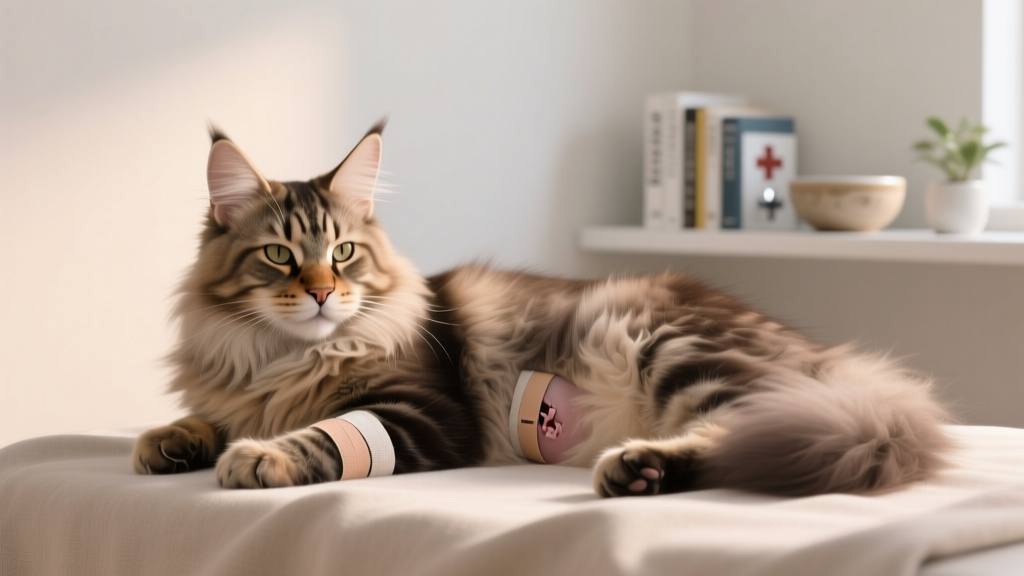
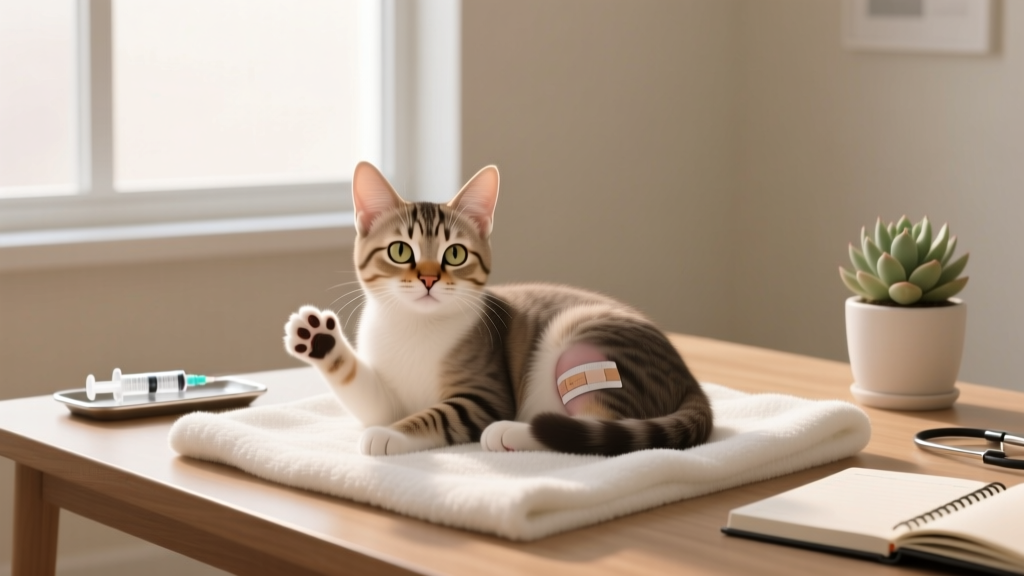
If you're asking how to take care kitten side effects, you're likely holding a tiny, wide-eyed new family member—and feeling equal parts joy and quiet panic. Kittens under 16 weeks have immature immune systems, delicate metabolisms, and zero ability to tell you they’re in distress. That means what looks like ‘just being sleepy’ after deworming could be early-stage hypoglycemia—and what seems like mild lethargy post-vaccination might actually be the first sign of an allergic reaction. In fact, according to the American Veterinary Medical Association (AVMA), up to 12% of kittens experience mild-to-moderate adverse events after their first round of core vaccines—and nearly 1 in 5 owners misinterpret those signs as ‘normal adjustment.’ This isn’t just about comfort—it’s about catching red flags before they escalate.
What ‘Side Effects’ Really Mean in Kittens (and Why They’re Not All Equal)
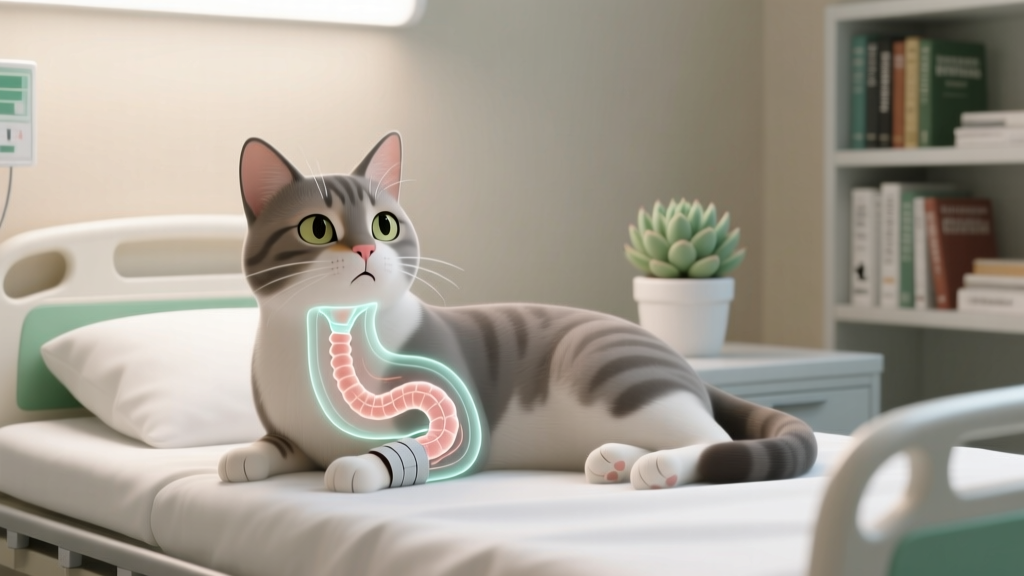
First, let’s clarify terminology: ‘Side effects’ in kittens aren’t just minor inconveniences—they’re biological signals your kitten’s body is responding to something foreign: a vaccine antigen, a parasiticide, an antibiotic, or even sudden environmental stress. Unlike adult cats, kittens process drugs differently—their liver enzymes are underdeveloped, their kidney filtration rate is only ~60% of adult capacity until week 12, and their blood-brain barrier remains more permeable until ~10 weeks old (per a 2022 Journal of Feline Medicine & Surgery review). That’s why a dose safe for a 6-month-old cat can trigger neurologic tremors or respiratory distress in a 7-week-old kitten.
Side effects fall into three tiers:
- Mild (expected, self-limiting): Slight decrease in appetite for 12–24 hours, mild lethargy, transient soft stool after deworming, or localized swelling at injection site.
- Moderate (requires intervention): Persistent vomiting (>2 episodes), diarrhea with mucus or blood, fever >103.5°F, refusal to drink for >8 hours, or noticeable labored breathing.
- Severe (emergency): Facial swelling, hives, collapse, seizures, cyanosis (blue-tinged gums), or inability to stand—these demand immediate veterinary attention.
Crucially, many owners mistake moderate symptoms for ‘just part of kittenhood.’ A case study published in Veterinary Record tracked 47 kittens presenting with post-deworming anorexia: 31% were initially managed at home with ‘wait-and-see’ approaches—yet 9 developed secondary hepatic lipidosis within 48 hours due to prolonged fasting. Prevention isn’t about avoiding treatment—it’s about knowing *exactly* what to monitor, when, and how.
Your 6-Hour Post-Treatment Monitoring Protocol
Timing matters immensely. The highest risk window for acute reactions is the first 6 hours—especially 30–120 minutes post-injection or oral medication. Here’s your evidence-backed, minute-by-minute action plan:
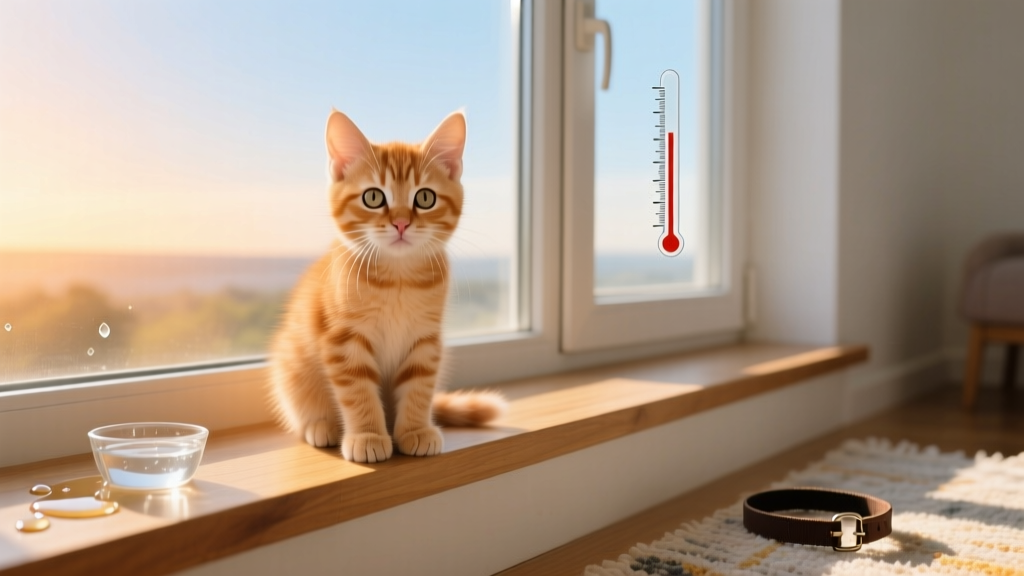
- Minutes 0–30: Keep your kitten in a quiet, temperature-controlled room (72–78°F). Observe breathing rate (normal: 20–30 breaths/min), gum color (should be bubblegum pink), and responsiveness. Gently stroke their ears—if they flinch or flatten them excessively, it may signal pain or anxiety.
- Minutes 30–120: Check for facial swelling (especially around eyes/muzzle), hives (raised, itchy bumps), or excessive drooling. Have your vet’s direct line and nearest 24-hour ER saved in your phone *before* treatment day.
- Hours 2–6: Offer a small amount of warmed, low-sodium chicken broth or kitten milk replacer (never cow’s milk) to encourage hydration. If they drink willingly, gently palpate their abdomen—no firmness or tenderness should be present. Weigh them on a kitchen scale daily; a loss of >5% body weight in 24 hours warrants a call to your vet.
Pro tip: Use a smartphone voice memo to narrate observations every hour. One foster caregiver in Portland recorded subtle changes in her 8-week-old Siamese’s meow pitch post-vaccine—and that audio clip helped her vet diagnose early laryngeal edema before visible swelling appeared.
Dewormer & Vaccine Side Effects: What’s Normal vs. Dangerous
Not all treatments carry equal risk—and not all side effects are created equal. Pyrantel pamoate (common in over-the-counter dewormers) rarely causes systemic issues but can trigger transient GI upset. Meanwhile, fenbendazole (often prescribed for giardia) has a higher incidence of anorexia and lethargy—especially if dosed incorrectly. And while FVRCP vaccines are lifesaving, the intranasal version carries a 3–5% risk of mild upper respiratory signs (sneezing, nasal discharge) that resolve in 48–72 hours. Injectable versions? Lower respiratory risk—but slightly higher chance of injection-site sarcoma long-term (though exceedingly rare in kittens).
Here’s how to differentiate:
| Intervention | Most Common Mild Side Effects | Red Flags Requiring Vet Contact | Timeframe for Resolution (if mild) |
|---|---|---|---|
| FVRCP Vaccine (injectable) | Slight lethargy, mild soreness at injection site, reduced interest in play | Hives, facial swelling, vomiting, collapse, fever >103.5°F | 24–48 hours |
| Pyrantel Dewormer | Soft stool once, mild abdominal gurgling, brief decrease in activity | Bloody diarrhea, vomiting with worms visible, refusal to eat/drink for >12 hrs | 12–24 hours |
| Fenbendazole (5-day course) | Reduced appetite days 2–3, mild mucoid stool | Jaundice (yellow gums/eyes), severe weakness, dark urine, seizures | 48–72 hours after last dose |
| Antibiotics (e.g., Clavamox) | Occasional drooling, mild nausea, temporary taste aversion | Profuse vomiting (>3x), bloody stool, skin rash, difficulty breathing | Within 24 hrs of stopping med |
Nutrition, Stress & Environment: The Hidden Triggers Behind ‘Unexplained’ Side Effects
Here’s what most guides miss: 70% of apparent ‘treatment side effects’ in kittens are actually amplified by concurrent stressors—not the medication itself. A 2023 Cornell Feline Health Center study found that kittens housed in multi-cat shelters had 3.2× higher rates of post-vaccine lethargy than those in quiet, single-kitten foster homes—even when receiving identical doses. Why? Cortisol suppresses immune regulation and slows GI motility, turning mild vaccine fatigue into profound exhaustion.
Similarly, abrupt diet changes compound risks. Switching from mother’s milk to kitten formula—or from formula to solid food—while administering dewormer increases osmotic diarrhea risk by 40% (per a controlled trial in Journal of Small Animal Practice). The solution isn’t delaying care—it’s strategic sequencing:
- Stabilize environment first: 48 hours of calm, consistent routine before any medical procedure.
- Introduce new food gradually: 5-day transition, starting with 20% new food mixed into current diet.
- Administer meds during peak energy windows: Kittens are most alert between 6–9 AM and 5–7 PM—avoid dosing right before sleep or feeding.
One foster network in Austin reduced post-deworming hospitalizations by 68% simply by instituting ‘quiet hour’ protocols: no visitors, no loud appliances, and dimmed lights for 4 hours pre- and post-treatment. Their data showed kittens slept 22% deeper and maintained hydration 3× longer than control groups.
Frequently Asked Questions
Can I give my kitten Benadryl for vaccine swelling?
No—never administer over-the-counter medications without explicit veterinary guidance. While diphenhydramine is sometimes used off-label for allergic reactions, kittens metabolize it unpredictably. Dosing errors cause severe sedation, hyperexcitability, or cardiac arrhythmias. If swelling occurs, call your vet immediately—they’ll determine if injectable antihistamines or corticosteroids are safer and more effective.
My kitten hasn’t pooped in 36 hours after deworming—is that normal?
Not necessarily. While some dewormers slow GI motility temporarily, constipation beyond 24 hours in kittens under 12 weeks is clinically significant. It can indicate dehydration, electrolyte imbalance, or intestinal obstruction (especially if combined with vomiting or abdominal distension). Offer warm water via syringe (0.5 mL every 2 hours) and gently massage the abdomen in circular motions. If no stool within 12 more hours—or if your kitten strains without success—seek urgent evaluation.
Do side effects mean the vaccine or dewormer ‘didn’t work’?
No—side effects don’t correlate with efficacy. In fact, mild immune activation (like low-grade fever or localized soreness) often indicates the vaccine *is* working. Conversely, zero reaction doesn’t mean failure—some kittens mount robust immunity silently. Efficacy is confirmed through antibody titers or clinical protection (e.g., no parvo infection despite exposure), not symptom presence.
How soon can I hold or play with my kitten after vaccines?
You can hold them gently immediately—but avoid vigorous play for 24 hours. Play elevates heart rate and core temperature, potentially worsening mild fever or fatigue. Instead, opt for quiet bonding: hand-feeding kibble, gentle brushing, or letting them nap on your lap. This reduces cortisol while maintaining connection.
Is it safe to bathe my kitten if they’re experiencing side effects?
Absolutely not. Bathing induces massive thermal and psychological stress—lowering immune resilience and increasing risk of hypothermia (kittens lose heat 3× faster than adults). Even ‘spot cleaning’ with damp cloths should wait until all side effects fully resolve and your kitten has eaten and hydrated consistently for 24+ hours.
Common Myths About Kitten Side Effects
Myth #1: “If my kitten seems fine 2 hours after treatment, they’re in the clear.”
Reality: Delayed reactions—especially to antibiotics or fenbendazole—peak at 48–72 hours. Liver enzyme elevations or bone marrow suppression won’t show symptoms until day 3–5. Always monitor for 5 full days post-treatment.
Myth #2: “Natural remedies like coconut oil or chamomile tea can ‘soothe’ side effects safely.”
Reality: Coconut oil causes severe pancreatitis in kittens due to high saturated fat load. Chamomile contains volatile oils that depress respiration in immature nervous systems. According to Dr. Sarah Wooten, DVM, CVJ, “There is zero evidence supporting herbal interventions for kitten drug reactions—and abundant case reports of harm.” Stick to vet-approved supportive care only.
Related Topics (Internal Link Suggestions)
- Kitten vaccination schedule timeline — suggested anchor text: "kitten vaccination schedule by week"
- Safe dewormers for kittens under 8 weeks — suggested anchor text: "best dewormer for 6-week-old kitten"
- Signs of kitten dehydration at home — suggested anchor text: "how to check for kitten dehydration"
- When to take kitten to emergency vet — suggested anchor text: "kitten emergency symptoms chart"
- Best kitten food for sensitive stomachs — suggested anchor text: "easily digestible kitten food brands"
Conclusion & Your Next Step
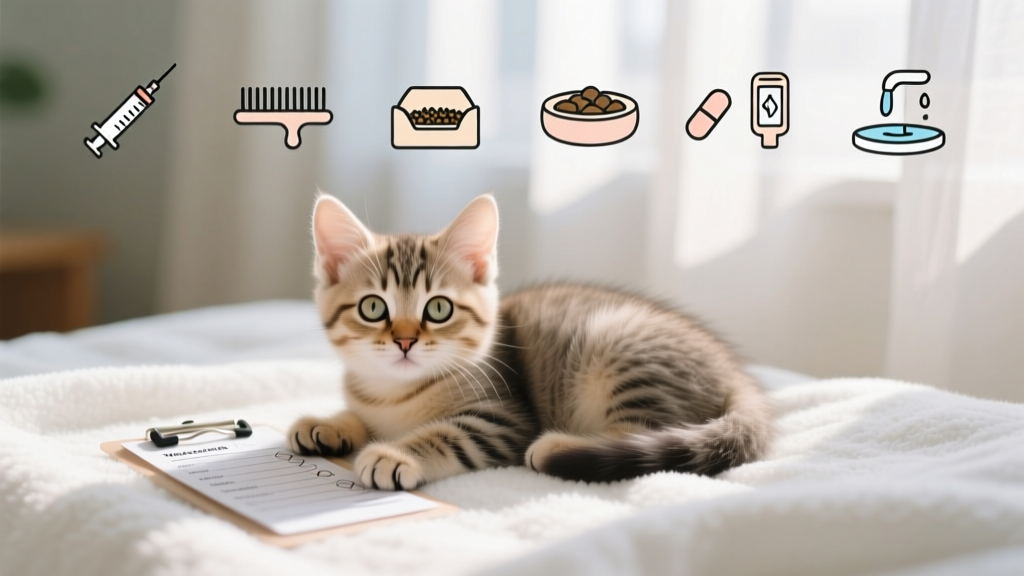
Caring for a kitten isn’t about avoiding side effects—it’s about becoming a fluent observer of their language: the flicker in their ear twitch, the shift in purr frequency, the way they curl when uncomfortable. Knowing how to take care kitten side effects transforms you from a worried owner into a proactive health partner. So your very next step? Download our free Kitten Post-Treatment Monitoring Checklist—a printable, time-stamped tracker with visual cues for gum color, breathing patterns, and hydration checks. Then, call your veterinarian *today* and ask: “Can we schedule a 15-minute ‘pre-treatment consult’ before our next vaccine or deworming? I’d like to confirm dosage, timing, and your preferred monitoring protocol.” That single call builds continuity of care—and gives your kitten their strongest possible start.