How to Take Care of Kittens: The 7 Non-Negotiable Health Steps Every New Kitten Owner Misses (And Why Skipping Just One Can Cause Lifelong Problems)
Why Getting Kitten Care Right in the First 12 Weeks Changes Everything
If you’re searching for how to take care kitten for kittens, you’re likely holding a tiny, trembling life in your hands—and feeling equal parts wonder and worry. That’s completely normal. But here’s what most new caregivers don’t realize: the first 84 days of a kitten’s life aren’t just ‘cute’—they’re biologically irreplaceable. Miss a deworming window by 5 days? Risk intestinal damage that impairs nutrient absorption for life. Skip gentle handling between weeks 2–7? You may unintentionally set the stage for chronic fear-based aggression. This isn’t alarmism—it’s veterinary consensus. According to Dr. Sarah Lin, DVM and feline behavior specialist at UC Davis School of Veterinary Medicine, 'Kittens aren’t small cats—they’re developing neurobiological systems operating on precise biological clocks. Care isn’t optional; it’s calibrated.' In this guide, we break down exactly what those calibrations are—and how to execute them with confidence, clarity, and compassion.
Warmth, Hydration & Feeding: The Survival Triad (Weeks 0–4)
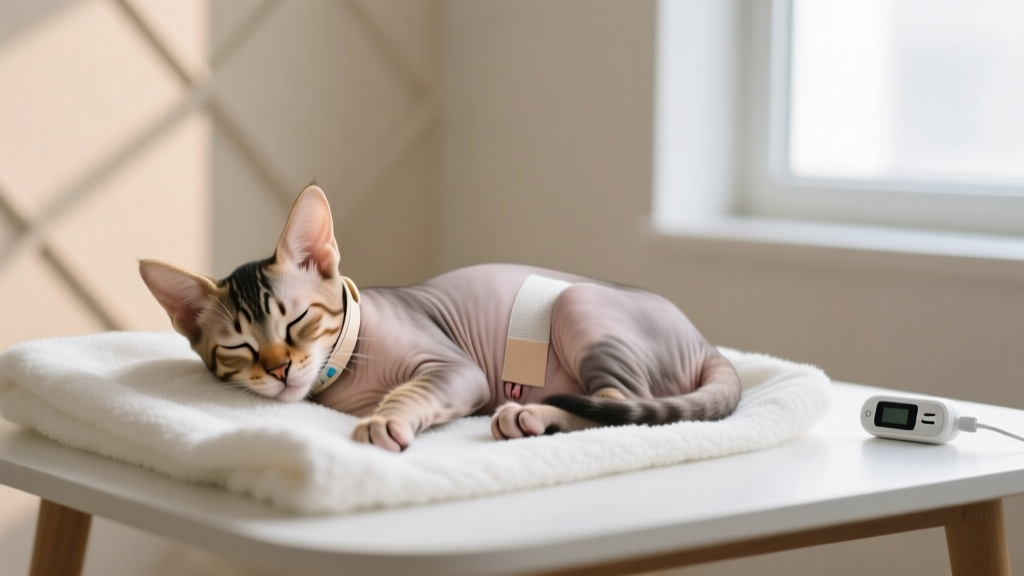
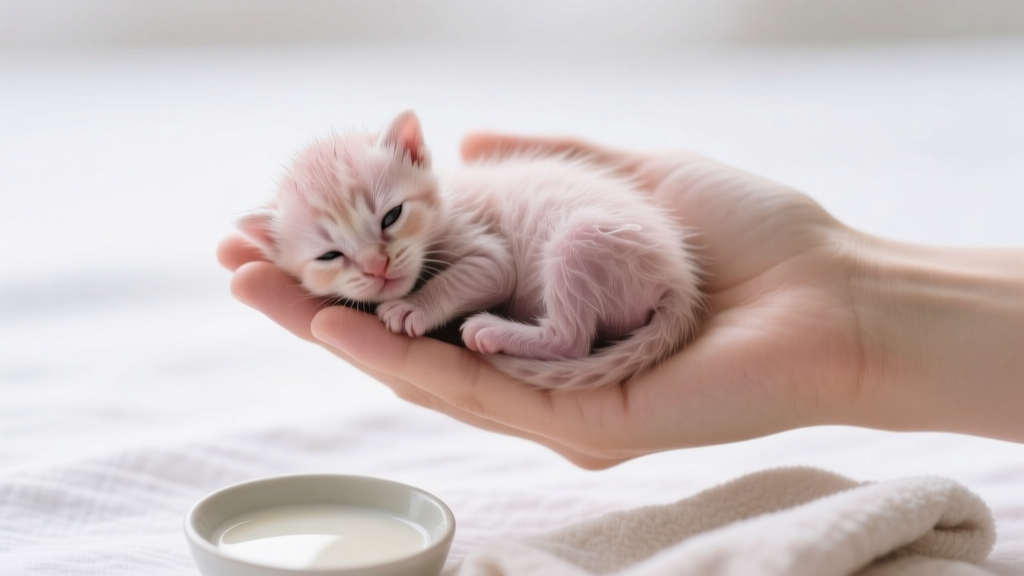
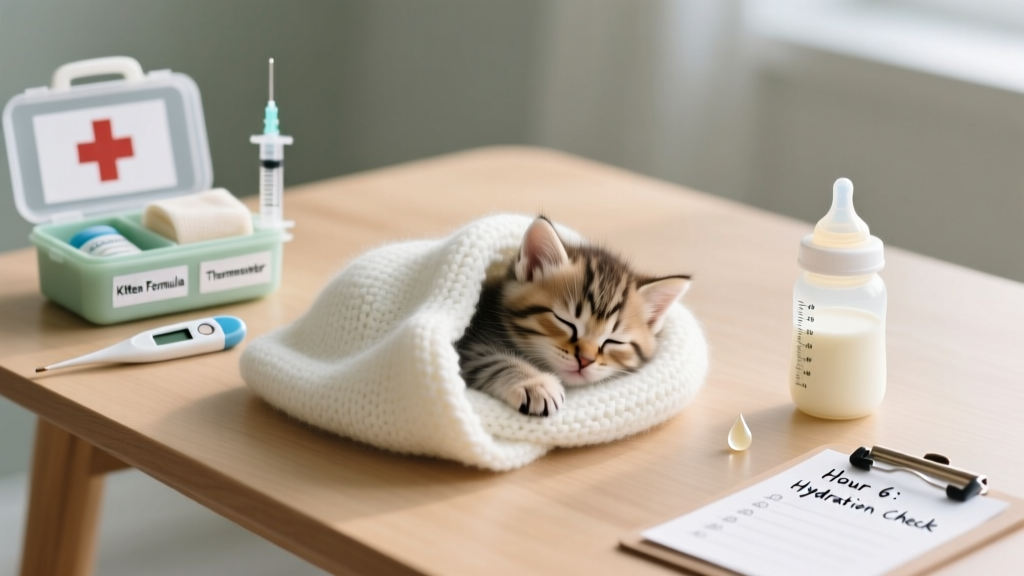
Neonatal kittens (0–2 weeks) can’t regulate their own body temperature, digest solid food, or eliminate waste without stimulation. Their survival hinges on three interdependent pillars: thermal stability, consistent hydration, and species-appropriate nutrition. Unlike puppies or human infants, kittens lose heat up to 3x faster due to their high surface-area-to-mass ratio—and hypothermia sets in silently below 94°F (34.4°C), often before shivering begins.
What to do:
- Temperature control: Maintain ambient room temperature at 85–90°F (29–32°C) for newborns; gradually reduce to 75°F (24°C) by week 4. Use a digital thermometer—not your hand—to verify surface temps where kittens rest. Place heating pads *under half* the bedding (never direct contact) and cover with breathable cotton fabric.
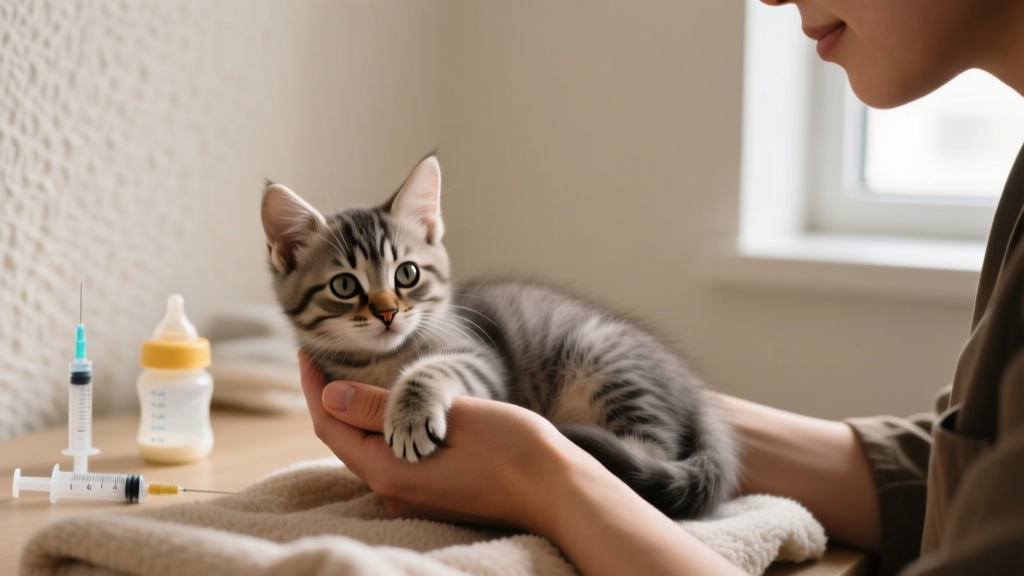
- Feeding protocol: Bottle-feed every 2–3 hours using KMR® or similar kitten milk replacer (never cow’s milk—it causes fatal diarrhea). Warm formula to 98–100°F (36.7–37.8°C); test on inner wrist. Feed in upright, slightly tilted position to prevent aspiration pneumonia—a leading cause of neonatal death.
- Stimulation: After each feeding, gently rub the genital and anal area with warm, damp cotton ball for 30–60 seconds until urination/defecation occurs. Stop once kittens consistently eliminate on their own (usually by day 14).
A real-world case: When foster caregiver Maya adopted three orphaned 5-day-olds last winter, she used a rice sock (microwaved 45 sec, wrapped in towel) as supplemental heat. Within 48 hours, one kitten developed lethargy and weak suckling—prompting an emergency vet visit. Bloodwork revealed mild hypoglycemia linked to inconsistent warmth disrupting metabolic rate. Her takeaway? 'I thought 'warm enough' was fine. It wasn’t. Temperature isn’t comfort—it’s metabolism.'
Vaccination, Deworming & Parasite Defense: Timing Is Biological, Not Calendar-Based
Vaccines and dewormers don’t work on fixed calendar dates—they activate best when aligned with immune system maturation milestones. Kittens receive passive immunity from maternal antibodies (if mom was vaccinated), but those antibodies wane unpredictably between 6–16 weeks—creating a dangerous 'window of susceptibility' where vaccines fail *and* disease risk peaks.
Here’s what evidence-based protocols recommend:
- Deworming starts at 2 weeks—not 6 or 8. Roundworms infect >85% of kittens via transmammary transmission (through mother’s milk), and larval migration damages intestinal villi before symptoms appear. Administer pyrantel pamoate every 2 weeks until 12 weeks old, then monthly until 6 months.
- FVRCP vaccine begins at 6 weeks, repeated every 3–4 weeks until 16 weeks minimum. Why? Maternal antibody interference drops significantly by week 12—but some kittens retain blocking antibodies until week 16. Skipping the final dose risks lifelong susceptibility to feline panleukopenia (a 90% mortality virus in unvaccinated kittens).
- Flea/tick prevention is NOT optional—even indoors. Indoor-only kittens contract fleas from humans’ clothing, other pets, or rodents. Capstar® (nitenpyram) is safe for kittens ≥2 lbs and 4 weeks old; Bravecto® Topical is approved for ≥2.6 lbs and 8 weeks. Never use dog products—they contain permethrin, which causes fatal neurotoxicity in cats.
Dr. Lin emphasizes: 'We see too many 'healthy indoor kittens' arrive seizuring from accidental permethrin exposure. Prevention isn’t about environment—it’s about physiology.'
Socialization & Environmental Enrichment: Building Resilience, Not Just Cuteness
The sensitive period for feline socialization runs from 2–7 weeks—the narrowest window of any common pet. During this time, neural pathways form rapidly in response to sensory input. Kittens exposed to varied people (men, women, children), sounds (vacuum, doorbell), surfaces (tile, carpet, grass), and handling (paws touched, ears gently rubbed) develop lower baseline cortisol levels and greater adaptability to change later in life.
But 'exposure' ≠ 'overstimulation.' Effective socialization follows the '3-3-3 Rule':
- 3 minutes of novel interaction per session (e.g., 3 min with a child wearing sunglasses, 3 min with a person speaking softly in Spanish)
- 3 sessions per day, spaced 2+ hours apart
- 3 days minimum per stimulus before introducing the next
One study published in Journal of Feline Medicine and Surgery (2022) tracked 120 kittens across shelters: those receiving structured 3-3-3 socialization were 4.2x more likely to pass adoption assessments and showed 68% fewer stress-related behaviors (hiding, freezing, urine marking) at 1 year vs. controls.
Pro tip: Record short videos of each session. Reviewing footage helps spot subtle signs of overwhelm—flattened ears, tail twitching, rapid blinking—before overt hissing or fleeing occurs.
Kitten Care Timeline: Critical Milestones & Actions
| Age Range | Key Developmental Milestones | Non-Negotiable Actions | Risk If Missed |
|---|---|---|---|
| 0–2 weeks | Eyes closed; ears folded; no teeth; relies entirely on mother/foster for warmth, feeding, elimination | • Maintain 85–90°F ambient temp • Bottle-feed KMR every 2–3 hrs • Stimulate elimination after each feed |
Hypothermia → organ failure; dehydration → kidney damage; constipation → toxic buildup |
| 3–4 weeks | Eyes open (by day 10–14); begin crawling; start playing with littermates; first deciduous teeth emerge | • Introduce shallow litter box with non-clumping, unscented litter • Begin gentle handling (paws, ears, mouth) • Start deworming (pyrantel pamoate) |
Poor litter habits persist into adulthood; fear of handling leads to vet resistance; roundworm burden impairs growth |
| 5–7 weeks | Walking confidently; pouncing; grooming self; weaning begins; social play peaks | • Begin FVRCP vaccination series • Introduce varied textures (crinkly paper, soft fleece) • Start supervised exploration beyond nesting area |
Missed vaccine window → panleukopenia vulnerability; under-stimulated brain → stereotypic behaviors (over-grooming, pacing) |
| 8–12 weeks | Full coordination; adult-like play; curiosity peaks; permanent teeth begin replacing baby teeth | • Complete FVRCP series (final dose at ≥16 weeks) • Spay/neuter consultation (early-age neutering is safe and recommended) • Introduce scratching posts, interactive toys, vertical space |
Unneutered males spray by 5 months; undersocialized kittens develop anxiety disorders; lack of vertical space increases territorial stress |
Frequently Asked Questions
Can I give my kitten cow’s milk or human baby formula?
No—absolutely not. Cow’s milk contains lactose and proteins (casein, whey) that kittens cannot digest, causing severe diarrhea, dehydration, and electrolyte imbalances that can be fatal within 48 hours. Human baby formula lacks taurine, arginine, and arachidonic acid—essential amino and fatty acids cats cannot synthesize. Kitten milk replacers like KMR® or Just Born® are formulated to match feline colostrum’s exact nutrient profile. Always follow mixing instructions precisely—over-dilution causes malnutrition; over-concentration stresses kidneys.
My kitten is sleeping all day—is that normal?
Yes—up to 20 hours daily is typical for kittens under 12 weeks. Their bodies prioritize growth hormone release during deep sleep. However, concern arises if your kitten sleeps through feedings, doesn’t rouse when gently stimulated, shows no interest in play by week 4, or has cold ears/paws while sleeping. These may indicate hypothermia, infection, or neurological issues requiring immediate vet evaluation.
When should I take my kitten to the vet for the first time?
Within 24–48 hours of bringing them home—even if they seem perfect. A neonatal exam checks for cleft palate, umbilical hernias, heart murmurs, eye abnormalities (like persistent pupillary membranes), and weight gain velocity (should gain 10–15g/day). Early detection prevents complications: e.g., untreated umbilical hernias can strangulate intestines; undiagnosed heart defects worsen with age. Most vets offer 'kitten wellness packages' bundling exams, vaccines, fecal tests, and deworming at discounted rates.
Do kittens need special food after weaning?
Yes—kittens require nearly 3x the protein and 2x the calories of adult cats. Switch to AAFCO-certified 'kitten formula' food (dry or wet) until 12 months old. Avoid 'all life stages' foods unless explicitly labeled for growth—many meet only adult maintenance standards. Look for minimum 30% crude protein and DHA (docosahexaenoic acid) for brain development. Transition over 7 days: mix 25% new food on day 1, increasing by 25% daily. Sudden changes cause vomiting/diarrhea.
Is it safe to bathe a kitten?
Generally, no—unless medically necessary (e.g., pesticide exposure). Kittens lose body heat 3x faster than adults, and bathing induces severe stress that suppresses immunity. Instead, use warm, damp cotton balls to spot-clean eyes/nose/bum. If full cleaning is unavoidable, use lukewarm water (no colder than 100°F), hypoallergenic kitten shampoo, and dry immediately with warm towels + low-heat hair dryer held 12+ inches away. Never submerge—water inhalation causes aspiration pneumonia.
Common Myths About Kitten Care
Myth #1: “Kittens are naturally resilient—they’ll bounce back from anything.”
Reality: Kittens have immature immune systems, underdeveloped livers (reducing toxin processing), and minimal fat reserves. A 12-hour fast can trigger life-threatening hypoglycemia. A single flea bite can transmit Bartonella or cause anemia in tiny bodies. Resilience is earned through vigilant, science-backed care—not assumed.
Myth #2: “If my kitten eats well and plays, they must be healthy.”
Reality: Kittens mask illness masterfully—a survival instinct. Weight loss, fever, or pain may show only as subtle changes: decreased purring, reluctance to jump, or hiding more than usual. A 10% weight loss in a 1-lb kitten equals 1.5 oz—barely noticeable visually but clinically significant. Always track daily weights with a gram-scale.
Related Topics (Internal Link Suggestions)
- Kitten Vaccination Schedule — suggested anchor text: "kitten vaccination timeline"
- How to Socialize a Shy Kitten — suggested anchor text: "help shy kitten trust people"
- Best Kitten Food Brands Vet-Approved — suggested anchor text: "top-rated kitten food for growth"
- Signs of Sick Kitten: Early Red Flags — suggested anchor text: "kitten illness symptoms to watch for"
- When to Spay or Neuter a Kitten — suggested anchor text: "safe age to spay kitten"
Your Next Step Starts Today—Not Tomorrow
You now hold a roadmap—not just for keeping your kitten alive, but for helping them thrive emotionally, physically, and socially. Remember: how to take care kitten for kittens isn’t about perfection. It’s about showing up with informed intention, adjusting as you learn, and partnering with your veterinarian as a co-caretaker—not just a client. Your very next action? Download our free Printable Kitten Care Checklist, which syncs with the timeline table above and includes QR codes linking to video demos of bottle-feeding, stimulation, and safe handling. Then, schedule that first vet visit—if you haven’t already. Because the best care begins not when problems arise… but when preparation meets purpose.