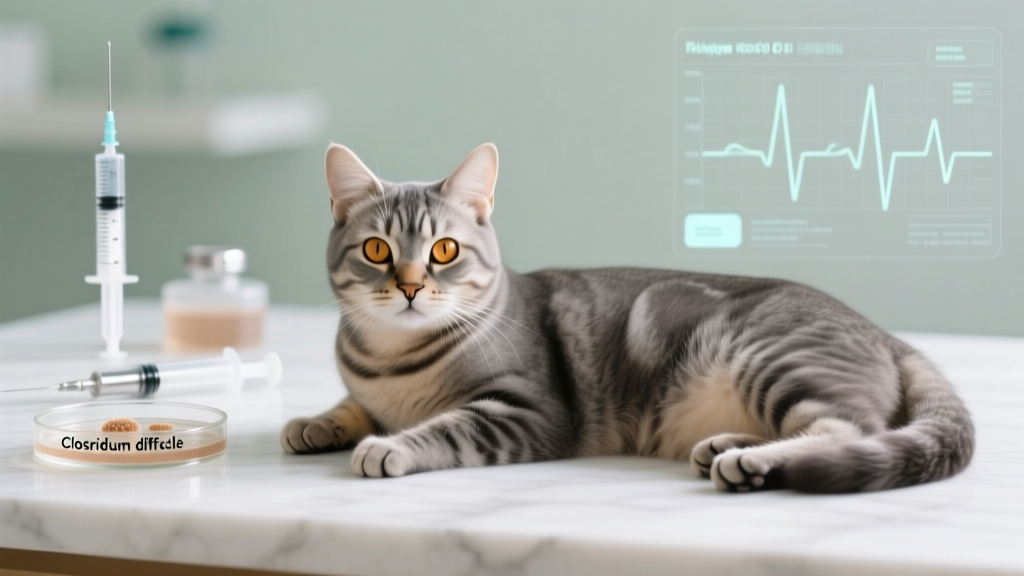
Feline Clostridium: Bacterial Diarrhea Treatment
1. Why This Topic Matters to Cat Owners
Diarrhea is one of the most common reasons cats end up at the veterinary clinic, and it can range from mildly annoying to a sign of a serious illness. One possible cause is an overgrowth of certain bacteria in the intestines—most notably Clostridium. When Clostridium is involved, stools can become messy, frequent, and uncomfortable for your cat, and dehydration can sneak up quickly (especially in kittens or seniors).
The good news: most cats with Clostridium-associated diarrhea improve with the right veterinary care and supportive home management. Understanding what Clostridium is, what signs to watch for, and how treatment works helps you act early and protect your cat’s comfort and safety.
2. Overview: What Is Feline Clostridium?
Clostridium is a group of bacteria that can live in the environment and also in the gastrointestinal (GI) tract. In small numbers, some Clostridium species may be present without causing problems. Trouble starts when conditions in the gut shift in a way that allows certain strains to multiply and produce toxins.
In cats, the two species most often discussed are:
- Clostridium perfringens: Can produce toxins that irritate the intestines and trigger diarrhea.
- Clostridioides (Clostridium) difficile: Less common in cats than in humans, but it can be associated with antibiotic-related diarrhea and toxin production.
You may hear the term clostridial enteritis (inflammation of the intestines linked to Clostridium) or clostridial overgrowth. Many cats with diarrhea will have some Clostridium in their stool, so diagnosis is not simply “bacteria found = disease.” Veterinarians look at the whole picture: your cat’s symptoms, risk factors, exam findings, and targeted tests that assess toxin production or other causes of diarrhea.
3. Symptoms and Warning Signs to Watch For
Clostridium-related diarrhea often affects the large intestine (colon), though any part of the GI tract may be involved. Signs can vary from mild to more disruptive.
Common signs
- Loose stool or watery diarrhea
- Increased frequency of bowel movements
- Mucus in the stool (a “slimy” look)
- Straining to defecate (may be mistaken for constipation)
- Small amounts of fresh red blood on stool or litter (more typical of large-bowel irritation)
- Gas or foul-smelling stool
- Accidents outside the litter box due to urgency
Signs that may suggest a more serious problem
- Lethargy or hiding more than usual
- Reduced appetite or not eating
- Vomiting
- Weight loss (more likely if diarrhea is ongoing)
- Dehydration (tacky gums, sunken eyes, weakness)
If your cat has diarrhea for more than a day, or sooner if they are very young, elderly, or have other medical conditions, it’s safest to check in with your veterinarian.
4. Causes and Risk Factors
Clostridial problems typically occur when the normal balance of gut microbes is disrupted or when the intestines are stressed or inflamed. Factors that can contribute include:
- Dietary changes (switching foods quickly, rich treats, scavenging)
- Stress (moving, new pets, boarding, shelter environment)
- Antibiotic exposure that alters normal gut flora (your vet will weigh risks and benefits before prescribing antibiotics)
- Concurrent intestinal disease (food intolerance, inflammatory bowel disease, parasites)
- Crowded environments and high exposure risk (multi-cat homes, rescues, shelters)
- Weakened immune system (kittens, seniors, chronic illness)
- Recent GI upset from any cause (sometimes Clostridium overgrowth follows another bout of diarrhea)
Clostridium spores are hardy in the environment, which is one reason sanitation matters. Still, many cats are exposed without getting sick. Usually, it’s the combination of exposure plus a disrupted gut environment that creates symptoms.
5. Diagnosis: What to Expect at the Vet
Because diarrhea has many causes, your veterinarian’s first job is to determine whether Clostridium is a likely culprit and whether anything more serious is happening. Expect a step-by-step approach.
History and physical exam
- When the diarrhea started, frequency, appearance (mucus, blood), and any vomiting
- Diet details, recent food changes, treats, possible trash ingestion
- Medication history, especially antibiotics
- Stressors and exposure to other cats
- Hydration status, abdominal discomfort, temperature, body weight
Fecal testing
- Fecal flotation/antigen tests to check for parasites (a very common cause and often overlaps with bacterial imbalance)
- Fecal cytology (microscopic evaluation). Clostridial spores can be seen, but spores alone do not prove they’re causing disease.
- Toxin testing (more specific) for certain clostridial toxins, depending on the lab and suspected species
- PCR panels that detect genetic material from multiple pathogens; helpful in some cases, but results must be interpreted with symptoms (some cats may test positive without needing antibiotics)
Additional testing (as needed)
- Bloodwork to assess dehydration, inflammation, organ function, and electrolytes
- Urinalysis for overall health assessment
- Abdominal imaging (x-rays or ultrasound) if foreign body, pancreatitis, or other disease is suspected
Bring a fresh stool sample if you can. If that’s not possible, your clinic can guide you on collection. Also consider taking a photo of the stool in the litter box—gross, but surprisingly helpful for medical context.
6. Treatment Options (Medical, Surgical, Home Care)
Treatment depends on severity, your cat’s overall health, and whether Clostridium is believed to be a primary issue or secondary to something else. Many cats improve with a combination of supportive care and targeted therapy.
Medical treatments your veterinarian may use
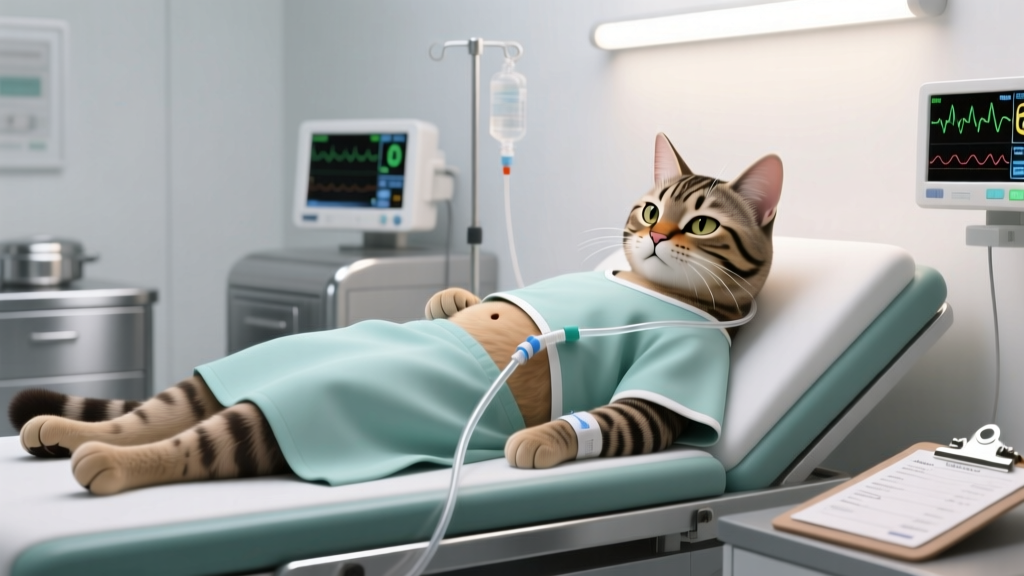
- Fluids: Oral hydration for mild cases; subcutaneous fluids or IV fluids if dehydrated, weak, or vomiting.
- Probiotics: Veterinary probiotics can help restore healthy gut bacteria. Use products recommended by your veterinarian (quality and strains matter).
- Diet therapy:
- Highly digestible GI diet to reduce intestinal workload
- Fiber supplementation (in some large-bowel cases) to help normalize stool consistency
- Novel protein or hydrolyzed diet if food sensitivity is suspected
- Antibiotics (select cases): Not every cat with diarrhea needs antibiotics. If your vet suspects clostridial enteritis with toxin involvement or significant clinical illness, they may prescribe an antibiotic appropriate for anaerobic bacteria. Always give exactly as directed and finish the course unless your vet advises otherwise.
- Anti-nausea medication if vomiting is present
- Gut protectants or supportive medications when indicated
When surgery might be involved
Clostridium itself rarely requires surgery. Surgery is considered if your veterinarian suspects a foreign body obstruction, intestinal perforation, or another structural emergency—conditions that can also cause diarrhea and rapid decline.
Home care you can do right away (while arranging vet guidance)
- Encourage hydration:
- Offer fresh water in multiple locations
- Consider a pet water fountain
- Feed canned food if your cat will eat it
- Keep diet steady: Avoid switching foods suddenly or offering new treats during a diarrhea episode unless your vet recommends a diet change.
- Track stools:
- Note frequency, color, presence of mucus/blood
- Watch for straining or urgency
- Protect the litter box routine:
- Provide an extra box in multi-cat homes
- Clean soiled areas promptly to reduce repeat accidents
- Do not give human anti-diarrheal medications (many are unsafe for cats). Call your veterinarian first.
If your cat is bright, alert, and only mildly affected, your clinic may recommend supportive care and monitoring while test results are pending. If your cat is weak, not eating, or dehydrated, treatment should be more proactive.
7. Prevention Strategies and Early Detection Tips
You can’t prevent every case of diarrhea, but you can reduce risk and catch problems earlier.
Practical prevention steps
- Make food transitions slowly (typically over 7–10 days, unless your vet advises otherwise).
- Keep “people food” and trash secured to prevent scavenging.
- Use probiotics strategically if your veterinarian recommends them during stress, diet changes, or after antibiotic therapy.
- Parasite prevention: Use veterinarian-recommended preventives and perform fecal checks as advised.
- Reduce stress:
- Maintain predictable routines
- Provide hiding spaces and vertical territory
- Use pheromone diffusers in stressful transitions if helpful
- Hygiene in multi-cat homes:
- Scoop daily, wash boxes routinely
- Separate resources (bowls, litter boxes) when a cat is ill
Early detection tips
- Weigh your cat monthly (a baby scale works well for small cats)
- Pay attention to appetite and energy changes that come before stool changes
- Take note if your cat begins straining or visiting the litter box more often
8. Prognosis and Quality of Life Considerations
Most cats with clostridial-associated diarrhea have a good prognosis, especially when the issue is caught early and dehydration is prevented. Many cases resolve within days once the gut calms down and the underlying trigger is addressed.
Quality of life can be impacted during flare-ups due to urgency, cramping, and litter box accidents. Prompt treatment helps your cat feel better faster and reduces household stress, too.
If diarrhea becomes recurrent, your veterinarian may look deeper for underlying causes such as:
- Food sensitivity or intolerance
- Chronic inflammatory bowel disease (IBD)
- Persistent parasites (including Giardia or Tritrichomonas foetus in some cats)
- Stress-related colitis
Long-term management might include a consistent diet plan, ongoing probiotic support, targeted parasite control, and minimizing triggers. Many cats do very well once a stable routine is found.
9. When to Seek Emergency Veterinary Care
Diarrhea can become an emergency when dehydration or systemic illness is developing. Contact an emergency clinic or your veterinarian right away if you notice:
- Repeated vomiting or inability to keep water down
- Significant lethargy, collapse, or weakness
- Large amounts of blood in the stool or black/tarry stool
- Signs of dehydration (dry/tacky gums, sunken eyes, very low energy)
- Severe abdominal pain (crying, hunched posture, guarding the belly)
- Diarrhea in kittens (they can decline quickly)
- Known toxin exposure or suspected foreign body ingestion (string, ribbon, toys)
- Diarrhea lasting more than 24–48 hours or worsening despite home support
10. FAQ: Common Questions Cat Owners Ask
Can Clostridium be contagious to other cats?
Clostridium spores can be shed in feces, and exposure risk is higher in multi-cat settings. Not every exposed cat gets sick. Good litter box hygiene, prompt cleanup, and reducing stress help. If one cat has diarrhea, it’s wise to separate litter boxes and monitor other cats for changes.
Is Clostridium diarrhea caused by bad food?
Not necessarily. Sudden diet changes or rich foods can disrupt the gut and allow certain bacteria to overgrow, but many cases are linked to stress, underlying intestinal inflammation, parasites, or antibiotic-related microbiome changes. Your veterinarian can help identify the most likely trigger for your cat.
Will my cat need antibiotics?
Sometimes, but not always. Because some clostridial organisms can be present in healthy cats, antibiotics are typically reserved for cats with significant clinical signs, toxin involvement, or high suspicion of bacterial overgrowth contributing to illness. Your veterinarian will balance benefits with the risk of worsening GI imbalance.
What should I feed my cat while they have diarrhea?
Follow your veterinarian’s advice first. Common recommendations include a highly digestible gastrointestinal diet or a specific therapeutic diet tailored to your cat’s needs. Avoid frequent food changes and hold off on new treats. If your cat stops eating, contact your veterinarian promptly—cats can develop complications when they go without food.
How long does it take for stools to return to normal?
Many cats start improving within a few days of appropriate treatment and diet support, but it can take a week or longer for stools to fully normalize, especially if the colon is irritated. If symptoms persist beyond your vet’s expected timeline, recheck is recommended.
Can I treat diarrhea at home without a vet visit?
Mild, short-lived diarrhea in an otherwise bright, hydrated adult cat may improve with supportive care, but it’s still best to consult your veterinarian—especially if there’s blood, mucus, vomiting, appetite loss, or the diarrhea lasts more than a day. Kittens, seniors, and cats with chronic conditions should be assessed sooner rather than later.
If your cat is dealing with diarrhea or you suspect a Clostridium-related issue, your veterinarian is your best partner for safe testing and targeted treatment. For more practical cat wellness and health guides, visit catloversbase.com.