Feline Hemangiosarcoma: Blood Vessel Cancer Spread
1. Why this topic matters to cat owners
Most cat owners know to watch for common problems like dental disease, kidney issues, or parasites. Hemangiosarcoma is less familiar, but it deserves attention because it involves the cells that line blood vessels and can lead to internal bleeding or sudden weakness with very little warning. While hemangiosarcoma is considered uncommon in cats, it can be serious, and early veterinary evaluation can make a meaningful difference in comfort, safety, and treatment choices.
If your cat seems “off” in a way you can’t explain—hiding more, breathing faster, not eating, pale gums, or sudden lethargy—your veterinarian can help determine whether it’s something minor or something that needs urgent care. This article will walk you through what hemangiosarcoma is, how it may spread, what signs to watch for, and what you can do right now to protect your cat’s health.
2. Overview: what hemangiosarcoma is (plain-language explanation)
Hemangiosarcoma is a malignant (cancerous) tumor that develops from the cells that line blood vessels. Because these tumors are made of abnormal blood vessel tissue, they can be fragile and prone to bleeding. In cats, hemangiosarcoma may occur:
- On the skin (cutaneous hemangiosarcoma)
- Under the skin (subcutaneous)
- Inside the body (visceral hemangiosarcoma), such as in the spleen, liver, heart, or other organs
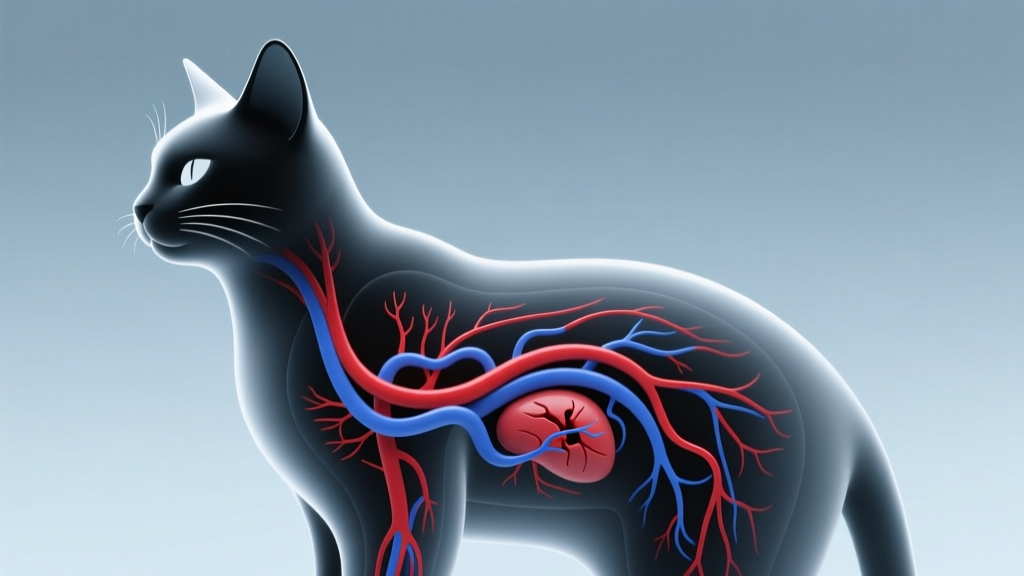
When people hear “blood vessel cancer spread,” they’re usually referring to metastasis, meaning cancer cells travel from the original tumor to other locations. Hemangiosarcoma can spread through the bloodstream because it arises from blood vessel tissue. In practical terms, that means:
- Some cats develop tumors in multiple areas.
- A cat may have an internal tumor that isn’t visible from the outside.
- Bleeding can occur inside the chest or abdomen, leading to sudden illness.
Not every lump or bruise is hemangiosarcoma. Many skin masses are benign, and cats can bruise or form blood-filled cysts for non-cancer reasons. The safest approach is to treat new or changing lumps and unexplained weakness as a reason to check in with your veterinarian.
3. Symptoms and warning signs to watch for
Signs vary depending on where the tumor is located and whether bleeding is happening. Some cats show subtle changes for weeks; others become sick quickly.
General signs (any location)
- Low energy, sleeping more, less interest in play
- Decreased appetite or weight loss
- Weakness or reluctance to jump
- Pale gums (can suggest anemia or poor circulation)
- Faster breathing at rest or getting winded easily
Possible signs of internal bleeding (urgent)
- Sudden collapse or extreme weakness
- Swollen or tense belly (fluid/blood buildup)
- Rapid breathing, open-mouth breathing, or struggling to breathe
- Cold paws/ears, acting “out of it,” or not responding normally
Skin/subcutaneous tumor signs
- A new lump that grows quickly
- A mass that looks bruised, dark red/purple, or blood-filled
- Bleeding from a skin lesion or recurrent scabbing
- A lump that changes shape, becomes ulcerated, or seems painful
Practical tip you can do today: Get comfortable checking your cat’s gums. Healthy gums are usually bubblegum pink (pigmentation varies). Pale, white, or gray-tinged gums deserve prompt veterinary attention, especially if your cat is weak or breathing faster than normal.
4. Causes and risk factors
For most cats, the exact cause is unknown. Cancer is complex and often involves a mix of genetics, environment, and random cell changes over time.
Potential risk factors and patterns
- Age: Many cancers are more likely in middle-aged to older cats, though it can occur at various ages.
- Sun exposure (for some skin tumors): Cats with light-colored or thin haircoats that spend time in sun may have increased risk for certain skin cancers. Hemangiosarcoma has been associated with sun exposure in some species, but the relationship in cats isn’t always clear.
- Location: Tumors involving the spleen, liver, or heart can be harder to detect early because they’re internal.
What you should take from this: risk factors are not a reliable way to rule this cancer in or out. Monitoring your cat’s baseline health and acting quickly when something changes is more useful than trying to predict it.
5. Diagnosis methods and what to expect at the vet
If your veterinarian suspects hemangiosarcoma (or any bleeding tumor), the visit may feel fast-paced because the first priority is to stabilize your cat and assess for internal bleeding.
Common diagnostic steps
- Physical exam: Gum color, heart rate, abdominal feel, and checking skin for masses.
- Bloodwork: Complete blood count (CBC) to look for anemia; chemistry panel to assess organs; sometimes clotting tests.
- Imaging:
- X-rays to check chest and evaluate for fluid or masses
- Ultrasound to evaluate abdominal organs and look for free fluid (blood) and masses
- Echocardiogram (heart ultrasound) if a cardiac mass is suspected
- Sampling the mass:
- Fine needle aspirate (FNA): A small needle collects cells. For vascular tumors, FNAs may yield mostly blood and may be inconclusive.
- Biopsy or surgical removal: Often the most definitive way to diagnose hemangiosarcoma. A pathologist examines the tissue.
- Fluid analysis: If there is fluid in the chest or abdomen, the vet may sample it to confirm whether it’s blood and evaluate other causes.
What you can bring to the appointment
- A timeline of symptoms (when appetite changed, any collapse episodes, breathing changes)
- Photos of any skin mass over time (helps show growth rate and color change)
- A list of medications/supplements and recent flea/tick products
Always consult a veterinarian if you notice rapid breathing, pale gums, sudden weakness, or a fast-growing mass. These signs warrant professional evaluation, even if your cat “seems better” later.
6. Treatment options (medical, surgical, home care)
Treatment depends on tumor location, whether it has spread, and your cat’s stability. Many cases require a combination of emergency support and longer-term cancer care planning.
Emergency stabilization (if bleeding or shock is suspected)
- IV fluids to support circulation (used carefully if internal bleeding is ongoing)
- Blood transfusion if anemia is severe or life-threatening
- Oxygen support if breathing is compromised
- Pain control and anti-nausea medications as needed
Surgical treatment
- Skin tumors: Wide surgical excision may be recommended. If the mass is removed early and completely, outcomes can be better than with internal tumors.
- Spleen involvement: If a splenic mass is bleeding, splenectomy (spleen removal) may be recommended. The spleen is not essential for life, but surgery carries risks, especially in unstable patients.
- Other internal locations: Surgery may be more complex (liver, heart). Your vet may refer you to a specialty surgeon or oncologist.
Chemotherapy and oncology care
Chemotherapy may be recommended to slow progression or address microscopic spread, especially when hemangiosarcoma is visceral. Cats often tolerate chemotherapy better than many people expect, but side effects are still possible and should be discussed in detail with a veterinary oncologist.
Radiation therapy
Radiation may be considered in select cases, particularly for certain localized tumors, depending on accessibility and referral options.
Palliative care (comfort-focused care)
When cure isn’t realistic or treatment isn’t the right fit for your family, comfort care can still be excellent care. Palliative plans may include:
- Pain relief and anti-inflammatory medications (only as prescribed for cats)
- Appetite support and anti-nausea medications
- Fluid support strategies recommended by your vet
- Quality-of-life monitoring and hospice guidance
Home care you can act on immediately
- Track appetite and energy daily: Note how much your cat eats and whether they’re moving normally.
- Monitor resting respiratory rate: When your cat is asleep, count breaths for 30 seconds and multiply by 2. A consistent upward trend or labored breathing warrants a vet call.
- Prevent falls: If weakness is present, block access to tall cat trees and provide a low-entry litter box.
- Do not give human pain meds: Many are toxic to cats. Call your veterinarian for safe options.
7. Prevention strategies and early detection tips
There’s no guaranteed way to prevent hemangiosarcoma. The best “prevention” for many cancers is really early detection and minimizing avoidable risks.
What helps
- Schedule regular wellness exams: For adult cats, yearly visits are a baseline; for seniors, many vets recommend every 6 months.
- Ask about screening bloodwork: Routine labs can reveal anemia or organ changes that justify imaging sooner.
- Do monthly at-home checks: Gently feel for new lumps while petting, especially along the belly, chest, and legs.
- Limit intense sun exposure: For light-colored cats who sunbathe, consider UV-blocking window film or limiting peak sun hours.
- Take “wait and see” off the table for fast-growing lumps: Any mass that grows over weeks (not months) should be evaluated.
Helpful rule of thumb: If a lump is new, changing, bleeding, or larger than a pea, schedule a vet visit. Even benign lumps deserve identification so you’re not guessing.
8. Prognosis and quality of life considerations
Prognosis depends heavily on:
- Location (skin vs internal organs)
- Whether it has spread at diagnosis
- Whether bleeding has occurred and how stable your cat is
- How completely a tumor can be removed
- Response to chemotherapy (if used)
Visceral hemangiosarcoma is often more challenging because internal tumors can bleed and may be discovered later. Cutaneous (skin) tumors that are caught early and removed with clean margins can sometimes have a more favorable outcome.
Quality of life: what to focus on
- Comfort: Pain control, easy movement, warm bedding, stress reduction
- Nutrition and hydration: Keeping calories up matters; your vet may suggest calorie-dense diets or appetite support
- Breathing comfort: Any increase in effort or rate should be reported
- Good days vs bad days: Keep a simple calendar or notes to spot trends
If your cat is diagnosed, ask your veterinarian to help you set clear, personalized goals (for example: “maintain appetite,” “no breathing distress,” “enjoy normal grooming and social time”) and to outline what changes would mean it’s time to adjust the plan.
9. When to seek emergency veterinary care
Because hemangiosarcoma can involve sudden bleeding, certain signs should be treated as urgent—day or night.
Go to an emergency vet immediately if you notice:
- Collapse, inability to stand, or extreme weakness
- Pale/white gums, or gums that look suddenly “washed out”
- Rapid breathing at rest, open-mouth breathing, or obvious breathing struggle
- Sudden swollen belly, especially with lethargy
- Uncontrolled bleeding from a mass or wound
- Signs of severe pain (crying out, hiding and growling when touched, hunched posture)
If you’re unsure, call your veterinarian or the nearest emergency clinic and describe what you’re seeing. A quick phone triage can help you decide the safest next step.
10. FAQ
Is hemangiosarcoma common in cats?
It’s considered uncommon compared with some other feline cancers. Even so, it’s a diagnosis vets do see, and it tends to be taken seriously because of bleeding risk and potential to spread.
Can a skin hemangiosarcoma spread to other organs?
Yes, hemangiosarcoma can metastasize. The risk varies by tumor type, size, location, and how early it’s removed. Your veterinarian may recommend staging tests (like chest X-rays or ultrasound) to check for spread.
My cat has a lump that seems full of blood. Is that hemangiosarcoma?
Not necessarily. Bruises, hematomas, benign vascular growths, infections, and other tumors can look similar. Any blood-tinged or rapidly changing mass should be checked by a veterinarian, and a biopsy may be needed for a definitive diagnosis.
What tests help determine if it has spread?
Common staging tests include chest X-rays, abdominal ultrasound, and bloodwork. In some cases, advanced imaging (CT) or specialist-guided sampling may be recommended.
Can cats tolerate chemotherapy?
Many cats tolerate veterinary chemotherapy reasonably well, and dosing is often chosen to prioritize quality of life. Side effects (like decreased appetite or gastrointestinal upset) can happen, so close follow-up and communication with your vet are key.
What can I do today to support early detection?
Do a monthly “head-to-tail” check for lumps, monitor appetite and energy, learn your cat’s normal resting breathing rate, and schedule routine wellness visits. If something changes and doesn’t resolve quickly, book an exam rather than waiting it out.
If hemangiosarcoma is on your mind because of a lump, unexplained weakness, or a recent diagnosis, your veterinarian is your best partner for next steps and tailored guidance. For more caring, practical cat health resources, visit catloversbase.com.