Cat Acute Kidney Injury from Lily Toxicity Protocol
1. Introduction: Why Lily Toxicity Matters to Cat Owners
If you share your home with a cat, lilies deserve special attention. Many common lilies can cause sudden, severe kidney damage in cats after surprisingly small exposures. Even a curious lick of pollen off fur or a nibble of a leaf can trigger a medical emergency. The good news is that fast action and prompt veterinary care can make a life-saving difference. This guide explains what happens, what to watch for, and the practical “what to do next” steps cat owners can follow to protect their cats.
2. Overview: What Is Acute Kidney Injury (AKI) from Lily Toxicity?
Acute kidney injury (AKI) means the kidneys suddenly lose their ability to do their job—filtering waste, balancing fluids and electrolytes, and helping regulate blood pressure. With lily toxicity, this loss of function can develop rapidly (often within 24–72 hours) and can become life-threatening without treatment.
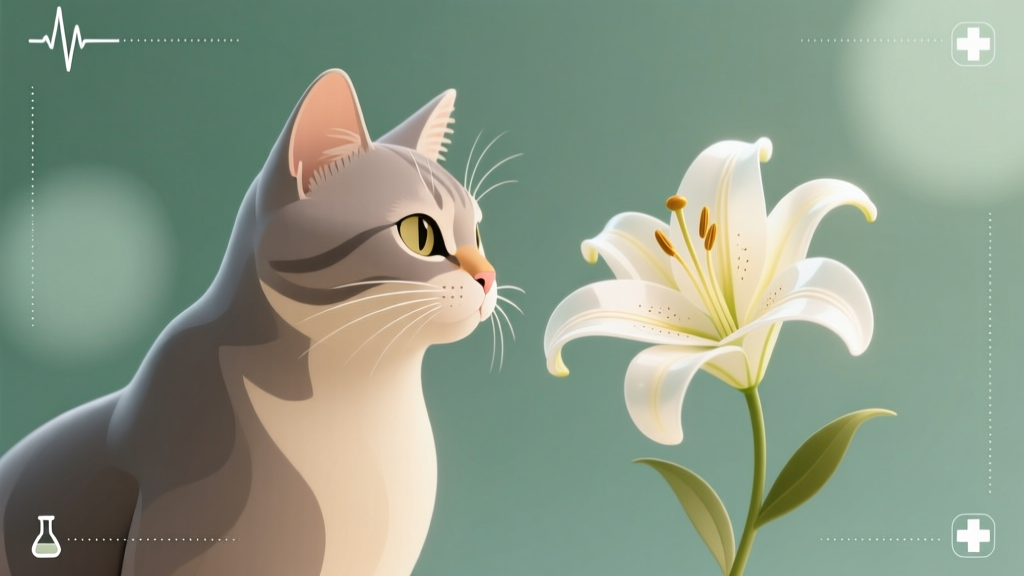
Why lilies are different for cats: cats are uniquely sensitive to certain lilies. The exact toxin has not been fully identified, but we know it can directly injure the kidney’s filtering units (especially the tubules). As the kidneys become inflamed and damaged, waste products build up in the bloodstream, dehydration worsens, appetite disappears, and vomiting often begins.
Which lilies are the highest risk? The most dangerous are “true lilies” and “daylilies,” including:
- Easter lily (Lilium longiflorum)
- Tiger lily (Lilium lancifolium)
- Asiatic lilies (Lilium species)
- Stargazer/Oriental lilies (Lilium species)
- Daylilies (Hemerocallis species)
Potential exposures include:
- Chewing petals, leaves, or stems
- Drinking water from a vase that held lilies
- Ingesting pollen (often transferred to the mouth during grooming)
- Rubbing against flowers and later grooming pollen off the coat
Other “lily-named” plants: Some plants with “lily” in the name are not the same as Lilium/Hemerocallis. They may cause other issues (like mouth irritation or stomach upset) but typically do not cause the classic, severe kidney failure seen with true lilies. Examples include peace lily (Spathiphyllum) and calla lily (Zantedeschia). Even so, any plant exposure should be taken seriously—if you’re not sure what it is, treat it like an emergency and call your vet or poison control.
3. Symptoms and Warning Signs to Watch For
Signs can start subtly, then progress quickly. If you suspect any lily exposure, do not wait for symptoms. Cats can look “okay” early on while kidney injury is already starting.
Early signs (often within hours):
- Drooling, lip-smacking
- Vomiting or gagging
- Decreased appetite
- Quiet behavior, hiding, seeming “off”
Developing signs (12–48 hours):
- Increased thirst
- More frequent urination (sometimes)
- Dehydration (dry gums, sunken eyes)
- Continued vomiting, nausea
- Weakness, wobbly walking
Severe signs (24–72 hours):
- Very little urine or none at all
- Severe lethargy, collapse
- Bad breath (uremic odor)
- Mouth ulcers
- Low body temperature, pale gums
4. Causes and Risk Factors
Cause: ingestion or exposure to toxic lilies (Lilium and Hemerocallis species).
Risk factors that make exposure more likely:
- Fresh bouquets or holiday arrangements brought into the home
- Cats that chew plants or knock over vases
- Multi-cat households where one cat tracks pollen that another later grooms off
- Limited supervision in areas with floral displays (kitchen counters, dining tables)
- Outdoor access where lilies grow in yards or neighboring gardens
Amount matters less than you’d think: there is no known “safe” amount. Even tiny exposures can be dangerous.
5. Diagnosis: What to Expect at the Vet
Veterinary teams treat suspected lily exposure very seriously because early treatment can prevent kidney failure. Expect the visit to move quickly, especially if ingestion occurred within the last 24 hours.
History and triage:
- What plant was involved (bring a photo or the bouquet tag if possible)
- When exposure may have happened
- What your cat may have touched/chewed/drunk (including vase water)
- Current symptoms and baseline health issues
Common tests:
- Bloodwork (kidney values like creatinine and BUN, electrolytes, phosphorus)
- SDMA (a kidney marker that can rise earlier in some cases)
- Urinalysis (urine concentration, evidence of kidney tubular injury)
- Blood pressure (kidney injury can affect it)
- Ultrasound (sometimes) to assess kidney appearance and rule out obstruction
Important timing note: bloodwork can look fairly normal early on. That’s why vets often recommend treatment based on exposure history alone, rather than “waiting to see” if values rise.
6. Treatment Options: The Lily Toxicity Protocol
There is no at-home antidote for lily toxicity. The “protocol” is focused on rapid decontamination (when appropriate), aggressive fluid therapy, monitoring, and supportive care to protect the kidneys while they recover.
Immediate steps at the veterinary hospital
- Stabilization and IV access: most cats are started on intravenous fluids promptly.
- Decontamination (time-sensitive):
- Inducing vomiting may be considered if ingestion was recent and your cat is stable.
- Activated charcoal may be used in some cases, though its role varies by clinician and timing.
- Bathing/cleaning may be recommended if pollen is on the coat, to prevent re-ingestion during grooming.
IV fluid therapy (cornerstone of treatment)
Aggressive IV fluids help maintain kidney blood flow, support urine production, and flush toxins. Many cats need hospitalization on IV fluids for 48–72 hours, sometimes longer depending on lab results and urine output.
Monitoring during IV therapy:
- Urine output (often measured closely; a urinary catheter may be placed)
- Kidney values and electrolytes rechecked regularly
- Hydration status and body weight
- Blood pressure
- Nausea control and appetite
Supportive medications
Your vet may prescribe or administer:
- Anti-nausea medication to control vomiting and nausea
- Appetite support if needed
- Gastroprotectants if stomach irritation is present
- Electrolyte correction (for potassium, phosphorus, acid-base balance)
- Pain relief if indicated (kidney inflammation can be uncomfortable)
Advanced care: dialysis or referral
If a cat becomes oliguric/anuric (producing very little or no urine) or kidney values continue to climb despite treatment, a referral hospital may recommend:
- Hemodialysis (filters toxins when kidneys can’t)
- Peritoneal dialysis (less common, but used in some settings)
Dialysis is not available everywhere, but when it is accessible, it can be life-saving in severe cases.
Home care after hospitalization
Once your cat is stable, your vet may send them home with:
- Anti-nausea medication and/or appetite support
- Instructions for encouraging water intake
- A temporary kidney-friendly diet plan if indicated
- Recheck appointments for repeat bloodwork and urinalysis
At-home priorities:
- Offer plenty of fresh water (multiple bowls or a pet fountain)
- Feed the diet your vet recommends; prioritize eating over perfection in the short term
- Give medications exactly as directed
- Track litter box habits (clump size, frequency, straining)
- Keep your cat calm, indoors, and away from plants during recovery
7. Prevention Strategies and Early Detection Tips
Prevention is where cat owners can make the biggest impact—lily exposure is one of the most preventable causes of life-threatening kidney injury.
Practical prevention steps you can do today:
- Remove true lilies and daylilies from your home and yard if you have cats.
- Check bouquets before bringing them inside. Ask florists for “cat-safe” arrangements.
- Don’t place flowers where cats can access them (even “safe” plants can cause stomach upset).
- Warn visitors not to bring lilies into your home—many exposures happen after well-meaning gifts.
- Know the high-risk seasons (spring holidays, Mother’s Day, Easter) when lilies are common.
Early detection tips:
- If you see yellow/orange pollen dust on your cat’s face or paws, assume possible exposure.
- If a bouquet has lilies and a cat was in the room unsupervised, treat it as potential ingestion.
- Any vomiting or appetite drop after plant exposure warrants an immediate call to your vet.
8. Prognosis and Quality of Life Considerations
Prognosis depends heavily on how quickly treatment begins and whether kidney values rise.
- Excellent to good prognosis: Cats treated within a few hours of exposure, before kidney values increase, often recover well.
- Guarded prognosis: Cats showing rising creatinine/BUN, dehydration, or significant vomiting may still recover, but need intensive care and careful monitoring.
- Poor prognosis: Cats producing little/no urine or those with severe, persistent kidney failure may not survive without advanced interventions like dialysis.
Long-term outlook: Some cats recover fully. Others may have residual kidney damage and develop chronic kidney disease (CKD) later. Your vet may recommend periodic kidney monitoring (bloodwork, urinalysis, blood pressure) even after apparent recovery.
Quality of life: Cats that recover but retain some kidney impairment can often enjoy a great quality of life with diet adjustments, hydration support, and routine veterinary follow-ups.
9. When to Seek Emergency Veterinary Care
Seek emergency care immediately if any of the following are true:
- Your cat may have had contact with any true lily or daylily (chewed plant, pollen exposure, drank vase water)
- You see lily pollen on your cat or suspect grooming after rubbing against lilies
- Your cat is vomiting, drooling, refusing food, or acting unusually tired after being near flowers
- Your cat is urinating much less than normal or not at all
- Your cat seems weak, wobbly, or collapses
If you suspect exposure: remove access to the plant, keep your cat safely contained, and call your veterinarian or an emergency clinic right away. If possible, bring a photo of the plant or the bouquet tag to help identify it.
10. FAQ: Common Questions Cat Owners Ask
Are all lilies toxic to cats?
No, but true lilies (Lilium) and daylilies (Hemerocallis) are the highest-risk group linked to severe acute kidney injury. Other “lily” plants (like peace lily) may cause mouth irritation or stomach upset. Because identification can be confusing, contact your veterinarian promptly for any suspected lily exposure.
My cat only sniffed the lily—do I need to worry?
Sniffing alone is less concerning than chewing or ingesting pollen, but cats often get pollen on their nose/whiskers and then groom it off. If your cat was close enough to get pollen on their coat, it’s safer to call your vet for guidance rather than waiting.
What should I do before I get to the vet?
- Remove your cat from the area and prevent further access to the plant.
- If pollen is visible on the fur, avoid letting your cat groom; you can gently confine them in a carrier.
- Bring a plant photo or sample (sealed in a bag) if it can be done safely.
- Do not induce vomiting at home unless a veterinarian specifically instructs you to—some methods are unsafe for cats.
How fast do kidneys fail after lily exposure?
Gastrointestinal upset can occur within hours. Kidney injury may become evident within 24–72 hours. That timeline is why veterinarians treat suspected exposure as urgent even if your cat seems normal at first.
Will my cat fully recover?
Many cats do, especially when treated quickly with IV fluids before kidney values rise. If kidney injury is already advanced, recovery becomes less predictable. Your veterinarian can give the best estimate based on urine output, lab trends, and response to therapy over the first 1–3 days.
Is there a safe way to keep flowers if I have a cat?
Yes—choose cat-safe options and keep arrangements out of reach. Avoid true lilies and daylilies entirely. When in doubt, ask the florist for a pet-safe bouquet and double-check plant names. If your cat is a dedicated plant-chewer, the safest choice is to skip fresh floral arrangements or keep them in a fully cat-proof area.
If you’re ever unsure about a plant exposure, your veterinarian is the best partner to guide you. For more practical cat health guides, prevention tips, and caring support written for cat owners, visit catloversbase.com.