Feline Constipation Home Remedies vs Veterinary Intervention
1) Why constipation matters to cat owners
Constipation may sound like a minor inconvenience, but in cats it can quickly become painful, stressful, and occasionally dangerous. Cats are masters at hiding discomfort, so a problem that starts as “my cat hasn’t pooped today” can progress to straining, appetite loss, vomiting, and dehydration before many owners realize something is wrong. The good news: many cases can be managed successfully when caught early, and there are practical steps you can take at home—alongside timely veterinary care—to get your cat comfortable again.
This guide breaks down what constipation is, how to recognize it, which home remedies are appropriate, and when veterinary intervention is the safest choice.
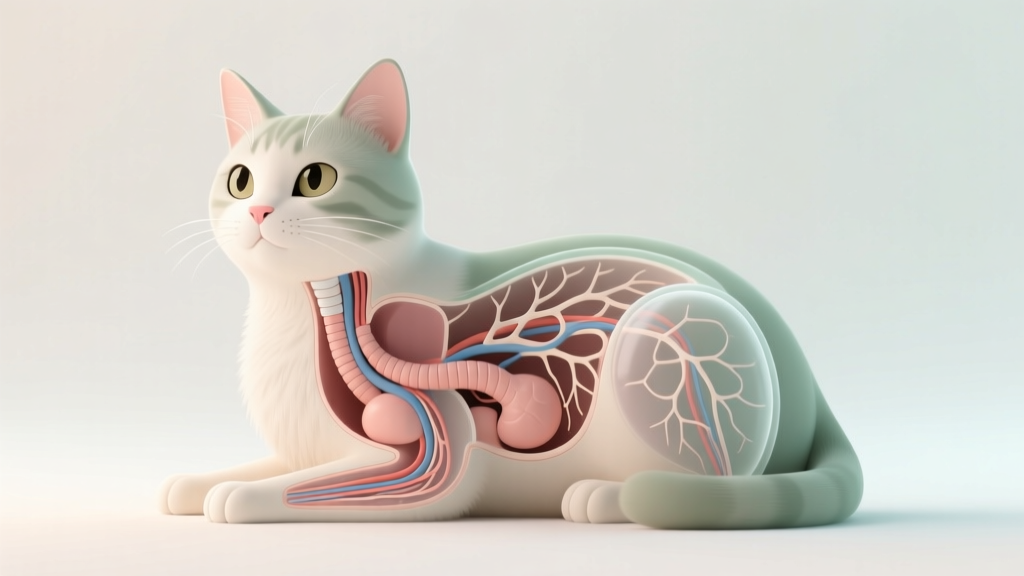
2) Overview: what feline constipation is (plain-language medical explanation)
Constipation means a cat is having difficulty passing stool, passing stool less often than normal, or passing small, hard, dry stool. Most cats poop about once a day, but normal varies; some healthy cats go every 36–48 hours. Constipation becomes a concern when stools are consistently hard/dry, your cat strains, or bowel movements stop.
Obstipation is severe constipation where little to no stool can be passed at all. This often requires veterinary treatment.
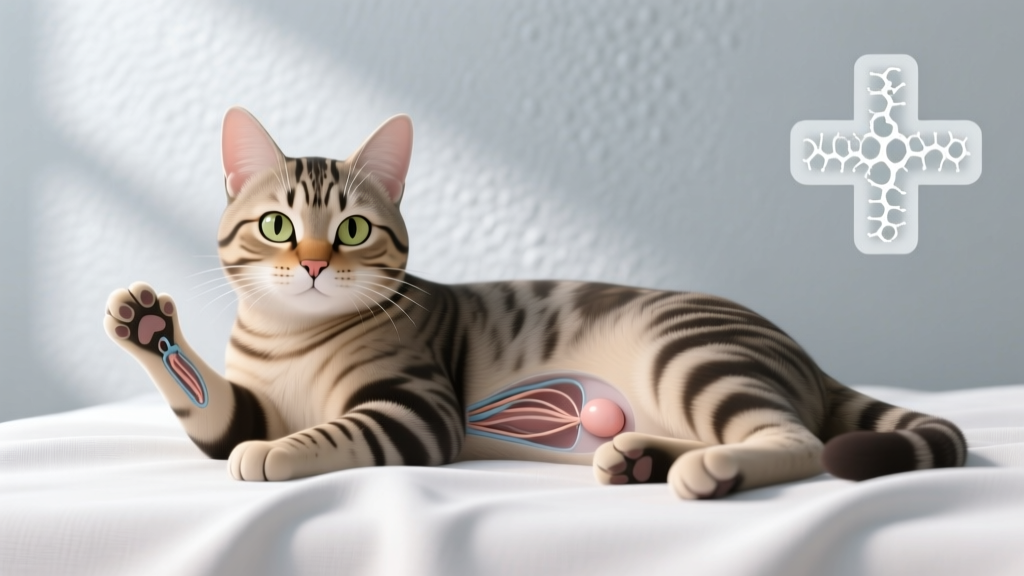
Megacolon is a condition where the colon becomes stretched and weak over time, making it harder and harder to move stool through. Megacolon can be secondary to chronic constipation or other issues, and it may require long-term medical management or surgery.
Constipation is not a disease by itself—it’s a sign that something is affecting stool formation, hydration, colon movement, or the cat’s ability/willingness to posture and defecate.
3) Symptoms and warning signs to watch for
Some cats are obvious about discomfort; others are subtle. Watch for:
- Straining in the litter box (often mistaken for urinary trouble)
- Frequent trips to the litter box with little or no stool produced
- Small, hard “pebble-like” stools
- Stool with mucus (can happen with colon irritation)
- Decreased appetite or refusing food
- Lethargy or hiding
- Vomiting (especially if constipation becomes more severe)
- Painful abdomen or sensitivity when picked up
- Accidents outside the box (sometimes from discomfort or urgency)
- Matting/soiling around the rear (common in long-haired cats)
Important: Straining can also indicate a urinary blockage, especially in male cats. If your cat is straining and producing little/no urine, treat it as an emergency and seek veterinary care right away.
4) Causes and risk factors
Constipation usually develops from a combination of factors. Common causes include:
- Dehydration: Cats naturally have a low thirst drive, and dry diets can contribute in some cats.
- Hair ingestion and grooming: Excess hair can contribute to slow stool movement, especially in long-haired cats or heavy shedders.
- Diet factors:
- Low moisture intake
- Dietary intolerance or inadequate fiber for that individual cat
- Bones/foreign material (in cats fed table scraps or who chew objects)
- Pain or mobility issues: Arthritis, hip or spine pain, and obesity can make it hard to posture in the litter box.
- Litter box problems: Dirty boxes, too few boxes, stressful location, or a box with sides that are too high can cause stool withholding.
- Stress and routine changes: Household changes, new pets, moving, or schedule disruptions can affect bathroom habits.
- Medications: Some pain medications, sedatives, and other drugs can slow the gut.
- Underlying medical conditions:
- Kidney disease (dehydration and electrolyte changes)
- Hyperthyroidism (can cause diarrhea more often, but some cats experience altered motility)
- Neurologic issues affecting colon function
- Anal gland problems or painful anal/rectal conditions
- Pelvic injuries or narrowing of the pelvic canal
- Masses/obstructions (foreign body, tumor, severe hairball)
Higher-risk cats include seniors, overweight cats, long-haired cats, cats with chronic kidney disease, and cats with a history of constipation or megacolon.
5) Diagnosis: what to expect at the vet
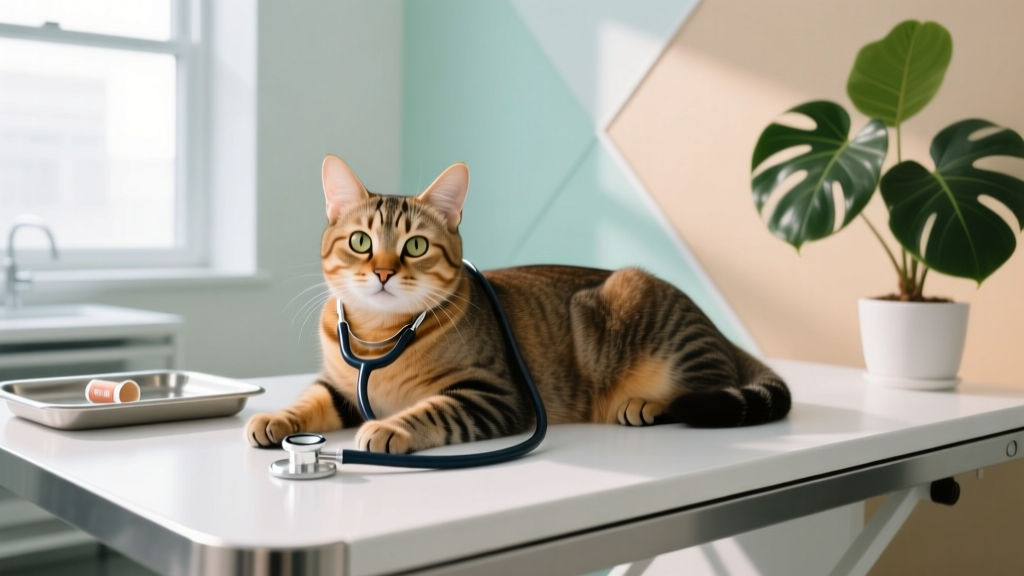
When constipation lasts more than a day or two, keeps recurring, or your cat seems uncomfortable, a veterinary visit is the safest plan. The goal is to confirm constipation and identify the underlying cause so it doesn’t keep coming back.
Your vet team may do:
- History questions: Last bowel movement, stool appearance, diet type, water intake, vomiting, medications, behavior changes, litter box setup.
- Physical exam: Checking hydration, abdominal palpation (sometimes the colon feels full), body condition, pain assessment.
- Rectal exam: In some cases, to check for narrowing, masses, or painful lesions (done gently and sometimes with sedation).
- X-rays (radiographs): Very common. Helps confirm stool buildup, evaluate colon size (megacolon concerns), and look for pelvic narrowing or obstruction.
- Bloodwork/urinalysis: Especially for recurrent constipation, seniors, or cats who seem unwell—helps evaluate kidney function, electrolytes, and hydration status.
- Additional imaging: Ultrasound or contrast studies if an obstruction or mass is suspected.
Many owners worry their cat will be judged for constipation—please don’t. Constipation is common, and most cats improve quickly once the right plan is started.
6) Treatment options: medical, surgical, and home care
Treatment depends on severity and cause. Think of constipation care as two parts: relief now and prevention later.
Veterinary intervention (often needed for moderate to severe cases)
- Fluids: Subcutaneous or IV fluids help rehydrate the colon contents and the cat, making stool easier to pass.
- Enemas: Given at the clinic using cat-safe solutions. This can be very effective but should not be done with human products unless a veterinarian specifically directs it.
- Manual deobstipation: If stool is severely impacted, your cat may need sedation/anesthesia so the vet can gently remove stool. This provides fast relief but is more involved.
- Laxatives or stool softeners:
- Veterinarians may prescribe products that draw water into the stool or improve motility.
- The best choice depends on your cat’s health history (especially kidney disease and hydration status).
- Motility medications: In cats with sluggish colon movement or megacolon tendencies, medication may be used to help the colon push stool forward.
- Pain control: If arthritis or abdominal discomfort is contributing, appropriate pain management can make a big difference.
- Diet change: Some cats do better with increased moisture and moderate fiber; others need a low-residue diet. Your vet can guide the best option based on stool quality and colon health.
Home remedies (appropriate for mild constipation or prevention, with veterinary guidance)
Home care can help when your cat is otherwise acting normal, still eating, and constipation is mild/early. If your cat is painful, vomiting, very lethargic, or hasn’t passed stool for more than 48 hours, skip home remedies and call your veterinarian.
- Increase water intake (most helpful, safest first step)
- Switch some or all meals to canned/wet food.
- Add a small amount of water to canned food to make a “stew.”
- Use a cat water fountain (many cats drink more).
- Offer multiple water bowls in quiet locations.
- Optimize the litter box setup
- Provide at least one box per cat + one extra.
- Scoop daily; fully clean regularly.
- Use a low-entry box for senior or arthritic cats.
- Place boxes in calm, accessible areas (not next to loud appliances).
- Gentle activity and weight management
- Play sessions (5–10 minutes) can stimulate gut movement.
- Maintaining a healthy weight reduces strain and improves mobility.
- Hair control
- Brush more frequently during shedding seasons.
- For long-haired cats, consider a sanitary trim and regular grooming.
- Veterinarian-approved fiber or stool support
- Some cats benefit from added fiber, but too much can worsen constipation in others—especially if water intake is low.
- Ask your vet before adding supplements so dosing and product choice are safe for your cat’s medical history.
What to avoid at home
- Human enemas (some contain ingredients that can be toxic to cats)
- Mineral oil by mouth (aspiration risk; can cause serious lung problems)
- Forcing hydration with syringes if your cat resists (aspiration risk and high stress)
- Random laxatives without veterinary direction (dosing and safety vary widely)
Surgical options (for specific cases)
Surgery is not common for routine constipation, but it can be life-changing when needed.
- Obstruction removal: If imaging shows a foreign body or mass blocking the colon.
- Subtotal colectomy: For severe, recurrent megacolon that no longer responds to medication. Many cats do well long-term, though stool consistency may be softer and diet adjustments are often needed.
7) Prevention strategies and early detection tips
Constipation prevention is usually about consistent hydration, comfort, and routine.
- Track bathroom habits: A quick daily glance at the box helps you spot changes early.
- Prioritize moisture: If your cat tolerates it, include wet food in the diet and encourage drinking.
- Keep litter boxes inviting: Clean, accessible, and placed thoughtfully.
- Address pain: If your cat is older or jumps less, talk with your vet about arthritis screening and pain control options.
- Groom routinely: Especially for long-haired cats.
- Schedule regular wellness exams: Senior cats benefit from routine lab work to catch kidney disease or other issues that contribute to dehydration.
Immediate, practical step: If you don’t already, start noting poop frequency and stool appearance for one week. This baseline makes it much easier to recognize when something changes.
8) Prognosis and quality of life considerations
Most cats with mild or occasional constipation have an excellent prognosis with hydration support and small adjustments at home. Cats with recurring constipation often do very well with a long-term plan that may include dietary changes and veterinarian-prescribed medications.
For cats with megacolon, quality of life depends on how early it’s addressed and how well the colon still functions. Many cats maintain a happy, comfortable life with:
- Consistent hydration strategies
- Appropriate diet
- Regular rechecks and medication as needed
- Prompt intervention when constipation starts (before it becomes severe)
When constipation becomes frequent, don’t assume it’s “just how your cat is.” A veterinary assessment can prevent cycles of discomfort and reduce the risk of obstipation.
9) When to seek emergency veterinary care
Contact an emergency veterinarian right away if you notice any of the following:
- Straining with no urine produced or crying in the litter box (possible urinary blockage)
- No stool for 48+ hours with discomfort, straining, or reduced appetite
- Repeated vomiting, especially with lethargy
- Severe lethargy, collapse, or weakness
- Bloated or painful abdomen
- Known ingestion of string, ribbon, bones, toys, or other foreign material
- Constipation in a kitten (kittens can dehydrate quickly and may have parasites or congenital issues)
If you’re unsure whether it’s constipation or a urinary issue, assume it could be urinary and seek care promptly. It’s always better to be safely cautious.
10) FAQ: common questions from cat owners
How long can a cat safely go without pooping?
Many healthy cats can occasionally skip a day, especially if eating less. As a general guideline, more than 48 hours without stool, or any straining/pain at any time, warrants a call to your veterinarian. Earlier is better if your cat is vomiting, not eating, or acting “off.”
My cat is straining—how do I tell constipation from a urinary problem?
It can look very similar. Watch for urine output: small drops, frequent attempts, or no urine at all can indicate a urinary emergency. If you can’t confidently confirm normal urination, seek veterinary care the same day (or immediately if your cat is a male and producing little/no urine).
Is pumpkin a good home remedy for cat constipation?
Pumpkin (plain, not sweetened or spiced) can help some cats because it adds fiber and moisture, but it’s not a universal fix. In cats that are dehydrated or severely constipated, fiber can sometimes make stools bulkier and harder to pass. Ask your veterinarian whether fiber is appropriate for your cat and what amount is safe.
Are hairballs the main cause of constipation?
Hair can contribute, especially in long-haired cats, but it’s rarely the only factor. Dehydration, pain/arthritis, diet, stress, and underlying medical conditions are frequent contributors. If constipation is recurring, a veterinary workup is the best way to find the real driver.
Should I give my cat a laxative or stool softener from the pharmacy?
Don’t give over-the-counter products without veterinary guidance. Some ingredients and doses that are safe for people can be unsafe for cats, and the wrong choice can worsen dehydration or mask an obstruction. Your vet can recommend the safest option for your cat’s age, weight, and health conditions.
What’s the best diet for a constipated cat?
There isn’t one “best” diet for every cat. Many do well with higher moisture (wet food) and a vet-recommended gastrointestinal diet. Some benefit from added fiber; others do better with a low-residue approach. The most effective diet is chosen based on stool quality, hydration status, weight, and whether megacolon is present.
If your cat is constipated, home care can be helpful for mild cases—but constipation is also a signal that your cat may need medical support. When in doubt, call your veterinarian and describe what you’re seeing; a quick conversation can prevent a painful problem from escalating.
For more caring, practical cat health guidance, visit catloversbase.com and explore our growing library of feline wellness resources.